

At a Glance
- US GDP growth has decelerated significantly, falling below initial projections and raising concerns about the nation's economic momentum. This slowdown indicates a potential shift in the economic landscape.
- Inflation remains stubbornly high, eroding consumer purchasing power and increasing operational costs for businesses across various sectors. The persistent rise in prices is a key factor contributing to the economic squeeze.
- The trade deficit has widened considerably, reflecting a growing imbalance between imports and exports. This expansion suggests a weakening competitive position for domestic industries and an outflow of capital.
- Consumer spending, a critical driver of economic activity, shows signs of weakening as households grapple with rising living costs and economic uncertainty. Discretionary spending is particularly vulnerable.
- The Federal Reserve faces mounting pressure to navigate a delicate balance between controlling inflation and supporting economic growth. Monetary policy decisions will be crucial in shaping the near-term outlook.
- Businesses are reporting increased input costs and supply chain disruptions, impacting profitability and investment decisions. This challenging environment could lead to reduced hiring and slower expansion plans.
The Record
The latest economic indicators paint a sobering picture of the US economy, revealing a notable dip in Gross Domestic Product (GDP) growth. This deceleration is not merely a statistical blip but a significant trend that analysts are scrutinizing closely. The initial optimism surrounding a robust post-pandemic recovery is now being tempered by the reality of persistent economic challenges, particularly the twin threats of inflation and an expanding trade deficit. These factors are converging to create a more complex and precarious economic environment than previously anticipated, demanding a careful re-evaluation of current fiscal and monetary strategies.
Inflation, which many initially dismissed as transitory, has proven to be far more entrenched, stubbornly resisting efforts to bring it under control. Consumers are feeling the pinch directly, with rising prices for everything from groceries to gasoline eroding their purchasing power and forcing difficult budgetary choices. This inflationary pressure is not just a burden on households; it's also a significant challenge for businesses, which are contending with increased costs for raw materials, labor, and transportation. The ripple effect of these elevated costs is a key contributor to the overall slowdown in economic expansion, as companies become more cautious with investments and expansion plans.
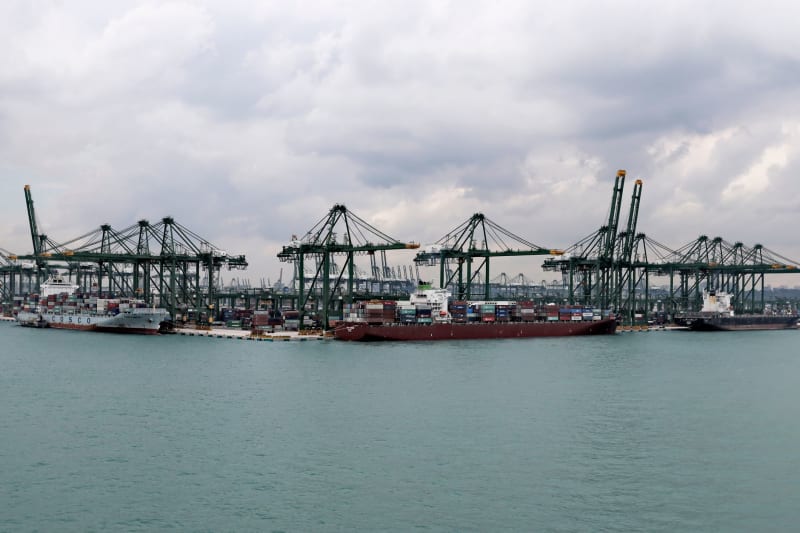
Compounding the inflation issue is the widening trade deficit, which signifies that the US is importing significantly more goods and services than it is exporting. This imbalance has multiple implications, including a potential drag on domestic production and employment. A persistent trade deficit can indicate a lack of competitiveness in certain sectors or a strong domestic demand for foreign goods that outstrips local supply. Addressing this requires a multi-faceted approach, potentially involving policies to boost domestic manufacturing, enhance export capabilities, and strategically manage international trade relations to ensure a more balanced economic exchange.
Who Knew and When
Economists and financial institutions began raising red flags about potential economic headwinds as early as late last year, with many pointing to the escalating inflation figures and the growing supply chain disruptions. While initial government forecasts maintained a more optimistic outlook, the data from the first quarter of the current year provided undeniable evidence of a slowdown. The Federal Reserve, after initially characterizing inflation as 'transitory,' shifted its stance, acknowledging the more persistent nature of price increases and signaling a more aggressive approach to monetary tightening. This evolution in understanding highlights the dynamic and often unpredictable nature of economic forces.
Private sector analysts, particularly those at major investment banks and independent research firms, were among the first to articulate concerns about the sustainability of the rapid post-pandemic recovery. Their models often incorporated a broader range of variables, including global geopolitical tensions and commodity price volatility, which allowed for a more nuanced projection of future economic performance. These early warnings, while sometimes dismissed as overly pessimistic, have largely been validated by the subsequent economic data, underscoring the value of diverse analytical perspectives in economic forecasting.
Policymakers, including members of Congress and the White House economic advisory council, have been increasingly vocal about the need to address these challenges. Discussions around potential legislative actions, such as targeted fiscal spending or adjustments to trade policies, have gained traction as the severity of the situation becomes clearer. The timing and effectiveness of these interventions will be critical in mitigating the negative impacts of the current economic climate and steering the economy back towards a path of stable and sustainable growth. The window for proactive measures is narrowing, making decisive action imperative.
Voices from the Ground
Small business owners across the country are grappling with unprecedented cost increases, forcing them to make difficult decisions. Maria Rodriguez, who runs a popular bakery in Austin, Texas, shared her frustrations: "Every week, the price of flour, sugar, and even packaging goes up. We've tried to absorb some of it, but eventually, we have to pass it on to our customers, and then we worry they'll stop coming. It feels like we're constantly walking a tightrope, trying to keep our doors open while inflation eats away at our margins." Her sentiment is echoed by countless other entrepreneurs struggling to maintain profitability in a high-cost environment.
Consumers are also feeling the direct impact of the economic slowdown and inflation. John Chen, a father of two in Ohio, noted, "Our grocery bill has skyrocketed, and gas prices make my commute a real financial burden. We've cut back on almost everything non-essential, and even then, it's a struggle to make ends meet. It feels like our wages aren't keeping up with the cost of living, and that's a scary thought for our family's future." This widespread sentiment of financial strain highlights the pervasive nature of current economic pressures on everyday Americans.
Manufacturers are particularly concerned about the trade deficit and its implications for domestic production. Sarah Miller, CEO of a textile manufacturing company in North Carolina, explained, "We're seeing a flood of cheaper imported goods, which makes it incredibly difficult for us to compete, even with our commitment to quality. The widening trade deficit isn't just about numbers; it's about American jobs and the future of our industrial base. We need policies that level the playing field and encourage consumers to buy American, or we risk losing more critical manufacturing capabilities." Her plea underscores the tangible impact of global trade dynamics on local industries.
The Debate
The current economic slowdown has ignited a fierce debate among economists and policymakers regarding the most effective strategies to stabilize the economy. One camp advocates for aggressive monetary tightening by the Federal Reserve, arguing that controlling inflation must be the paramount priority, even if it means a temporary dip in economic growth. They believe that allowing inflation to persist would cause more long-term damage, eroding confidence and creating greater instability. This perspective often emphasizes the historical lessons of the 1970s, where delayed action on inflation led to prolonged economic malaise and higher unemployment.
Conversely, another significant faction warns against overly aggressive interest rate hikes, fearing that such measures could trigger a recession and exacerbate job losses. They argue that some of the current inflationary pressures are supply-side driven—stemming from global events like the war in Ukraine and lingering supply chain issues—which monetary policy alone cannot fully address. This group often proposes targeted fiscal interventions, such as subsidies for critical industries or direct relief for consumers, to alleviate the burden of high prices without stifling economic activity. They contend that a nuanced approach is necessary to avoid overcorrecting and plunging the economy into a deeper downturn.
The debate also extends to the trade deficit, with discussions centering on whether it primarily reflects strong domestic demand or a fundamental imbalance in global trade practices. Some argue that the deficit is a natural consequence of a robust US economy that can afford to import more, while others contend that it highlights unfair trade practices by other nations or a critical need to bolster domestic manufacturing and export capabilities. Solutions range from renegotiating trade agreements and imposing tariffs to investing heavily in domestic industries to enhance competitiveness. The complexity of these issues ensures that a consensus on the optimal path forward remains elusive, making the policy landscape highly uncertain.
Your Questions Answered
What Accountability Looks Like
Accountability in the current economic climate means that policymakers, from the Federal Reserve to the White House and Congress, must transparently communicate their strategies and the rationale behind their decisions. This includes clearly outlining how they plan to tackle inflation, narrow the trade deficit, and stimulate sustainable GDP growth. Regular, honest assessments of economic performance against stated goals are crucial, allowing the public and market participants to understand progress and setbacks. Without clear benchmarks and consistent reporting, it becomes difficult to gauge the effectiveness of interventions and hold leaders responsible for outcomes.
For the Federal Reserve, accountability entails demonstrating that their monetary policy decisions are data-driven and effectively balancing the dual mandate of price stability and maximum employment. This means providing detailed explanations for interest rate adjustments, quantitative easing or tightening measures, and their projected impacts. Should inflation persist or the economy dip into recession, the Fed must be prepared to articulate why their strategies either succeeded or fell short, and what adjustments will be made. Their independence is vital, but so is their obligation to the public they serve.
From a governmental perspective, accountability extends to fiscal policy and trade negotiations. Congress and the administration must be held responsible for legislative actions that impact the national debt, spending priorities, and international trade agreements. This involves demonstrating that fiscal policies are designed to support long-term economic health rather than short-term political gains, and that trade policies are effectively protecting domestic industries while fostering fair global competition. Ultimately, accountability demands that leaders take ownership of the economic trajectory and implement solutions that genuinely serve the broader public interest, even when those solutions are politically challenging.

















Comments
No comments yet. Be the first to comment!