

The Story in Brief
- FIFA President Gianni Infantino's ambitious proposal to host the World Cup every two years instead of four has encountered significant, seemingly insurmountable obstacles, leading to a critical juncture for the organization's future vision.
- The plan, once touted as a revolutionary step to globalize football and increase revenue, has faced fierce opposition from major confederations, top clubs, and player unions, highlighting a deep division within the sport's ecosystem.
- In a surprising and politically charged development, Infantino reportedly sought the direct intervention and support of former U.S. President Donald Trump, signaling the desperate measures being considered to salvage the faltering initiative.
- This outreach to a prominent political figure underscores the blend of sports politics and international relations now at play, moving beyond traditional football diplomacy to secure backing for a highly controversial proposal.
- The biennial World Cup concept aimed to inject billions into FIFA's coffers and provide more opportunities for developing nations, but critics argue it would oversaturate the market, diminish the tournament's prestige, and exacerbate player welfare concerns.
- The current impasse suggests a significant setback for Infantino's leadership and raises fundamental questions about FIFA's ability to implement sweeping changes without broader consensus among its most influential stakeholders.
The Human Face
At the heart of this high-stakes power struggle are the players themselves, the very athletes whose careers and physical well-being would be most profoundly impacted by a biennial World Cup. Their voices, often sidelined in the grand strategic discussions of football's governing bodies, are now emerging as a critical counterpoint to FIFA's ambitions. Many professional footballers, through their unions and individual statements, have expressed serious concerns about the increased workload, potential for burnout, and the diminished recovery time that such a compressed schedule would inevitably bring. The physical demands of playing at the elite level are already immense, and adding another major international tournament every two years could push athletes beyond their limits, potentially shortening careers and increasing injury risks. This isn't just about scheduling; it's about the sustainability of their livelihoods and their long-term health.
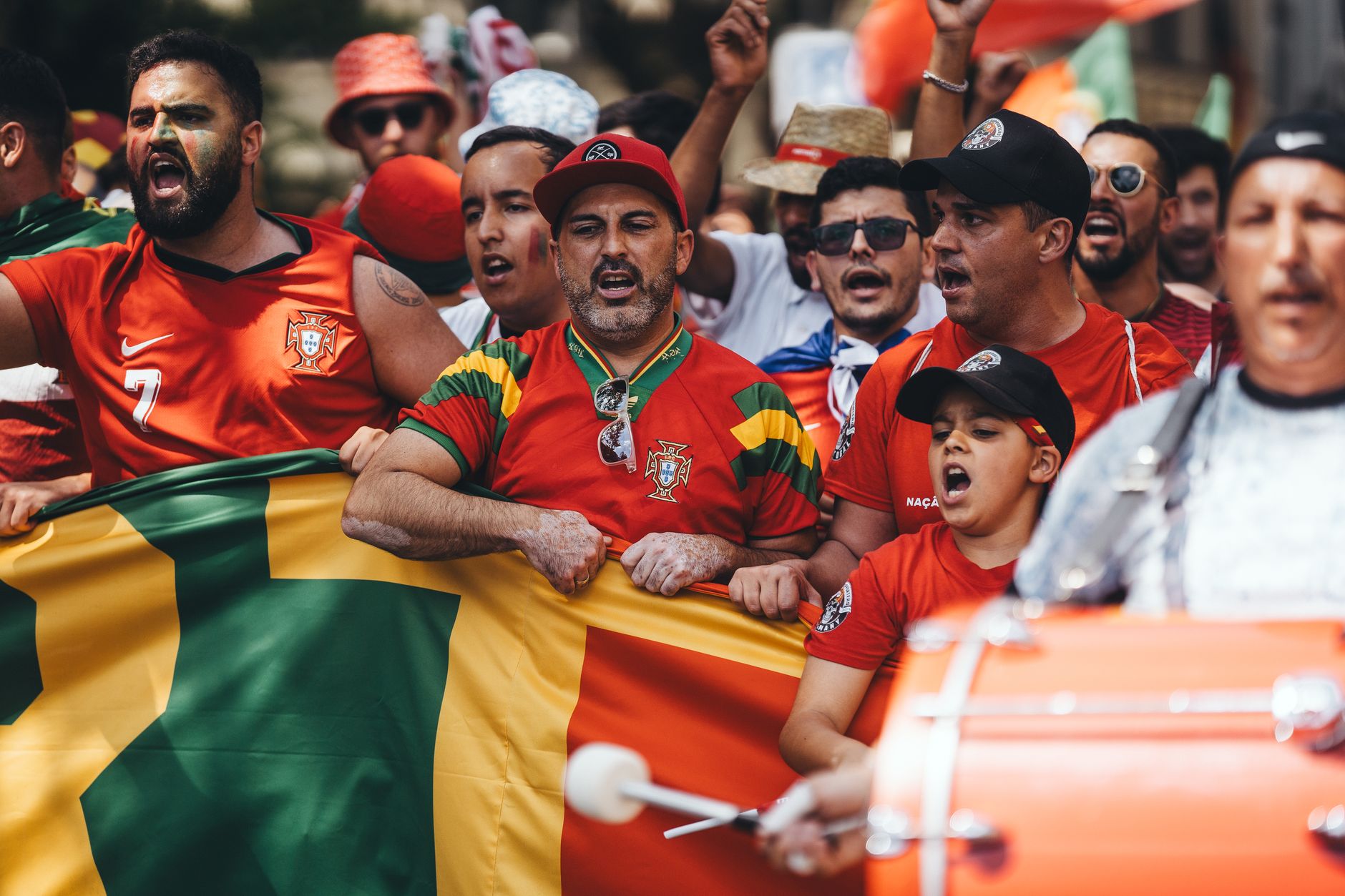
Beyond the elite players, the human impact extends to the fans, whose passion fuels the global game. For many, the World Cup's unique allure lies in its rarity – the four-year wait building anticipation and making each tournament a truly special, almost sacred, event. A biennial schedule risks diluting this magic, turning a cherished spectacle into a more commonplace occurrence. There are also financial considerations for fans, particularly those who travel internationally to support their teams. More frequent tournaments would mean increased costs for travel, accommodation, and tickets, potentially pricing out a significant portion of the global fanbase and transforming the event into an exclusive experience rather than a universal celebration. The emotional connection and the shared global experience could be fundamentally altered, losing some of its profound cultural significance.
Furthermore, the proposed changes would ripple through national leagues and smaller federations, impacting countless individuals involved in the sport at all levels. Club owners, coaches, and support staff would face unprecedented logistical challenges, navigating a calendar perpetually disrupted by international commitments. Youth development programs might struggle to adapt, as the focus shifts even more intensely towards the professional game. The dream of participating in a World Cup, for many, is a once-in-a-lifetime aspiration, and while more frequent tournaments might offer more chances, they could also create an environment of constant pressure and competition, potentially eroding the joy and purity of the sport for emerging talents. The human cost of this grand vision, from player welfare to fan engagement and grassroots development, remains a significant, often understated, consideration.
How We Got Here
The concept of a biennial World Cup is not entirely new, but it gained significant traction under FIFA President Gianni Infantino's leadership, emerging as a cornerstone of his vision for the future of global football. The idea was initially presented as a mechanism to modernize the international match calendar, which many within FIFA viewed as convoluted and inefficient. Proponents argued that a two-year cycle would generate substantially more revenue, which could then be reinvested into football development projects, particularly in less affluent confederations. This promise of increased financial distribution was a powerful incentive, designed to garner support from a broad base of national federations who often feel marginalized by the dominance of European and South American footballing powers. The narrative was clear: more World Cups meant more money, more opportunities, and greater global equity in the sport.
Infantino and his allies, most notably former Arsenal manager Arsène Wenger, who now serves as FIFA's Chief of Global Football Development, spearheaded a vigorous campaign to promote the idea. They commissioned feasibility studies, presented economic impact reports, and engaged in extensive lobbying efforts across various continents. The core argument centered on the notion that the World Cup, as football's premier event, should be more accessible and frequent, maximizing its global appeal and commercial potential. This push was also seen by some as a strategic move to consolidate FIFA's power and influence, creating a more centralized calendar that would give the global body greater control over international football, potentially at the expense of continental confederations like UEFA and CONMEBOL, who fiercely guard their own lucrative competitions.
However, the proposal quickly encountered a formidable wall of opposition. UEFA, European football's governing body, and CONMEBOL, its South American counterpart, were particularly vocal in their condemnation, citing concerns about player welfare, the dilution of the World Cup's prestige, and the potential for severe disruption to their established club competitions and continental tournaments, such as the Champions League and Copa América. Major player unions, including FIFPRO, also raised serious alarms about the increased physical and mental strain on athletes. The backlash was swift and widespread, demonstrating a deep schism within the football world. Despite FIFA's persistent efforts to build consensus, the resistance proved too strong, leading to the current impasse where the ambitious plan, once seemingly unstoppable, now appears to be on the brink of collapse, forcing Infantino to explore unconventional avenues for support.
Why This Cannot Be Ignored
The potential collapse of FIFA's biennial World Cup plan, and Infantino's desperate appeal to figures like Donald Trump, signals a profound crisis of governance and leadership within global football. This isn't merely a scheduling dispute; it exposes deep-seated power struggles between FIFA, powerful continental confederations like UEFA, and the influential club associations. The outcome of this battle will dictate the future structure of international football, determining who holds the ultimate authority over the sport's most valuable assets and its calendar. If FIFA cannot push through such a significant reform, it raises serious questions about its ability to enact any major changes without the explicit consent of its most powerful stakeholders, potentially decentralizing power in ways that could have long-lasting implications for the sport's global development and commercial landscape. The integrity of decision-making processes at the highest level is under scrutiny, demanding attention from all corners of the sporting world.
Beyond the political machinations, the debate over a biennial World Cup directly impacts player welfare, a critical issue that cannot be understated. Professional footballers are already pushed to their physical and mental limits by demanding club and international schedules. Introducing another major tournament every two years would exacerbate this strain, increasing the risk of injuries, burnout, and shortening careers. This is a human rights issue within sport, where the well-being of the athletes must take precedence over commercial aspirations. The voices of players and their unions, often overlooked, are now central to this discussion. Ignoring their concerns would set a dangerous precedent, prioritizing profit and spectacle over the health and longevity of the very individuals who make the game possible, potentially leading to widespread player disillusionment and even industrial action.
Furthermore, the commercial implications of this saga are monumental, affecting billions of dollars in broadcasting rights, sponsorship deals, and tourism revenue. A biennial World Cup promised a significant boost to FIFA's finances, but its rejection or a heavily compromised version will force a re-evaluation of future revenue streams and development budgets. This directly impacts football's ability to fund grassroots initiatives, infrastructure projects, and support smaller federations globally. The involvement of a former U.S. President also highlights the increasing politicization of sports, where commercial and geopolitical interests intertwine with athletic competition. This trend could reshape how major sporting events are organized and funded, potentially leading to more external political interference and raising ethical questions about the independence and neutrality of sports governance. The stakes are incredibly high, influencing not just the game on the pitch, but its entire economic and political ecosystem.
Possible Paths Forward
Given the widespread opposition and the apparent failure to build consensus, one of the most probable paths forward for FIFA is a strategic retreat from the biennial World Cup proposal, at least in its current form. This would involve Infantino and FIFA acknowledging the strong resistance from key stakeholders, particularly UEFA and CONMEBOL, and shelving the plan for the foreseeable future. Such a move would allow FIFA to save face, albeit with a bruised ego, and prevent further fragmentation within global football. It would also necessitate a renewed focus on reforming the existing international match calendar in a more collaborative manner, perhaps through incremental adjustments rather than a revolutionary overhaul. This path would prioritize stability and unity over radical change, aiming to mend fractured relationships and rebuild trust among the sport's most powerful entities. While a setback for Infantino's personal agenda, it might be the most pragmatic way to ensure long-term harmony.
Another potential avenue involves a significant compromise, where FIFA might propose a modified version of the biennial World Cup, perhaps with substantial concessions to address the concerns of dissenting confederations and player unions. This could include longer rest periods for players, a revamped qualification format that minimizes travel, or a revenue-sharing model that more generously compensates clubs and national leagues for the disruption. Such a compromise would require extensive negotiations and a willingness from all parties to find common ground, moving beyond their entrenched positions. The challenge lies in crafting a proposal that genuinely addresses the core objections regarding player welfare, calendar congestion, and the dilution of prestige, without completely abandoning the initial vision of increased global opportunities and revenue. This path demands intricate diplomacy and a genuine spirit of collaboration.
A less likely, but still plausible, scenario involves FIFA attempting to push through the biennial World Cup with the support of a minority of federations, potentially creating a parallel or breakaway structure for the tournament. This would be an incredibly risky and confrontational approach, almost certainly leading to a full-blown civil war within football, with legal battles, boycotts, and potentially devastating consequences for the sport's global unity. The reported outreach to figures like Donald Trump suggests a willingness to explore unconventional political alliances, but it is highly improbable that such external influence could overcome the entrenched opposition from the sport's traditional powerhouses. This path would represent a desperate gamble, with the potential to irrevocably damage FIFA's credibility and the very fabric of international football, leading to an uncertain and highly volatile future for the sport.
Questions People Are Actually Asking
What to Watch
- **FIFA's Next Move:** Observe any official statements or proposals from FIFA regarding the international match calendar. Will they formally withdraw the biennial World Cup plan, or will they present a significantly revised, more conciliatory version to address widespread concerns?
- **UEFA and CONMEBOL's Stance:** Pay close attention to the continued unified front from European and South American football bodies. Their unwavering opposition has been crucial, and any softening or new initiatives from their side could signal a shift in the power dynamics.
- **Player Union Engagement:** Monitor statements and actions from player unions like FIFPRO. Their advocacy for player welfare is a critical factor, and any organized resistance or new demands from athletes could further complicate FIFA's strategic options.
- **Political and Diplomatic Interventions:** Keep an eye on any further reports of political figures, like Donald Trump, being drawn into the debate. The involvement of non-football entities could indicate a broader, more complex lobbying effort by FIFA or its opponents.
- **Impact on Club Competitions:** Watch for how major club competitions, particularly the UEFA Champions League, react to the ongoing calendar discussions. Any changes to the international schedule will inevitably affect club football, potentially leading to new conflicts or adaptations.
- **Financial Implications:** Analyze any new financial reports or projections from FIFA and major confederations. The commercial viability of future tournaments and development funds hinges on these decisions, and any significant shifts will reveal the true economic cost or benefit of the current impasse.




Comments
No comments yet. Be the first to comment!