
Key Takeaways
- Robert F. Kennedy Jr., a prominent figure known for his skepticism regarding certain vaccines, has issued a surprising and direct recommendation for parents to vaccinate their children against measles, a critical shift in his public health stance.
- The United States is currently grappling with a significant surge in measles cases, reaching levels not seen in decades, prompting widespread concern among public health officials and medical professionals.
- Measles, a highly contagious viral disease, can lead to severe complications, including pneumonia, encephalitis, and even death, especially in young children and immunocompromised individuals, underscoring the urgency of vaccination.
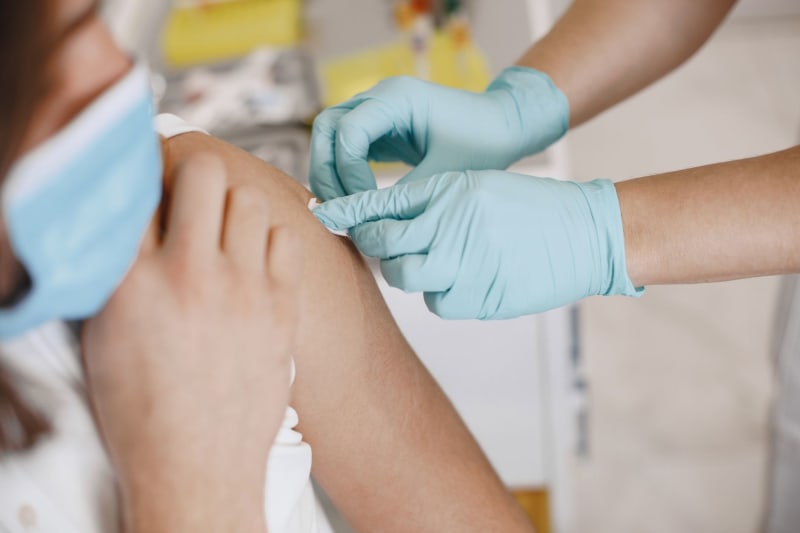
- Public health authorities, including the Centers for Disease Control and Prevention (CDC), have consistently advocated for the measles, mumps, and rubella (MMR) vaccine as the safest and most effective defense against the disease.
- This unexpected endorsement from RFK Jr. could potentially influence a segment of the population previously hesitant about vaccination, highlighting the critical importance of protecting vulnerable communities.
- The current outbreak underscores the fragility of herd immunity and the necessity of maintaining high vaccination rates to prevent the resurgence of preventable diseases that pose a significant threat to public health.
Background
The United States is currently experiencing a concerning resurgence of measles, a highly contagious and potentially severe disease that was once considered largely eradicated due to widespread vaccination efforts. This alarming trend has prompted public health officials to issue urgent warnings and reinforce the critical importance of vaccination. The Centers for Disease Control and Prevention (CDC) has reported a significant uptick in cases across multiple states, with many linked to international travel and subsequent community transmission. This situation highlights a dangerous erosion of herd immunity in certain populations, making communities more vulnerable to outbreaks.
Against this backdrop, Robert F. Kennedy Jr., a presidential candidate and a figure widely associated with vaccine skepticism, has made a remarkable and unexpected public statement. Kennedy, who has historically raised concerns about vaccine safety and efficacy, recently urged American families to vaccinate their children against measles. This recommendation marks a notable departure from his past rhetoric and has garnered significant attention from both supporters and critics alike. His call to action comes at a crucial time when public trust in health institutions and vaccination programs is under scrutiny, making his endorsement particularly impactful.
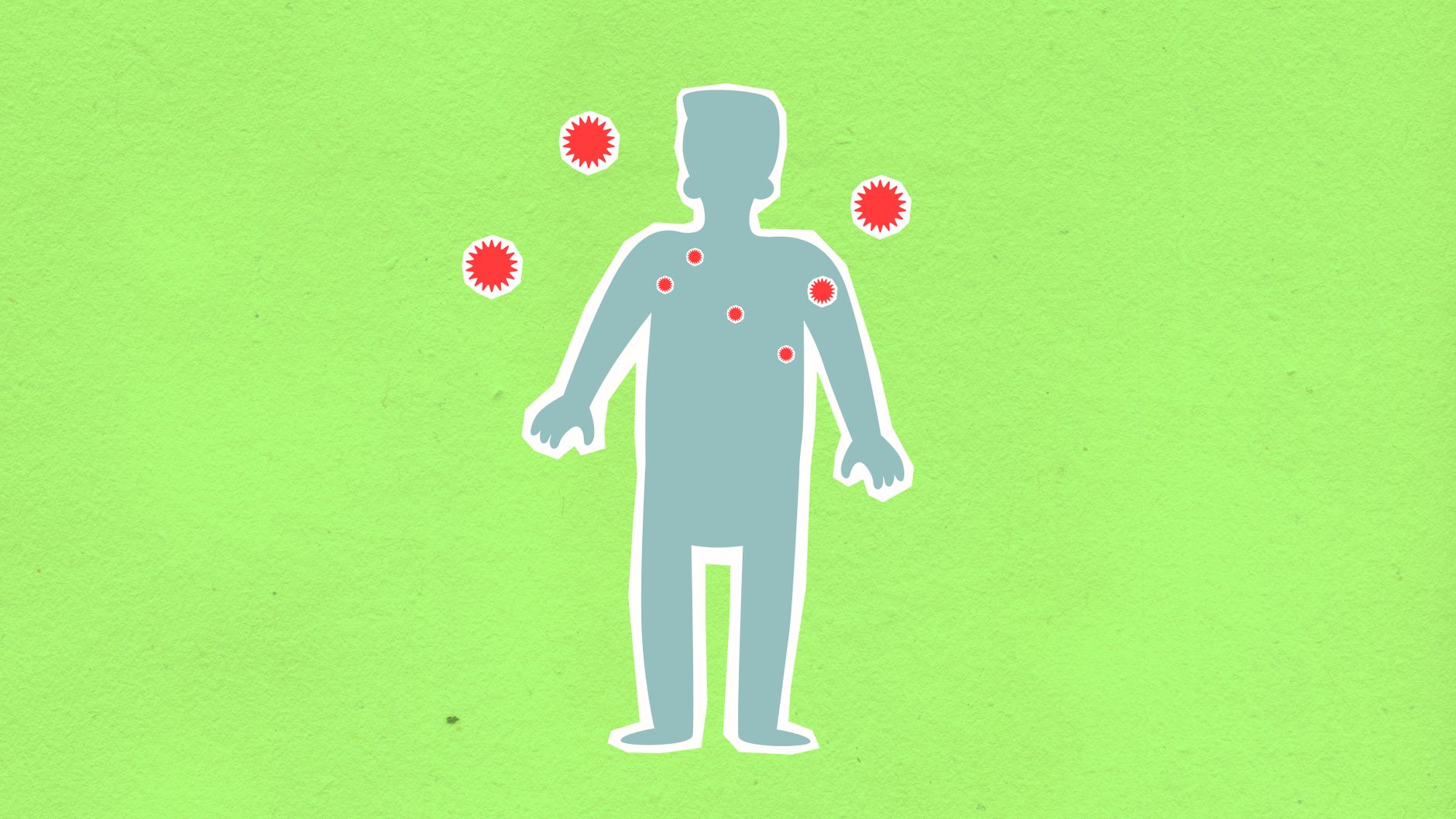
The measles virus is incredibly infectious, capable of spreading through the air when an infected person coughs or sneezes, and can remain viable in the air or on surfaces for up to two hours. Symptoms typically include a high fever, cough, runny nose, red and watery eyes, followed by a characteristic rash. While often perceived as a childhood illness, measles can lead to serious complications such as pneumonia, encephalitis (brain swelling), and even death, especially in infants, young children, and individuals with compromised immune systems. The current outbreak serves as a stark reminder of the disease's potential severity and the vital role of vaccination in preventing its spread and protecting public health.
Why It Matters
Robert F. Kennedy Jr.'s unexpected endorsement of measles vaccination carries significant weight, primarily because of his established public profile as a vocal critic of certain vaccines. For years, Kennedy has been a leading voice in the anti-vaccine movement, fostering skepticism and contributing to vaccine hesitancy among a segment of the population. His sudden pivot on measles vaccination could potentially sway individuals who previously aligned with his views, offering a crucial opportunity to reinforce the importance of established public health measures. This shift is not merely a personal change of heart; it represents a powerful, albeit surprising, validation of the scientific consensus on the MMR vaccine's efficacy and safety, especially in the face of a rapidly escalating public health crisis.
The current measles outbreak is not just a localized health concern; it is a stark indicator of broader vulnerabilities within the nation's public health infrastructure and collective immunity. Declining vaccination rates in certain communities have created pockets of susceptibility, allowing a highly contagious disease like measles to regain a foothold. This situation threatens not only unvaccinated individuals but also those who cannot be vaccinated due to medical conditions, such as infants too young for the vaccine or individuals with weakened immune systems. The resurgence of measles underscores the critical concept of 'herd immunity,' where a high percentage of vaccinated individuals protects the entire community, preventing outbreaks and safeguarding the most vulnerable among us.
Beyond the immediate health risks, the re-emergence of measles carries substantial societal and economic costs. Outbreaks necessitate extensive public health responses, including contact tracing, isolation protocols, and emergency vaccination clinics, diverting resources and attention from other pressing health issues. Schools and workplaces may face disruptions, and the fear of contagion can impact daily life. More profoundly, the return of a preventable disease like measles erodes public trust in scientific advancements and collective health efforts. Kennedy's statement, regardless of its motivation, offers a glimmer of hope that a broader consensus on essential vaccinations might be achievable, helping to rebuild confidence and reinforce the foundational principles of public health.
Ground Reality
The current measles outbreak is a stark and undeniable reality across the United States. Health departments in multiple states are reporting confirmed cases, many of which are linked to international travel and have subsequently spread within communities where vaccination rates have dipped below the critical threshold required for herd immunity. This situation is particularly concerning because measles is one of the most contagious diseases known to man; a single infected person can transmit the virus to 9 out of 10 unvaccinated people they come into close contact with. The rapid spread is overwhelming local public health resources, forcing officials to dedicate significant efforts to contact tracing, quarantine enforcement, and public awareness campaigns, all to contain a disease that was once virtually eliminated.
In affected areas, the impact is palpable. Schools are grappling with potential closures or strict exclusion policies for unvaccinated students, creating logistical nightmares for families and educators. Parents are facing difficult decisions, weighing the risks of exposure against the disruption to their children's education and daily routines. Healthcare facilities are on high alert, implementing enhanced infection control measures to prevent nosocomial transmission and preparing for a potential influx of patients with severe measles complications, which can include pneumonia, ear infections, diarrhea, and in rare but devastating cases, encephalitis leading to permanent brain damage or death. The psychological toll on communities, marked by anxiety and fear, is also a significant aspect of this unfolding crisis.
Robert F. Kennedy Jr.'s call for measles vaccination, while surprising, is being met with a mix of reactions on the ground. For public health officials and medical professionals, it's a welcome, albeit belated, acknowledgment of scientific consensus from an influential figure. They hope it will encourage hesitant parents to reconsider vaccination, thereby bolstering community immunity. However, some of his long-time followers may view it with confusion or even suspicion, questioning the consistency of his stance. Regardless, the immediate ground reality is that the measles virus continues to circulate, and the most effective defense remains the MMR vaccine. The urgency of the situation demands that every eligible individual be vaccinated to protect themselves and their community from this dangerous, yet preventable, disease.
What Experts Are Saying
Public health experts and infectious disease specialists universally emphasize the critical importance of the measles, mumps, and rubella (MMR) vaccine as the safest and most effective defense against measles. Dr. Anthony Fauci, former director of the National Institute of Allergy and Infectious Diseases, has consistently highlighted that the MMR vaccine is overwhelmingly safe and highly effective, with two doses providing approximately 97% protection against measles. He stresses that the current outbreaks are a direct consequence of declining vaccination rates, underscoring the scientific consensus that widespread vaccination is the only viable strategy to prevent the resurgence of this dangerous disease and protect vulnerable populations.
The Centers for Disease Control and Prevention (CDC) has reiterated its strong recommendation for all eligible individuals to receive the MMR vaccine. Dr. Mandy Cohen, the current CDC Director, has publicly stated that measles is 'one of the most contagious diseases there is' and that the vaccine is the 'best tool we have to protect ourselves and our communities.' Experts at the CDC are actively monitoring the outbreaks, providing guidance to state and local health departments, and urging healthcare providers to ensure their patients are up-to-date on their vaccinations. They also caution against misinformation, emphasizing that the scientific evidence overwhelmingly supports the vaccine's safety and efficacy, debunking common myths and misconceptions.
Many pediatricians and family physicians across the country are echoing these sentiments, expressing concern over the increasing number of unvaccinated children. Dr. Yvonne Maldonado, a professor of pediatrics and infectious diseases at Stanford University, has noted that measles can be particularly severe in young children, leading to hospitalization and long-term complications. She, along with numerous other medical professionals, views Robert F. Kennedy Jr.'s recent call for vaccination as a positive, albeit surprising, development. While acknowledging his past stance, experts hope that his statement will encourage some vaccine-hesitant parents to consult with their doctors and make informed decisions based on scientific evidence, ultimately contributing to higher vaccination coverage and stronger community immunity against measles.

Frequently Asked Questions
What Happens Next
The immediate future will likely see continued efforts by public health agencies to contain the current measles outbreaks. This involves intensified contact tracing, isolation of confirmed cases, and proactive vaccination campaigns in affected communities. Health officials will continue to monitor vaccination rates closely, particularly in areas identified as having lower coverage, and will work to disseminate accurate information about the MMR vaccine. The CDC and state health departments are expected to maintain their vigilant surveillance, adapting their strategies as the situation evolves, with a primary goal of preventing further widespread transmission and protecting vulnerable populations from this highly contagious disease.
Robert F. Kennedy Jr.'s recent statement could have a dual impact. On one hand, it might encourage some vaccine-hesitant individuals, particularly those who follow his political or health views, to reconsider measles vaccination, potentially leading to a slight uptick in MMR uptake in certain demographics. This would be a positive development for public health. On the other hand, it may also spark further debate and scrutiny regarding his overall stance on vaccines, as critics and supporters alike analyze the nuances of his position. The long-term effect of his statement on broader vaccine confidence remains to be seen, but it undoubtedly adds a new layer to the ongoing public discourse around immunization.
Looking ahead, the ongoing measles outbreaks serve as a critical reminder of the importance of maintaining robust public health infrastructure and high vaccination rates globally. The interconnectedness of the world means that diseases can rapidly cross borders, necessitating continuous vigilance and strong international cooperation. Experts will likely use this moment to advocate for sustained funding for immunization programs, public health education, and research into vaccine hesitancy. The hope is that this current crisis will galvanize collective action, reinforcing the understanding that preventable diseases like measles require a unified and scientifically informed approach to safeguard the health of all communities.








Comments
No comments yet. Be the first to comment!