
Policy Snapshot
- Ukraine's military doctrine has increasingly emphasized long-range strike capabilities, aiming to disrupt Russian logistics and command centers deep within occupied territories and even Russia itself. This strategic shift is a direct response to Russia's sustained aggression and its targeting of Ukrainian civilian infrastructure.
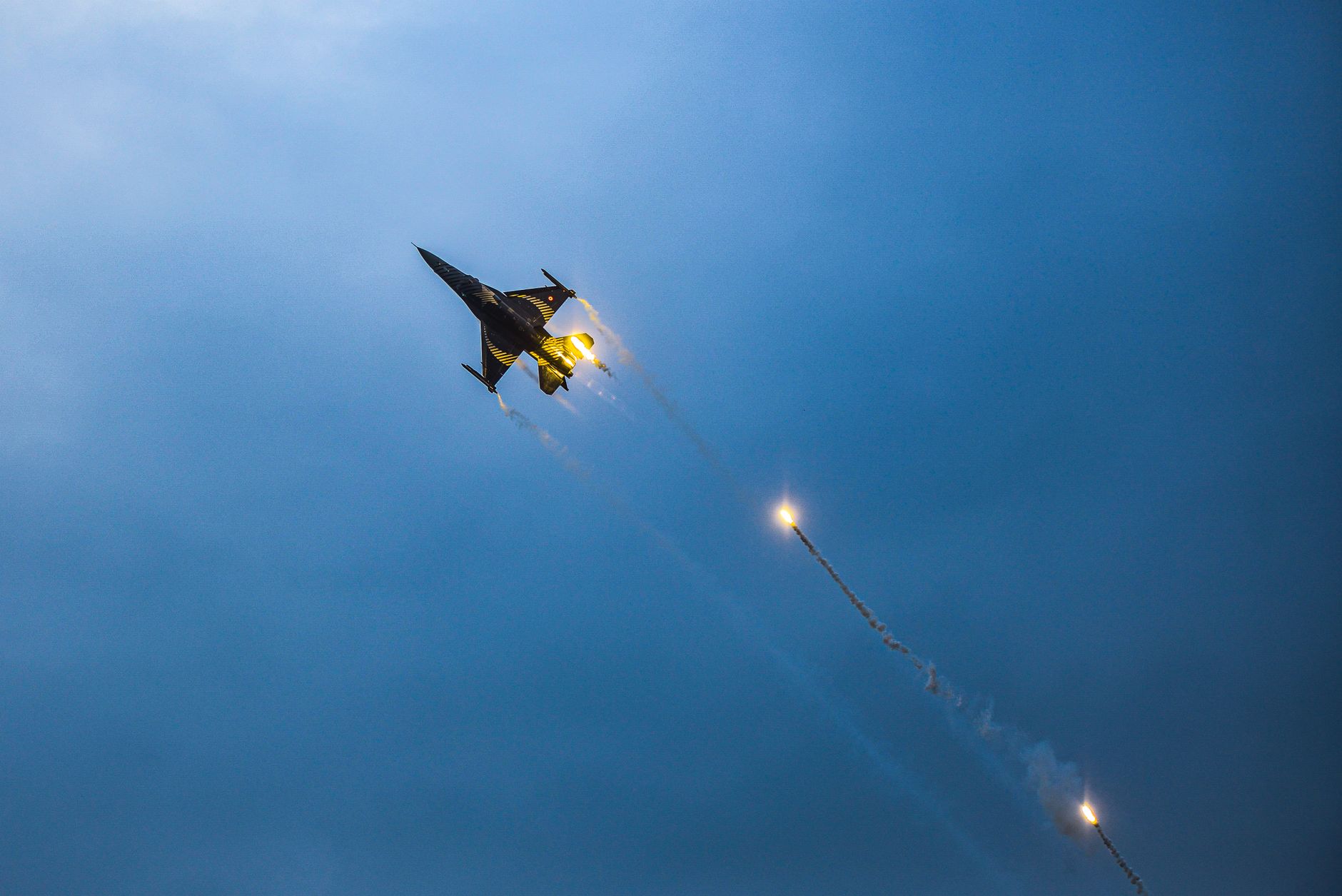
- Russia's retaliatory strikes, often involving cruise missiles and Shahed drones, are frequently characterized by their indiscriminate nature, impacting residential areas and critical civilian infrastructure. International bodies continue to condemn these actions as potential war crimes, highlighting the urgent need for adherence to international humanitarian law.
- Western allies, particularly the United States and European Union, have maintained a policy of supplying Ukraine with defensive weaponry and intelligence, while generally imposing limitations on the use of their donated arms for strikes deep inside Russian territory. This delicate balance aims to support Ukraine without provoking a direct NATO-Russia confrontation.
- The United Nations and various humanitarian organizations are consistently calling for de-escalation and protection of civilians, emphasizing the devastating human cost of the conflict. Their policy recommendations often include establishing humanitarian corridors and ensuring accountability for violations of international law.
- Both nations have largely rejected calls for a comprehensive ceasefire, with each side demanding preconditions that the other finds unacceptable. Russia insists on Ukraine's demilitarization and neutrality, while Ukraine demands the full withdrawal of Russian forces from all its internationally recognized territories.
- The international community remains divided on the most effective path to peace, with some advocating for increased military aid to Ukraine to achieve a decisive victory, while others press for diplomatic solutions and negotiations, even if they involve territorial concessions, to halt the immediate violence.
The Policy History
The current escalation in long-range strikes is not an isolated event but rather the latest chapter in a conflict that began in 2014 and intensified dramatically with Russia's full-scale invasion in February 2022. Initially, Ukraine's military capabilities were largely defensive and focused on holding front lines. However, as the war progressed and Russia continued to target cities far from the front, Ukraine adapted its strategy, developing or acquiring longer-range precision weapons. This strategic evolution was driven by the necessity to degrade Russia's ability to wage war, specifically by striking supply lines, fuel depots, and command posts that were previously considered out of reach. The shift marked a pivotal moment, signaling Ukraine's intent to broaden the scope of its defensive operations.
Russia's consistent use of long-range missiles and drones against Ukrainian cities, energy infrastructure, and civilian targets has been a defining feature of the conflict. These attacks, often occurring far from active combat zones, have aimed to break Ukrainian morale, cripple its economy, and undermine its military's logistical support. The international community, particularly Western nations, has responded by imposing unprecedented sanctions on Russia and providing substantial military and financial aid to Ukraine. This aid has included advanced air defense systems, which have become crucial in mitigating the impact of Russian aerial assaults, though they cannot intercept every incoming threat.
The policy debate surrounding the use of Western-supplied weapons for strikes inside Russia has been contentious. While allies have generally supported Ukraine's right to self-defense, there has been a cautious approach to providing weapons that could be used for deep strikes into Russian territory, fearing potential escalation. However, as Russia's attacks intensified and its forces gained ground, the narrative has begun to shift, with some allies now openly discussing or even permitting the limited use of their donated weaponry for cross-border strikes, particularly against military targets directly involved in attacks on Ukraine. This evolving policy reflects the dynamic nature of the conflict and the continuous re-evaluation of strategies to support Ukraine effectively.
Who Is Affected
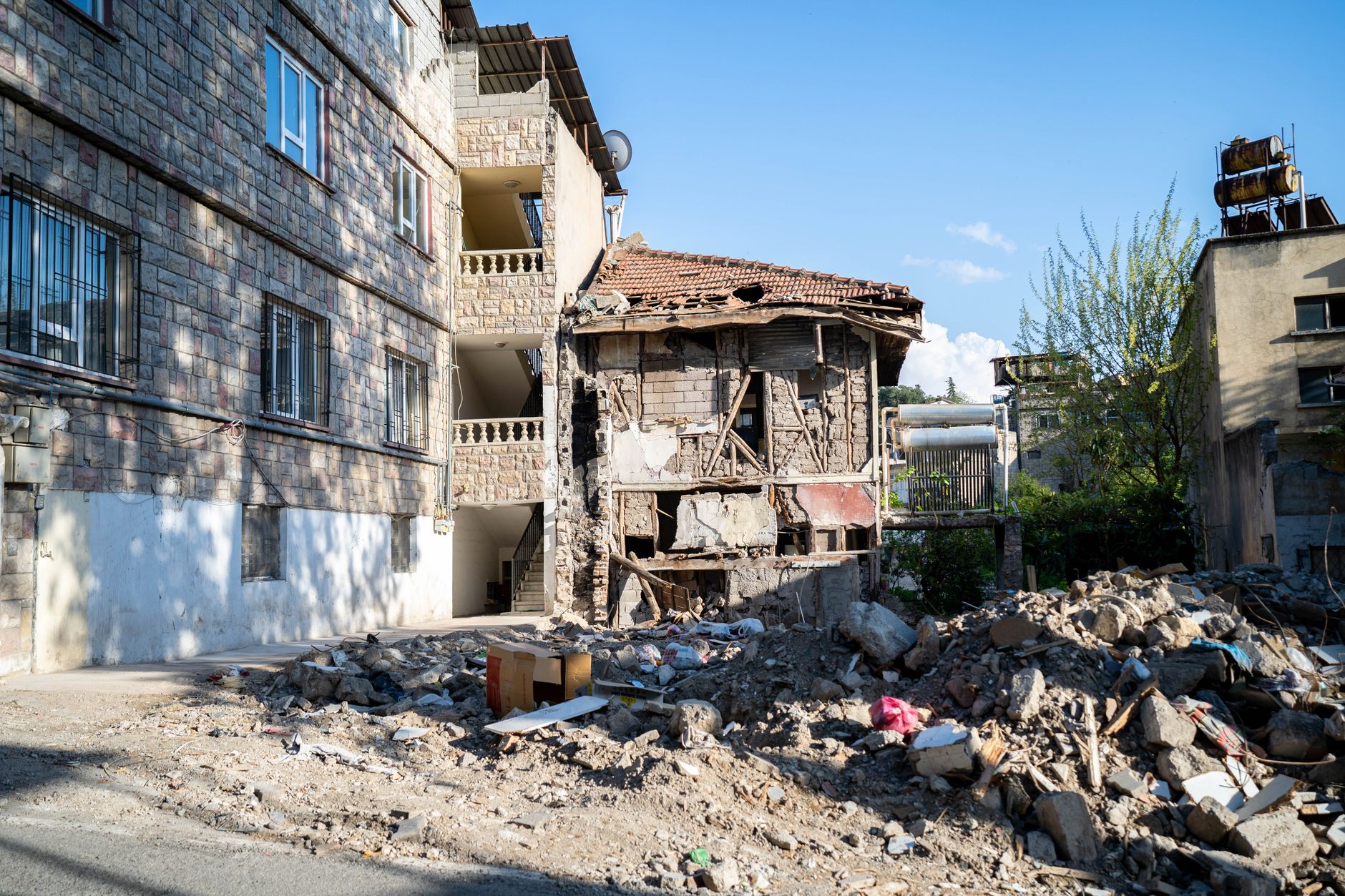
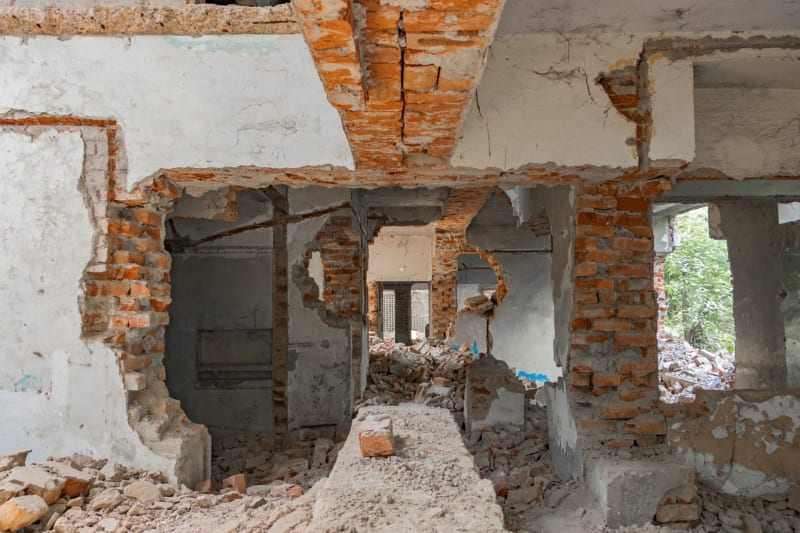
The most immediate and devastating impact of these escalating long-range strikes falls squarely on the civilian populations of both Ukraine and, to a lesser extent, Russia. In Ukraine, cities like Kyiv, Kharkiv, and Odesa have repeatedly endured barrages of missiles and drones, leading to mass casualties, destruction of residential buildings, and critical infrastructure damage. Families are torn apart, homes are reduced to rubble, and the psychological toll on survivors is immense. Essential services, including electricity, water, and heating, are frequently disrupted, plunging millions into precarious conditions, especially during harsh winter months. The constant threat of attack forces residents to seek shelter, disrupting daily life and creating an pervasive atmosphere of fear and uncertainty.
Beyond the direct casualties, the economic fabric of both nations is severely strained. Ukraine's economy has been decimated, with vital industries and agricultural lands impacted by the conflict. The ongoing destruction of infrastructure, from power plants to transportation networks, hinders recovery efforts and exacerbates the humanitarian crisis. In Russia, while the direct civilian impact of Ukrainian strikes has been less widespread, border regions and cities like Belgorod have experienced increased attacks, leading to civilian deaths, injuries, and property damage. This creates a localized sense of insecurity and economic disruption, diverting resources towards defense and reconstruction efforts.
Internationally, the escalation of these strikes carries significant geopolitical ramifications. Global energy markets remain volatile, with disruptions to supply chains and increased prices affecting consumers worldwide. Humanitarian organizations are overwhelmed by the scale of displacement and need, struggling to provide adequate aid to millions of refugees and internally displaced persons. The risk of miscalculation or accidental escalation between major powers remains a constant concern, particularly as the conflict draws in more advanced weaponry and targets. This ongoing violence threatens to destabilize not just Eastern Europe, but the broader international order, demanding urgent diplomatic engagement and a renewed commitment to peace.
The Case For
Proponents of Ukraine's long-range strikes argue that these actions are a legitimate and necessary component of self-defense against an aggressor. By targeting military installations, supply depots, and command centers deep within Russian-occupied territories and Russia itself, Ukraine aims to degrade Russia's capacity to wage war. This strategy is seen as crucial for disrupting the logistical chains that fuel the front lines, thereby reducing the intensity of Russian assaults and protecting Ukrainian soldiers. Without the ability to strike back at the source of Russian aggression, Ukraine would be left in a purely defensive posture, continuously absorbing attacks without the means to effectively counter them.
Furthermore, advocates contend that these strikes serve as a deterrent. By demonstrating the ability to inflict costs on Russia, Ukraine seeks to compel Moscow to reconsider its aggressive actions and potentially come to the negotiating table on more equitable terms. The argument posits that if Russia believes its territory and military assets are invulnerable, it will have little incentive to cease its invasion. Therefore, extending the reach of Ukrainian strikes is not merely about destruction, but about creating strategic leverage and altering Russia's calculus regarding the sustainability and cost of its war efforts. This proactive defense is vital for shifting the dynamics of the conflict.
Finally, the case for long-range strikes is often framed within the context of international law, specifically the right of a sovereign nation to defend itself from aggression. Ukraine, as the victim of an unprovoked invasion, is legally entitled to use all necessary means to repel the aggressor and restore its territorial integrity. Limiting Ukraine's ability to strike legitimate military targets, regardless of their location, would effectively tie its hands and undermine its capacity for effective defense. This perspective emphasizes that the responsibility for the escalation lies with the initial aggressor, and Ukraine's actions are a direct, proportional response to ongoing hostile acts.
The Case Against
Critics of the escalating long-range strikes, particularly those impacting civilian areas, raise profound humanitarian and strategic concerns. The primary argument against these actions centers on the increased risk to civilian lives and infrastructure. When strikes occur in or near populated areas, regardless of the intended military target, there is an inherent danger of collateral damage, leading to innocent deaths and injuries. This not only violates international humanitarian law, which mandates the protection of civilians, but also fuels a cycle of retaliation, where each side's strikes provoke further, often more severe, counter-strikes, trapping civilians in an ever-worsening spiral of violence and destruction. The moral imperative to protect non-combatants should always take precedence.
From a strategic perspective, opponents argue that these strikes, especially those deep within Russian territory, carry a significant risk of escalating the conflict beyond its current parameters. Such actions could be perceived by Russia as a direct threat to its national security, potentially provoking a more aggressive and unpredictable response, including the use of more destructive weaponry or even a broader conflict involving NATO. This 'slippery slope' argument suggests that while Ukraine has a right to self-defense, there must be a careful consideration of the potential consequences of certain actions, particularly those that could lead to an uncontrollable escalation with global implications. The long-term goal of peace could be jeopardized by short-term tactical gains.
Furthermore, some analysts contend that while long-range strikes might offer temporary tactical advantages, they do not fundamentally alter the strategic balance of power or bring the conflict closer to a resolution. Instead, they may harden positions on both sides, making diplomatic solutions even more elusive. The focus, according to this viewpoint, should remain on strengthening Ukraine's defensive capabilities, securing its existing territories, and pursuing robust diplomatic channels to achieve a sustainable peace. Excessive reliance on offensive long-range strikes risks alienating potential international mediators and diverting resources from more effective, less escalatory strategies for ending the conflict.
Policy Questions Answered
Implementation Watch
Monitoring the implementation of policies related to long-range strikes is crucial for understanding the evolving dynamics of the Russia-Ukraine conflict. On the Ukrainian side, the effectiveness of their long-range strategy hinges on the consistent supply of advanced Western weaponry and their ability to integrate these systems into their operational planning. This involves not only receiving the hardware but also training personnel, developing sophisticated targeting intelligence, and maintaining these complex systems under combat conditions. The rate at which Ukraine can acquire and deploy these capabilities directly impacts its ability to disrupt Russian logistics and command structures, thereby shaping the battlefield.
For Russia, the implementation of its long-range strike policy involves continuous adaptation to Ukrainian air defenses and counter-measures. This includes varying attack vectors, deploying new drone models, and potentially developing more sophisticated missile evasion techniques. The effectiveness of these strikes is measured by their ability to degrade Ukrainian infrastructure, military assets, and civilian morale, while minimizing losses of expensive munitions. International sanctions, however, continue to challenge Russia's ability to produce or acquire high-tech components for its precision weaponry, forcing it to seek alternatives and potentially impacting the quality and quantity of its long-range arsenal.
From an international policy perspective, observing the implementation of restrictions on Western-supplied weapons is paramount. While some allies have recently eased restrictions, allowing Ukraine to use their weapons for limited strikes into Russian territory, the precise scope and impact of these changes are under close scrutiny. The international community is watching to see if these policy shifts lead to a strategic advantage for Ukraine without triggering an uncontrollable escalation. Furthermore, efforts to enforce accountability for war crimes and violations of international humanitarian law, particularly concerning strikes on civilian targets, remain a critical area of implementation watch, with ongoing investigations and evidence collection by various international bodies.









Comments
No comments yet. Be the first to comment!