
Policy Snapshot
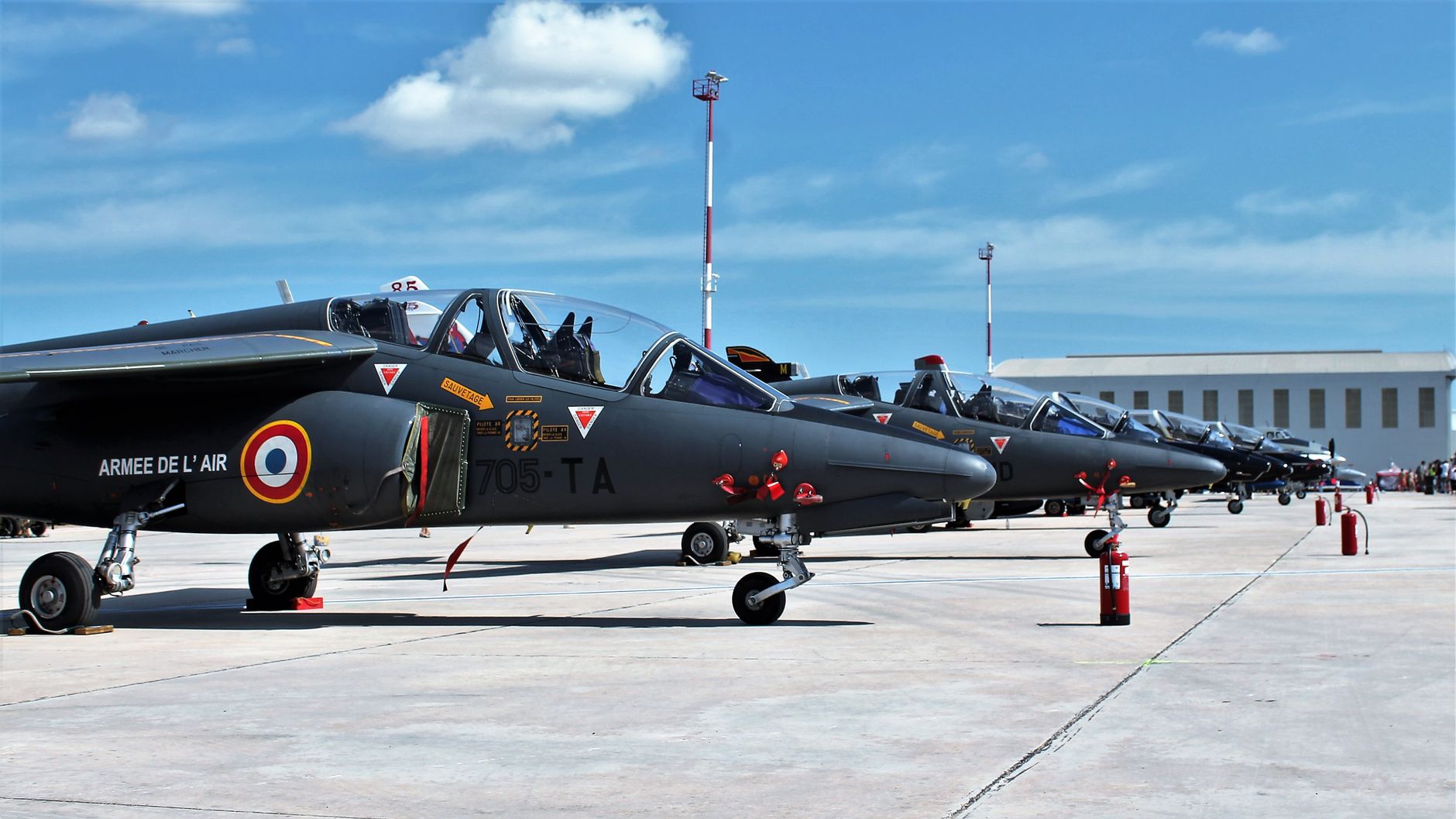
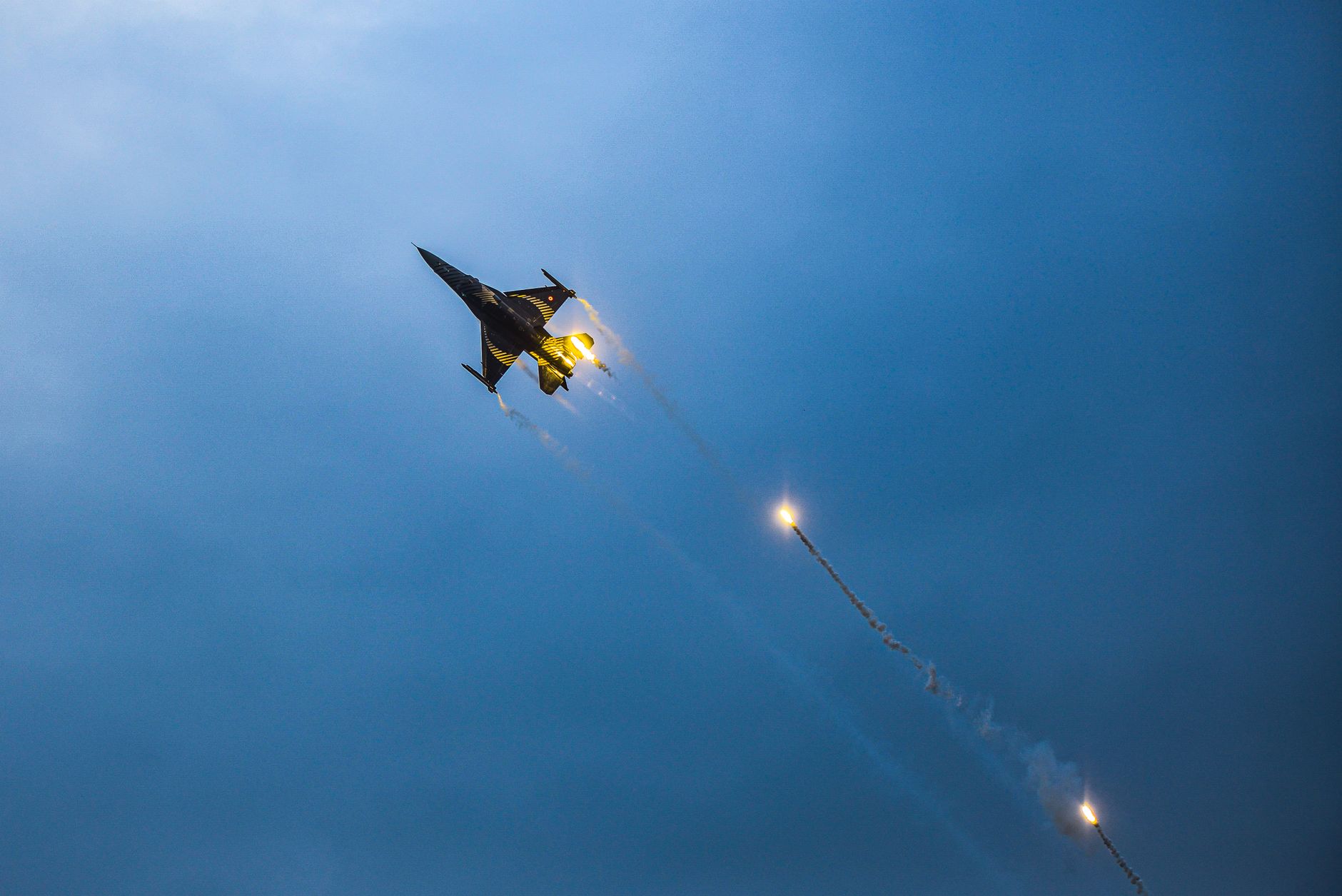
- The United States maintains a robust naval presence in the Persian Gulf, primarily through the Fifth Fleet, to ensure freedom of navigation and deter aggression in vital international waterways like the Strait of Hormuz.
- Iran's stated policy emphasizes its sovereign right to control its territorial waters and respond to perceived threats, often leading to confrontational stances regarding foreign military presence and shipping activities in the Strait.
- International maritime law dictates the right of innocent passage through straits used for international navigation, a principle the US and its allies consistently uphold and advocate for in the Strait of Hormuz.
- Sanctions policy remains a cornerstone of US strategy towards Iran, aiming to pressure Tehran over its nuclear program, ballistic missile development, and regional destabilizing activities, significantly impacting Iran's economy and its approach to international relations.
- Diplomatic engagement, despite current setbacks and conflicting reports, remains a critical, albeit fragile, component of international efforts to de-escalate tensions and seek a peaceful resolution to the Iranian nuclear issue and regional security concerns.
- The Strait of Hormuz is a critical chokepoint for global oil shipments, making any disruption or incident there a matter of immediate international concern, prompting swift policy responses from major powers to safeguard energy security and maritime trade.
The Policy History
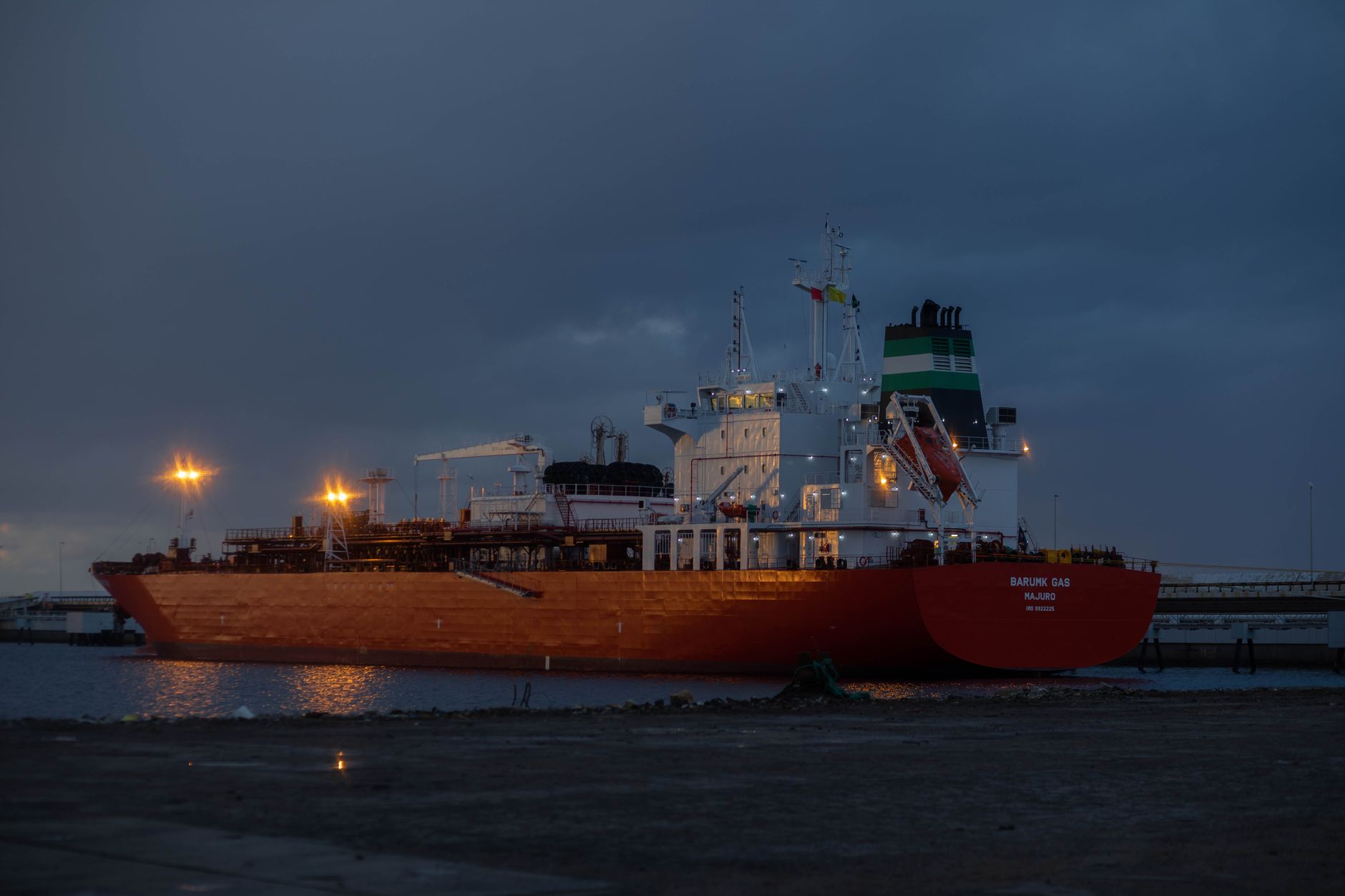
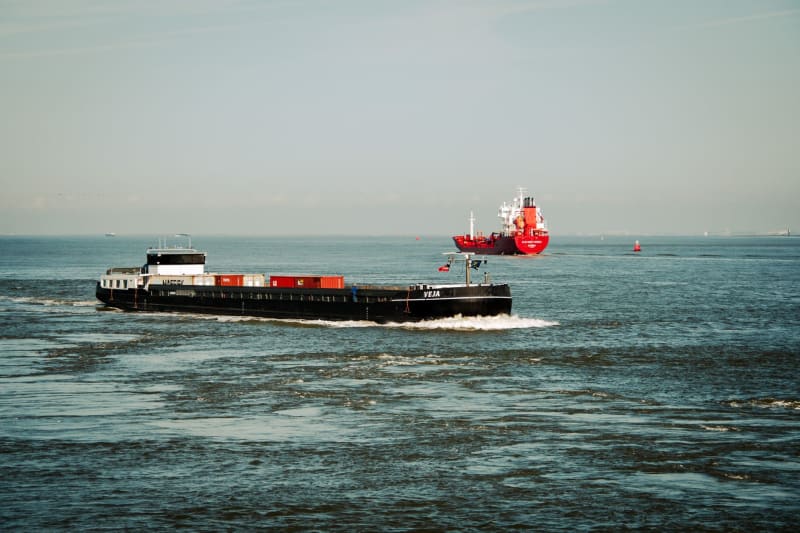
The Strait of Hormuz has long been a flashpoint in international relations, particularly between the United States and Iran. This narrow waterway, a critical chokepoint for global oil transit, has witnessed numerous incidents over decades, ranging from naval confrontations during the Iran-Iraq War to more recent seizures of commercial vessels. Each incident, regardless of its scale, underscores the inherent fragility of peace in a region vital to global energy security. The historical context reveals a pattern of escalating tensions, often triggered by geopolitical shifts, economic sanctions, or perceived provocations, making the current cargo ship incident a deeply concerning continuation of this volatile narrative.
US policy in the Gulf has consistently focused on maintaining freedom of navigation and deterring Iranian aggression, largely through a significant military presence. This posture, while intended to stabilize the region, is often viewed by Iran as an act of provocation and a violation of its sovereignty. Conversely, Iran's assertive actions, including missile tests and support for regional proxies, are seen by the US and its allies as destabilizing and a direct threat to international shipping and regional security. This fundamental divergence in perspectives fuels a cycle of mistrust and tit-for-tat actions, making any diplomatic breakthrough incredibly challenging and precarious.
The backdrop of the 2015 Joint Comprehensive Plan of Action (JCPOA), and its subsequent unraveling after the US withdrawal, looms large over current diplomatic efforts. The agreement, intended to curb Iran's nuclear program in exchange for sanctions relief, represented a brief period of reduced tensions. Its collapse, however, led to the re-imposition of crippling sanctions and a renewed escalation of Iran's nuclear activities, pushing the region back to the brink. The current conflicting claims about ongoing talks highlight the deep chasm that still exists between Washington and Tehran, making any path forward fraught with historical grievances and profound policy disagreements.
Who Is Affected
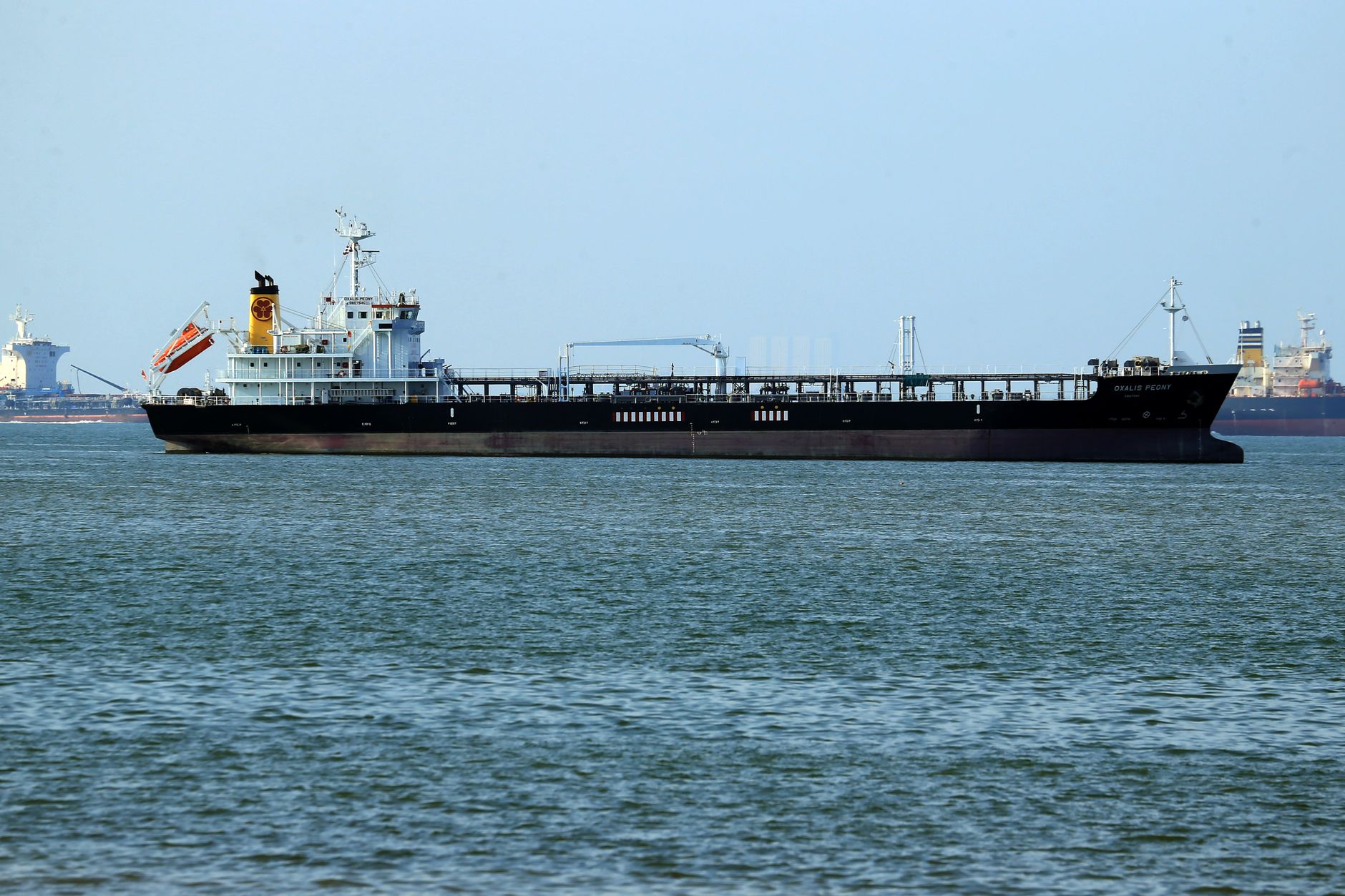
The immediate and most direct impact of any incident in the Strait of Hormuz falls upon global shipping companies and their crews. These vessels, often carrying vast quantities of oil and other goods, navigate a perilous route, constantly under threat of attack, seizure, or accidental engagement. The financial implications are enormous, encompassing increased insurance premiums, potential delays, and the devastating cost of damaged cargo or vessels. Beyond the economic burden, the human cost is immeasurable, as seafarers face heightened risks to their safety and well-being, often caught in geopolitical crossfires far beyond their control. This incident serves as a stark reminder of the vulnerability of those who keep global trade moving.
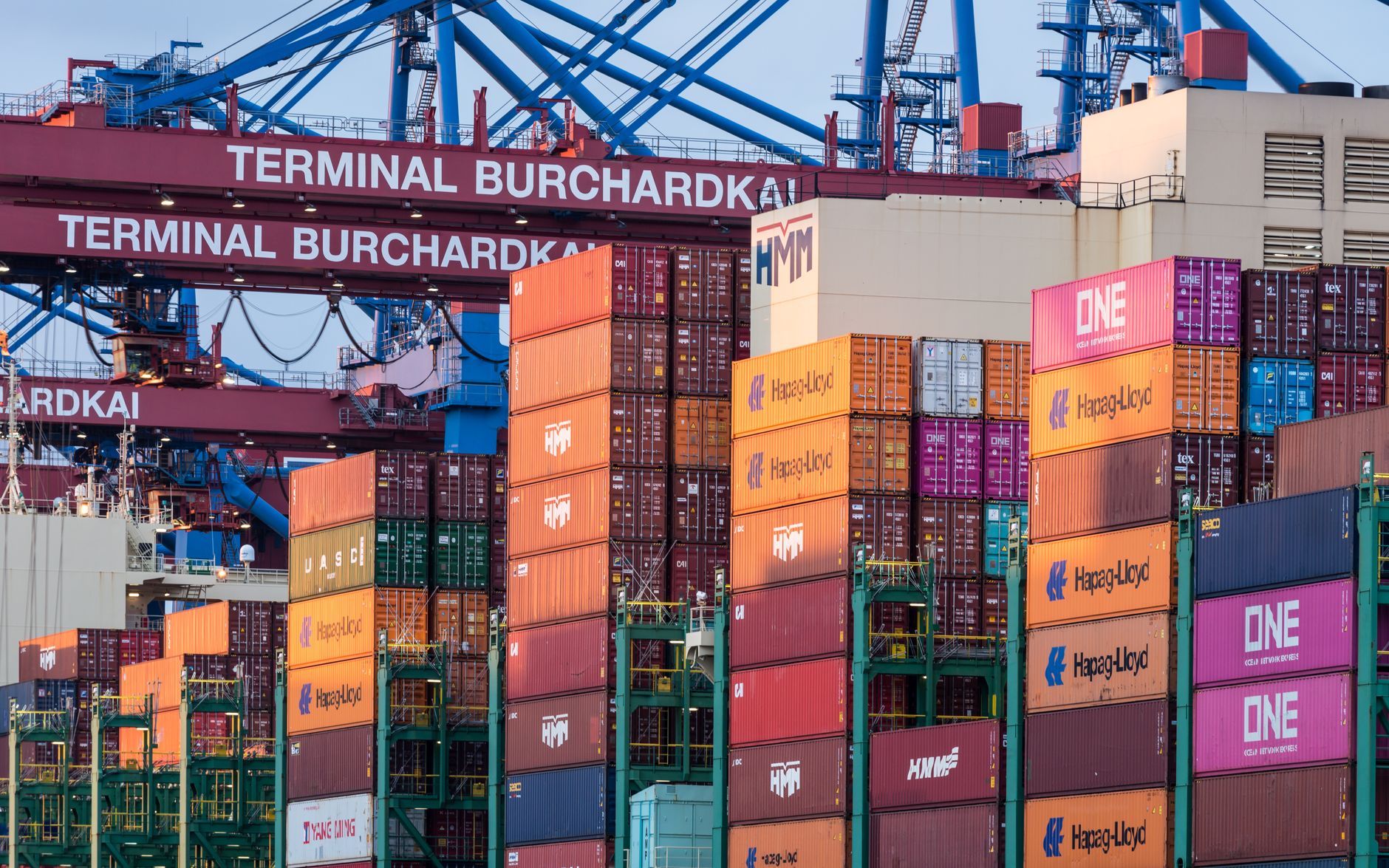
Beyond the maritime industry, global energy markets are acutely sensitive to any disruption in the Strait. As approximately one-fifth of the world's oil supply passes through this narrow channel, even a minor incident can trigger immediate spikes in oil prices, creating ripple effects across economies worldwide. Consumers feel the pinch at the gas pump, industries face higher operational costs, and developing nations, particularly reliant on stable energy prices, can be plunged into economic uncertainty. The incident underscores the fragility of global energy security and the interconnectedness of international supply chains, making stable passage through Hormuz a universal economic imperative.
Geopolitically, the incident significantly impacts the already strained relationship between the United States and Iran, as well as their respective allies and adversaries in the Middle East. The conflicting narratives surrounding the strike and the diplomatic talks further erode trust and complicate any potential path towards de-escalation. Regional powers, including Saudi Arabia and the UAE, watch with bated breath, as any escalation could draw them into a wider conflict. The incident forces a reassessment of security postures, diplomatic strategies, and the potential for miscalculation, pushing the entire region closer to the precipice of instability. The stakes are incredibly high for all parties involved, with the potential for widespread consequences.
The Case For
Advocates for continued robust US military presence in the Strait of Hormuz argue that it is the only effective deterrent against Iranian aggression and ensures the uninterrupted flow of global commerce. They contend that without a strong naval presence, Iran would be emboldened to exert greater control over the vital waterway, potentially disrupting oil shipments and destabilizing the global economy. This perspective highlights the necessity of projecting power to maintain international norms of navigation and protect strategic interests, asserting that a withdrawal or significant reduction in forces would create a dangerous power vacuum that Iran would readily exploit, leading to far greater instability and economic repercussions for the world.
From the Iranian perspective, the argument for asserting greater control and vigilance in its territorial waters, including parts of the Strait, stems from national security concerns and a desire to counter perceived foreign interference. Iranian officials often frame their actions as defensive measures against hostile foreign military presence and economic sanctions that they view as acts of economic warfare. They argue that their naval maneuvers and responses to perceived threats are legitimate exercises of sovereignty, intended to protect their borders and interests from external aggression. This stance is rooted in a historical narrative of external pressures and a determination to resist what they consider undue influence in their strategic backyard.
The case for continued diplomatic engagement, despite the current conflicting reports and heightened tensions, remains crucial. Proponents argue that dialogue, even indirect, is the only viable path to de-escalation and preventing a full-blown military conflict. They believe that maintaining channels of communication, however strained, offers an opportunity to clarify intentions, manage misunderstandings, and eventually negotiate solutions to the underlying issues, such as the nuclear program and regional security. While challenging, diplomacy is seen as the indispensable tool to avert catastrophic outcomes, providing a framework for resolving disputes that military action simply cannot achieve, and offering a glimmer of hope for long-term stability.
The Case Against
Critics of the current US military posture in the Persian Gulf argue that its heavy presence inadvertently escalates tensions and increases the likelihood of accidental conflict. They contend that the constant proximity of powerful naval forces from opposing nations creates a volatile environment where miscalculation or minor incidents can quickly spiral out of control. This perspective suggests that a more restrained approach, perhaps focused on international cooperation and diplomatic solutions rather than overt military deterrence, might actually reduce the risk of confrontation. They highlight that the very act of projecting power can be perceived as aggressive, fueling the cycle of mistrust and making peaceful coexistence more difficult.
There is a significant argument against Iran's assertive and sometimes confrontational actions in the Strait of Hormuz, particularly those that impact international shipping. Critics, including the US and its allies, contend that such actions violate international maritime law, disrupt global trade, and pose an unacceptable risk to the lives of seafarers. They argue that these behaviors are not merely defensive but are often designed to project power, exert leverage, or retaliate against sanctions, thereby destabilizing a critical global artery. This viewpoint emphasizes that Iran's actions undermine the principle of freedom of navigation and contribute to a climate of fear and uncertainty in a region vital for global commerce and energy supply.
Skeptics of the current diplomatic efforts, particularly given the conflicting reports from Washington and Tehran, argue that these talks are either unproductive or, worse, a mere facade. They suggest that without a fundamental shift in either side's core demands or a genuine commitment to compromise, dialogue becomes a repetitive exercise in posturing, offering little hope for meaningful progress. Some believe that the current approach allows both sides to claim engagement while making no real concessions, perpetuating the status quo of tension and distrust. This perspective calls for a more robust and transparent diplomatic framework, or a re-evaluation of the entire strategy, if genuine de-escalation is to be achieved, warning that superficial talks only delay inevitable confrontations.

Policy Questions Answered
Implementation Watch
Monitoring the actual implementation of any de-escalation agreements or diplomatic understandings between the US and Iran will be paramount in the coming weeks and months. The history of mistrust and conflicting narratives means that mere announcements are insufficient; tangible actions are required. This includes observing whether there's a verifiable reduction in maritime incidents in the Strait of Hormuz, a cessation of provocative military exercises, and clear, consistent communication from both sides regarding their intentions. The international community, particularly global shipping and energy markets, will be scrutinizing every move for signs of genuine commitment to stability, rather than just rhetorical gestures.
A key aspect of implementation watch will involve tracking the rhetoric and actions of regional actors. Any agreement between Washington and Tehran, even if informal, could be undermined by proxy conflicts or independent actions by allies or adversaries in the Middle East. For instance, monitoring the activities of Iranian-backed groups in Yemen or Iraq, or the responses of Gulf states to perceived shifts in US policy, will be crucial. The intricate web of alliances and rivalries means that broader regional stability is a prerequisite for the success of any bilateral US-Iran understanding, and any deviation from a cooperative path could quickly unravel progress.
Furthermore, the transparency and consistency of communication from both the US and Iranian leadership will be critical indicators of successful implementation. Conflicting statements, as seen in the current situation regarding talks, only breed confusion and erode confidence. For any agreement to hold, there must be a clear, unified message from each government, both domestically and internationally. This includes verifiable steps towards nuclear program limitations from Iran and tangible, reciprocal sanctions relief or security guarantees from the US. Without this clarity and mutual accountability, the path to sustained de-escalation remains fraught with peril, leaving the Strait of Hormuz perpetually on edge.











Comments
No comments yet. Be the first to comment!