

The Numbers
- The current Ebola outbreak in North Kivu, Democratic Republic of Congo, has tragically escalated to 3,874 confirmed and probable cases, marking a significant and concerning increase in its overall footprint.
- A grim milestone has been reached with the death toll now standing at 1,751 fatalities, underscoring the severe lethality of the virus and the persistent challenges in containing its spread within affected communities.
- The case fatality rate remains exceptionally high, highlighting the critical need for early detection, rapid isolation, and advanced supportive care to improve patient outcomes and prevent further loss of life.
- Geographical spread continues to be a major concern, with new cases emerging in previously unaffected or seemingly contained areas, indicating persistent transmission chains and the difficulty of contact tracing in volatile regions.
- Healthcare workers continue to be disproportionately affected, with numerous infections and deaths among those on the front lines, which severely strains an already fragile health system and demoralizes essential personnel.
- Vaccination efforts, while extensive, face significant hurdles including community mistrust, logistical complexities in conflict zones, and the sheer scale of the population requiring inoculation to establish herd immunity effectively.
Context Check
The current Ebola outbreak in North Kivu and Ituri provinces of the Democratic Republic of Congo (DRC) represents the second-largest Ebola epidemic in history, surpassed only by the devastating West African outbreak of 2014-2016. Its persistence, now stretching over two years, is largely attributable to a complex interplay of factors, including entrenched conflict, widespread community mistrust, and the inherent challenges of operating in a region with extremely limited infrastructure. This volatile environment makes traditional public health interventions, such as contact tracing and safe burials, exceptionally difficult to implement effectively and consistently.
Unlike previous outbreaks, this epidemic is unfolding in a highly militarized zone, where numerous armed groups operate, frequently clashing with government forces and international peacekeepers. This instability not only displaces populations, making disease tracking nearly impossible, but also directly targets healthcare workers and facilities, further impeding response efforts. Attacks on treatment centers, personnel, and even burial teams have become a tragic hallmark of this outbreak, demonstrating a deliberate and dangerous obstruction of life-saving work, driven by misinformation and deep-seated suspicion.
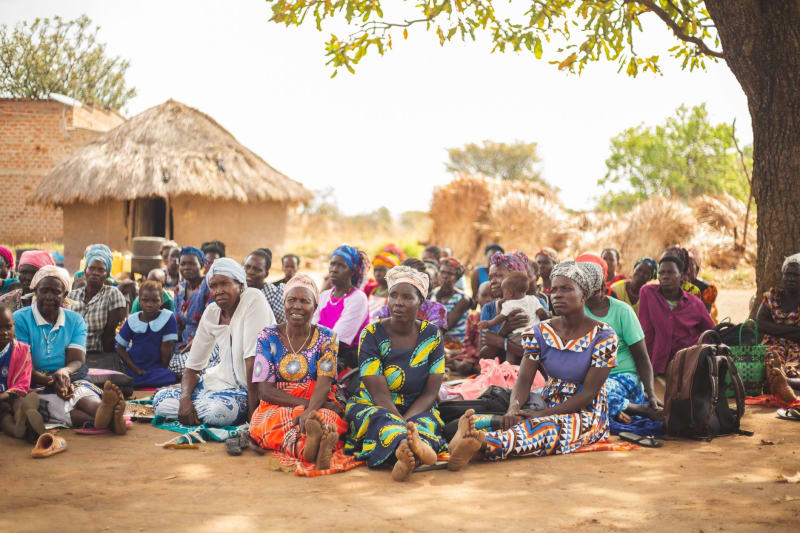
The socio-cultural context also plays a critical role. Many communities harbor profound skepticism towards external interventions, fueled by historical grievances and a lack of understanding regarding the virus and its transmission. Traditional burial practices, which involve close contact with the deceased, continue to be a significant driver of new infections. Overcoming this resistance requires not just medical expertise but also a profound commitment to community engagement, building trust through respectful dialogue and culturally sensitive approaches, a task made infinitely harder by the ongoing violence and political instability.
Background
Ebola virus disease (EVD) is a severe, often fatal illness in humans, first identified in 1976 near the Ebola River in what is now the Democratic Republic of Congo. The virus is transmitted to people from wild animals and spreads in the human population through direct contact with the blood, secretions, organs or other bodily fluids of infected people, and with surfaces and materials (e.g. bedding, clothing) contaminated with these fluids. The incubation period, that is, the time interval from infection with the virus to onset of symptoms, is 2 to 21 days. Symptoms typically include fever, fatigue, muscle pain, headache, and sore throat, followed by vomiting, diarrhea, rash, symptoms of impaired kidney and liver function, and in some cases, both internal and external bleeding.
The current outbreak in North Kivu was declared on August 1, 2018, and has since become one of the most protracted and complex in history. It is occurring in a region that has been plagued by conflict for decades, creating a fertile ground for the virus to spread unchecked. The presence of numerous armed groups, coupled with significant population displacement, has severely hampered the ability of health organizations to implement effective containment strategies. This constant state of insecurity makes it incredibly challenging to conduct contact tracing, deliver vaccinations, and ensure safe burial practices, all of which are cornerstones of an effective Ebola response.
Despite these immense challenges, significant progress has been made in developing and deploying new tools, most notably the rVSV-ZEBOV vaccine, which has proven highly effective in preventing infection among those exposed to the virus. Thousands of frontline workers and contacts of confirmed cases have been vaccinated, undoubtedly saving countless lives. However, the persistent insecurity and community resistance mean that these tools cannot be fully leveraged. The global health community continues to grapple with the ethical and practical dilemmas of responding to a deadly epidemic in a war zone, highlighting the interconnectedness of health, security, and humanitarian crises.
Winners and Losers
In this tragic scenario, the clear 'losers' are the people of North Kivu and Ituri provinces, particularly those directly affected by the virus, their families, and the communities grappling with its devastating consequences. They face not only the immediate threat of a deadly disease but also the profound disruption to their lives, livelihoods, and social fabric. The ongoing violence exacerbates their vulnerability, denying them access to essential healthcare and humanitarian aid, and perpetuating a cycle of fear and suffering. Children are particularly vulnerable, often orphaned or left without adequate care, facing an uncertain future in a region already scarred by conflict.
Healthcare workers, both local and international, also bear a heavy burden, often operating under extreme duress and facing direct threats to their safety. They are the unsung heroes, risking their lives daily to provide care, conduct surveillance, and implement public health measures. However, the emotional toll, physical exhaustion, and constant danger make their work incredibly challenging, leading to burnout and, tragically, sometimes death. The persistent attacks on health facilities and personnel represent a severe setback for humanitarian principles and undermine the very foundation of disease control efforts.
While it is difficult to identify 'winners' in such a catastrophic situation, one could argue that the scientific community has made significant strides in vaccine development and therapeutic research, offering a glimmer of hope for future outbreaks. The rapid deployment of an effective vaccine, even under challenging circumstances, demonstrates the potential for medical innovation to combat global health threats. However, the ultimate success of these innovations hinges on their equitable access and acceptance, which remain significant hurdles in the current context. The international organizations involved, despite facing immense obstacles, gain invaluable experience in complex emergency response, which will hopefully inform future global health strategies.
Analyst Perspectives
Public health analysts consistently emphasize that the North Kivu Ebola outbreak is not merely a medical crisis but a deeply entrenched humanitarian and security challenge. Dr. Joanne Liu, former International President of Doctors Without Borders (MSF), frequently highlighted that "you cannot fight Ebola in a war zone with a purely medical approach." This perspective underscores the critical need for integrated strategies that address the root causes of instability, including conflict resolution, community engagement, and the restoration of trust, alongside robust epidemiological interventions. Without peace and security, even the most advanced medical tools struggle to make a lasting impact.
Security experts and political analysts point to the ongoing activities of various armed groups, including the Allied Democratic Forces (ADF), as a primary impediment to containment. Their presence not only restricts access for health teams but also fuels widespread mistrust of external actors, often leading to violent resistance against health workers. "The Ebola response has become politicized and weaponized," noted one analyst from the International Crisis Group, suggesting that the virus is exploited by some factions to destabilize the region further. This complex dynamic demands a nuanced approach that integrates security considerations with public health efforts, a task fraught with ethical and practical difficulties.
Development economists and social scientists stress the long-term economic and social repercussions of the outbreak. Beyond the immediate health crisis, communities are facing severe disruptions to agriculture, trade, and education, exacerbating existing poverty and inequality. "The longer this outbreak persists, the deeper the scars on the social fabric and economic potential of these regions," stated a report from the World Bank. They advocate for substantial investment in sustainable development, peacebuilding initiatives, and strengthening local health systems, arguing that a purely reactive emergency response is insufficient to break the cycle of vulnerability and disease.
Key Questions Explained
The Outlook
The immediate outlook for containing the North Kivu Ebola outbreak remains critically challenging, primarily due to the persistent insecurity and deep-seated community mistrust that continue to plague response efforts. While the efficacy of the vaccine and new therapeutic treatments offers a beacon of hope, their full potential is severely curtailed by the inability to consistently reach all affected populations and ensure safe operations for health workers. Until a significant breakthrough in regional stability and community acceptance is achieved, the virus will likely continue its insidious spread, albeit with fluctuations in intensity.
Looking further ahead, the long-term containment of Ebola in the DRC and the prevention of future outbreaks hinge on comprehensive, multi-sectoral approaches that extend far beyond immediate medical interventions. This requires substantial and sustained investment in strengthening the country's fragile health infrastructure, improving surveillance systems, and building local capacity for rapid response. Crucially, addressing the root causes of instability, including poverty, governance failures, and armed conflict, is paramount. Without these foundational changes, the region will remain vulnerable to recurrent epidemics.
There is a cautious optimism that the lessons learned from this protracted and complex outbreak will inform future global health strategies, particularly concerning epidemic response in conflict zones. The innovative use of vaccines and treatments, coupled with evolving strategies for community engagement, represents significant advancements. However, the ultimate success will be measured not just by medical breakthroughs, but by the international community's collective ability to foster peace, build trust, and empower local communities to take ownership of their health security, transforming a region scarred by crisis into one resilient against future threats.















Comments
No comments yet. Be the first to comment!