
The Numbers
- Five civilians were tragically killed in Ukraine due to recent Russian drone attacks, highlighting the indiscriminate nature of these aerial assaults on populated areas.
- An equal number, five individuals, lost their lives in Russia following Ukrainian drone strikes, underscoring the reciprocal and devastating impact of the escalating conflict.
- Over 30 drones were reportedly launched by Russia in a coordinated assault against Ukrainian targets, indicating a significant and sustained aerial campaign.
- Ukrainian forces claim to have successfully intercepted and neutralized a substantial portion of the incoming Russian drones, showcasing their enhanced air defense capabilities.
- Multiple regions within Russia, including border areas and strategic locations, reported damage and casualties from the retaliatory Ukrainian drone operations, signifying a broadening scope of attacks.
- The recent attacks represent a significant uptick in the intensity and frequency of drone warfare, marking a concerning escalation in the ongoing hostilities between the two nations.
Context Check
The recent surge in drone attacks by both Russia and Ukraine signifies a dangerous intensification of the ongoing conflict, moving beyond conventional ground engagements and into a more widespread aerial campaign. This shift is not merely tactical; it reflects a strategic pivot towards asymmetric warfare, where drones offer a relatively low-cost, high-impact method of projecting power and inflicting damage across enemy lines. The use of drones allows both sides to strike deep into adversary territory, targeting critical infrastructure, military installations, and, tragically, civilian areas, thereby extending the psychological and physical toll of the war far beyond the immediate front lines. This escalation demands a closer look at the evolving nature of modern warfare and its profound implications for regional stability.
This pattern of reciprocal drone strikes, where each attack is met with a retaliatory response, risks spiraling into an uncontrollable cycle of violence. The tit-for-tat nature of these assaults makes de-escalation incredibly challenging, as each side feels compelled to respond to perceived aggressions, further fueling the conflict. The targeting of civilian infrastructure, while often framed as collateral damage, can also be interpreted as a deliberate strategy to undermine morale and exert pressure on the opposing government. Such actions, however, invariably lead to increased human suffering and harden resolve, making any path to a peaceful resolution seem increasingly distant. The international community watches with growing concern as this dangerous dynamic unfolds.
The deployment of sophisticated drone technology by both nations highlights the rapid advancements in unmanned aerial systems and their integral role in contemporary military strategies. These drones, ranging from surveillance units to armed attack platforms, provide real-time intelligence, precision strike capabilities, and an element of deniability that traditional manned aircraft cannot offer. The accessibility and effectiveness of these systems mean that even nations with limited air force capabilities can pose significant threats, fundamentally altering the calculus of air superiority. Understanding the technological evolution and strategic implications of drone warfare is crucial for comprehending the current trajectory of the Russia-Ukraine conflict and predicting its future course.
Background
The conflict between Russia and Ukraine, which began in earnest with Russia's full-scale invasion in February 2022, has been characterized by intense ground battles, artillery duels, and increasingly, aerial assaults. Initially, Russia sought to achieve a swift victory, but Ukrainian resistance, bolstered by significant Western military aid, has transformed the conflict into a protracted war of attrition. The early phases saw large-scale tank movements and infantry engagements, but as front lines solidified, both sides began to heavily rely on long-range weaponry and unmanned aerial vehicles to overcome stalemates and target critical infrastructure far behind enemy lines. This strategic evolution marks a significant phase in the ongoing hostilities, demonstrating adaptability and a grim determination from both combatants.
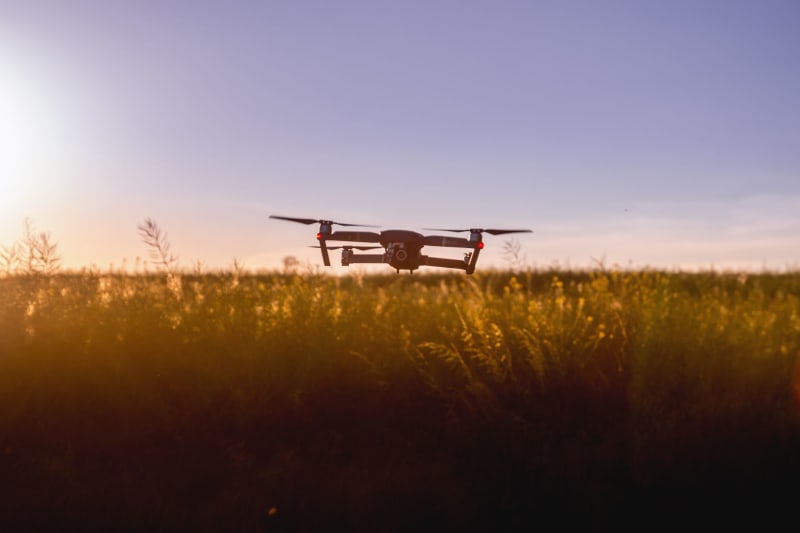
Drone warfare has become a defining feature of this conflict, evolving from rudimentary reconnaissance missions to sophisticated strike operations. Both Russia and Ukraine have invested heavily in developing and acquiring a diverse fleet of drones, ranging from commercially available quadcopters adapted for military use to purpose-built military-grade UAVs. These drones are employed for a multitude of tasks, including surveillance, target acquisition, artillery spotting, and direct attacks on personnel and equipment. The effectiveness of these unmanned systems has forced both armies to adapt their tactics, develop new countermeasures, and invest in advanced air defense systems, creating a constant technological arms race in the skies above Ukraine and Russia.
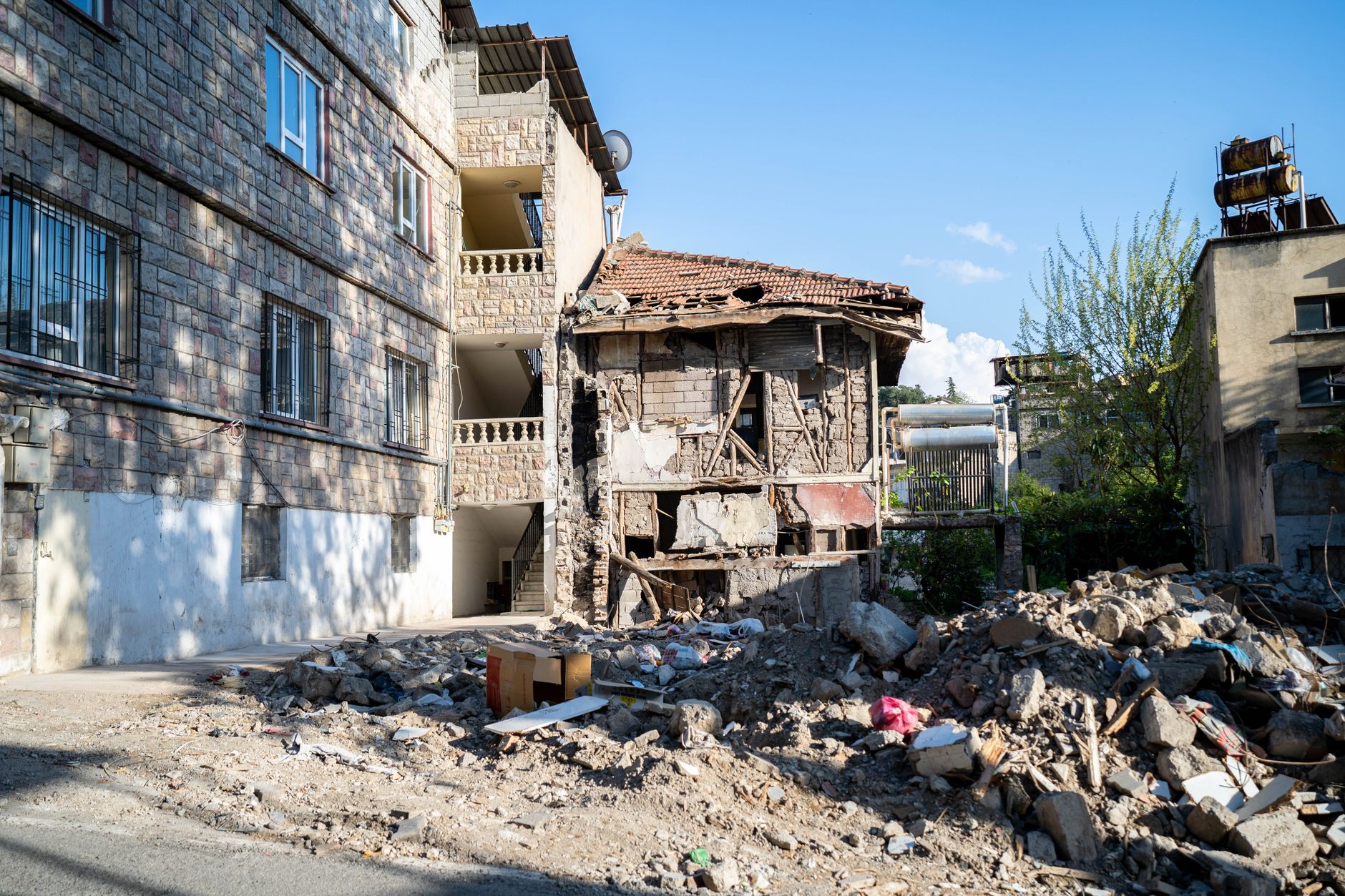
The recent escalation in drone attacks, resulting in civilian casualties on both sides, underscores the tragic human cost of this prolonged conflict. While military targets are often the primary objective, the inherent risks of aerial bombardment, especially in densely populated areas, inevitably lead to civilian deaths and injuries. These incidents not only cause immense suffering but also fuel public outrage and reinforce nationalistic sentiments, making diplomatic resolutions even more challenging. The international community has consistently condemned attacks on civilians, yet the reality on the ground continues to demonstrate the devastating impact of modern warfare on non-combatants, highlighting the urgent need for a cessation of hostilities and a return to peaceful negotiations.
Winners and Losers
In the immediate aftermath of these escalating drone attacks, it is tragically clear that the primary losers are the innocent civilians caught in the crossfire. The loss of life, the destruction of homes, and the constant fear of aerial bombardment inflict an immeasurable toll on the populations of both Ukraine and Russia. These attacks disrupt daily life, cause widespread psychological trauma, and undermine any sense of security, making it impossible for communities to thrive or rebuild. The human cost of this conflict continues to mount, with each new casualty representing a profound and irreversible loss, underscoring the devastating impact of modern warfare on non-combatant populations.
From a strategic perspective, both Russia and Ukraine face significant challenges and incur substantial losses, even as they claim tactical successes. Russia, despite its vast military resources, continues to expend valuable munitions and drones, while also facing international condemnation and economic sanctions. Ukraine, while demonstrating remarkable resilience and ingenuity in its defense, is suffering severe infrastructure damage and a continuous drain on its resources and manpower. The reciprocal nature of these drone strikes means that neither side can claim a decisive victory without suffering significant setbacks, creating a costly stalemate where both nations are bleeding resources and lives. This protracted conflict is proving to be a zero-sum game with no clear strategic winner.
The only entities that might be perceived as 'winners' in this grim scenario are arguably the defense industries and manufacturers of drone technology. The intense demand for unmanned aerial vehicles, counter-drone systems, and related technologies has spurred innovation and production, leading to significant financial gains for these sectors. However, this economic benefit comes at the horrific expense of human lives and widespread destruction, making any 'win' in this context deeply morally ambiguous. The proliferation of advanced drone technology also raises long-term concerns about global security and the future of warfare, as these systems become more accessible and potent, potentially destabilizing other regions.
Analyst Perspectives
Military analysts widely agree that the increased reliance on drone warfare by both Russia and Ukraine signifies a critical phase in the conflict, characterized by a shift towards long-range precision strikes and a broader geographic scope. Dr. Evelyn Farkas, a former Deputy Assistant Secretary of Defense for Russia, Ukraine, and Eurasia, notes that "this escalation reflects a strategic adaptation by both sides to overcome entrenched front lines. Drones offer a cost-effective way to project power and gather intelligence without risking manned aircraft, but they also significantly increase the risk of civilian casualties and regional instability." This perspective emphasizes the tactical utility of drones while cautioning against their inherent dangers.
Security experts are increasingly concerned about the psychological impact of these widespread drone attacks on civilian populations. Dr. Fiona Hill, a senior fellow at the Brookings Institution and former National Security Council official, highlights that "the constant threat of unseen aerial attacks creates a pervasive sense of fear and insecurity among civilians, which can have long-lasting societal consequences. This isn't just about destroying infrastructure; it's about eroding morale and creating a climate of terror that makes normal life impossible." Her analysis underscores the non-kinetic effects of drone warfare, which extend far beyond physical destruction to inflict deep psychological wounds on affected communities.
Geopolitical strategists are closely watching how this drone escalation might influence international diplomacy and the prospects for peace. Professor Stephen Walt of Harvard University suggests that "the tit-for-tat drone strikes make de-escalation significantly harder. Each attack hardens resolve and creates a demand for retaliation, pushing any potential peace negotiations further out of reach. The international community needs to find a way to break this cycle, perhaps through enhanced mediation efforts or stricter controls on drone technology, before the conflict spirals even further out of control." This viewpoint stresses the urgent need for external intervention to prevent a further catastrophic escalation.
Key Questions Explained
The Outlook
The immediate outlook for the Russia-Ukraine conflict, particularly concerning drone warfare, appears grim, with continued escalation highly probable. Both nations have demonstrated a clear commitment to leveraging drone technology for offensive and defensive purposes, and neither shows signs of backing down. The reciprocal nature of these attacks suggests a sustained period of tit-for-tat strikes, further entrenching the cycle of violence. This means that civilians in both countries will likely continue to bear the brunt of these aerial assaults, facing ongoing threats to their safety and infrastructure. Without a significant shift in diplomatic efforts or a decisive military advantage, the drone war is set to intensify, prolonging the suffering and instability.
Looking further ahead, the conflict's trajectory will largely depend on several critical factors. The continued supply of advanced Western air defense systems and offensive drone capabilities to Ukraine will be crucial in shaping its ability to counter Russian aggression and launch retaliatory strikes. Conversely, Russia's capacity to replenish its drone arsenal and maintain its manufacturing capabilities will dictate the scale and frequency of its future attacks. The effectiveness of electronic warfare measures by both sides to disrupt enemy drone operations will also play a pivotal role. Any significant breakthrough in these technological or logistical aspects could alter the balance of power and influence the overall course of the war.
Ultimately, a lasting resolution to the drone escalation, and indeed the broader conflict, hinges on a genuine commitment to de-escalation and diplomatic engagement. While military solutions continue to be pursued, the human and economic costs are unsustainable. International pressure, coupled with robust mediation efforts, will be essential to create a pathway for negotiations. However, given the deep-seated grievances and strategic objectives of both parties, a rapid diplomatic breakthrough seems unlikely. Therefore, the world must brace for a protracted period of conflict, characterized by continued technological innovation in warfare and the tragic human consequences that inevitably follow.









Comments
No comments yet. Be the first to comment!