
At a Glance
- Former President Trump's proposed tariffs, if implemented, would impose a 10% universal tariff on all imports and a 60% tariff on goods from China, significantly reshaping global trade flows and economic relationships.
- These tariffs represent a substantial shift from traditional trade policies, potentially triggering retaliatory measures from major trading partners and leading to a global trade war that could impact supply chains and consumer prices worldwide.
- The European Union faces a critical juncture, needing to develop a robust and coherent strategy to protect its economic interests while simultaneously seeking to de-risk its dependencies on both the US and China.
- This moment presents a unique opportunity for the EU to accelerate its strategic autonomy agenda, fostering greater self-reliance in critical sectors and strengthening internal market resilience against external shocks.
- Proactive engagement with member states and key industries is essential to identify vulnerabilities and develop targeted support mechanisms, ensuring a coordinated European response to these unprecedented trade challenges.
- The potential for a second Trump presidency necessitates immediate and comprehensive scenario planning, allowing the EU to anticipate and prepare for a range of economic and geopolitical outcomes with agility and foresight.
The Record
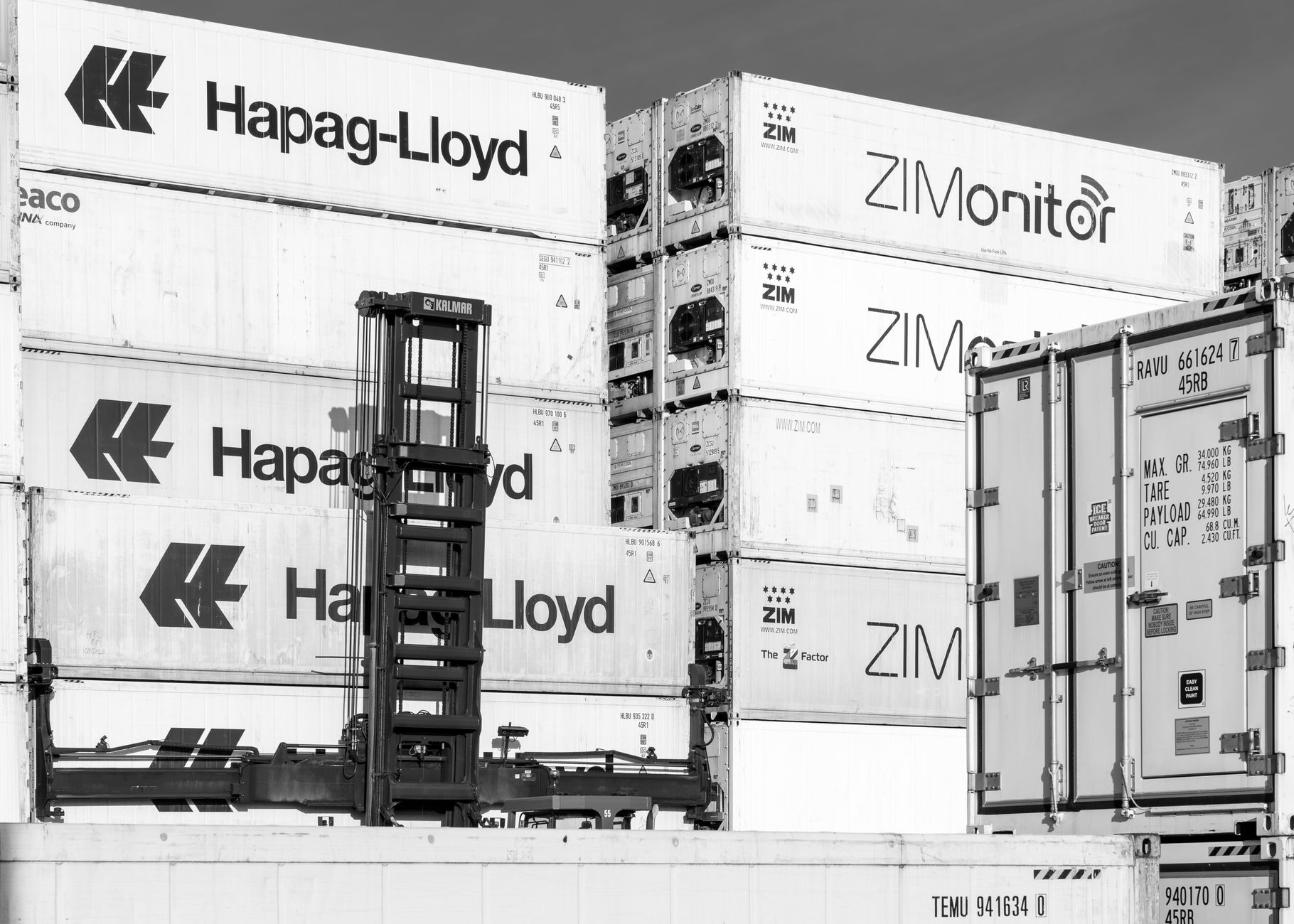
The prospect of a second Trump presidency brings with it the very real threat of a dramatic overhaul of global trade policy, echoing and intensifying the protectionist measures seen during his first term. His explicit proposals include a sweeping 10% tariff on all imported goods and a staggering 60% tariff specifically targeting products from China. These are not mere negotiating tactics; they represent a fundamental ideological shift towards economic nationalism that would profoundly disrupt established supply chains and international economic relations. The implications for the European Union, a major global trading bloc deeply integrated into the world economy, are particularly severe, demanding immediate and strategic foresight.
During his initial term, Trump's administration demonstrated a willingness to impose tariffs on key allies, including the EU, citing national security concerns for steel and aluminum imports. This precedent underscores the seriousness of his current proposals and suggests that no trading partner, regardless of historical alliance, would be immune from these new protectionist measures. The economic fallout from such widespread tariffs could include higher consumer prices, reduced trade volumes, and significant disruptions to global manufacturing, creating a volatile and unpredictable environment for businesses worldwide. The EU must recognize this pattern and prepare for a potential repeat, but on a much larger scale.
The EU's response to the initial Trump tariffs, while measured, highlighted the challenges of balancing retaliatory actions with the preservation of transatlantic relations. This time, the scale of the proposed tariffs demands a more comprehensive and proactive strategy. Europe cannot afford to be caught off guard; instead, it must leverage this potential crisis as an opportunity to accelerate its long-term goals of strategic autonomy. This involves not only fortifying its own economic defenses but also actively shaping a more resilient and diversified global trade architecture that is less susceptible to unilateral actions by any single nation.
Who Knew and When
The potential for a return to aggressive trade protectionism under a second Trump administration has been a consistent topic of discussion among policy analysts, economists, and international trade experts since his departure from office. His public statements and campaign rhetoric have been unambiguous, clearly signaling his intent to implement broad tariffs as a cornerstone of his economic policy. Therefore, the European Union and its member states have had ample warning and time to prepare for such an eventuality, making any claim of surprise disingenuous. The question is not if these policies might be pursued, but rather how effectively Europe has used this foresight to strategize and fortify its economic position.
Leading think tanks and economic forecasting institutions have consistently modeled the potential impacts of such tariffs, publishing numerous reports detailing the likely consequences for global trade, supply chains, and specific industries. These analyses have provided a clear roadmap of the challenges ahead, highlighting sectors most vulnerable to increased import costs and potential retaliatory tariffs. This wealth of information means that policymakers have been well-informed about the potential disruptions, allowing for the development of targeted mitigation strategies and the exploration of alternative trade partnerships. The data has been available for those willing to heed it.
Despite these clear warnings and extensive analyses, the pace of concrete, unified European action to prepare for these specific tariff scenarios has been a subject of debate. While discussions around strategic autonomy and diversification have gained traction, translating these broad objectives into specific, actionable plans across all 27 member states remains a complex undertaking. The challenge lies in moving beyond theoretical discussions to implement robust, coordinated policies that can effectively shield European industries and consumers from the anticipated economic shocks. The window for proactive measures is rapidly closing, demanding decisive leadership and unified resolve.
Voices from the Ground
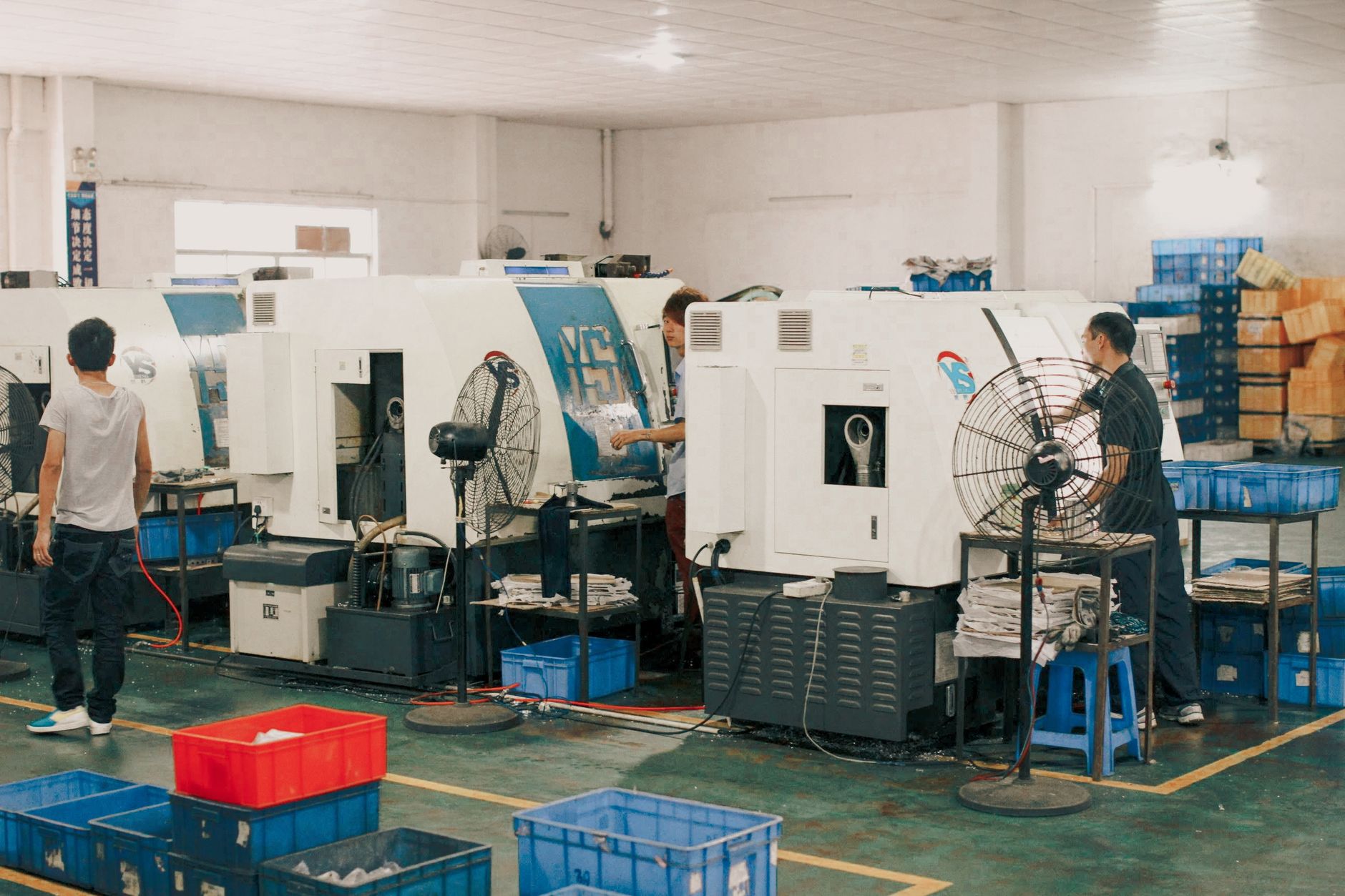
European businesses, particularly those heavily reliant on transatlantic trade or complex global supply chains, are expressing growing apprehension. Manufacturers of specialized machinery, automotive components, and luxury goods, for instance, are deeply concerned about the direct impact of a 10% universal tariff on their export competitiveness to the US market. These tariffs would not only increase the cost of their products for American consumers but could also invite retaliatory tariffs from other countries, creating a cascade of trade barriers that choke off market access and erode profit margins. The uncertainty alone is already prompting some companies to reconsider investment decisions and supply chain configurations, leading to a palpable sense of unease across various industrial sectors.
Small and medium-sized enterprises (SMEs), which often lack the financial resilience and logistical flexibility of larger corporations, are particularly vulnerable. Many SMEs operate on thin margins and depend on predictable trade environments. A sudden imposition of tariffs could render their products uncompetitive overnight, forcing difficult decisions about layoffs, production cuts, or even business closures. Their voices are calling for clear guidance and robust support mechanisms from national governments and the EU, emphasizing the need for financial aid, export credit guarantees, and assistance in navigating new trade regulations to survive potential economic headwinds.
Consumer advocacy groups are also raising alarms about the potential for higher prices on imported goods, ranging from electronics to clothing and food items. A 10% tariff on all imports would inevitably translate into increased costs for European households, eroding purchasing power and potentially fueling inflation. This concern is amplified by the possibility of retaliatory tariffs from other nations, which could further restrict consumer choice and drive up the cost of living. The cumulative effect of these trade barriers could disproportionately impact lower-income households, making the economic implications a pressing social issue that requires careful consideration by policymakers.
The Debate
The debate within the EU on how to respond to potential Trump tariffs is multifaceted, with various factions advocating for different strategies. One school of thought emphasizes the need for robust retaliation, arguing that a strong, unified European response is essential to deter future protectionist measures and protect the bloc's economic sovereignty. Proponents of this approach suggest that the EU should identify key US exports that would be significantly impacted by reciprocal tariffs, thereby creating leverage in any future trade negotiations. This 'eye for an eye' strategy aims to demonstrate that the EU will not be a passive recipient of trade aggression and is prepared to defend its interests vigorously.
Conversely, another perspective advocates for a more conciliatory and strategic engagement, prioritizing dialogue and de-escalation over direct confrontation. This camp argues that a full-blown trade war would ultimately harm all parties, including European consumers and businesses. They suggest that the EU should focus on building alliances with other like-minded trading partners, strengthening multilateral trade institutions, and emphasizing the shared benefits of open trade. This approach also includes exploring targeted subsidies or support for affected European industries, aiming to mitigate the impact of tariffs without necessarily resorting to direct retaliation, thereby preserving a pathway for future cooperation.
A third, increasingly influential viewpoint centers on accelerating the EU's strategic autonomy agenda. This involves not just reacting to external threats but proactively reducing dependencies on any single trading partner, including the United States and China. This strategy calls for significant investment in domestic production capacities, diversification of supply chains, and strengthening the internal market. It also entails forging new trade agreements with reliable partners and investing in critical technologies to ensure European competitiveness and resilience in a more fragmented global economy. This approach views the tariffs not just as a threat, but as a catalyst for a more self-reliant and strategically independent Europe.
Your Questions Answered
What Accountability Looks Like
Accountability in the face of potential Trump tariffs begins with transparent and proactive communication from EU institutions to member states and the public. This means clearly outlining the risks, potential economic impacts, and the strategic responses being developed. It also involves establishing clear metrics for measuring the effectiveness of mitigation strategies, such as the diversification of supply chains, increased domestic production in critical sectors, and the success of new trade agreements. Regular public reporting on these metrics will be crucial to demonstrate that the EU is not merely reacting but actively shaping its economic future.
Furthermore, accountability extends to ensuring that any support mechanisms or subsidies for affected industries are distributed fairly and effectively, reaching those most in need. This requires robust oversight to prevent misuse of funds and to ensure that these measures genuinely contribute to strengthening European competitiveness and resilience. The EU must also hold itself accountable for fostering greater unity among member states, ensuring that national interests do not undermine a coherent and powerful European response to external trade challenges. A fragmented approach would only weaken the bloc's negotiating position and overall economic security.
Ultimately, accountability will be judged by the EU's ability to transform this potential trade crisis into a strategic advantage, accelerating its journey towards genuine strategic autonomy. This means not just weathering the storm, but emerging stronger, more resilient, and less dependent on the whims of external powers. Success will be measured by the long-term health of European industries, the stability of its supply chains, and its enhanced capacity to project its values and interests on the global stage, proving that foresight and proactive policy can indeed turn a threat into an opportunity for growth and independence.







Comments
No comments yet. Be the first to comment!