
What We Know
- Multiple intelligence sources confirm that the United States and Israel are actively engaged in advanced planning for potential military strikes targeting Iran's energy infrastructure, indicating a significant escalation of tensions.
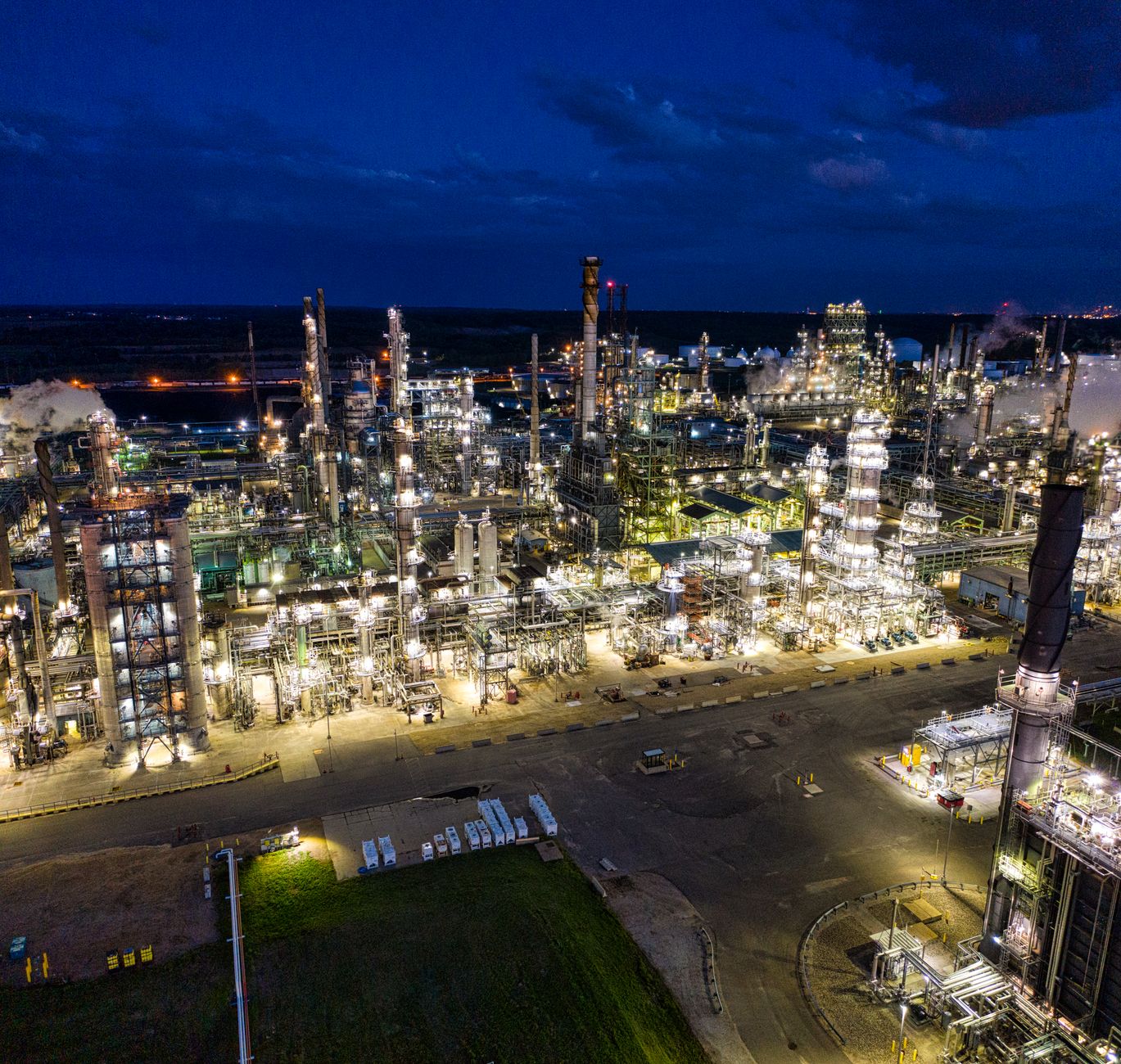
- The primary targets under consideration reportedly include oil refineries, natural gas pipelines, and other critical facilities vital to Iran's energy production and distribution network, aiming to cripple its economic capabilities.
- These preparations are not merely hypothetical; they involve detailed intelligence gathering, logistical planning, and strategic discussions between high-level military and political officials from both nations, underscoring the seriousness of the intent.
- The rationale behind these potential strikes is multifaceted, ranging from deterring Iran's nuclear program and regional proxy activities to punishing recent aggressive actions, though specific triggers remain subject to intense debate.
- The involvement of both the U.S. and Israel suggests a coordinated approach, leveraging their respective military capabilities and intelligence assets to achieve maximum impact against Iranian targets, signaling a united front.
- The potential operation is being framed as a preemptive or retaliatory measure, designed to send an unequivocal message to Tehran regarding the international community's resolve to curb its perceived destabilizing influence in the Middle East.
What We Do Not Know Yet
- The precise timeline for any potential military action remains shrouded in secrecy, with sources indicating that while preparations are advanced, the exact moment of execution is still undetermined and subject to evolving geopolitical factors.
- The specific trigger that would initiate these strikes is not publicly known; it could range from a direct Iranian attack on U.S. or Israeli assets to a significant advancement in Iran's nuclear enrichment capabilities, or other perceived provocations.
- The full scope and scale of the planned bombardment are unclear, including whether it would involve a limited, surgical strike or a broader, more sustained campaign against multiple energy targets across Iran, which would have varying levels of impact.
- The potential for collateral damage and civilian casualties is a critical unknown, as strikes on industrial energy sites often carry inherent risks to surrounding populations and infrastructure, raising humanitarian concerns.
- The anticipated response from Iran to such an attack is highly speculative; while retaliation is almost certain, its form, intensity, and targets (e.g., regional proxies, cyberattacks, direct missile strikes) are subject to significant uncertainty.
- The level of international support or condemnation for such an operation is yet to be fully gauged, as many global powers would likely express concern over regional destabilization, while others might tacitly approve of efforts to curb Iranian influence.
Background
The relationship between the United States, Israel, and Iran has been characterized by decades of profound mistrust, geopolitical rivalry, and intermittent proxy conflicts, creating a volatile environment in the Middle East. At the heart of this tension lies Iran's nuclear program, which both Washington and Jerusalem view as an existential threat, fearing its potential to develop nuclear weapons. Despite Iran's consistent claims that its nuclear ambitions are purely for peaceful energy purposes, its past clandestine activities and continued enrichment of uranium to higher purities have fueled international alarm, leading to stringent sanctions and diplomatic isolation.
Adding to the complexity are Iran's extensive network of regional proxies and militias, including Hezbollah in Lebanon, various groups in Iraq and Syria, and the Houthi rebels in Yemen. These groups, often armed and funded by Tehran, have been instrumental in projecting Iranian influence across the region, frequently clashing with U.S. and Israeli interests. From missile attacks on Saudi oil facilities to drone strikes on international shipping, these proxy actions are perceived as direct challenges to regional stability and a deliberate undermining of Western security objectives, intensifying calls for a more assertive response.
The current discussions about targeting Iran's energy infrastructure represent a significant escalation from previous strategies, which largely focused on sanctions, cyber warfare, and limited covert operations. This shift suggests a growing frustration with the perceived ineffectiveness of existing pressure tactics and a belief that more decisive military action is required to alter Iran's strategic calculus. The potential for such strikes underscores a critical juncture in regional geopolitics, where the stakes are incredibly high, and the ripple effects could profoundly reshape the balance of power and security dynamics across the entire Middle East.
Why It Matters
The potential military action against Iran's energy infrastructure carries monumental implications, far beyond the immediate targets. It represents a dangerous escalation in an already volatile region, threatening to ignite a broader conflict that could draw in multiple actors and destabilize global security. Such strikes would almost certainly provoke a retaliatory response from Iran, potentially through its vast network of proxies, direct missile attacks on U.S. or Israeli assets, or even cyber warfare against critical infrastructure worldwide. The cycle of escalation could quickly spiral out of control, leading to unforeseeable consequences for millions of people and international relations.
Economically, the impact would be immediate and severe. Iran is a major oil and gas producer, and any disruption to its energy sector would send shockwaves through global energy markets. Oil prices would likely skyrocket, leading to increased inflation, economic instability, and potential recessions in energy-dependent nations. The Strait of Hormuz, a critical chokepoint for global oil shipments, could become a flashpoint, further disrupting supply chains and exacerbating an already fragile global economy. Businesses and consumers worldwide would feel the pinch, highlighting the interconnectedness of geopolitical stability and economic prosperity.
Furthermore, this potential military intervention could severely undermine diplomatic efforts to resolve regional disputes and curb nuclear proliferation. It risks alienating international allies who advocate for peaceful resolutions and could strengthen hardliners within Iran, making future negotiations even more challenging. The humanitarian cost of a wider conflict would be immense, with potential for mass displacement, civilian casualties, and a deepening of existing humanitarian crises. This situation demands careful consideration of all potential outcomes, as the path chosen could define the future of the Middle East and global stability for decades to come.
Timeline of Events
- 1979: The Iranian Revolution overthrows the U.S.-backed Shah, leading to the establishment of an Islamic Republic and a dramatic shift in U.S.-Iran relations from alliance to antagonism, setting the stage for decades of animosity.
- 2002: Revelations emerge about Iran's clandestine nuclear facilities, sparking international concern and initiating a prolonged period of diplomatic efforts, sanctions, and inspections aimed at curbing its nuclear ambitions.
- 2006-2010: The UN Security Council imposes multiple rounds of sanctions on Iran over its uranium enrichment program, significantly impacting its economy and further isolating it on the international stage.
- 2015: The Joint Comprehensive Plan of Action (JCPOA), or Iran nuclear deal, is signed between Iran and world powers, offering sanctions relief in exchange for verifiable restrictions on Iran's nuclear program, a landmark diplomatic achievement.
- 2018: The U.S. unilaterally withdraws from the JCPOA under the Trump administration, reimposing and expanding sanctions, which severely damages the agreement and reignites tensions with Iran and other signatories.
- 2019-Present: Iran progressively reduces its compliance with the JCPOA in response to U.S. sanctions, increasing uranium enrichment levels and stockpiles, leading to renewed warnings from the U.S. and Israel about its nuclear trajectory.
- 2023-2024: Escalating regional proxy conflicts, including attacks on shipping and U.S. bases, intensify calls for a more robust response against Iran, culminating in reports of U.S.-Israeli preparations for strikes on energy targets.
Rapid-Fire Q&A
What Is Coming
- Expect heightened rhetoric and increased diplomatic maneuvering from all parties involved, as the international community grapples with the implications of potential military action and seeks to either deter or justify such a significant escalation.
- Anticipate a surge in intelligence gathering and surveillance activities focused on Iran's energy infrastructure and military readiness, as both the U.S. and Israel refine their operational plans and assess potential Iranian responses.
- Prepare for significant volatility in global energy markets, with crude oil and natural gas prices likely to react sharply to any confirmed reports of strikes or even credible threats, impacting economies worldwide.
- Look for increased military deployments and readiness exercises in the Persian Gulf and surrounding regions, as both U.S. and allied forces position themselves for potential contingencies and to deter broader Iranian aggression.
- Monitor for a potential increase in cyberattacks, as both state-sponsored and independent actors may seek to exploit the heightened tensions to launch disruptive operations against critical infrastructure or information networks.
- Watch for intensified internal debates within the U.S. and Israeli governments regarding the strategic wisdom and potential fallout of such strikes, with political leaders weighing the risks against the perceived benefits of military intervention.








Comments
No comments yet. Be the first to comment!