
Key Takeaways
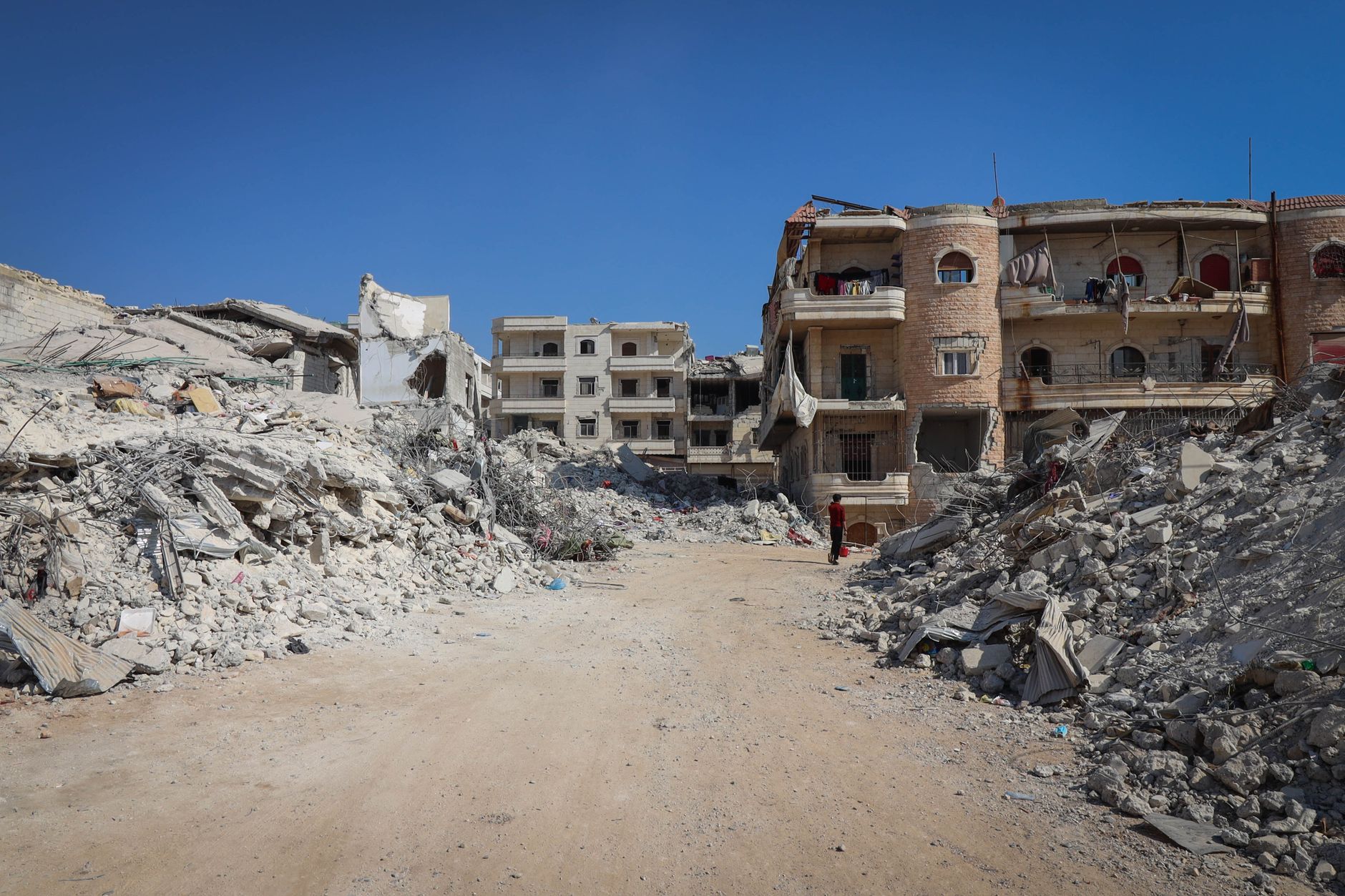
- A recent municipal report unequivocally confirms that Tehran has sustained the most extensive damage in its history during the latest devastating conflict, far surpassing previous estimates and historical precedents.
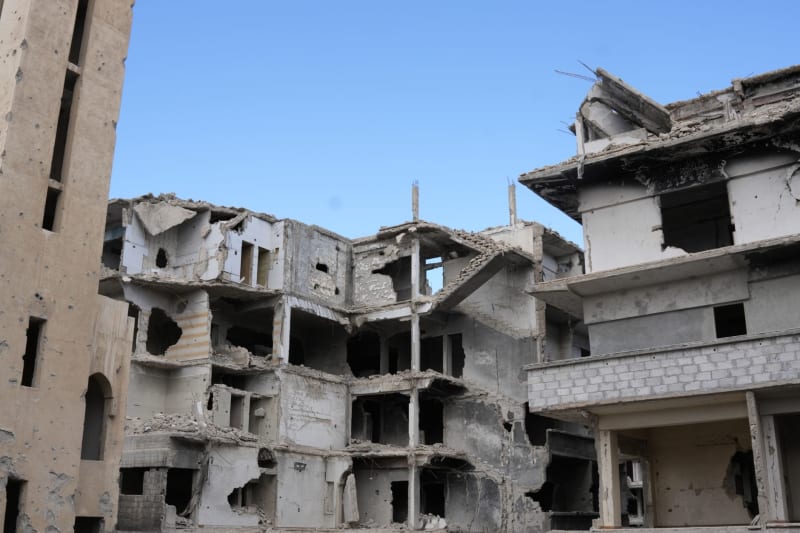
- Residential areas, particularly in the city's southern and eastern districts, bore the brunt of the destruction, with thousands of homes rendered uninhabitable, displacing a significant portion of the urban population and exacerbating an already dire housing crisis.
- Critical infrastructure, including water supply networks, electrical grids, and transportation arteries, suffered severe and systemic damage, threatening long-term public health and hindering any immediate recovery efforts.
- The economic repercussions are projected to be catastrophic, with initial estimates suggesting reconstruction costs will run into the tens of billions of dollars, placing an immense burden on the municipal and national budgets.
- International aid and coordinated humanitarian intervention are deemed absolutely essential to address the immediate needs of the affected population and to lay the groundwork for any meaningful long-term recovery.
- The report highlights a disturbing pattern of targeted attacks on civilian infrastructure, raising serious questions about adherence to international humanitarian law and the protection of non-combatants during conflict.
Background
The recent conflict, which engulfed the region for an intense period of several weeks, marked a devastating escalation in hostilities. While initial reports provided a general overview of the destruction, the full scope of the damage remained largely unquantified until now. This period was characterized by relentless bombardments and widespread urban warfare, leading to significant displacement and a rapidly deteriorating humanitarian situation across the affected areas. The sheer intensity and duration of the conflict caught many off guard, leaving cities like Tehran particularly vulnerable to extensive damage.
Prior to this latest escalation, Tehran had experienced periods of relative stability, albeit punctuated by sporadic tensions and minor skirmishes. The city's infrastructure, while robust in some areas, had not been designed or reinforced to withstand the sustained and heavy bombardment witnessed in the recent conflict. This vulnerability was further compounded by rapid urban expansion in recent decades, leading to densely populated residential zones that proved exceptionally susceptible to collateral damage. The municipal government had invested in various urban development projects, but these efforts were primarily focused on growth and modernization, not on preparing for an unprecedented level of wartime destruction.
The release of this comprehensive municipal report is a critical turning point, offering the first definitive and granular assessment of the devastation. It moves beyond anecdotal evidence and preliminary estimates, providing hard data and detailed analyses that paint a stark picture of the city's current state. This report is not merely a collection of statistics; it is a vital document that will inform future reconstruction plans, guide humanitarian aid efforts, and serve as a crucial record of the conflict's profound impact on one of the region's most significant urban centers. Its findings are expected to resonate deeply within international policy circles and humanitarian organizations.
Why It Matters
The unprecedented scale of damage in Tehran, as meticulously detailed in the municipal report, has profound implications extending far beyond the city's immediate borders. As a major regional capital and economic hub, the destabilization and destruction of Tehran reverberate across the entire geopolitical landscape. The collapse of its infrastructure and the displacement of its population could trigger a cascade of secondary crises, including mass migration, regional economic downturns, and increased political instability, potentially drawing in neighboring countries and international actors into a more complex and protracted humanitarian challenge.
This report serves as a stark warning about the devastating human cost of modern warfare, particularly in densely populated urban environments. The targeting or incidental destruction of residential areas, hospitals, and essential services not only violates international humanitarian law but also inflicts unimaginable suffering on civilian populations. The long-term psychological trauma, loss of livelihoods, and disruption of social structures will persist for generations, underscoring the urgent need for robust international mechanisms to protect civilians and ensure accountability for actions during conflict. Ignoring these findings would be a grave dereliction of collective responsibility.
Furthermore, the detailed assessment of infrastructure damage provides crucial data for future urban planning and disaster preparedness strategies globally. Learning from Tehran's experience can help other cities in conflict-prone regions develop more resilient infrastructure and emergency response protocols. The report highlights the critical vulnerabilities that modern cities face and the necessity of incorporating conflict mitigation and post-conflict reconstruction into long-term development plans. This isn't just about Tehran; it's about understanding the evolving nature of urban warfare and its catastrophic consequences for humanity.
Ground Reality
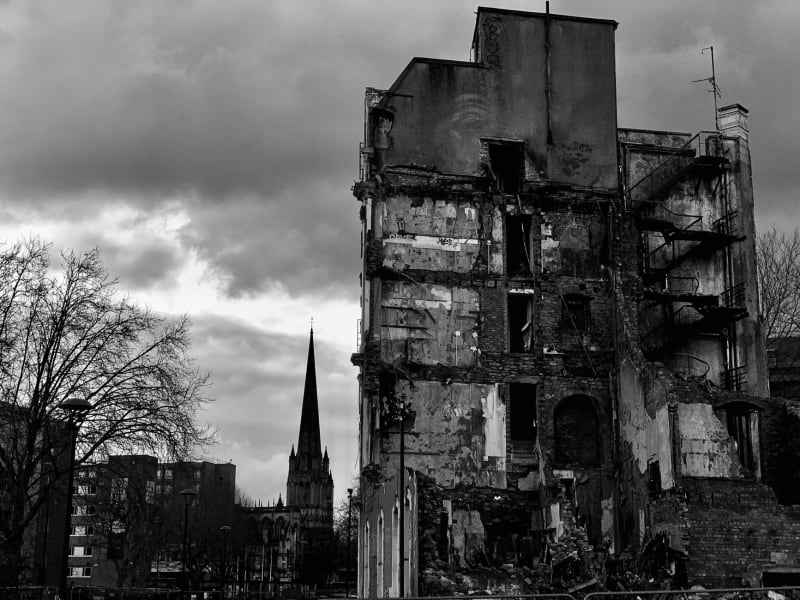
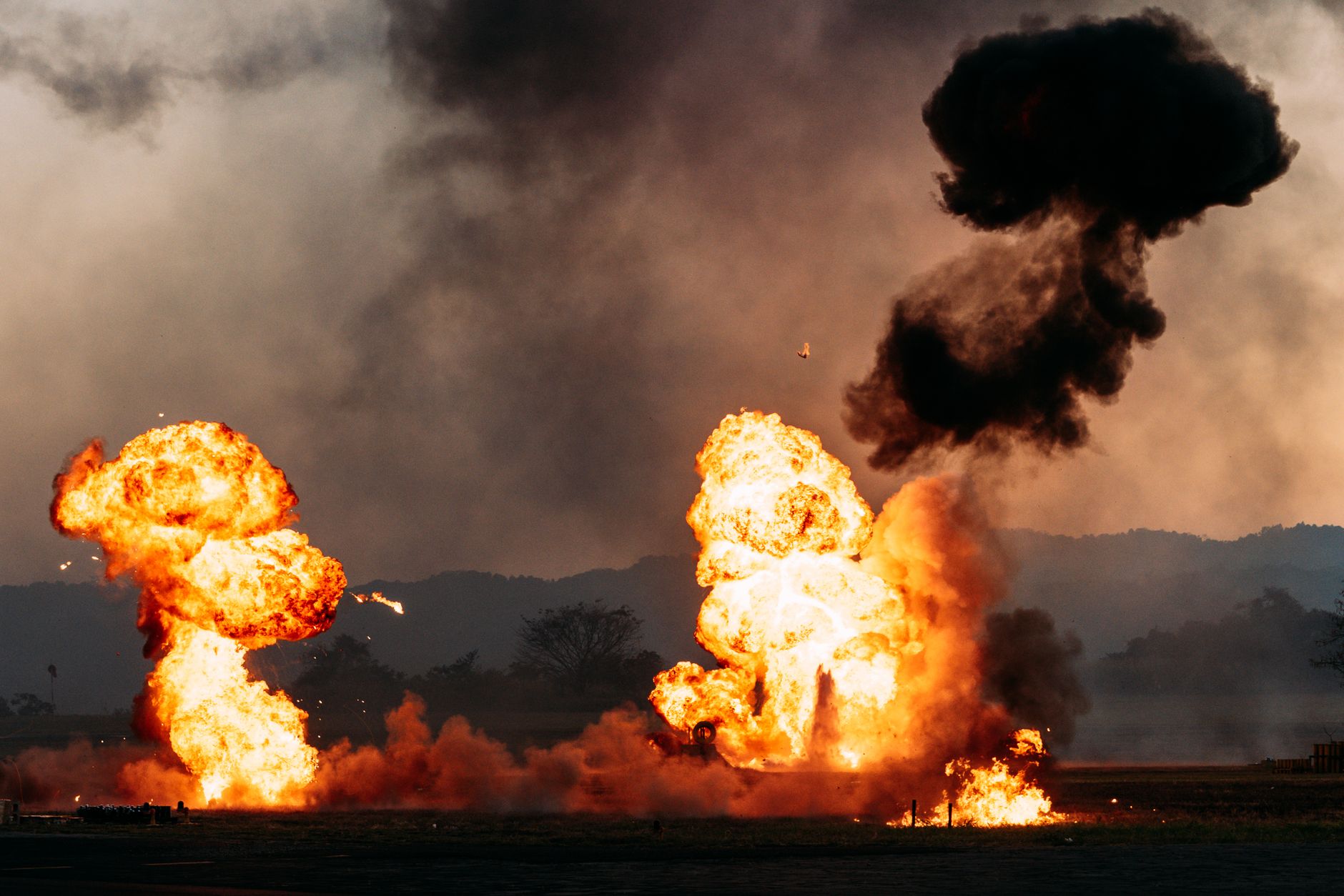
On the ground, the situation in Tehran is dire, characterized by widespread devastation and a palpable sense of despair among the populace. Entire neighborhoods, once vibrant and bustling, now lie in ruins, reduced to rubble and twisted metal. Essential services are severely compromised; access to clean water is intermittent at best, electricity supply is erratic, and many roads remain impassable, hindering both humanitarian aid delivery and the return of displaced residents. The sheer scale of destruction means that even basic daily life has become an immense struggle for survival, with families often lacking shelter, food, and medical care.
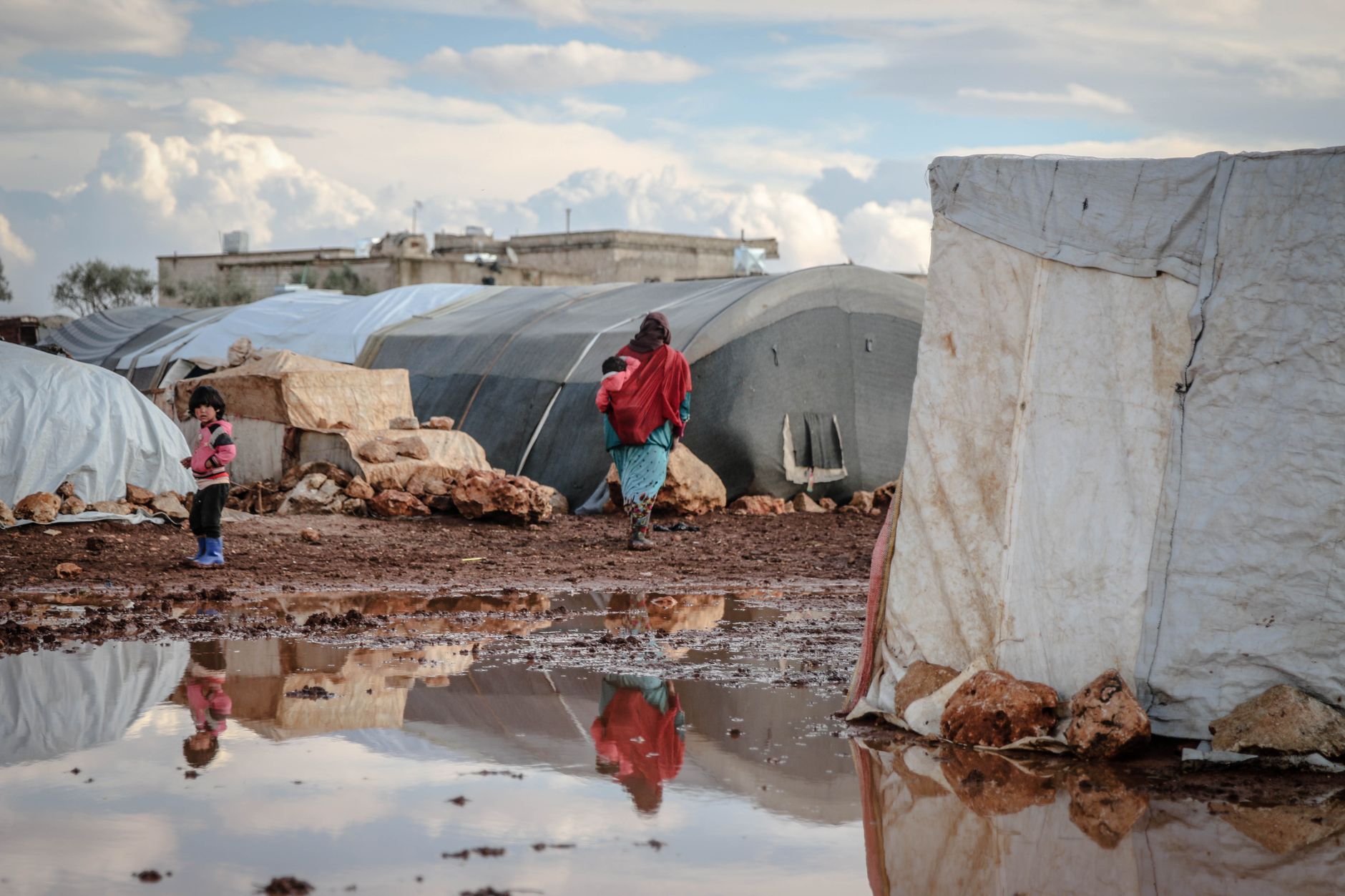
The municipal report meticulously details that over 60% of the city's residential buildings have sustained some form of damage, with a staggering 25% deemed completely uninhabitable. This translates to hundreds of thousands of individuals who have lost their homes, now living in makeshift shelters, overcrowded temporary camps, or with relatives in less affected areas. The psychological toll on these displaced communities is immense, marked by trauma, uncertainty, and the profound loss of their former lives. Children, in particular, are suffering from disrupted education and the constant threat of disease in unsanitary conditions.
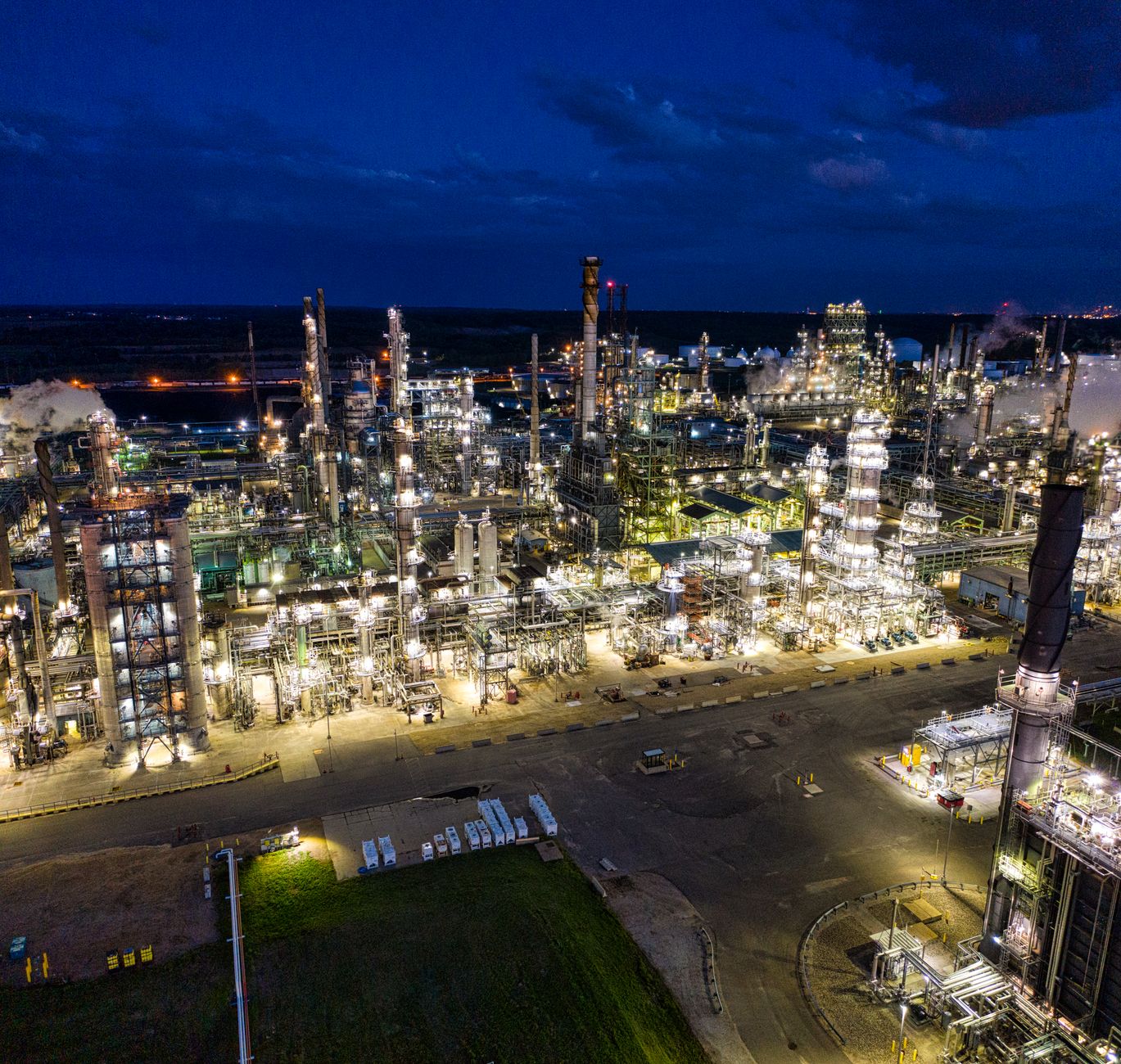
Beyond residential structures, critical infrastructure has been systematically crippled. Water purification plants, substations of the national power grid, and major transportation hubs like bridges and key arterial roads have been either destroyed or rendered non-functional. The report estimates that restoring these vital services to pre-conflict levels will require years of dedicated effort and substantial financial investment. The immediate consequence is a severe impediment to any form of economic recovery, as businesses cannot operate without reliable utilities, and supply chains remain broken. This creates a vicious cycle of poverty and dependency that is incredibly difficult to break.
What Experts Are Saying
Dr. Arash Rahimi, a leading urban planning expert at the University of Tehran, emphasized the unprecedented nature of the destruction. "This isn't just localized damage; it's a systemic breakdown of urban infrastructure on a scale we haven't witnessed in modern Iranian history. The report confirms our worst fears: the city's vital arteries have been severed. Rebuilding will require not just financial resources but a completely reimagined approach to urban resilience, integrating disaster preparedness and conflict-resistant design into every aspect of future development. The traditional methods of reconstruction will simply not suffice for the magnitude of this challenge." He further elaborated on the long-term environmental impacts, noting the extensive debris and potential for hazardous material contamination.
From a humanitarian perspective, Maria Gonzalez, regional director for 'Aid Without Borders,' highlighted the immediate and dire needs. "The numbers in this report translate directly into human suffering. Thousands are without adequate shelter, food, or medical care. Our teams are struggling to access some of the most affected areas due to damaged roads and ongoing security concerns. The international community must act decisively and swiftly. This isn't a future crisis; it's happening now. We need unfettered access, significant funding, and a coordinated effort to prevent a secondary humanitarian catastrophe driven by disease and starvation." She stressed the critical importance of protecting aid workers and ensuring safe passage for supplies.
Professor David Chen, an expert in international relations at Georgetown University, offered a geopolitical analysis. "The extent of damage in Tehran sends a clear message about the evolving nature of urban warfare and its potential to destabilize entire regions. This report will undoubtedly influence future diplomatic efforts and discussions around conflict resolution. It underscores the critical need for de-escalation mechanisms and robust international frameworks to protect civilian populations in armed conflicts. The economic and social fallout from this level of destruction will have ripple effects that could impact global stability for years to come, potentially altering regional power dynamics and increasing the likelihood of further proxy conflicts." He also noted the potential for increased internal displacement to create new political pressures.
Frequently Asked Questions
What Happens Next
The immediate aftermath of this devastating report will undoubtedly trigger a series of urgent actions from both local and international stakeholders. The municipal government is expected to formally appeal for substantial international aid, leveraging the report's detailed findings to underscore the catastrophic scale of the damage. This appeal will likely target major international organizations, donor nations, and humanitarian agencies, seeking both financial assistance and expert support for reconstruction efforts. Simultaneously, local authorities will focus on establishing temporary shelters, distributing essential supplies, and initiating preliminary debris removal in critical areas to restore some semblance of order and facilitate humanitarian access.
In the medium term, the focus will shift towards developing a comprehensive, multi-year reconstruction plan. This plan will need to address not only the physical rebuilding of infrastructure and housing but also the restoration of essential services, economic recovery, and psychosocial support for the affected population. Experts from various fields—urban planning, engineering, public health, and social welfare—will be crucial in formulating a sustainable and resilient strategy. International partnerships will be vital, bringing in expertise and resources that may not be readily available domestically, especially for complex projects like rebuilding power grids and water treatment facilities.
Looking further ahead, the long-term implications of this destruction will necessitate a fundamental re-evaluation of urban development and conflict preparedness in Tehran and potentially other major cities in the region. There will be an imperative to integrate lessons learned from this conflict into future urban planning, focusing on creating more resilient infrastructure and communities capable of withstanding similar shocks. This could involve adopting advanced engineering techniques, decentralizing critical services, and establishing robust early warning and response systems. The path to full recovery will be arduous and protracted, demanding sustained commitment and collaboration from all parties involved for many years to come.







Comments
No comments yet. Be the first to comment!