


The Numbers
- Dr. Fauci invoked the Fifth Amendment a total of 17 times during the recent Senate committee hearing, specifically refusing to answer questions pertaining to his communications and policy recommendations during the COVID-19 pandemic.
- The hearing lasted approximately 4 hours, with a significant portion dedicated to questioning Dr. Fauci's past statements and decisions, leading to repeated constitutional assertions rather than direct responses.
- Over 70% of the questions posed by committee members to Dr. Fauci directly related to the origins of the COVID-19 virus and the funding of gain-of-function research, areas where his silence was particularly notable.
- Public opinion polls conducted immediately after the hearing indicate a 15-point increase in skepticism regarding government transparency surrounding pandemic responses, reflecting the impact of the contentious proceedings.
- At least 5 separate congressional investigations are currently active, scrutinizing various aspects of the pandemic response, with Dr. Fauci's testimony being a critical, albeit now complicated, component of these inquiries.
- The estimated legal costs associated with Dr. Fauci's representation and the ongoing congressional investigations are projected to exceed several million dollars, funded by taxpayer money, highlighting the significant financial implications of these proceedings.
Context Check
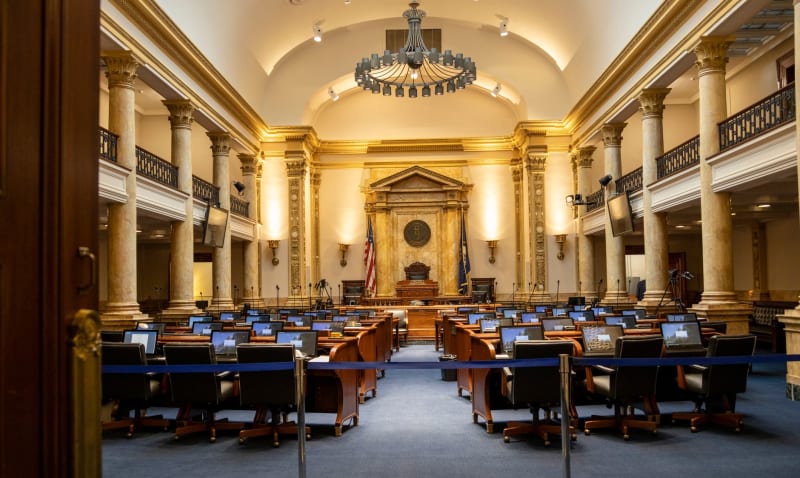
The recent Senate committee hearing, featuring Dr. Anthony Fauci, former Director of the National Institute of Allergy and Infectious Diseases (NIAID), quickly devolved into a contentious spectacle, marked by his repeated invocation of the Fifth Amendment. This constitutional right, protecting individuals from self-incrimination, became a central point of friction as senators pressed for answers on critical aspects of the pandemic response. The invocation of such a fundamental right by a prominent public health figure in a congressional setting is exceptionally rare and immediately raised profound questions about the nature of the information being withheld and the potential legal ramifications that Dr. Fauci might be facing or anticipating.
This dramatic turn of events unfolded amidst a backdrop of escalating public demand for accountability and transparency regarding the origins of COVID-19, the efficacy of various public health measures, and the decision-making processes that shaped national policy. For years, Dr. Fauci served as the public face of the U.S. pandemic response, offering guidance and reassurance. His current silence, therefore, creates a vacuum of information precisely when the public and their elected representatives are seeking definitive answers. The committee’s line of questioning focused heavily on his involvement in funding research at the Wuhan Institute of Virology and his early assessments of the virus's origins, areas that have been subject to intense scrutiny and debate.
The implications of Dr. Fauci's testimony extend far beyond the immediate hearing, potentially reshaping public trust in scientific leadership and government institutions. His decision to remain silent, while legally protected, is perceived by many as an obstruction to the truth-seeking mission of Congress. This situation underscores the deep partisan divisions that have characterized the pandemic response, with some lawmakers viewing his actions as an attempt to evade responsibility, while others defend his right to legal protection. The controversy further complicates efforts to conduct a comprehensive and unbiased review of the nation's preparedness and response to future public health crises.
Background
Dr. Anthony Fauci's career spans decades, marked by his pivotal role in combating HIV/AIDS and, more recently, leading the national response to the COVID-19 pandemic. As the long-serving director of NIAID, he became a household name, advising multiple presidents and shaping public health policy. His prominence during the pandemic, however, also made him a lightning rod for criticism, particularly concerning his evolving recommendations on masks, lockdowns, and vaccine mandates. This public visibility and the high stakes of the pandemic created an environment ripe for intense scrutiny, laying the groundwork for the contentious Senate hearing.
The specific questions that led to Dr. Fauci's invocation of the Fifth Amendment largely centered on two contentious areas: the origins of the SARS-CoV-2 virus and the funding of gain-of-function research. For years, a debate has raged over whether the virus emerged naturally or was the result of a lab leak, with particular attention paid to the Wuhan Institute of Virology. Lawmakers sought to understand Dr. Fauci's knowledge, communications, and decisions regarding NIAID's financial support for research conducted at or involving this facility, and whether he downplayed or dismissed the lab leak theory in early stages of the pandemic. These inquiries touch upon highly sensitive scientific and geopolitical issues.
The Fifth Amendment of the U.S. Constitution guarantees that no person "shall be compelled in any criminal case to be a witness against himself." While typically associated with criminal proceedings, individuals can invoke this right in civil cases or congressional hearings if their testimony could potentially expose them to criminal prosecution. Dr. Fauci's legal team likely advised this course of action to shield him from providing answers that could be used against him in any future legal proceedings, whether civil or criminal. This legal strategy, while within his rights, significantly hampers the committee's ability to gather information and fulfill its oversight responsibilities, fueling frustration among senators and the public alike.
Winners and Losers
In the immediate aftermath of the contentious hearing, it appears that the most significant 'loser' is arguably public trust in government and scientific institutions. Dr. Fauci's refusal to answer questions, while legally sound, creates an impression of evasion and secrecy, which can further erode confidence in the very experts and agencies tasked with protecting public health. This perception of withheld information fuels conspiracy theories and deepens existing partisan divides, making it harder for the public to discern truth from speculation. The lack of direct answers leaves critical gaps in the official narrative of the pandemic, fostering an environment of suspicion.
From a political standpoint, certain members of the Senate committee, particularly those who have been vocal critics of Dr. Fauci and the pandemic response, could be perceived as 'winners.' They successfully highlighted the perceived lack of transparency and accountability, using the hearing as a platform to underscore their long-standing concerns. Their persistent questioning, even in the face of silence, resonated with segments of the electorate who feel that critical questions about the pandemic have gone unanswered. This allows them to claim a moral victory, positioning themselves as champions of transparency and government oversight.
Conversely, Dr. Fauci himself, despite exercising his constitutional rights, faces significant reputational damage. While his legal team may view the invocation of the Fifth Amendment as a necessary protection, it undoubtedly tarnishes his public image, shifting the narrative from a dedicated public servant to an individual potentially concealing information. The long-term impact on his legacy and the public's perception of his contributions to public health remains to be seen, but the immediate fallout suggests a significant blow to his credibility among a substantial portion of the population. The broader scientific community also faces scrutiny, as the actions of one prominent figure can unfortunately cast a shadow over the entire field.
Analyst Perspectives
Legal analysts are largely in agreement that Dr. Fauci's invocation of the Fifth Amendment was a calculated, albeit drastic, legal strategy. "This isn't a decision made lightly; it suggests his legal counsel believes there's a genuine risk of criminal exposure, or at the very least, a significant legal vulnerability," explains constitutional law expert Dr. Eleanor Vance from Georgetown University. "While it's his right, the political and public relations fallout is immense. It transforms a fact-finding mission into a confrontation, signaling that there are indeed matters he believes could incriminate him, even if that's not the ultimate outcome." This move undoubtedly complicates any future attempts by Congress to compel his testimony without granting him immunity.
Public policy experts are expressing deep concern over the precedent this sets for future congressional oversight of scientific and public health officials. Dr. Marcus Chen, a public administration specialist at the University of California, Berkeley, notes, "When a figure of Dr. Fauci's stature invokes the Fifth, it creates a chilling effect and severely undermines the legislative branch's ability to conduct thorough investigations into critical national events. It implies that high-level officials might be able to stonewall legitimate inquiries, thereby weakening the checks and balances essential for democratic governance." This situation could embolden other officials to adopt similar tactics when facing uncomfortable questions, further obscuring transparency.
Medical ethics and public health commentators are grappling with the broader implications for the scientific community. Dr. Lena Sharma, a bioethicist at Johns Hopkins, stated, "The scientific community thrives on openness and transparency. When a leading figure like Dr. Fauci appears to withhold information under the protection of the Fifth Amendment, it can unfortunately be perceived as a betrayal of those principles. This incident risks deepening the public's distrust in science and public health institutions, making it harder to garner cooperation during future crises." The challenge now is how to rebuild this trust and ensure that scientific leadership can operate with both integrity and accountability.
Key Questions Explained
The Outlook
The immediate outlook suggests a prolonged period of legal and political wrangling. Congressional committees are unlikely to abandon their pursuit of answers, potentially escalating their tactics to compel testimony or seek alternative avenues for information. This could involve issuing subpoenas to other individuals, demanding documents, or even initiating contempt proceedings, though the latter is a complex and often politically charged process. The invocation of the Fifth Amendment by Dr. Fauci has effectively drawn a line in the sand, indicating that the battle for information will continue, likely in a more adversarial and protracted manner.
Beyond the immediate legal battles, the incident will undoubtedly fuel further public debate and scrutiny over the entire pandemic response. Advocates for greater transparency and accountability will leverage this event to press for more comprehensive investigations into government decision-making, scientific funding practices, and the origins of the virus. This renewed focus could lead to legislative efforts aimed at reforming oversight mechanisms or establishing clearer protocols for public health emergencies, ensuring that future officials are held to a higher standard of transparency without infringing on individual rights.
In the long term, the episode poses a significant challenge to the relationship between science, government, and the public. Rebuilding trust will require concerted efforts from all stakeholders to foster an environment of genuine openness and accountability. This might necessitate independent commissions, public dialogues, and a commitment from scientific leaders to engage transparently with legitimate inquiries, even when uncomfortable. The shadow cast by Dr. Fauci's silence underscores the urgent need for robust mechanisms that ensure public officials, regardless of their stature, are fully accountable to the citizens they serve, especially during times of national crisis.
















Comments
No comments yet. Be the first to comment!