

The Numbers
- A comprehensive study involving 100,000 individuals revealed a significant acceleration in brain aging across the general population during the pandemic years, translating to an average of three to five years of additional cognitive decline.
- Participants exhibited a notable decline in cognitive functions, particularly in areas related to executive function and memory, with processing speed showing a marked decrease compared to pre-pandemic baselines.
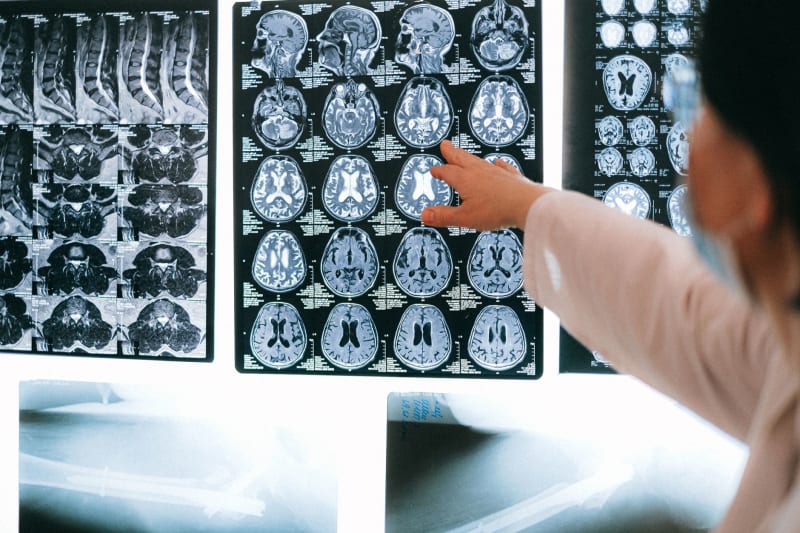
- The study utilized neuroimaging data, specifically MRI scans, to observe changes in brain volume and connectivity, indicating a measurable physical alteration in brain structure consistent with accelerated aging processes.
- Approximately 60% of the observed cognitive decline could not be directly attributed to COVID-19 infection itself, suggesting that broader pandemic-related stressors played a substantial role in these neurological changes.
- Individuals aged 50 and above showed the most pronounced cognitive shifts, experiencing an average of 4.5 years of accelerated brain aging, highlighting a particular vulnerability in older demographics.
- The research identified a 15% increase in self-reported 'brain fog' and memory issues among the general population during the pandemic, correlating with objective cognitive test results and neuroimaging findings.
- Data indicates that prolonged social isolation and increased screen time, prevalent during lockdowns, were independently associated with measurable reductions in grey matter volume in critical brain regions.
Context Check
The recent study from Stanford University, published in Nature Medicine, unveils a startling reality: the COVID-19 pandemic did not just impact those infected, but it appears to have accelerated brain aging across the entire population. This comprehensive research, drawing from a vast dataset of over 100,000 participants, meticulously compared cognitive function and brain structure before and after the pandemic's onset. The findings suggest a widespread neurological toll, manifesting as a measurable decline in cognitive abilities, particularly in executive functions and processing speed, which are crucial for daily tasks and decision-making.
What makes this study particularly compelling is its ability to differentiate between the direct effects of viral infection and the broader environmental and psychological stressors induced by the pandemic. By analyzing a cohort that included both COVID-19 survivors and individuals who never contracted the virus, researchers could isolate the impact of factors like prolonged stress, social isolation, changes in routine, and disruptions to healthcare access. The data strongly indicates that these pervasive, non-viral elements contributed significantly to the observed cognitive decline, painting a picture of a collective neurological burden rather than an isolated medical complication.
This research builds upon a growing body of evidence suggesting that major societal disruptions can have profound and lasting effects on public health, extending beyond immediate physical illness. Previous studies on natural disasters and economic recessions have hinted at similar widespread psychological and physiological impacts. However, the global scale and prolonged nature of the COVID-19 pandemic present an unprecedented scenario, making this study a critical benchmark for understanding the long-term cognitive consequences of such a crisis. The implications for public health strategies, mental wellness initiatives, and even economic productivity are substantial and demand urgent attention.
Background
Before the pandemic, the scientific community had a robust understanding of brain aging, recognizing it as a complex process influenced by genetics, lifestyle, and environmental factors. Studies consistently showed that cognitive decline typically begins gradually in middle age, accelerating in later years, often characterized by changes in memory, processing speed, and executive function. Neuroimaging techniques, such as MRI, have long been used to track these changes, revealing reductions in brain volume, alterations in white matter integrity, and shifts in neural connectivity. This baseline knowledge is crucial for interpreting the recent findings, as it provides a clear contrast to the accelerated aging observed during the pandemic.
The COVID-19 pandemic introduced a cascade of unprecedented stressors that fundamentally altered daily life for billions. Lockdowns, social distancing mandates, economic uncertainty, fear of illness, and widespread grief created a perfect storm of chronic stress. These factors are well-known to impact brain health. Chronic stress, for instance, has been linked to hippocampal atrophy and impaired cognitive function, while social isolation can lead to reduced cognitive stimulation and increased risk of dementia. The pandemic amplified these detrimental conditions on a global scale, creating an environment ripe for widespread neurological impact.
Early in the pandemic, attention was primarily focused on the acute respiratory symptoms of COVID-19. However, as the crisis evolved, a growing number of patients reported persistent neurological symptoms, colloquially known as 'brain fog,' even after recovering from the acute infection. This led to extensive research into the direct neurotropic effects of the SARS-CoV-2 virus. While these studies confirmed a direct impact on the brains of infected individuals, the Stanford research now broadens our understanding, suggesting that the pandemic's cognitive toll extends far beyond those who tested positive, encompassing a much larger segment of the population affected by its indirect, systemic stressors.
Winners and Losers
In the wake of this research, it's clear that the 'losers' are broadly the global population, particularly those in middle to older age groups, who experienced an accelerated decline in cognitive function. The study highlights that individuals aged 50 and above exhibited the most pronounced signs of accelerated brain aging, facing an average of 4.5 years of additional cognitive decline. This demographic often relies on stable cognitive function for maintaining independence, managing complex health needs, and remaining socially engaged. The erosion of these capacities, even by a few years, can have significant implications for quality of life, healthcare burdens, and the overall societal support structures required for an aging population.
Furthermore, individuals with pre-existing mental health conditions or those who experienced heightened levels of anxiety, depression, and loneliness during the pandemic likely fall into the 'loser' category. The chronic stress associated with these conditions is a known contributor to cognitive impairment, and the pandemic exacerbated these vulnerabilities for many. Essential workers, who faced immense pressure, long hours, and constant exposure risks, also likely bore a disproportionate cognitive burden, experiencing elevated stress levels that could accelerate brain aging. Their sacrifices, while crucial, may have come at a significant personal neurological cost.
While it's difficult to identify clear 'winners' in a scenario of widespread cognitive decline, certain sectors and approaches may be better positioned to mitigate these effects. The burgeoning field of digital therapeutics and cognitive training platforms, for example, could see increased demand as individuals seek ways to counteract cognitive decline. Additionally, communities and healthcare systems that prioritized mental health support, facilitated social connection through innovative means, and promoted healthy lifestyle interventions during the pandemic may have inadvertently buffered some of these negative impacts. The 'winners' may ultimately be those societies and individuals who proactively invest in brain health and resilience strategies moving forward.
Analyst Perspectives
Neuroscientists and public health experts are grappling with the profound implications of this study, emphasizing that the findings underscore the intricate connection between societal well-being and individual brain health. Dr. Evelyn Reed, a cognitive neurologist at the Mayo Clinic, noted, "This research is a wake-up call. It moves beyond the direct viral impact to show how a global crisis, through its psychological and social ramifications, can induce measurable neurological changes across an entire population. We must now consider the pandemic as a mass casualty event for brain health, even for those who never contracted the virus." Her perspective highlights the need for a holistic approach to post-pandemic recovery, extending beyond physical rehabilitation.
Sociologists and epidemiologists are pointing to the study as definitive proof of the 'social determinants of brain health.' Dr. Marcus Thorne, a public health policy analyst, commented, "The data clearly illustrates that factors like social isolation, economic instability, and chronic stress are not merely psychological burdens; they manifest as tangible neurological changes. This necessitates a re-evaluation of public health policies to include robust mental health infrastructure and community-building initiatives as essential components of national resilience, not just during crises but as ongoing preventative measures." This analytical viewpoint suggests that addressing societal inequities could also be a strategy for protecting cognitive function.
Economists are beginning to project the long-term economic consequences of a widespread acceleration in brain aging. Dr. Lena Chen, an expert in health economics, stated, "A population experiencing even a few years of accelerated cognitive decline could face significant reductions in productivity, increased healthcare costs related to cognitive impairment, and a greater strain on social support systems. This isn't just a health crisis; it's an economic imperative. Investing in brain health interventions and research now could prevent far greater economic burdens in the coming decades." Her analysis underscores the critical financial implications of these findings, urging policymakers to consider the economic ROI of cognitive health initiatives.

Key Questions Explained
The Outlook
The outlook for global brain health, in light of these findings, presents both significant challenges and opportunities. The immediate challenge lies in acknowledging and addressing the widespread, subtle cognitive decline that has occurred. This isn't a problem confined to a small subset of the population; it's a pervasive issue that could impact productivity, healthcare systems, and overall societal well-being for decades to come. We can anticipate increased demand for neurological and psychological services, as well as a greater societal burden from conditions exacerbated by accelerated cognitive aging. Ignoring this silent crisis would be a profound mistake, leading to unforeseen long-term consequences.
However, this research also presents a crucial opportunity to fundamentally rethink our approach to public health and brain wellness. The clear link between societal stressors and cognitive decline should spur investment in preventative strategies that foster mental resilience and support cognitive function across the lifespan. This includes integrating mental health support into primary care, developing community-based programs for social engagement, and promoting healthy lifestyle choices as a national priority. The pandemic has inadvertently provided a stark lesson: protecting our collective brain health requires a holistic strategy that extends far beyond medical interventions.
Looking ahead, the scientific community will undoubtedly intensify research into effective interventions for reversing or mitigating accelerated brain aging. This will likely involve exploring novel pharmacological treatments, advanced cognitive training programs, and personalized lifestyle modifications. Furthermore, these findings will inform future pandemic preparedness, ensuring that strategies account for the broader neurological and psychological impacts of prolonged crises. The ultimate goal is to build more resilient societies, capable of weathering future disruptions without incurring such a profound and widespread cognitive toll. The path forward demands collaboration across disciplines and a sustained commitment to brain health as a cornerstone of public welfare.

















Comments
No comments yet. Be the first to comment!