

At a Glance
- The United States has dramatically escalated trade tensions by imposing a staggering 104% tariff on a broad range of Chinese imports, marking a significant intensification of the ongoing economic conflict.
- This aggressive move by the Trump administration comes in direct response to Beijing's earlier imposition of a 34% reciprocal tariff against American goods, signaling a rapid tit-for-tat escalation.
- China's Ministry of Commerce has issued a stern warning, declaring its unwavering resolve to 'fight to the end' in this trade dispute, indicating a prolonged and potentially damaging economic confrontation.
- Economists are expressing deep concerns about the potential for widespread disruption to global supply chains, increased consumer prices, and a slowdown in international trade, impacting economies worldwide.
- Industries heavily reliant on US-China trade, including technology, manufacturing, and agriculture, are bracing for severe impacts, with many contemplating significant operational adjustments and potential job losses.
- The current trajectory suggests a complete decoupling of the two largest economies, which could redefine global economic alliances and trade routes for decades to come, creating unprecedented challenges and opportunities.
The Record
The latest salvo in the escalating trade war between the United States and China has seen the Trump administration impose an unprecedented 104% tariff on a wide array of Chinese goods. This move, announced with immediate effect, represents a significant hardening of Washington's stance and a clear signal of its intent to force fundamental changes in trade practices it deems unfair. The tariffs target sectors ranging from advanced manufacturing components to consumer electronics, aiming to exert maximum pressure on Beijing's export-driven economy. This aggressive posture follows months of simmering tensions and failed negotiations, pushing the two economic superpowers closer to a full-blown trade conflict.
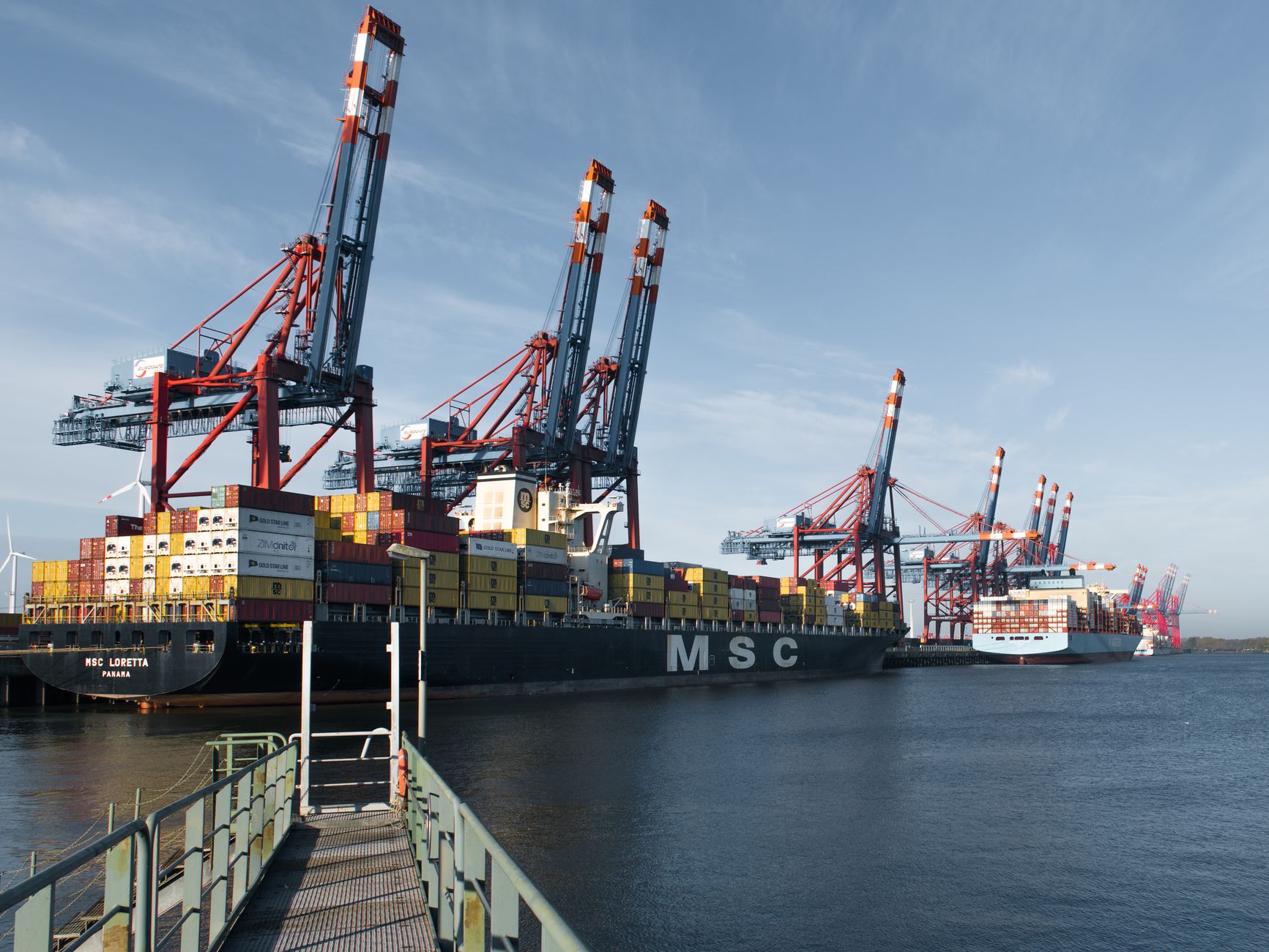
This dramatic escalation was not unprovoked. Beijing had previously implemented a 34% reciprocal tariff on American products, a direct response to earlier, less severe US tariffs. China's actions were framed as a necessary defense of its national interests and a rejection of what it characterized as protectionist measures by the United States. The tit-for-tat nature of these tariff impositions underscores a dangerous cycle of retaliation, where each side feels compelled to respond with greater force, pushing the global trading system to its breaking point. The economic implications of such a rapid and severe escalation are profound, threatening to unravel decades of integrated global supply chains.
In a defiant statement, China's Ministry of Commerce declared its unwavering commitment to 'fight to the end,' signaling that Beijing will not back down in the face of increased pressure. This rhetoric suggests that the current tariffs are unlikely to be the final chapter in this economic confrontation. Instead, it portends a prolonged period of uncertainty and potential further retaliatory measures from both sides. The global community watches with bated breath, as the actions of these two economic giants ripple through international markets, affecting everything from commodity prices to investment decisions and ultimately, the livelihoods of millions worldwide. The prospect of a protracted trade war raises serious questions about the stability of the global economic order.
Who Knew and When
While the specific timing and magnitude of the 104% tariff caught many by surprise, the general trajectory towards an intensified trade conflict has been evident for months. Economic analysts and trade experts have consistently warned that both Washington and Beijing were on a collision course, given their entrenched positions and the failure of multiple rounds of negotiations to yield a breakthrough. Reports from inside the White House and discussions among trade representatives hinted at a growing frustration within the Trump administration regarding China's perceived unfair trade practices and intellectual property theft. These discussions, often leaked through anonymous sources, indicated a willingness to employ more aggressive tactics if diplomatic efforts continued to stall.
The intelligence community and financial markets had also been closely monitoring the escalating rhetoric. Major investment banks and international financial institutions had already begun advising clients to brace for increased volatility and potential disruptions to global supply chains, even before the latest tariffs were announced. Their risk assessments often highlighted the possibility of a significant tariff hike as a 'worst-case scenario' that was becoming increasingly probable. Furthermore, the Chinese government's own public statements, particularly its firm stance on national sovereignty and economic independence, provided clear signals that it would not capitulate easily to US demands, setting the stage for reciprocal actions.
The 34% reciprocal tariff imposed by Beijing was a clear indicator that China was prepared to respond forcefully to any US trade aggression. This move, while expected by those tracking the situation closely, solidified the understanding that neither side was willing to back down. The subsequent 104% tariff from the US, therefore, can be seen as a direct, albeit significantly amplified, response to China's earlier actions. This sequence of events demonstrates a predictable, yet alarming, escalation pattern that has been unfolding in plain sight for those paying close attention to the geopolitical and economic indicators emanating from both Washington and Beijing.
Voices from the Ground
The immediate impact of these escalating tariffs is being felt acutely by businesses and consumers on both sides of the Pacific. American importers, particularly those in the electronics and manufacturing sectors, are scrambling to reassess their supply chains and pricing strategies. "This 104% tariff isn't just a number; it's a direct hit to our bottom line and, ultimately, to American consumers," stated Sarah Chen, CEO of a major electronics distributor based in California. "We're already exploring alternative sourcing, but shifting production overnight is impossible. This will undoubtedly lead to higher prices for everything from smartphones to washing machines, making everyday goods more expensive for families." The sentiment among these businesses is one of deep concern and uncertainty, as they navigate an increasingly complex and hostile trade environment.
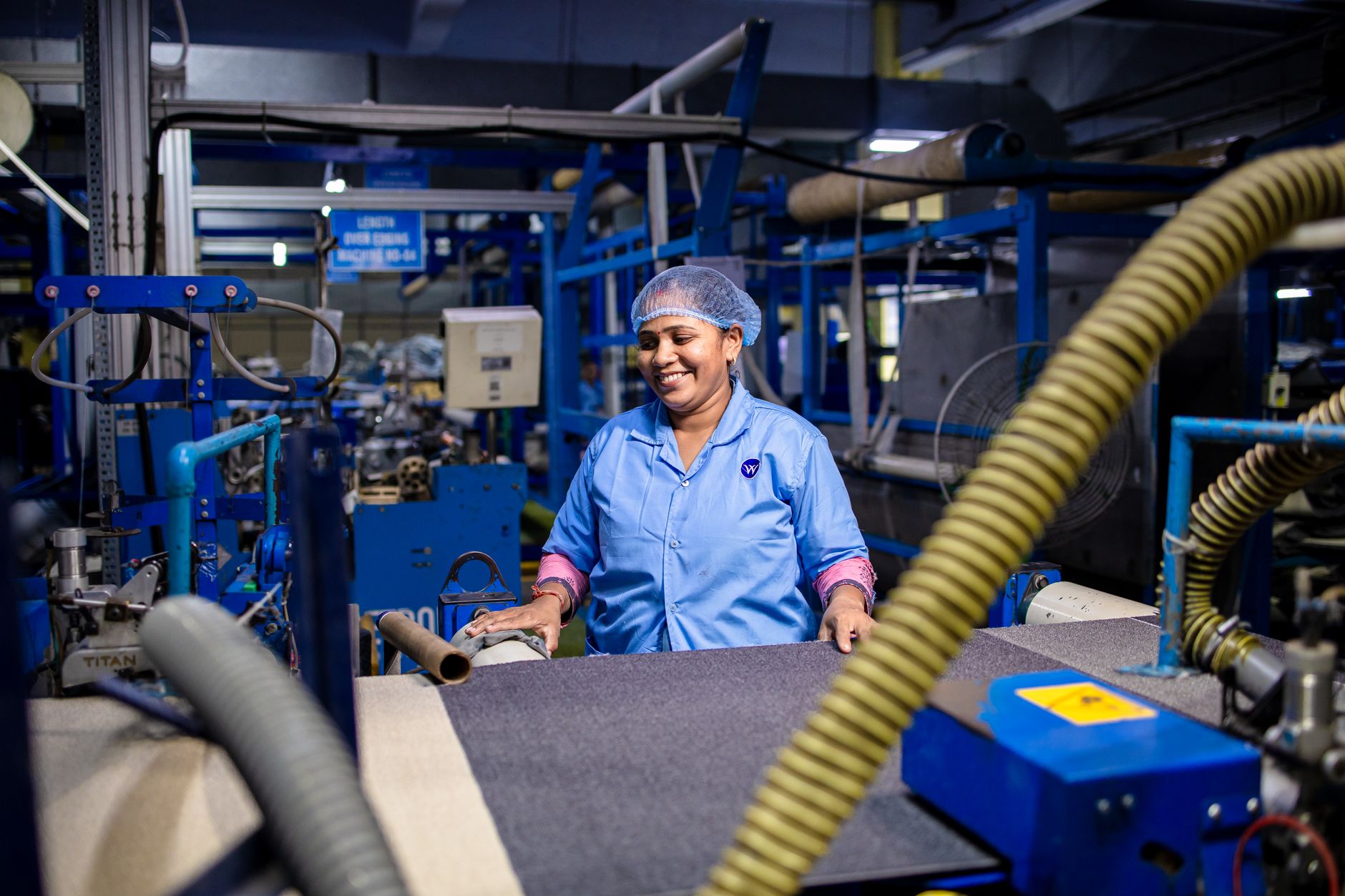
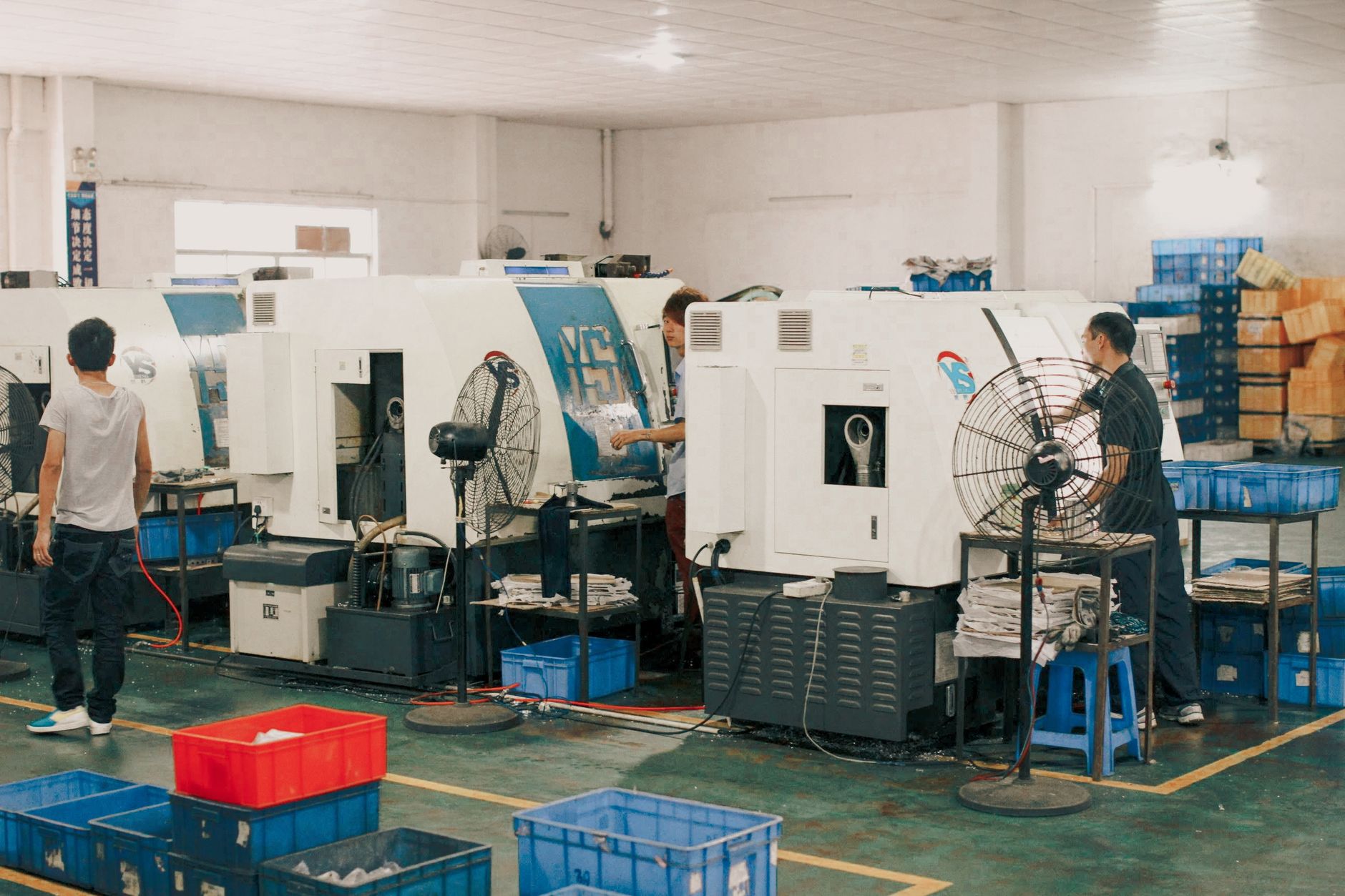
In China, exporters are facing an existential crisis. Factories that have long relied on the American market are now staring down the barrel of drastically reduced demand and uncompetitive pricing. "Our entire business model is built on efficiency and scale, exporting to the US," lamented Li Wei, manager of a textile factory in Guangdong province. "With a 104% tariff, our products become unaffordable for American buyers. We're already seeing order cancellations, and the future looks incredibly bleak. Thousands of jobs are at risk here, and many small and medium-sized enterprises simply won't survive this." The human cost of this trade war is becoming increasingly apparent, with widespread fears of unemployment and economic hardship permeating industrial regions.
Beyond the immediate business community, consumers are also expressing apprehension. A recent survey in the US indicated that a majority of respondents are worried about rising costs of living and the potential for a broader economic downturn. Similarly, Chinese citizens are concerned about job security and the overall stability of their economy. Farmers in both nations, who have already been caught in the crossfire of previous tariff rounds, are particularly vulnerable. "We've invested heavily in our crops, only to see our markets disappear overnight," said an Iowa soybean farmer, reflecting the despair felt by many. These tariffs are not just abstract economic policies; they are directly impacting the daily lives and long-term prospects of millions of individuals.
The Debate
The imposition of a 104% tariff has ignited a fierce debate among economists, policymakers, and industry leaders regarding its efficacy and long-term consequences. Proponents of the aggressive tariff strategy, primarily within the Trump administration, argue that such drastic measures are necessary to force China to address long-standing issues of intellectual property theft, forced technology transfers, and market access restrictions. They contend that previous, more moderate approaches have failed to yield meaningful results, and only significant economic pressure will compel Beijing to negotiate in good faith and level the playing field for American businesses. This camp believes that the short-term pain is a necessary cost for achieving a more equitable and sustainable trade relationship in the future.
Conversely, a substantial chorus of critics, including many mainstream economists and international trade organizations, warns that these tariffs are a dangerous gamble that will ultimately harm American consumers and businesses more than they will pressure China. They argue that tariffs are essentially taxes paid by domestic importers, which are then passed on to consumers in the form of higher prices. Furthermore, they highlight the risk of retaliatory measures from China, which could severely impact American agricultural exports and other key industries, leading to job losses and reduced competitiveness. This perspective emphasizes that a trade war has no real winners, only varying degrees of losers, and advocates for diplomatic solutions and multilateral engagement over unilateral economic coercion.
The debate also extends to the geopolitical implications. Some analysts suggest that the escalating trade war could inadvertently push China closer to other trading partners, potentially weakening the US's global economic influence and accelerating the fragmentation of the global trading system. Others argue that a strong stance against China's trade practices is vital for national security and maintaining technological leadership, even if it comes at an economic cost. The fundamental question at the heart of this debate is whether the potential long-term benefits of reshaping global trade relations outweigh the immediate and significant economic disruptions and risks of a prolonged, damaging conflict between the world's two largest economies.
Your Questions Answered
What Accountability Looks Like
In the context of this escalating trade war, accountability takes on multiple dimensions. For the Trump administration, accountability will be measured by whether these aggressive tariffs ultimately achieve their stated goals: compelling China to adopt fairer trade practices, protecting American industries, and reducing the trade deficit. If the tariffs lead to a significant economic downturn in the US, widespread job losses, or a failure to alter China's behavior, the administration will face intense scrutiny and criticism for its strategy. The economic data, including GDP growth, inflation rates, and employment figures, will serve as critical metrics for evaluating the effectiveness and wisdom of these policies.
On China's side, accountability will revolve around its ability to withstand the economic pressure and maintain domestic stability while also pursuing its long-term economic and geopolitical objectives. Beijing's promise to 'fight to the end' implies a commitment to protect its industries and national interests, but it also carries the burden of mitigating the economic fallout for its own citizens and businesses. The Chinese government will be judged on its capacity to diversify its economy, foster domestic consumption, and forge new trade alliances to offset the impact of US tariffs, all while managing potential social unrest stemming from economic hardship.
Beyond the two primary antagonists, international organizations like the World Trade Organization (WTO) also face a test of their relevance and effectiveness. Their inability to mediate or enforce rules in such a high-stakes trade dispute raises questions about the future of multilateral trade governance. Ultimately, accountability will be shared by all actors whose decisions contribute to either de-escalation or further conflict, with the global economy and the livelihoods of billions hanging in the balance. The long-term historical judgment will weigh heavily on those who chose confrontation over cooperation in this critical juncture of global economic relations.






Comments
No comments yet. Be the first to comment!