

Policy Snapshot
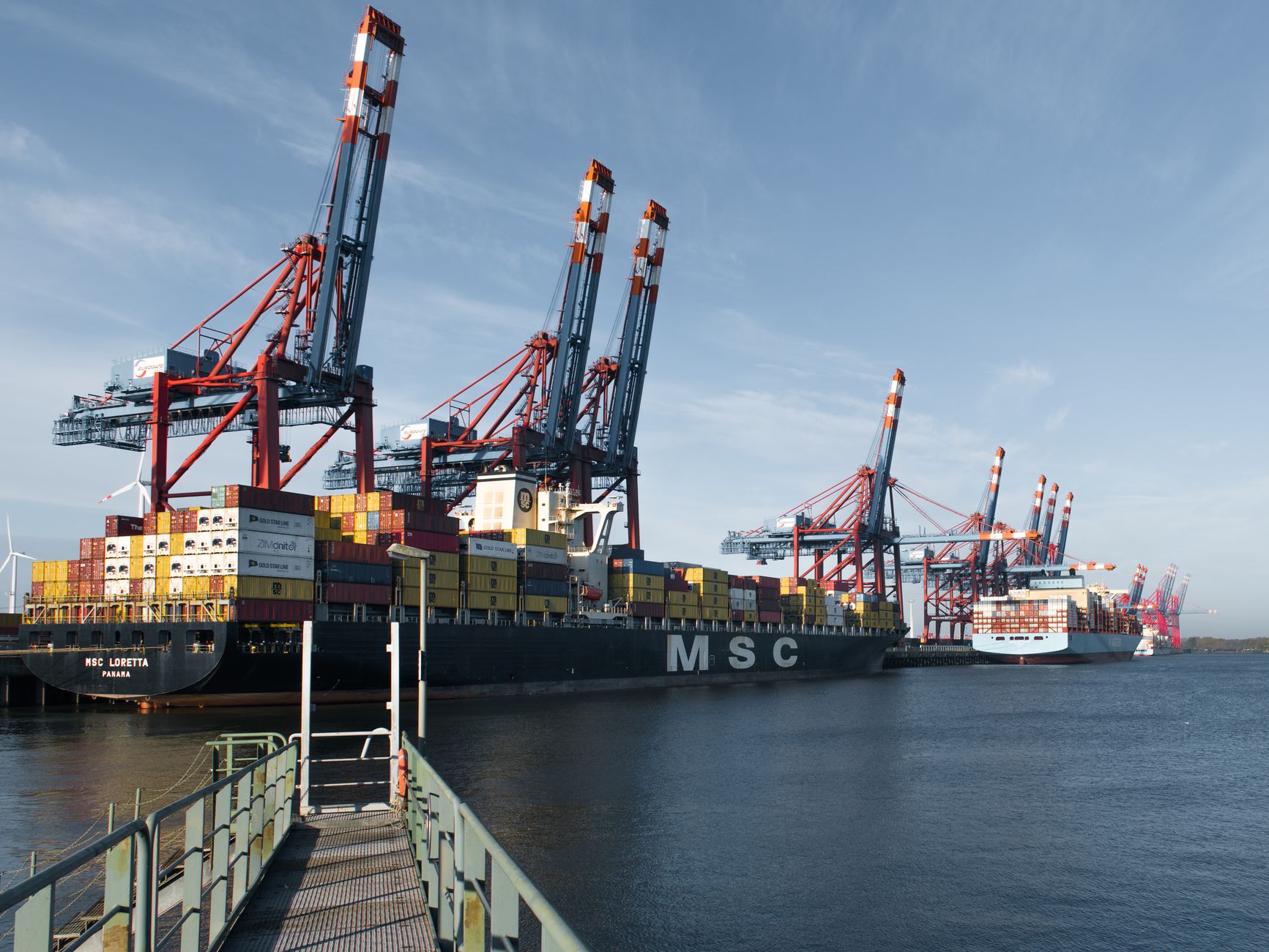
- Twenty-five U.S. states, including major economic powerhouses like California and New York, have collectively filed a lawsuit against the Trump administration's recent imposition of tariffs on key trading partners, marking a significant escalation in the ongoing trade dispute.
- The lawsuit specifically targets the administration's use of Section 232 of the Trade Expansion Act of 1962, arguing that the broad application of 'national security' justifications for tariffs on allies is an overreach of executive power and lacks proper congressional oversight.
- These new tariffs, which impact a wide array of imported goods from steel and aluminum to agricultural products, are designed to protect domestic industries but are widely criticized for potentially triggering retaliatory measures from international partners.
- The states contend that these tariffs will directly harm their local economies, leading to increased costs for consumers, reduced competitiveness for businesses reliant on imported components, and job losses in various sectors.
- The legal challenge seeks an injunction to prevent the implementation and enforcement of these tariffs, aiming to restore a more predictable and stable international trade environment for American businesses and consumers.
- This litigation represents a rare instance of states directly challenging federal trade policy, highlighting the deep divisions and profound economic concerns surrounding the administration's protectionist agenda.
The Policy History
The Trump administration's aggressive use of tariffs is rooted in a long-standing belief that existing trade agreements and practices have disadvantaged American workers and industries. From the outset of his presidency, Donald Trump signaled a departure from decades of bipartisan support for free trade, advocating instead for a protectionist stance aimed at rebalancing trade deficits and bringing manufacturing jobs back to the United States. This philosophy manifested in a series of tariff impositions, initially targeting specific goods and countries, but progressively expanding in scope and impact. The administration often invoked national security clauses, particularly Section 232 of the Trade Expansion Act of 1962, to justify these measures, arguing that reliance on foreign imports for critical materials like steel and aluminum posed a threat to national defense. This interpretation of national security has been widely contested by economists, trade experts, and now, a significant coalition of U.S. states, who argue it is a thinly veiled attempt to implement protectionist policies without congressional approval.
Prior to the current wave of tariffs, the U.S. had a complex history with trade protectionism. While the post-World War II era largely saw a move towards liberalization and the establishment of international trade organizations like the WTO, tariffs have always been a tool in the federal government's arsenal. However, their application has typically been more targeted, often in response to specific unfair trade practices or as part of broader economic negotiations. The current administration's approach, characterized by broad, sweeping tariffs applied to a wide range of goods and often against long-standing allies, marks a significant departure from this historical norm. This shift has not only strained international relations but has also ignited a contentious domestic debate about the appropriate balance between executive authority, congressional oversight, and the economic well-being of American citizens and businesses. The legal challenge from 25 states underscores the profound constitutional and economic questions raised by this aggressive trade strategy.
The specific tariffs at the heart of this lawsuit are not isolated incidents but rather part of a broader pattern of trade actions taken by the Trump administration. These include tariffs on solar panels and washing machines, steel and aluminum tariffs on a global scale, and a protracted trade war with China involving billions of dollars in goods. Each of these actions has generated significant debate and opposition, both domestically and internationally. The current lawsuit, however, represents a particularly potent challenge because it unites a substantial number of states, reflecting a widespread concern among state governments about the direct economic consequences of these policies on their constituents. This collective action highlights the growing frustration with the federal government's trade agenda and its perceived disregard for the economic stability of individual states and the industries within them.
Who Is Affected
The ripple effects of these tariffs extend far beyond the initial point of import, impacting a diverse array of stakeholders across the American economic landscape. Consumers are among the most directly affected, as tariffs on imported goods often translate into higher prices for everything from automobiles and appliances to food products. Businesses that rely on imported raw materials or components, such as manufacturers of machinery, construction companies, and even craft brewers, face increased operational costs. These businesses may struggle to absorb the added expenses, potentially leading to reduced profit margins, delayed expansion plans, or even the necessity of passing these costs onto their customers, further fueling inflation. The competitive disadvantage for American companies that source globally, compared to those with purely domestic supply chains, is also a significant concern, potentially stifling innovation and growth.
Beyond direct price increases, American exporters are also heavily impacted by retaliatory tariffs imposed by trading partners. When the U.S. levies tariffs, other countries often respond in kind, targeting key American exports. This particularly harms agricultural sectors, such as soybean and pork producers, who see their overseas markets shrink and their products become less competitive. Manufacturing industries, including aerospace and automotive, also face significant challenges as their products become more expensive for international buyers. This creates a double-edged sword: domestic industries might see some protection, but export-oriented businesses suffer, leading to job losses and economic contraction in those sectors. The lawsuit filed by the states explicitly highlights these adverse effects, arguing that the federal government's trade policy is inflicting damage on the very economic entities it purports to protect.
State and local governments themselves are not immune to the economic fallout. Reduced economic activity, decreased corporate profits, and potential job losses can lead to lower tax revenues, straining state budgets and limiting their ability to fund essential public services. Furthermore, states often have their own trade relationships and economic development initiatives that can be undermined by federal tariff policies. The coalition of 25 states suing the administration represents a broad spectrum of economic interests, from agricultural states to manufacturing hubs and major port states. Their collective action underscores the widespread and tangible economic harm they anticipate, or are already experiencing, as a direct consequence of these tariffs, making this a critical legal and economic battle with far-reaching implications for all Americans.
The Case For
Proponents of the Trump administration's tariffs argue that these measures are a necessary and overdue recalibration of global trade relations, designed to protect vital domestic industries and ensure national security. The core argument rests on the premise that decades of unchecked free trade have led to the decline of American manufacturing, the outsourcing of jobs, and an over-reliance on foreign supply chains, particularly from countries engaging in unfair trade practices. By imposing tariffs, the administration aims to level the playing field, making imported goods more expensive and thus encouraging consumers and businesses to purchase domestically produced alternatives. This, they contend, will stimulate American industry, create jobs, and bolster the nation's industrial base, which is deemed crucial for economic resilience and national defense, especially in sectors like steel and aluminum.
Furthermore, advocates assert that tariffs serve as a powerful bargaining chip in international trade negotiations. By demonstrating a willingness to impose economic costs, the U.S. can pressure trading partners to eliminate their own tariffs, subsidies, and non-tariff barriers that disadvantage American exports. The administration's strategy is to force a re-evaluation of existing trade agreements, which it views as unbalanced and detrimental to American interests. They believe that short-term economic disruptions are a justifiable price for achieving long-term benefits, such as fairer trade deals, increased domestic production capacity, and a stronger negotiating position on the global stage. This perspective frames the tariffs not as an end in themselves, but as a strategic tool to achieve a more equitable and beneficial international trade environment for the United States.
Finally, the argument for tariffs often emphasizes the concept of national security, particularly under Section 232 of the Trade Expansion Act. The administration maintains that a robust domestic capacity for producing essential goods, such as steel and aluminum, is paramount for national defense and critical infrastructure. Relying too heavily on foreign sources, even from allies, could leave the U.S. vulnerable in times of crisis or conflict. Therefore, tariffs are presented as a means to safeguard these strategic industries, ensuring that the nation possesses the fundamental capabilities required to protect itself. This perspective prioritizes self-sufficiency and strategic independence over the immediate economic efficiencies that globalized supply chains might offer, viewing the tariffs as an investment in the nation's long-term security and industrial strength.
The Case Against
The coalition of 25 states, along with a vast consensus of economists and trade experts, vehemently argues that the Trump administration's tariffs are economically damaging, legally dubious, and counterproductive to American interests. Their primary contention is that tariffs are essentially taxes on American consumers and businesses, not on foreign producers. By increasing the cost of imported goods and raw materials, tariffs raise prices for consumers, reduce the competitiveness of American companies that rely on these imports, and ultimately lead to job losses in sectors that are either directly impacted or suffer from retaliatory measures. This effectively negates any potential benefits to protected industries, creating a net negative effect on the broader economy. The states argue that this self-inflicted economic wound is unnecessary and undermines the prosperity of their citizens and local businesses.
Furthermore, opponents challenge the legal basis for the tariffs, particularly the broad application of Section 232 of the Trade Expansion Act of 1962. They argue that invoking 'national security' to justify tariffs on goods from close allies like Canada, Mexico, and European Union nations is an abuse of executive power and a misinterpretation of the statute's original intent. This expansive use of executive authority bypasses Congress, which traditionally holds the power to regulate commerce and set trade policy. The lawsuit contends that such an overreach undermines the constitutional separation of powers and sets a dangerous precedent, allowing any administration to unilaterally impose tariffs under a vague national security pretext, thereby destabilizing international trade relations and creating immense uncertainty for businesses and investors. The lack of clear, objective criteria for determining national security threats in this context is a central point of contention.
Finally, critics emphasize that tariffs provoke retaliatory actions from trading partners, escalating into damaging trade wars that harm American exporters and disrupt global supply chains. Rather than fostering fairer trade, these measures alienate allies, undermine international cooperation, and weaken the rules-based global trading system that the U.S. helped build. The economic costs of these trade wars, including lost market access for American products, reduced agricultural exports, and increased input costs for manufacturers, far outweigh any perceived benefits of protecting specific domestic industries. The states' lawsuit highlights that these tariffs are not a strategic pathway to economic strength but rather a destructive policy that isolates the U.S. and inflicts unnecessary economic pain on its own citizens and businesses, ultimately diminishing America's global economic standing.

Policy Questions Answered
Implementation Watch
The implementation of these tariffs has already begun to manifest in tangible ways across various sectors, creating immediate challenges for businesses and consumers. Companies that rely on global supply chains are scrambling to adjust, either by seeking alternative, often more expensive, domestic suppliers or by absorbing the increased costs and passing them onto customers. This has led to price hikes on a range of goods, from construction materials to automobiles, directly impacting household budgets. Furthermore, the uncertainty created by the ongoing trade disputes and the lawsuit itself is causing businesses to delay investment decisions, hindering economic growth and job creation. The practical reality on the ground is one of increased complexity and cost for many American enterprises, forcing them to re-evaluate their operational strategies in a rapidly shifting trade environment.
Monitoring the direct economic fallout from these tariffs is crucial, as the effects are not uniform across all states or industries. While some domestic industries, such as certain steel producers, might see a temporary boost from reduced foreign competition, this benefit is often overshadowed by the broader negative impacts. For instance, manufacturers that use steel as an input now face higher costs, potentially making their final products less competitive both domestically and internationally. Agricultural states are particularly vulnerable, as retaliatory tariffs from countries like China have severely impacted demand for key U.S. exports, leading to significant financial strain for farmers. The lawsuit provides a critical lens through which to observe these disparate impacts, as the states' arguments are grounded in the real-world economic pressures their constituents are facing.
Looking ahead, the resolution of this lawsuit will significantly shape the future implementation and enforcement of U.S. trade policy. If the courts rule against the administration, it could force a rollback of existing tariffs and establish clearer boundaries for the executive branch's authority under Section 232. This would bring a degree of predictability back to international trade, allowing businesses to plan with greater certainty. Conversely, a ruling in favor of the administration could embolden future presidents to use similar broad tariff powers, potentially leading to more frequent and aggressive trade actions. Regardless of the outcome, the legal battle highlights the urgent need for a coherent and stable trade strategy that balances national interests with global economic realities, ensuring that American businesses and consumers are not unduly burdened by protectionist measures.














Comments
No comments yet. Be the first to comment!