

At a Glance
- Major oil companies are reporting unprecedented financial gains, with profits soaring to record highs, largely attributed to elevated global energy prices driven by geopolitical tensions and supply chain disruptions.
- Former President Donald Trump has publicly criticized energy giants, accusing them of exploiting the current economic climate and 'making too much money' at the expense of American consumers and businesses.
- The significant profit margins are being labeled a 'war bonus' by critics, implying that these corporations are directly benefiting from the instability and conflicts in Eastern Europe and the Middle East.
- This surge in profits is intensifying calls for greater accountability and potential government intervention, including discussions around windfall taxes or stricter regulatory oversight to curb perceived price gouging.
- The debate highlights a stark contrast between corporate financial success and the economic strain felt by ordinary citizens facing high fuel and energy costs, fueling public discontent and political scrutiny.
- Industry leaders defend their profits, citing necessary investments in exploration, production, and infrastructure, arguing that these returns are essential for maintaining energy security and funding future energy transitions.
The Record
The global energy landscape has been a whirlwind of volatility, directly translating into a bonanza for major oil and gas corporations. Recent financial reports reveal staggering profits that have not only met but often exceeded analyst expectations, painting a picture of an industry thriving amidst global instability. These companies are not just making money; they are accumulating wealth at an unprecedented rate, a phenomenon that has drawn the keen eye of politicians and the public alike. This financial surge is primarily driven by the sustained high prices of crude oil and natural gas, which have been significantly impacted by geopolitical events, including ongoing conflicts and supply chain bottlenecks.
This dramatic increase in profitability has not gone unnoticed by prominent political figures. Former President Donald Trump, known for his direct and often provocative statements, has lambasted these energy giants, asserting that they are exploiting a crisis to line their pockets. His remarks, delivered with characteristic bluntness, accuse these corporations of 'making too much money' at a time when ordinary Americans are struggling with inflated energy costs. Such criticisms resonate deeply with a populace grappling with persistent inflation and the squeeze on household budgets, amplifying the political pressure on the industry.
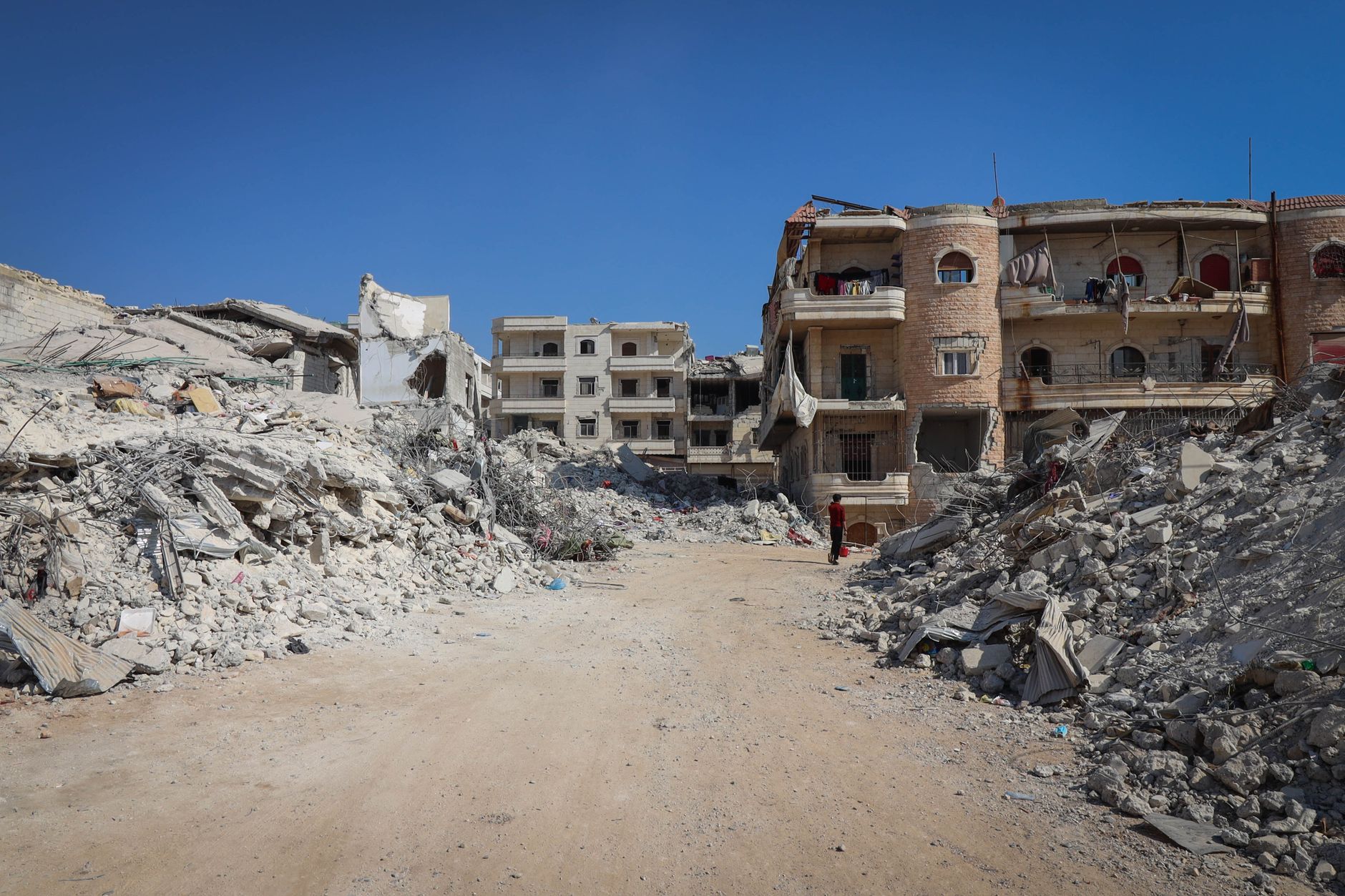
The term 'war bonus' has entered the lexicon to describe these extraordinary profits, a phrase that powerfully encapsulates the public perception of companies benefiting from global strife. This isn't merely a semantic choice; it’s a direct accusation that the industry's financial success is intrinsically linked to the tragic events unfolding in various conflict zones, particularly the war in Ukraine and tensions in the Middle East. The implication is clear: while nations grapple with humanitarian crises and economic fallout, certain corporations are experiencing an economic boom, raising profound ethical questions about profiteering during times of widespread hardship and instability.
Who Knew and When
The trajectory of oil prices and the potential for significant profits were largely predictable for industry insiders and market analysts, especially following the initial disruptions caused by the conflict in Ukraine. As early as late 2021 and into early 2022, geopolitical tensions were already signaling a tightening of global energy supplies. Expert forecasts consistently pointed towards sustained high prices, anticipating that sanctions against Russia and the subsequent realignment of global energy markets would create a lucrative environment for non-sanctioned producers. This foresight allowed major energy companies to strategically position themselves to capitalize on the impending market shifts, adjusting their production and trading strategies accordingly.
Government officials and policymakers were also aware of the impending energy crisis and its potential economic ramifications. Briefings from intelligence agencies and economic advisors undoubtedly highlighted the vulnerability of global energy markets to geopolitical shocks. While the exact magnitude of the 'war bonus' might not have been precisely quantified, the general understanding that energy companies would see increased revenue due to higher prices was certainly present. The challenge for governments then became how to balance the need for energy security with the imperative to protect consumers from exorbitant costs, a dilemma that continues to fuel the current debate.
The public, however, often experiences these shifts more acutely and reactively. While economists and industry experts were tracking these trends, the average consumer only truly felt the impact at the gas pump or in their utility bills. The realization of record profits by energy companies, juxtaposed against rising living costs, has fostered a sense of injustice and exploitation. This delayed but powerful public awareness has been a critical factor in galvanizing political figures like Donald Trump to voice strong criticisms, tapping into a widespread sentiment that these profits are unearned and come at the direct expense of hardworking families and small businesses.
Voices from the Ground
Across the nation, the sentiment among ordinary citizens is one of frustration and a growing sense of economic strain. Small business owners, particularly those reliant on transportation or energy-intensive operations, report significant challenges in maintaining profitability amidst soaring fuel and utility costs. "Every time I fill up my delivery truck, it feels like I'm taking a hit directly to my bottom line," remarked Maria Rodriguez, owner of a local bakery. "These huge oil company profits just add insult to injury when we're struggling to keep our doors open and pay our employees a living wage. It feels fundamentally unfair that some are making billions while others are just trying to survive."
Consumer advocacy groups are amplifying these concerns, highlighting how the 'war bonus' translates into tangible hardships for households. "We're seeing families forced to make impossible choices between heating their homes, putting food on the table, or filling their gas tanks," stated David Chen, director of the National Consumer Alliance. "The record profits reported by these energy giants are not abstract numbers; they represent real money extracted from the pockets of everyday Americans. This isn't just about market dynamics; it's about social responsibility and the ethical implications of profiting excessively during a period of widespread economic vulnerability." Their calls for government intervention, such as windfall taxes, are growing louder.
Conversely, some voices within the energy sector and among investors offer a different perspective. They argue that these profits are a natural outcome of market forces and necessary for future investment and energy security. "These companies take enormous risks, investing billions in exploration and infrastructure," explained Sarah Miller, an energy analyst. "The returns we're seeing now are a reflection of that risk and the capital intensity of the industry. Furthermore, these profits are often reinvested into developing new energy sources and technologies, which are crucial for our long-term energy transition and maintaining a stable supply." This viewpoint emphasizes the cyclical nature of commodity markets and the need for robust capital to ensure future energy availability.
The Debate
The debate surrounding the 'war bonus' profits of energy companies is multifaceted, pitting economic principles against ethical considerations and political expediency. On one side, critics, including former President Trump and numerous progressive lawmakers, argue that these extraordinary profits are a direct result of market manipulation or, at the very least, an unconscionable exploitation of global crises. They contend that such windfalls, particularly when consumers are facing inflationary pressures, demand a robust governmental response, possibly in the form of a windfall tax. This tax would aim to recapture a portion of these excess profits and redirect them to alleviate consumer burdens or fund public services, asserting that no company should benefit so disproportionately from global instability.
Proponents of the energy industry, however, vehemently defend their financial performance, framing it as a testament to efficient operations and strategic market positioning within a volatile global economy. They emphasize that the oil and gas sector is inherently cyclical, experiencing periods of both boom and bust. They argue that current profits are essential to offset previous losses, fund massive capital expenditures required for exploration and production, and invest in the transition to cleaner energy sources. Imposing punitive taxes, they warn, could stifle innovation, reduce investment in critical energy infrastructure, and ultimately jeopardize long-term energy security, potentially leading to even higher prices in the future.
Beyond the immediate financial arguments, the debate also touches upon the broader role of corporations in society during times of crisis. Is it acceptable for companies to maximize shareholder value without regard for the broader societal impact of their pricing strategies? Or do they have a moral obligation to temper profits when the public is suffering? This ethical dimension adds a layer of complexity, moving beyond pure economic theory to questions of corporate social responsibility and the equitable distribution of economic burdens and benefits. The outcome of this debate could significantly influence future regulatory frameworks and public perception of the energy sector for years to come.
Your Questions Answered
What Accountability Looks Like
Achieving true accountability for the 'war bonus' profits of energy giants requires a multi-pronged approach that extends beyond mere criticism. One primary mechanism being explored is the implementation of a windfall profits tax. This would involve legislative action to impose a special, one-time tax on the extraordinary earnings of oil and gas companies that are deemed to be beyond their normal operating profits, particularly those directly attributable to external, non-market factors like geopolitical conflicts. The revenue generated from such a tax could then be earmarked for consumer relief programs, investments in renewable energy infrastructure, or to reduce national debt, thereby directly addressing the societal impact of these profits.
Beyond taxation, enhanced regulatory oversight is another crucial component. This could involve strengthening antitrust laws to investigate potential price gouging or market manipulation, ensuring that competition remains fair and that consumers are not being exploited. Regulatory bodies could also be empowered to demand greater transparency from energy companies regarding their pricing structures, production costs, and profit margins, allowing for more informed public and governmental scrutiny. Such measures aim to prevent future instances of perceived profiteering and ensure that market dynamics are genuinely serving the public interest, not just corporate shareholders.
Ultimately, accountability also involves a shift in corporate governance and social responsibility. While maximizing shareholder value is a core tenet of capitalism, there is a growing expectation for corporations, especially those in essential sectors like energy, to consider their broader societal impact. This could manifest through voluntary commitments to cap price increases during crises, increased investment in community programs, or accelerating their transition to sustainable energy sources using these profits. The public and political pressure for accountability is not just about punitive measures; it's also about fostering a more equitable and responsible approach to doing business, particularly when global events create such stark economic disparities.











Comments
No comments yet. Be the first to comment!