
The Story in Brief
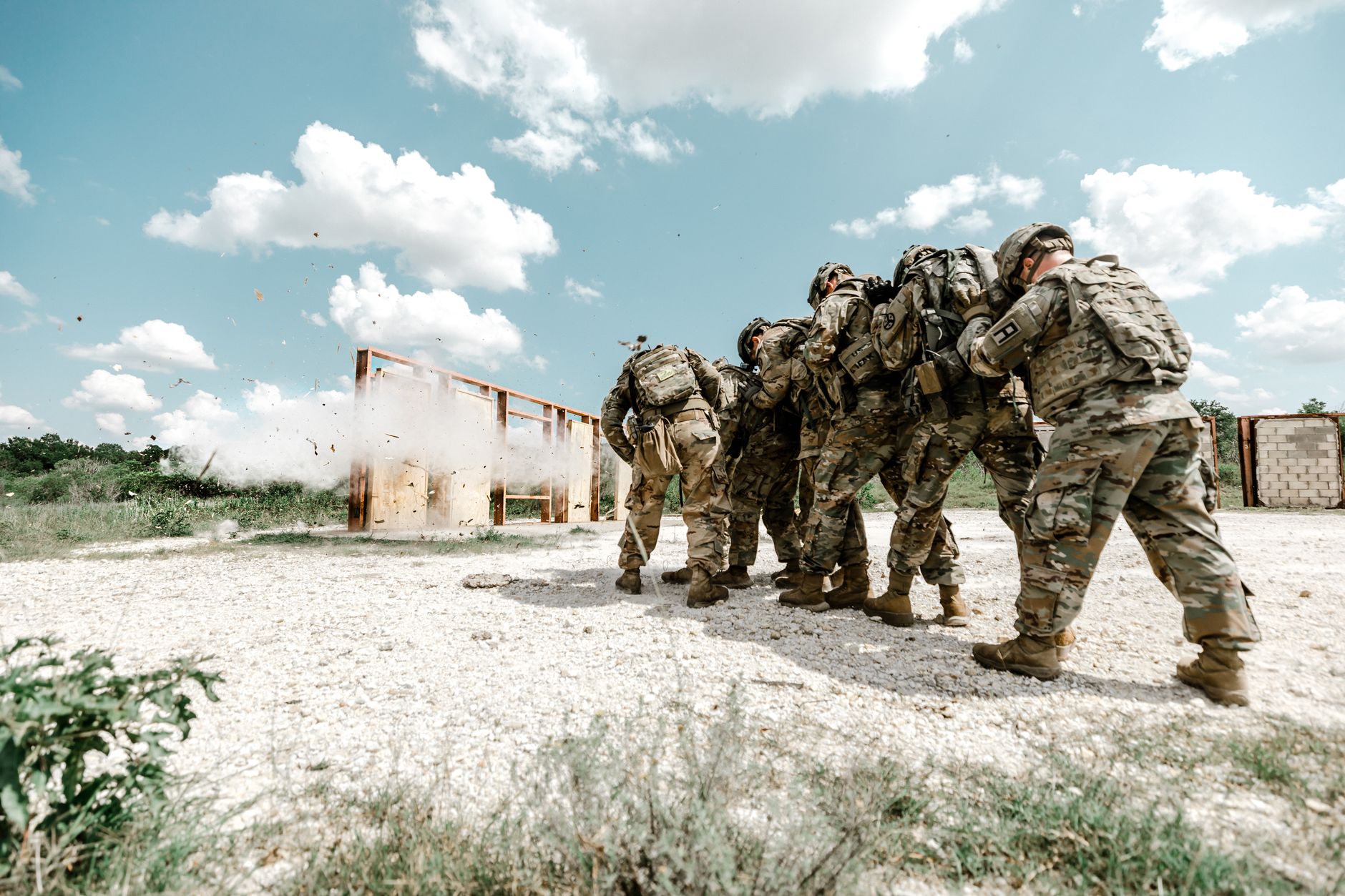
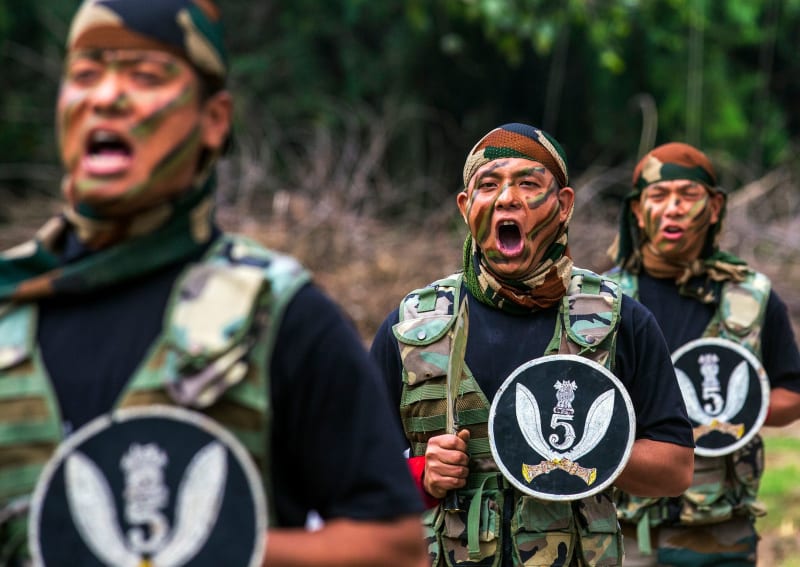
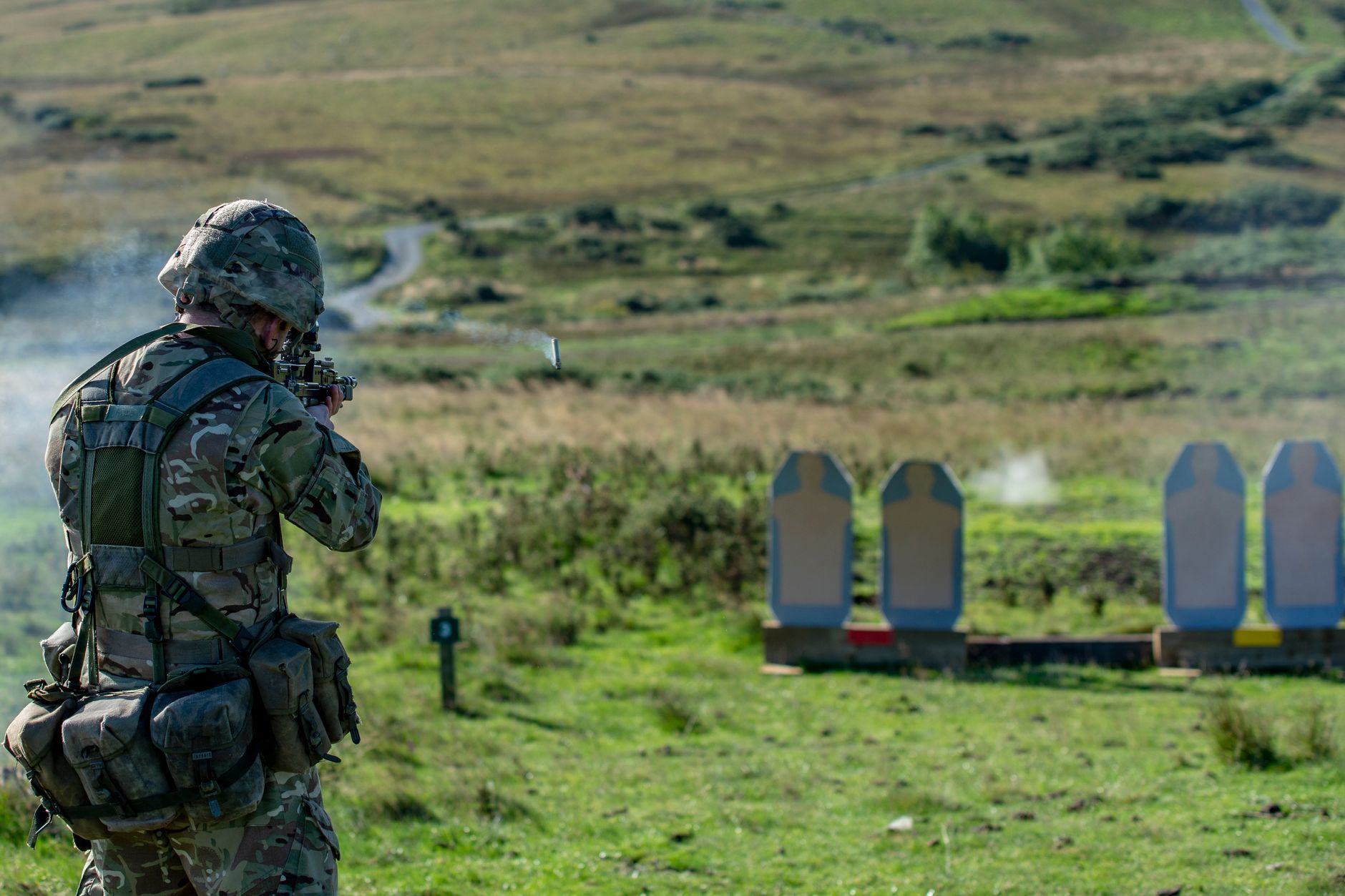
- Taiwan has initiated its annual Han Kuang military exercises, a high-stakes series of drills designed to rigorously test its combat readiness and defensive capabilities against a potential full-scale invasion from mainland China.
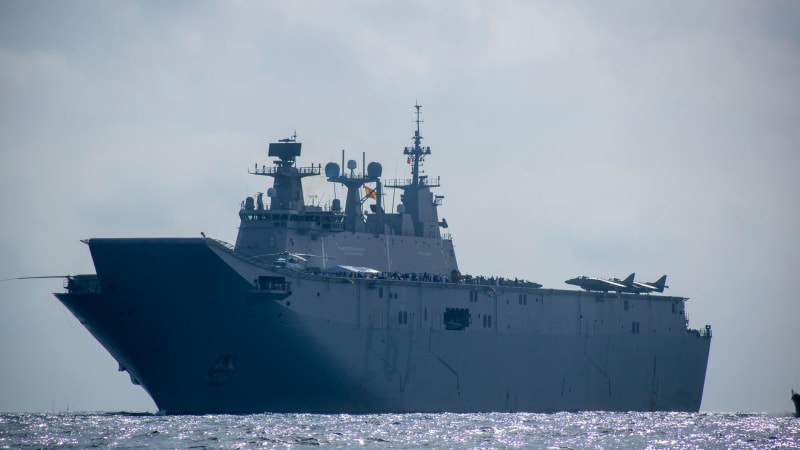
- These comprehensive drills simulate a multi-front assault, encompassing naval blockades, air superiority battles, and amphibious landings, reflecting the diverse and sophisticated threats posed by the People's Liberation Army (PLA).
- A critical component of this year's exercises involves the integration of civilian resources and infrastructure, highlighting Taiwan's strategic shift towards a 'whole-of-society' defense concept, recognizing that national resilience extends beyond military forces.
- The timing of these exercises is particularly poignant, occurring amidst heightened cross-strait tensions and an increasingly assertive posture from Beijing, which views Taiwan as an inalienable part of its territory and has not ruled out the use of force to achieve unification.
- International observers are closely monitoring these drills, understanding that the stability of the Taiwan Strait is a linchpin for global trade, particularly in critical semiconductor supply chains, making any conflict a potential economic catastrophe.
- Taiwan's military leadership emphasizes that these exercises are not provocative but are essential for deterrence and self-preservation, sending a clear message that the island nation is prepared to defend its sovereignty and democratic way of life against any external aggression.
The Human Face
For the ordinary citizens of Taiwan, these annual military drills are a stark, tangible reminder of the ever-present threat looming over their island home. While life continues with its daily rhythms in Taipei and other bustling cities, the sight of military convoys, the sound of distant artillery fire, and the news reports of simulated invasions bring a sober reality to the forefront. Families discuss contingency plans, businesses consider supply chain vulnerabilities, and young people contemplate their roles in a potential conflict. This constant state of preparedness, while unsettling, has also fostered a profound sense of national identity and resilience, a quiet determination to protect their hard-won democracy and way of life.
The psychological toll on Taiwanese citizens is often underestimated. Living under the shadow of potential conflict, with a powerful neighbor constantly threatening annexation, creates a unique societal stress. Yet, this stress has also galvanized a strong sense of civic duty and community. Many participate in civil defense training, volunteer for emergency services, or simply engage in discussions about national security, demonstrating a collective will to contribute to the island's defense. This societal cohesion, born from adversity, is a critical, often overlooked, element of Taiwan's overall deterrent strategy, showcasing a populace deeply invested in its future.
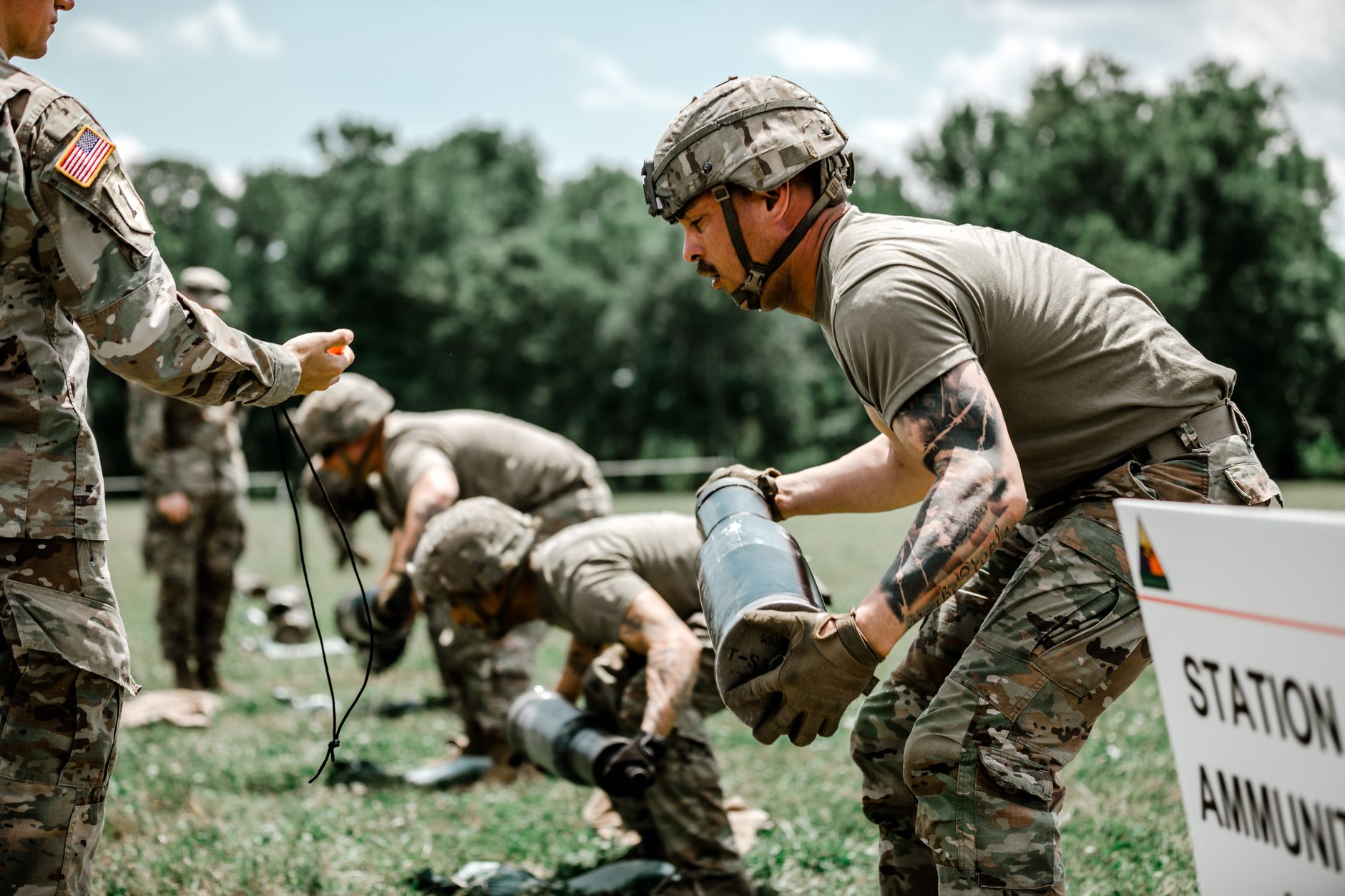
Beyond the strategic maneuvers and hardware, the human element of these drills is paramount. It’s about the young conscripts training rigorously, the reservists leaving their civilian jobs to refresh their skills, and the families who watch them go, understanding the gravity of their service. These individuals represent the heart of Taiwan's defense, embodying the nation's resolve. Their dedication transforms abstract military strategies into a living, breathing commitment to freedom, underscoring that any potential conflict would not merely be a geopolitical chess match, but a deeply personal struggle for millions of people.
How We Got Here
The current geopolitical tension between Taiwan and mainland China is rooted in a complex history dating back to the Chinese Civil War. When the Communists under Mao Zedong established the People's Republic of China (PRC) in 1949, the defeated Nationalist government, led by Chiang Kai-shek, retreated to Taiwan. Since then, Beijing has consistently viewed Taiwan as a renegade province that must eventually be reunified with the mainland, by force if necessary. This foundational disagreement has shaped decades of cross-strait relations, characterized by periods of both overt hostility and cautious economic engagement, always underpinned by the PRC's unwavering claim of sovereignty.
Over the past few decades, China's rapid economic growth has fueled an equally rapid military modernization, transforming the People's Liberation Army into a formidable force capable of projecting power across the region. This military buildup, coupled with increasingly assertive rhetoric and frequent military exercises near Taiwan, has dramatically heightened the perceived threat. Beijing's 'One China' principle remains non-negotiable, and any perceived moves towards formal independence by Taiwan are met with strong condemnation and military posturing, creating a precarious balance that demands constant vigilance from Taipei and its international partners.
The international community's stance on Taiwan is a delicate balancing act. While many nations officially adhere to a 'One China' policy, they also maintain robust unofficial relations with Taiwan, particularly in trade and culture. The United States, for instance, operates under the Taiwan Relations Act, committing to help Taiwan maintain its self-defense capabilities, a policy of 'strategic ambiguity' that aims to deter both a Chinese invasion and a Taiwanese declaration of independence. This intricate web of historical grievances, modern military might, and international diplomacy has converged to create the high-stakes environment in which Taiwan's annual Han Kuang drills now take place, underscoring the enduring fragility of peace in the Indo-Pacific.
Why This Cannot Be Ignored
The stability of the Taiwan Strait is not merely a regional concern; it is a critical linchpin for global economic stability, making the implications of any conflict far-reaching and catastrophic. Taiwan is the undisputed global leader in advanced semiconductor manufacturing, producing over 90% of the world's most sophisticated chips. These chips are the lifeblood of modern technology, powering everything from smartphones and artificial intelligence to automotive systems and critical infrastructure. A disruption in Taiwan's production, caused by conflict or blockade, would trigger an unprecedented global economic recession, crippling industries worldwide and causing widespread technological stagnation.
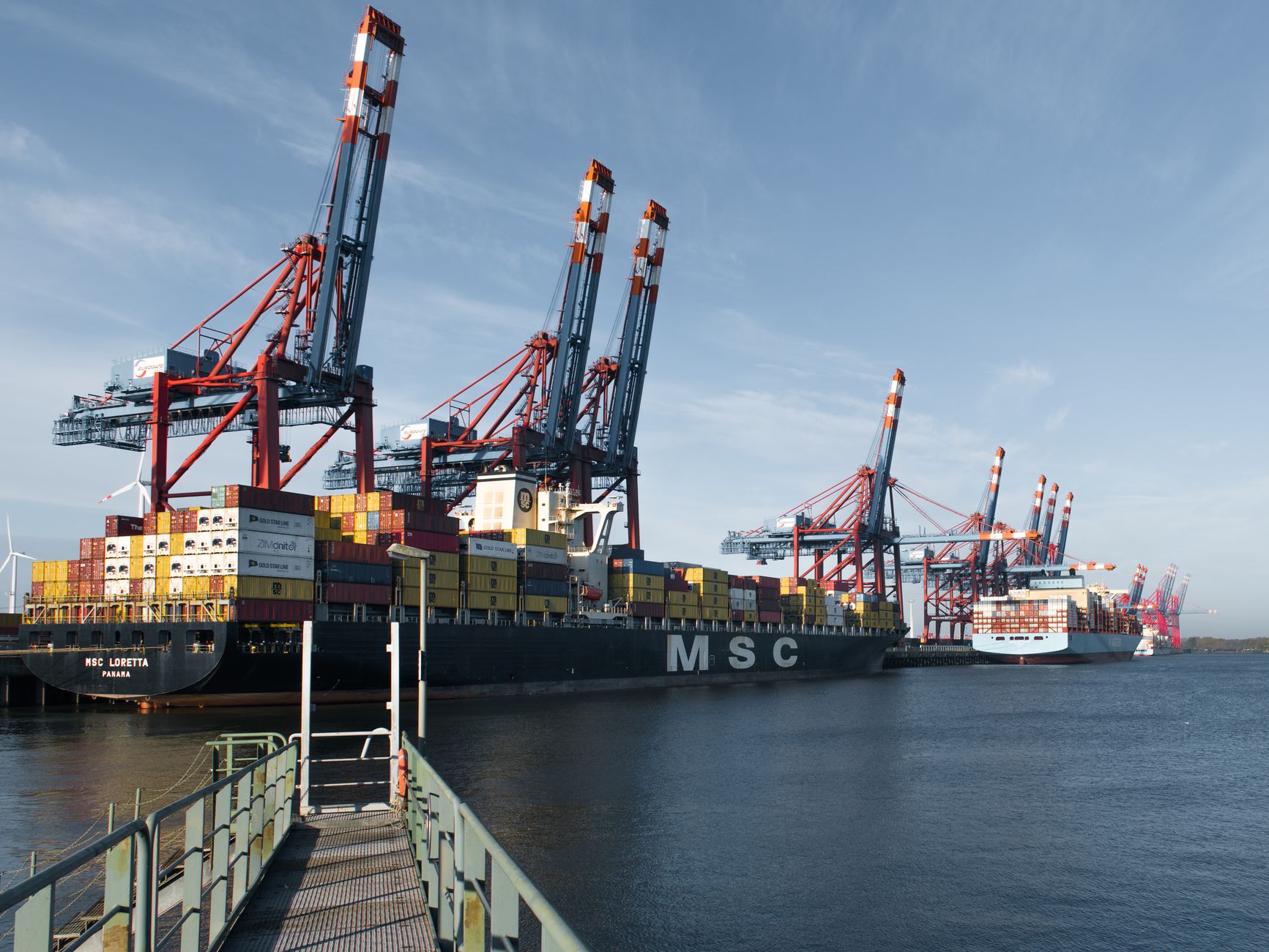
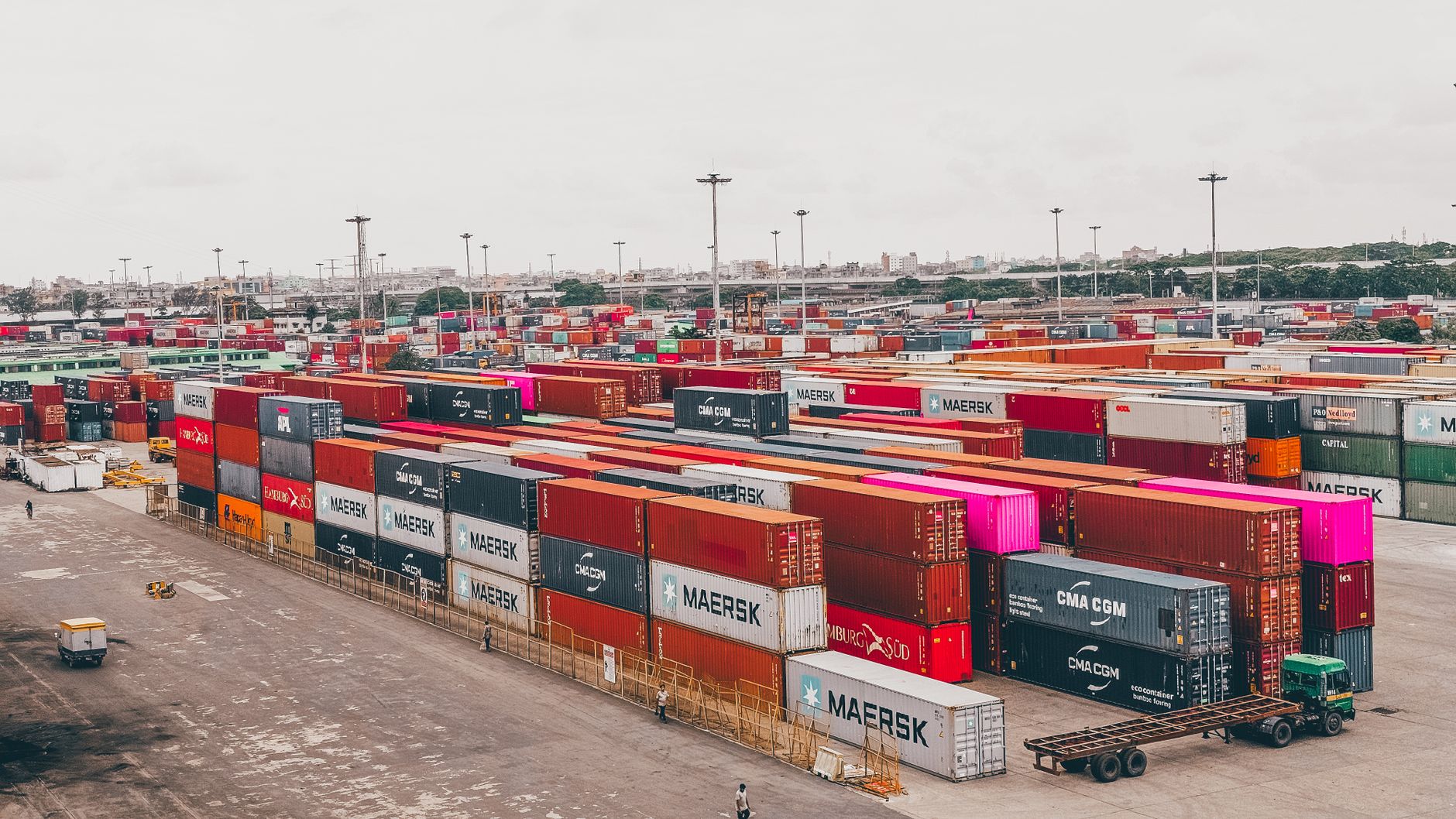
Beyond semiconductors, the Taiwan Strait is one of the world's busiest shipping lanes, a vital artery for international trade connecting East Asia with the rest of the globe. Billions of dollars worth of goods, including energy supplies, raw materials, and finished products, traverse these waters daily. Any military conflict or prolonged blockade would effectively sever this crucial maritime route, leading to massive supply chain disruptions, soaring shipping costs, and significant inflationary pressures across the globe. The economic ripple effects would be felt in every household and every industry, from consumer goods to industrial manufacturing, demonstrating the profound interconnectedness of global commerce.
Furthermore, a conflict over Taiwan would inevitably draw in major global powers, particularly the United States, which has a stated commitment to Taiwan's self-defense. Such an engagement could quickly escalate into a broader regional or even global confrontation, with unimaginable geopolitical consequences. The potential for a direct clash between nuclear-armed powers underscores the extreme danger of the situation. The Han Kuang drills, therefore, serve as a stark reminder that the fate of Taiwan is inextricably linked to the prosperity and peace of the entire international community, demanding urgent and sustained diplomatic efforts to de-escalate tensions and preserve the status quo.
Possible Paths Forward
One potential path forward involves a robust and sustained international diplomatic effort aimed at de-escalating tensions across the Taiwan Strait. This would require major global powers, including the United States, European Union nations, and key Asian allies, to engage in coordinated dialogue with both Beijing and Taipei. The goal would be to establish clear red lines, foster greater transparency in military activities, and explore mechanisms for confidence-building measures. Such a diplomatic offensive could emphasize the shared global economic interests in maintaining peace and stability, leveraging economic interdependence as a powerful deterrent against military adventurism. This path necessitates consistent, high-level engagement to prevent miscalculation and encourage peaceful resolution.
Another critical avenue is for Taiwan to continue strengthening its asymmetric defense capabilities, making any potential invasion prohibitively costly for China. This strategy, often referred to as the 'porcupine strategy,' focuses on acquiring and developing a large number of smaller, highly mobile, and lethal defensive systems that can inflict significant damage on an invading force. This includes anti-ship missiles, anti-aircraft systems, and advanced surveillance technologies. By making a successful invasion incredibly difficult and expensive in terms of both human lives and military assets, Taiwan aims to deter aggression by raising the perceived costs far above any potential benefits, thereby preserving its autonomy through enhanced self-reliance.
Finally, fostering greater economic resilience and diversification, both within Taiwan and globally, presents a proactive path. While Taiwan's dominance in semiconductors is a strength, it also represents a vulnerability. Encouraging the decentralization of critical supply chains, investing in alternative manufacturing hubs, and building strategic reserves of essential goods could mitigate the catastrophic global impact of a Taiwan conflict. For Taiwan itself, diversifying its trade partners and strengthening domestic industries beyond semiconductors would enhance its overall resilience. These economic strategies, combined with robust military deterrence and persistent diplomatic engagement, offer a multi-faceted approach to navigating the perilous geopolitical landscape of the Taiwan Strait.
Questions People Are Actually Asking
What to Watch
- Closely monitor China's immediate reactions to the conclusion of the Han Kuang drills, specifically looking for any increased military incursions into Taiwan's ADIZ or expanded naval exercises in the Taiwan Strait, which could signal heightened aggression.
- Observe statements from key international players, particularly the United States, Japan, and European Union nations, for any shifts in their diplomatic language or commitments regarding Taiwan's security and regional stability.
- Track developments in Taiwan's domestic political landscape, especially any discussions or policy changes related to mandatory military service, defense spending, or the integration of civilian resources into national defense planning.
- Pay attention to global semiconductor supply chain reports and any proactive measures taken by major technology companies to diversify their manufacturing bases or secure alternative sources, indicating growing concerns about Taiwan's stability.
- Look for any new diplomatic initiatives or multilateral dialogues proposed by international bodies or individual nations aimed at de-escalating cross-strait tensions and establishing new confidence-building measures between Taipei and Beijing.
- Monitor the rhetoric from both Beijing and Taipei in the coming weeks; any significant hardening of positions or softening of stances could indicate a shift in the delicate balance of power and future intentions.





Comments
No comments yet. Be the first to comment!