
Key Takeaways
- Russia is fundamentally restructuring its economy, prioritizing military production over civilian needs, a strategic shift designed to sustain its prolonged conflict in Ukraine, indicating a long-term commitment to the war effort.
- The Kremlin's budget clearly reflects this pivot, with defense spending soaring to unprecedented levels, drawing resources away from critical public services and consumer-oriented sectors, thereby impacting the daily lives of ordinary Russians.
- Civilian industries are being increasingly co-opted or redirected to support military production, leading to a significant contraction in the availability of consumer goods and services, and a noticeable decline in overall living standards for many citizens.
- This economic reorientation suggests that Russia is preparing for a protracted conflict, signaling to both domestic and international audiences that it is willing to absorb substantial economic costs and societal hardships to achieve its geopolitical objectives.
- The long-term implications for Russia's economic stability and social cohesion are severe, as sustained military expenditure at this scale risks depleting national reserves, stifling innovation, and exacerbating internal social inequalities.
- International sanctions, while impactful, are being partially offset by this internal economic restructuring, allowing Russia to maintain a baseline level of military production, though at a significant cost to its broader economic development and global integration.
Background
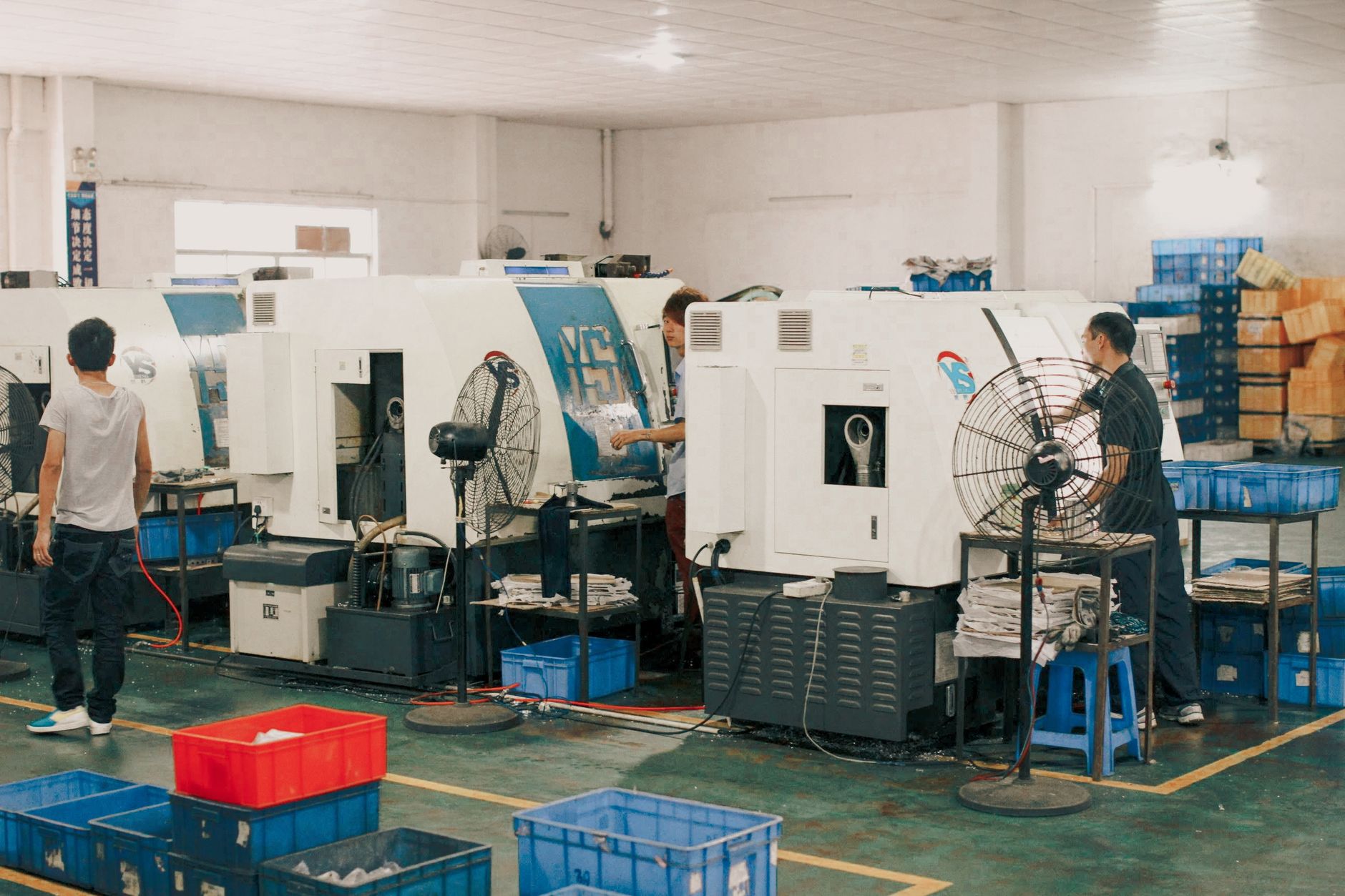
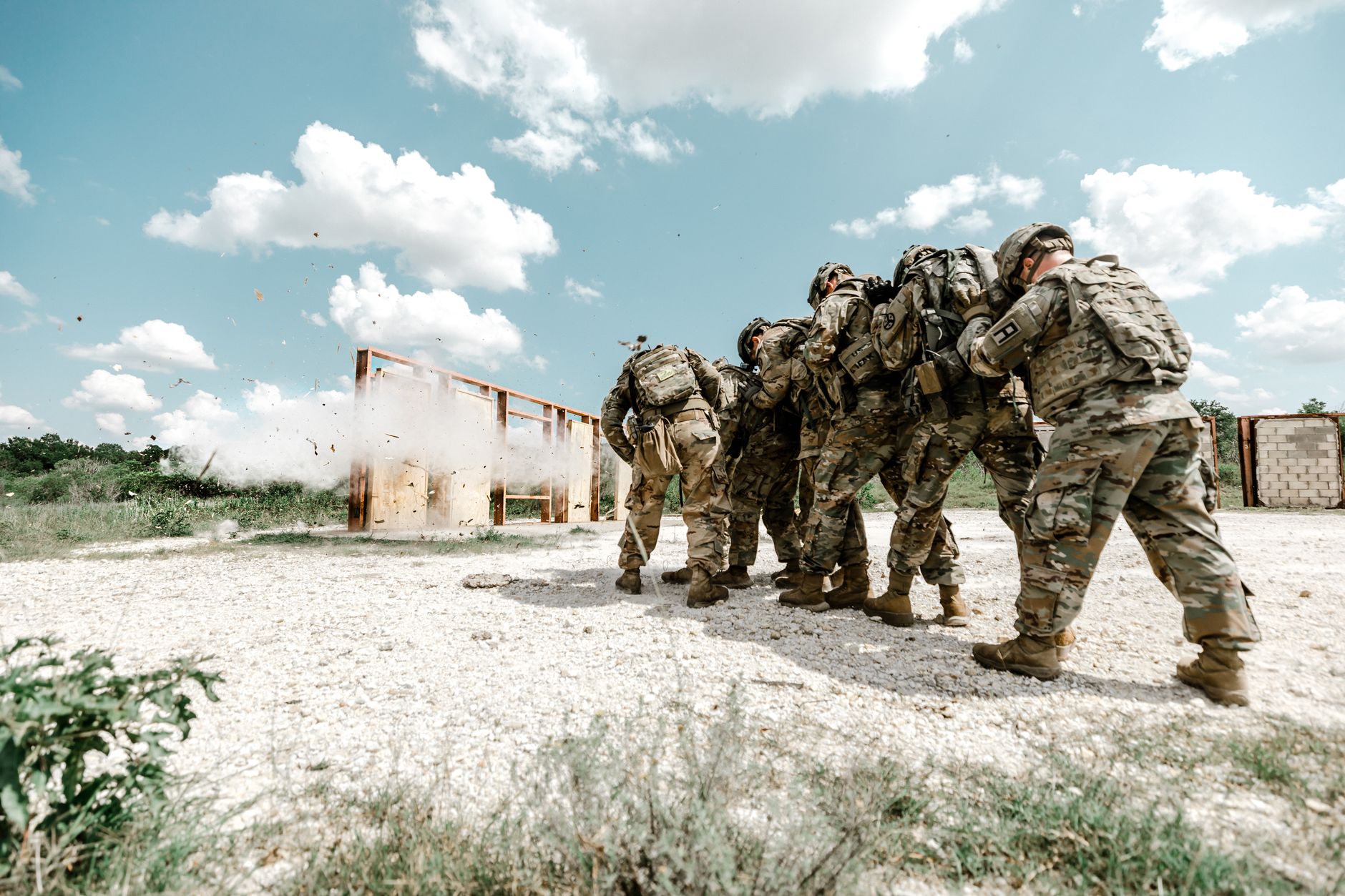
Since the full-scale invasion of Ukraine in February 2022, Russia has embarked on a profound and deliberate transformation of its national economy. Initially, the Russian government attempted to project an image of business as usual, downplaying the economic impact of international sanctions and the escalating costs of the war. However, as the conflict dragged on and the need for sustained military supplies became paramount, the Kremlin shifted its strategy dramatically. This pivot involves a systematic reorientation of industrial capacity, financial resources, and labor towards supporting the war effort, effectively placing the nation on a war footing.
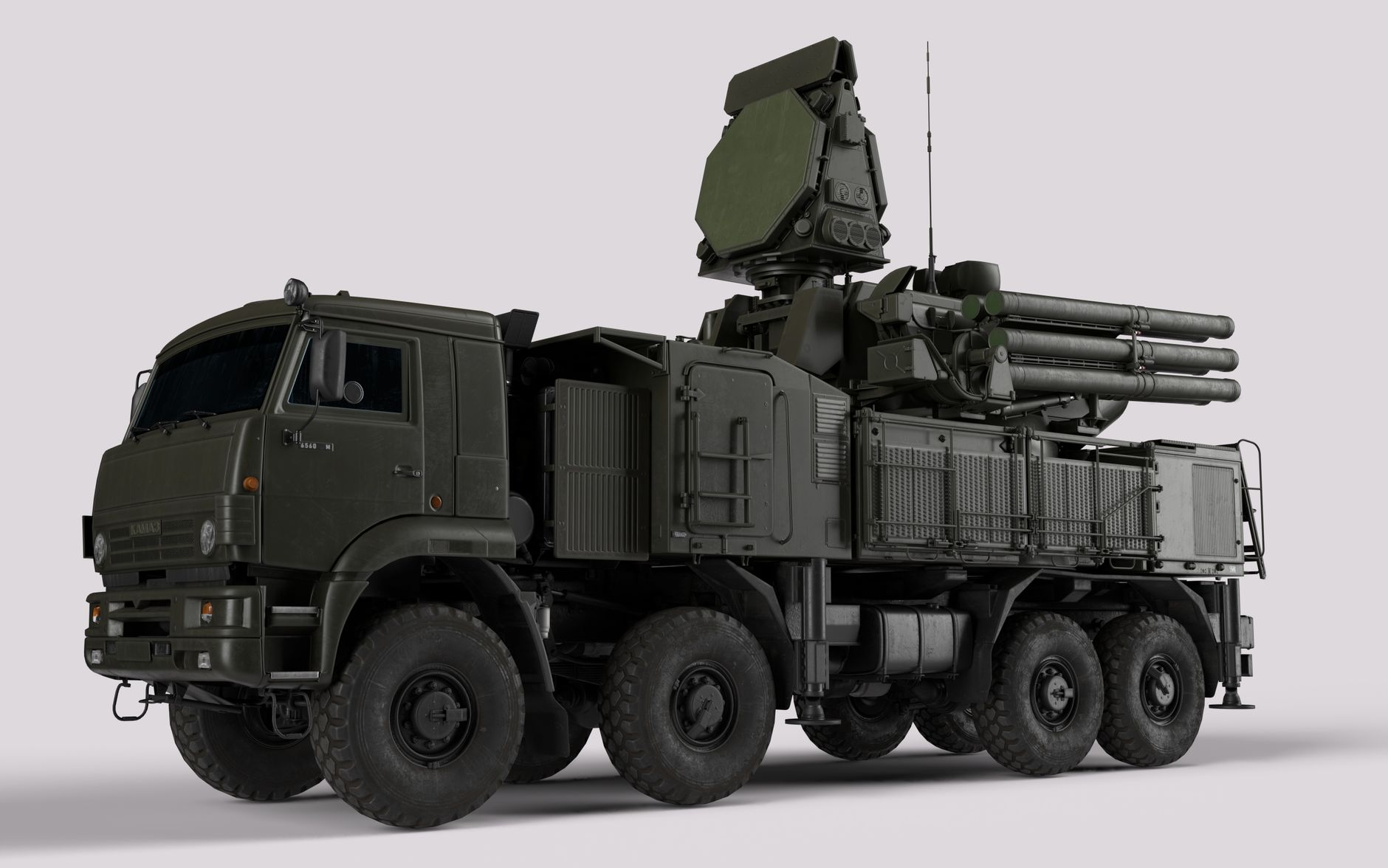
This strategic redirection is not merely a temporary adjustment but a fundamental overhaul, signaling a long-term commitment to the conflict. The Russian state has increasingly exerted control over key economic sectors, mandating production quotas for military hardware and diverting investments from civilian infrastructure and consumer goods. This centralized approach aims to maximize resource allocation for defense, ensuring a steady supply chain for the military even at the expense of other vital sectors. The initial shock of sanctions has given way to a more entrenched, militarized economic model designed for resilience under pressure.
Historically, Russia's economy has been heavily reliant on hydrocarbon exports, which provided a buffer against external shocks. While oil and gas revenues continue to play a crucial role, the current economic restructuring goes far beyond simply leveraging these resources. It involves a deep integration of military-industrial complex demands into the broader economic fabric, impacting everything from manufacturing and technology to labor markets and public services. This unprecedented shift represents a clear departure from the more market-oriented reforms of the post-Soviet era, marking a return to a more state-controlled, command-style economic management focused on national security objectives.
Why It Matters
The wholesale sacrifice of Russia's civilian economy on the altar of its war machine carries profound implications, not just for Russia itself but for global stability and the future of international relations. Domestically, this shift means a significant and sustained decline in living standards for ordinary Russians. Resources that would otherwise fund healthcare, education, infrastructure development, and consumer goods are now being funneled directly into military production. This diversion will inevitably lead to a deterioration of public services, a scarcity of quality consumer products, and a general erosion of the quality of life, potentially fueling social discontent in the long run.
Internationally, Russia's commitment to a war economy signals its intent for a protracted conflict in Ukraine, defying expectations of a swift resolution. This reorientation demonstrates a willingness to endure severe economic hardship and isolation to achieve its geopolitical aims, making diplomatic solutions more challenging and prolonging the human cost of the war. It also forces other nations to reassess their long-term strategies for engagement with Russia, as its economic model becomes increasingly insulated and militarized, reducing avenues for conventional trade and cooperation.
Furthermore, this economic pivot has significant ramifications for global supply chains and commodity markets. As Russia prioritizes military production, its capacity and willingness to participate in global trade for non-military goods may diminish, potentially exacerbating existing shortages or creating new ones. The long-term impact on Russia's technological development is also critical; while some sectors may see state-driven innovation for military purposes, the broader economy risks falling further behind global standards in civilian technology due to isolation and resource misallocation. This creates a more unpredictable and potentially destabilizing actor on the world stage, one less integrated into the global economic order and more singularly focused on military power.
Ground Reality
On the ground, the impact of Russia's war economy is becoming increasingly palpable for its citizens. While official statistics may attempt to paint a rosier picture, anecdotal evidence and expert analysis reveal a tightening squeeze on consumer choice and quality of life. Many foreign brands have exited the market, leading to a void in certain product categories or their replacement with lower-quality domestic alternatives. Inflation, particularly for essential goods, remains a persistent concern, eroding purchasing power and forcing households to make difficult choices about their spending. The promise of a 'fortress economy' comes at the direct expense of individual prosperity and comfort.
The labor market is also undergoing significant restructuring. While the defense industry is experiencing a boom, creating jobs in military factories and related sectors, other parts of the economy are struggling. Skilled labor is being redirected towards war-related production, and the departure of many professionals due to mobilization or emigration has created shortages in critical civilian industries. This imbalance distorts the labor market, potentially leading to wage stagnation in non-military sectors and a decline in overall economic diversification. The focus on military output means less investment in sectors that drive long-term economic growth and innovation for the civilian population.
Moreover, the long-term consequences of underinvestment in non-military sectors are beginning to manifest. Infrastructure projects unrelated to defense are being delayed or scaled back, and the quality of public services, from healthcare to education, is facing budgetary pressures. The state's overwhelming focus on military expenditure means that societal needs are deprioritized, creating a growing disparity between the robust defense sector and a gradually deteriorating civilian economy. This reality underscores the immense cost being borne by the Russian populace, a cost that extends far beyond mere financial figures and touches every aspect of daily life, from the availability of goods to the prospects for future generations.
What Experts Are Saying
Leading economists and geopolitical analysts are largely in agreement that Russia's economic pivot represents a profound and potentially irreversible shift. Dr. Elina Ribakova, a senior fellow at the Peterson Institute for International Economics, has repeatedly highlighted that Russia is making a clear choice to prioritize guns over butter, a decision that will have lasting structural implications for its economy. She notes that while the initial shock of sanctions was absorbed, the sustained reorientation toward military production is creating deep distortions that will be difficult to unwind even if the conflict were to end tomorrow. This strategy, she argues, ensures short-term military capability at the cost of long-term economic vitality and diversification.
Many experts, including those from the Carnegie Endowment for International Peace, emphasize that this militarization of the economy is not merely a temporary measure but a fundamental ideological commitment by the Kremlin. They point to historical parallels with Soviet-era economic planning, where national security dictated economic policy, often leading to inefficiencies and a lack of innovation in civilian sectors. Dr. Tatiana Stanovaya, a prominent Russian political analyst, suggests that this approach reflects a deeper conviction within the Russian leadership that a strong military-industrial base is essential for national survival and geopolitical influence, irrespective of the economic cost to the populace.
Furthermore, analysts are closely watching the long-term sustainability of this model. While Russia has managed to circumvent some sanctions and maintain revenue streams, the depletion of its sovereign wealth funds and the increasing reliance on less transparent trade partners raise concerns about its fiscal health. Experts like Chris Miller from Tufts University have detailed how Russia is adapting its supply chains and production methods, but also underscore the inherent limitations of such a closed, war-focused economy. They predict that while Russia can sustain its war effort for a considerable period, the price will be a stagnant, technologically backward civilian economy, increasingly isolated from global innovation and prosperity, leading to a widening gap between its military prowess and its societal well-being.
Frequently Asked Questions
What Happens Next
Looking ahead, Russia's commitment to its war economy suggests a prolonged period of geopolitical tension and internal economic strain. The immediate future will likely see further consolidation of state control over key industries, with increased pressure on private enterprises to contribute to the war effort. We can anticipate continued efforts by the Kremlin to insulate its economy from external shocks, including developing domestic alternatives for critical imports and strengthening trade ties with non-Western partners. This trajectory indicates that Russia is preparing for a long-term standoff, both militarily and economically, with the West, making any swift return to pre-conflict economic normalcy highly improbable.
For the Russian populace, the coming months and years will likely bring continued austerity and a gradual erosion of living standards. While the government may attempt to mitigate the most severe impacts through social programs, the fundamental redirection of resources will limit opportunities for consumer growth and improvements in public services. The long-term effects of this economic model, including potential technological stagnation and a widening gap in quality of life compared to more open economies, will become increasingly evident, potentially leading to growing social discontent or a deeper entrenchment of authoritarian control to manage public sentiment.
Internationally, the persistence of Russia's war economy will continue to shape global dynamics. Western nations will face ongoing challenges in formulating effective sanctions regimes and supporting Ukraine, as Russia demonstrates its capacity for economic resilience under pressure. The world will need to adapt to a more militarized and less globally integrated Russia, impacting everything from energy markets to diplomatic relations. The long-term implications include a potential reshaping of global alliances, increased defense spending by neighboring countries, and a re-evaluation of international security architectures in response to a Russia that has fundamentally reordered its national priorities around sustained conflict.


Comments
No comments yet. Be the first to comment!