
Policy Snapshot
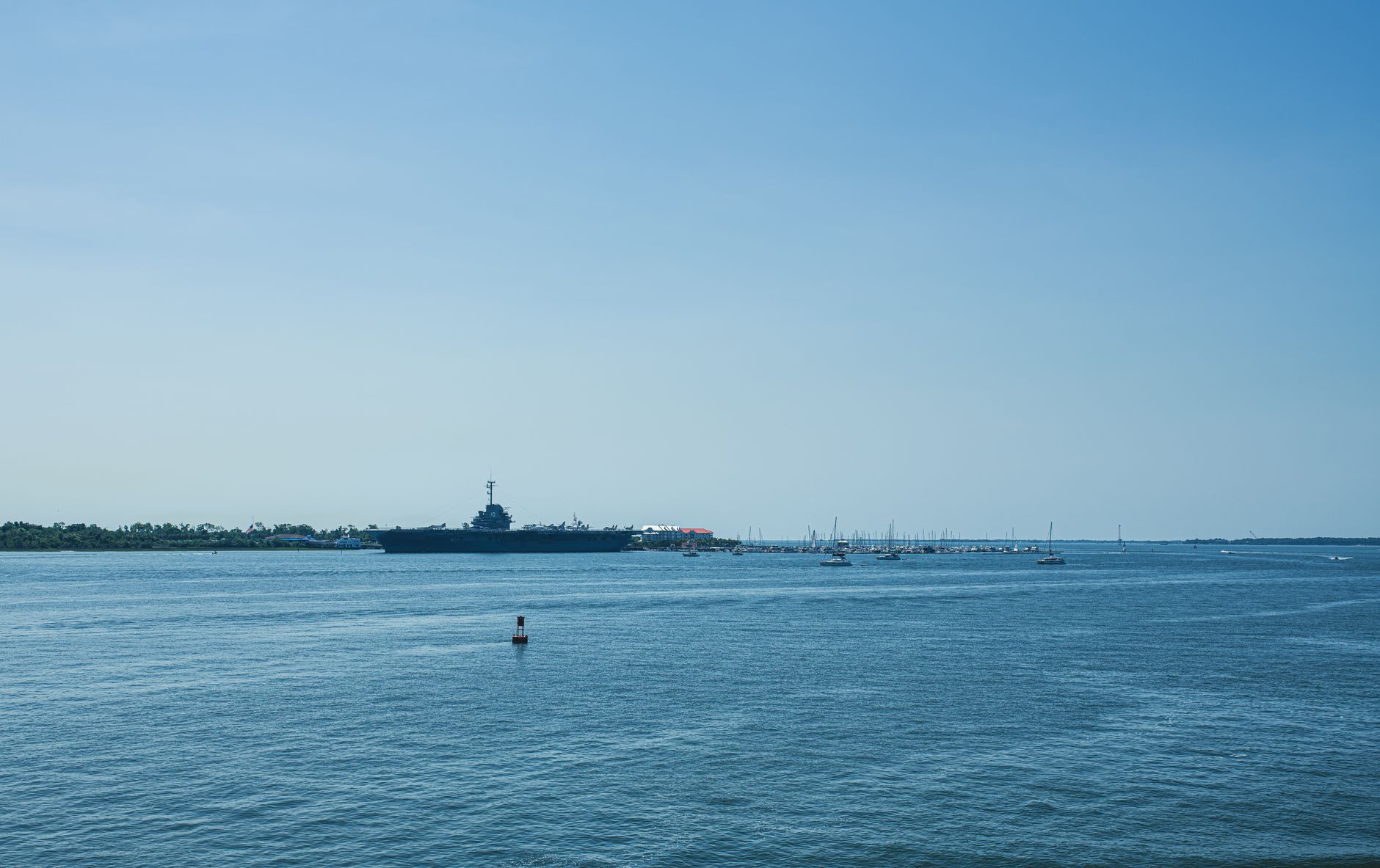
- The United States maintains a robust naval presence in the Persian Gulf, specifically tasked with ensuring the free flow of international shipping through critical chokepoints like the Strait of Hormuz, a vital artery for global oil trade.
- Iran's Revolutionary Guard Corps (IRGC) has historically asserted its right to control or disrupt passage through the Strait, viewing it as a strategic leverage point against perceived external threats and economic sanctions.
- Current US policy under the Trump administration has been characterized by a 'maximum pressure' campaign against Iran, involving stringent economic sanctions aimed at crippling its oil exports and curbing its nuclear program and regional influence.
- International maritime law, particularly the United Nations Convention on the Law of the Sea (UNCLOS), generally upholds the right of innocent passage through international straits, a principle that Iran's actions directly challenge.
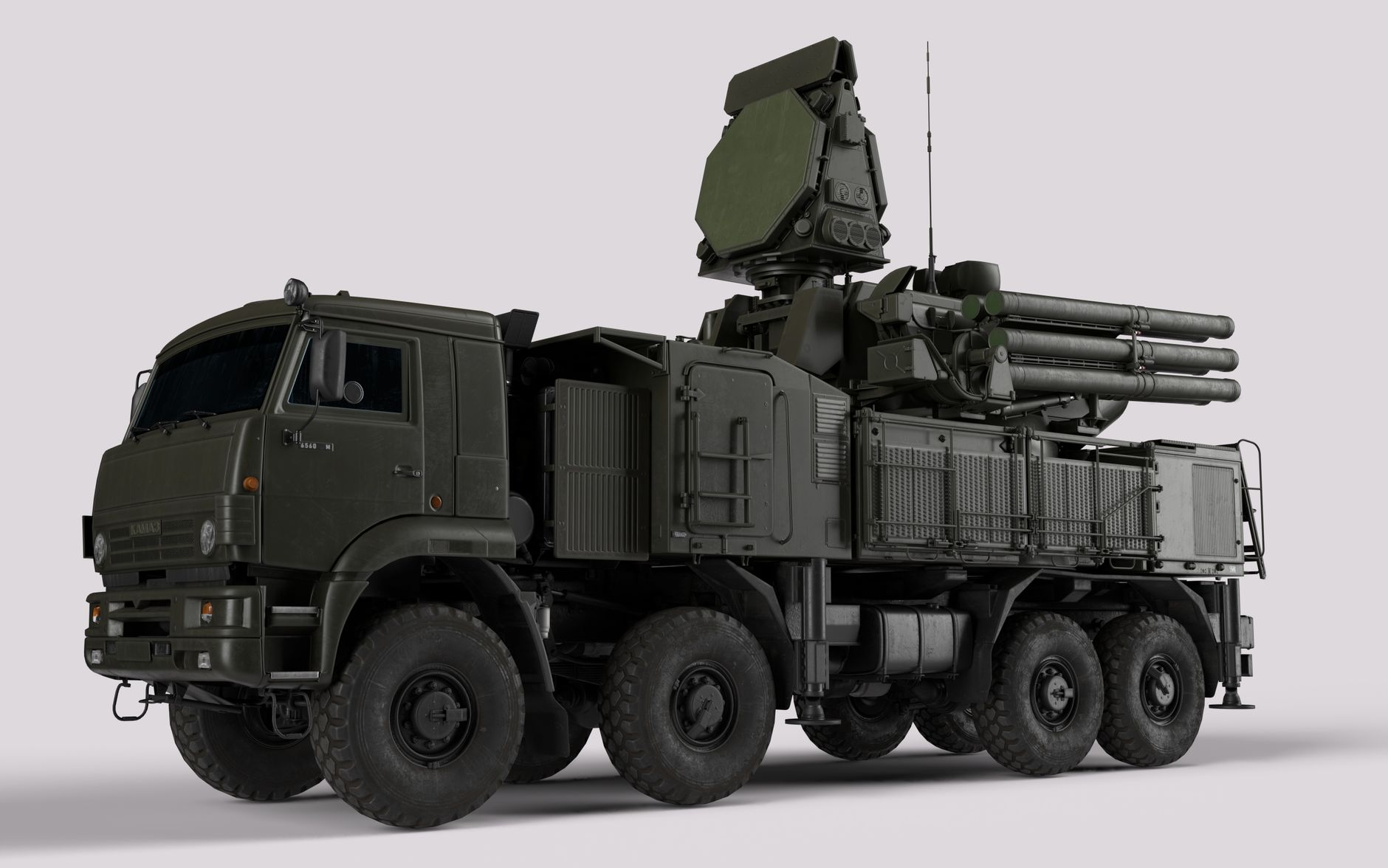
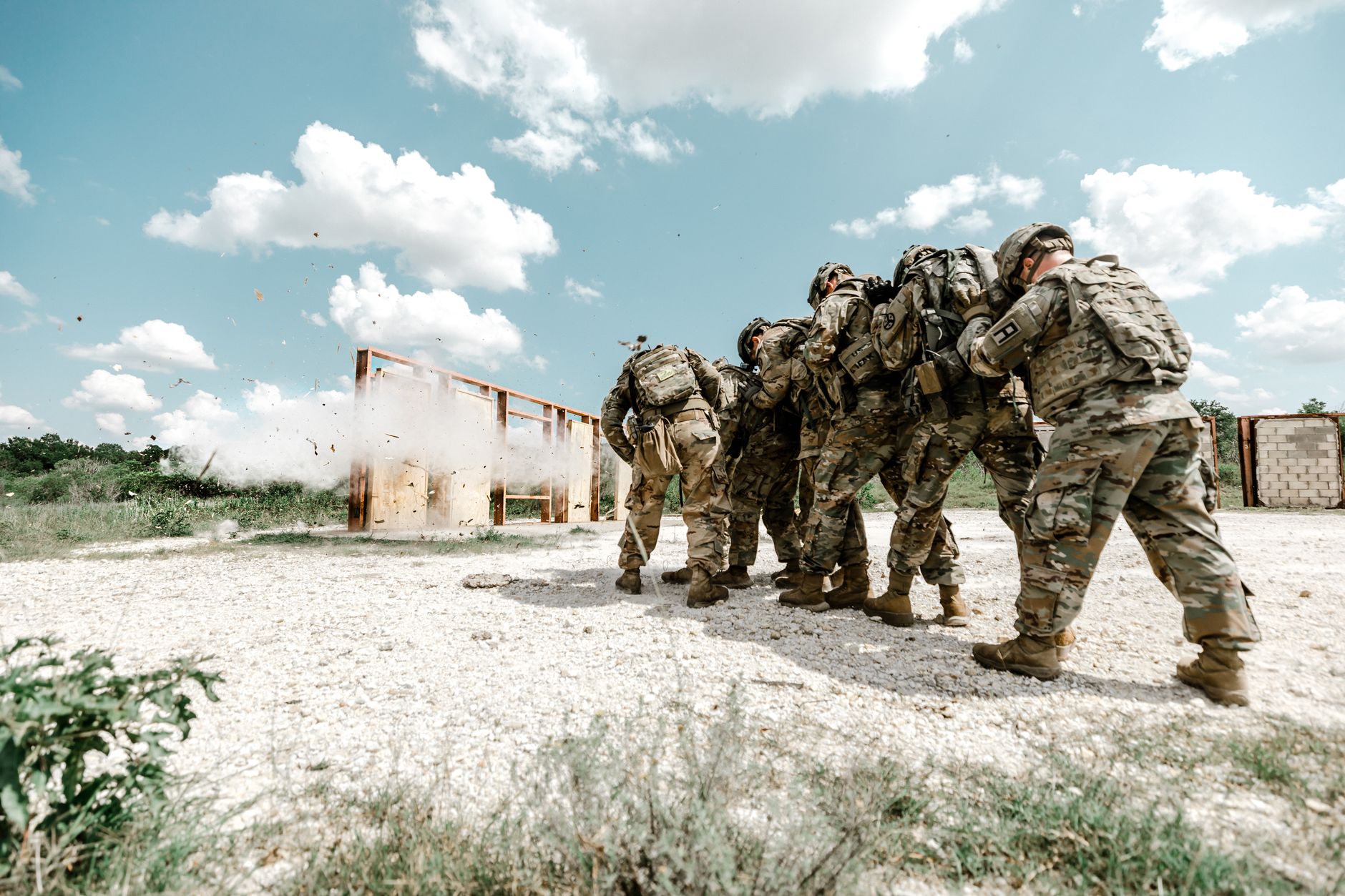
- The US has recently reinforced its military footprint in the region, deploying additional naval assets and air defense systems, signaling a heightened state of readiness in response to escalating Iranian provocations.
- Diplomatic efforts to de-escalate tensions have largely stalled, with both Washington and Tehran adopting hardline stances, making direct negotiations challenging and increasing the reliance on military deterrence.
The Policy History
The geopolitical landscape of the Persian Gulf has been a tinderbox for decades, primarily due to the strategic importance of its oil reserves and the Strait of Hormuz, a narrow waterway through which approximately one-fifth of the world's oil supply passes daily. This critical chokepoint has been a flashpoint for international tensions, particularly between the United States and Iran, whose adversarial relationship dates back to the 1979 Islamic Revolution. The US, committed to global energy security and freedom of navigation, has consistently maintained a significant naval presence in the region, often leading to direct confrontations or near-miss incidents with Iranian forces. This long-standing dynamic forms the bedrock of the current crisis, where each nation views the other's actions through a lens of historical mistrust and strategic competition.
The Trump administration's withdrawal from the Joint Comprehensive Plan of Action (JCPOA), commonly known as the Iran nuclear deal, in 2018 marked a dramatic shift in US policy. This decision, driven by concerns over Iran's ballistic missile program and its regional proxy activities, led to the re-imposition and intensification of crippling economic sanctions. The 'maximum pressure' campaign was designed to force Iran back to the negotiating table for a more comprehensive agreement, but it has instead fueled an escalating cycle of provocations. Iran, feeling the severe economic strain, has responded by gradually reducing its commitments under the nuclear deal and by engaging in actions designed to demonstrate its capacity to disrupt global oil markets, directly challenging the US and its allies.
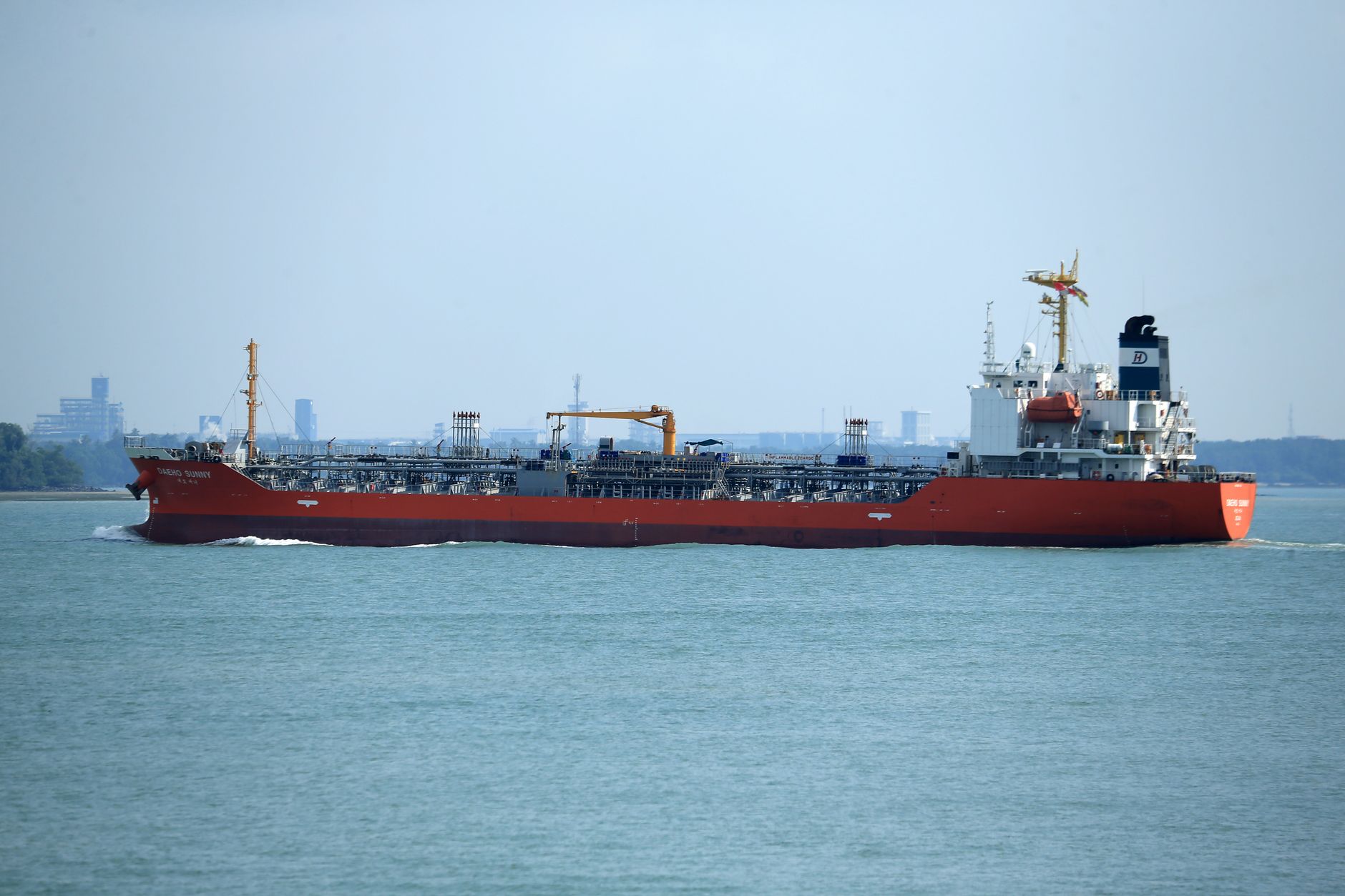
The recent attacks on tankers in the Strait of Hormuz are not isolated incidents but rather the latest manifestations of this escalating tit-for-tat. Previous incidents, including drone shoot-downs and smaller-scale attacks on shipping, have steadily ratcheted up the tension, pushing both sides closer to the brink of open conflict. The involvement of US naval escorts in the vicinity of these attacks adds a perilous new dimension, transforming what might have been considered economic sabotage into a direct challenge to American military presence and authority. This dangerous trajectory underscores the fragility of peace in the region and the urgent need for de-escalation, even as diplomatic channels appear increasingly strained and ineffective.
Who Is Affected
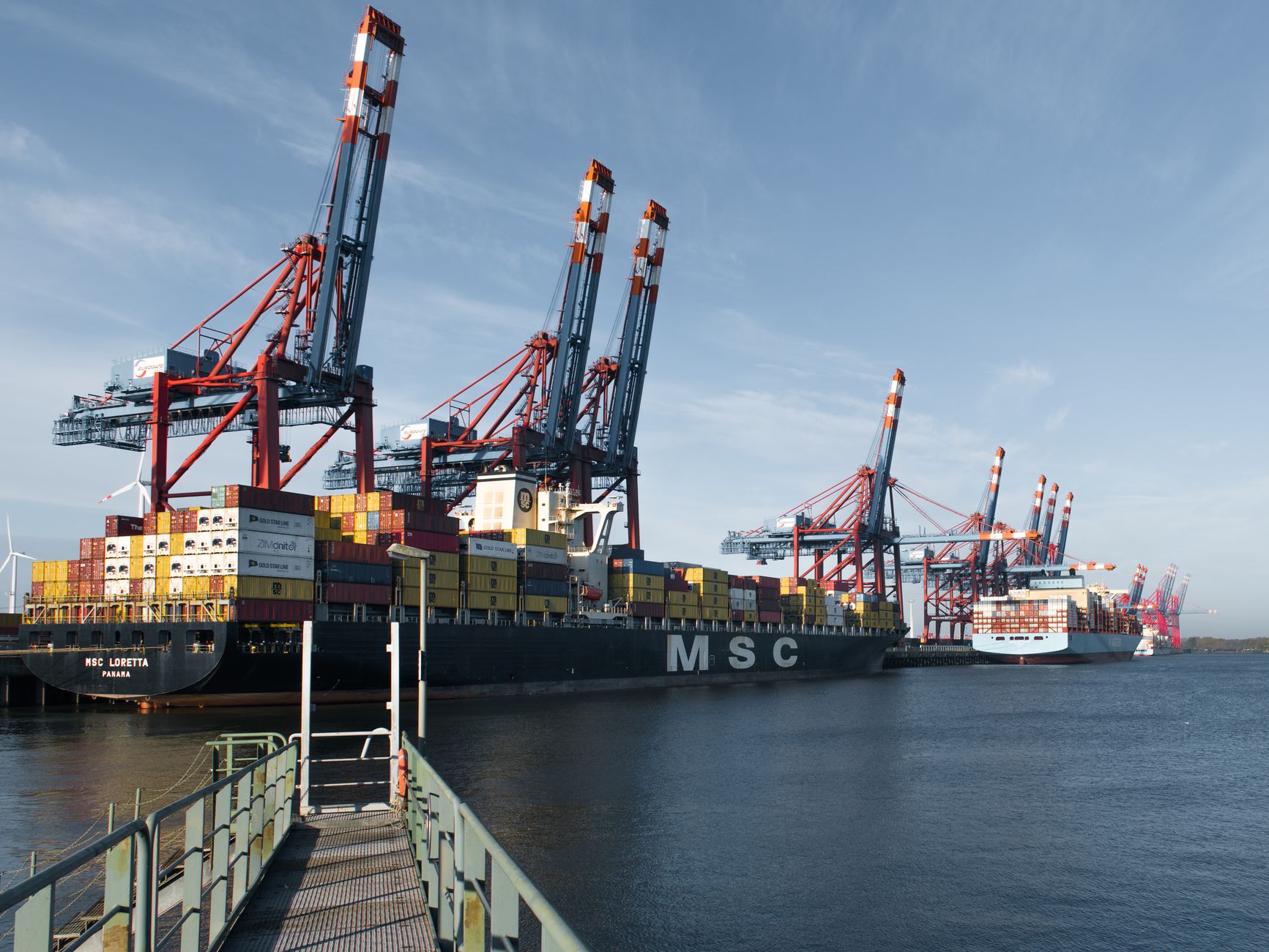
The most immediate and directly affected parties are the global energy markets and consumers worldwide. The Strait of Hormuz is an indispensable conduit for crude oil and liquefied natural gas (LNG), making any disruption a direct threat to global supply chains. Tanker attacks, even if minor, inject significant uncertainty into these markets, leading to spikes in oil prices and increased shipping insurance premiums. This financial burden is ultimately passed on to consumers through higher fuel costs, impacting everything from daily commutes to the cost of goods reliant on transportation. Energy-dependent nations, particularly those in Asia and Europe that rely heavily on Middle Eastern oil, face heightened economic vulnerability and the potential for severe energy crises.
Beyond the economic sphere, the seafarers and crews aboard vessels transiting the Strait of Hormuz are directly imperiled. These individuals, often from diverse nationalities, face the immediate danger of attack, injury, or even death. Their safety and well-being become bargaining chips in a larger geopolitical game, and the psychological toll of operating in such a high-risk environment is immense. Shipping companies, too, are severely impacted, facing decisions about rerouting vessels, increasing security measures, and managing the heightened risks to their assets and personnel. The human element of this crisis often gets overshadowed by the broader political narrative, but it is a critical and tragic consequence of escalating tensions.
Regionally, the Gulf states, particularly Saudi Arabia and the UAE, are profoundly affected. Their economies are inextricably linked to oil exports, and any instability in the Strait directly threatens their primary revenue streams and national security. These nations often find themselves caught between the US-Iran rivalry, forced to navigate complex alliances and potential retaliatory actions. The broader international community, including major powers like China, Russia, and European nations, also bears significant stakes. They rely on stable energy supplies, fear the destabilizing effects of a regional conflict, and are actively engaged in diplomatic efforts, albeit with limited success, to prevent a full-blown war that could have catastrophic global consequences.
The Case For
Proponents of a firm stance against Iran argue that robust military escorts and a clear demonstration of force are essential to deter further aggression and protect international shipping. They contend that any perceived weakness or hesitation by the United States would only embolden Iran to escalate its disruptive activities in the Strait of Hormuz, potentially leading to even more severe consequences. By actively escorting vessels and responding decisively to threats, the US aims to uphold the principle of freedom of navigation, a cornerstone of international maritime law, and ensure the uninterrupted flow of global commerce, which is vital for the world economy. This assertive posture is seen as a necessary measure to maintain stability in a volatile region.
Furthermore, advocates for a strong response believe that Iran's actions are not merely isolated incidents but part of a broader strategy to destabilize the region and challenge US influence. They argue that allowing these attacks to go unpunished would send a dangerous message to other state and non-state actors, suggesting that such provocations are acceptable. A firm military and diplomatic response, therefore, is viewed as crucial for preserving regional security alliances and demonstrating American resolve to protect its interests and those of its allies. This approach aims to restore a credible deterrent, making it clear that aggressive actions will incur significant costs for Tehran.
From this perspective, the current 'maximum pressure' campaign, coupled with a strong military presence, is the most effective way to compel Iran to change its behavior. The argument is that economic sanctions alone are insufficient if not backed by a credible threat of force. By increasing the stakes for Iran, the US hopes to create leverage that could eventually lead to a more comprehensive diplomatic solution, addressing not only the nuclear program but also Iran's ballistic missile development and its support for proxy groups. This strategy posits that only through sustained pressure and a clear demonstration of capability will Iran be persuaded to negotiate on terms favorable to international security.
The Case Against
Critics argue that an overly aggressive military posture and the 'maximum pressure' campaign are counterproductive, pushing Iran further into a corner and increasing the likelihood of a direct military confrontation. They contend that Iran's actions, while provocative, are often a desperate response to crippling sanctions and a perceived existential threat from the US and its regional allies. Rather than deterring aggression, an escalation of military presence and rhetoric could be interpreted by Tehran as a prelude to war, prompting pre-emptive or retaliatory strikes that could quickly spiral out of control. This perspective suggests that the current approach is inherently destabilizing and risks igniting a conflict with devastating regional and global consequences.
Many analysts also point out that the withdrawal from the JCPOA and the subsequent re-imposition of sanctions have eliminated diplomatic off-ramps and trust-building mechanisms that could have been used to de-escalate tensions. They argue that dialogue, rather than confrontation, is the only sustainable path to resolving the complex issues with Iran. By refusing to engage in direct negotiations without preconditions and by maintaining a hardline stance, the US is seen as squandering opportunities for peaceful resolution. This approach, critics suggest, not only isolates Iran but also alienates key international partners who advocate for a diplomatic solution and adherence to multilateral agreements.
Furthermore, there are significant concerns about the potential economic fallout of a full-scale conflict in the Persian Gulf. Even a limited military engagement could send oil prices soaring, trigger a global recession, and disrupt international trade routes far beyond the immediate region. The human cost, both military and civilian, would be immense, and the long-term destabilization of the Middle East could create new breeding grounds for extremism and humanitarian crises. Opponents of escalation advocate for a strategy that prioritizes de-escalation, renewed diplomatic engagement, and a more nuanced understanding of Iran's motivations, rather than relying solely on military might and economic coercion.

Policy Questions Answered
Implementation Watch
The immediate implementation of any new policy or military response will be closely scrutinized for its effectiveness in de-escalating the current crisis without triggering a wider conflict. The Trump administration's cabinet discussions are likely to focus on a range of options, from further sanctions and diplomatic pressure to targeted military responses. The challenge lies in calibrating a response that is firm enough to deter future Iranian aggression but measured enough to avoid an all-out war. Any decision will require careful consideration of intelligence assessments, potential Iranian counter-responses, and the reactions of international allies and adversaries. The speed and nature of the response will set the tone for future interactions in the region.
Monitoring the impact on international shipping and global energy markets will be paramount. Should the US opt for increased naval escorts or a more robust defensive posture, the logistics and resource allocation for such an operation will be significant. The efficacy of these measures in ensuring safe passage for tankers will be a key indicator of success. Furthermore, the market's reaction – whether oil prices stabilize or continue to climb – will provide real-time feedback on the perceived success of de-escalation efforts. Any sustained disruption to oil flows could force a re-evaluation of strategies and potentially lead to calls for international mediation or broader coalition efforts.
Beyond the immediate military and economic considerations, the long-term diplomatic implications of the current crisis cannot be overstated. The implementation of any new policy will inevitably shape future US-Iran relations and regional dynamics. Will a tougher stance lead to Iranian capitulation or further entrenchment? Will it alienate allies who prefer a diplomatic approach, or solidify a united front against Iranian provocations? The outcome will depend not just on the strength of the US response, but also on the willingness of all parties to find a pathway to de-escalation and, ultimately, a more stable regional security framework. The world watches anxiously as these critical decisions unfold.







Comments
No comments yet. Be the first to comment!