
Key Takeaways
- OFAC has designated a complex network of individuals and entities facilitating illicit oil sales for the IRGC-Qods Force, directly impacting their ability to fund destabilizing activities across the Middle East and beyond.
- The sanctions specifically target a deceptive 'transit insurance' scheme operating out of the Strait of Hormuz, which was designed to mask the true origin and destination of Iranian oil shipments, circumventing international restrictions.
- Key individuals sanctioned include Iranian-based officials and executives, alongside a network of companies in Iran, Hong Kong, and the Marshall Islands, highlighting the global reach and intricate nature of these illicit operations.
- The U.S. Treasury explicitly warns the maritime industry about the severe risks of engaging with these deceptive practices, emphasizing that providing services to sanctioned entities will result in significant penalties and reputational damage.
- This action underscores the U.S. government's unwavering commitment to disrupting Iran's revenue streams, particularly those that directly support the IRGC-Qods Force's malign activities, including support for terrorist groups and regional proxies.
- The designation serves as a powerful reminder to international shipping, insurance, and financial sectors to enhance due diligence and compliance measures to avoid inadvertently facilitating Iran's illicit oil trade and facing severe legal repercussions.
Background
The U.S. Department of the Treasury's Office of Foreign Assets Control (OFAC) has a long-standing mandate to enforce economic sanctions against countries and regimes that pose a threat to U.S. national security and foreign policy. Iran, particularly the Islamic Revolutionary Guard Corps-Qods Force (IRGC-QF), has been a primary target due to its extensive involvement in regional destabilization, support for terrorism, and illicit financial activities. This latest action is part of a broader, sustained campaign by the U.S. government to dismantle the financial infrastructure that enables the IRGC-QF to operate and fund its malign objectives.
The IRGC-QF, a branch of Iran's Islamic Revolutionary Guard Corps responsible for extraterritorial operations, relies heavily on illicit revenue streams, primarily from oil sales, to finance its proxies and operations across the Middle East. These funds are critical for supporting groups like Hezbollah in Lebanon, various militias in Iraq and Syria, and the Houthis in Yemen, all of whom contribute to regional instability and pose direct threats to U.S. allies and interests. The U.S. has consistently sought to choke off these financial lifelines through a combination of sanctions, intelligence gathering, and diplomatic pressure.
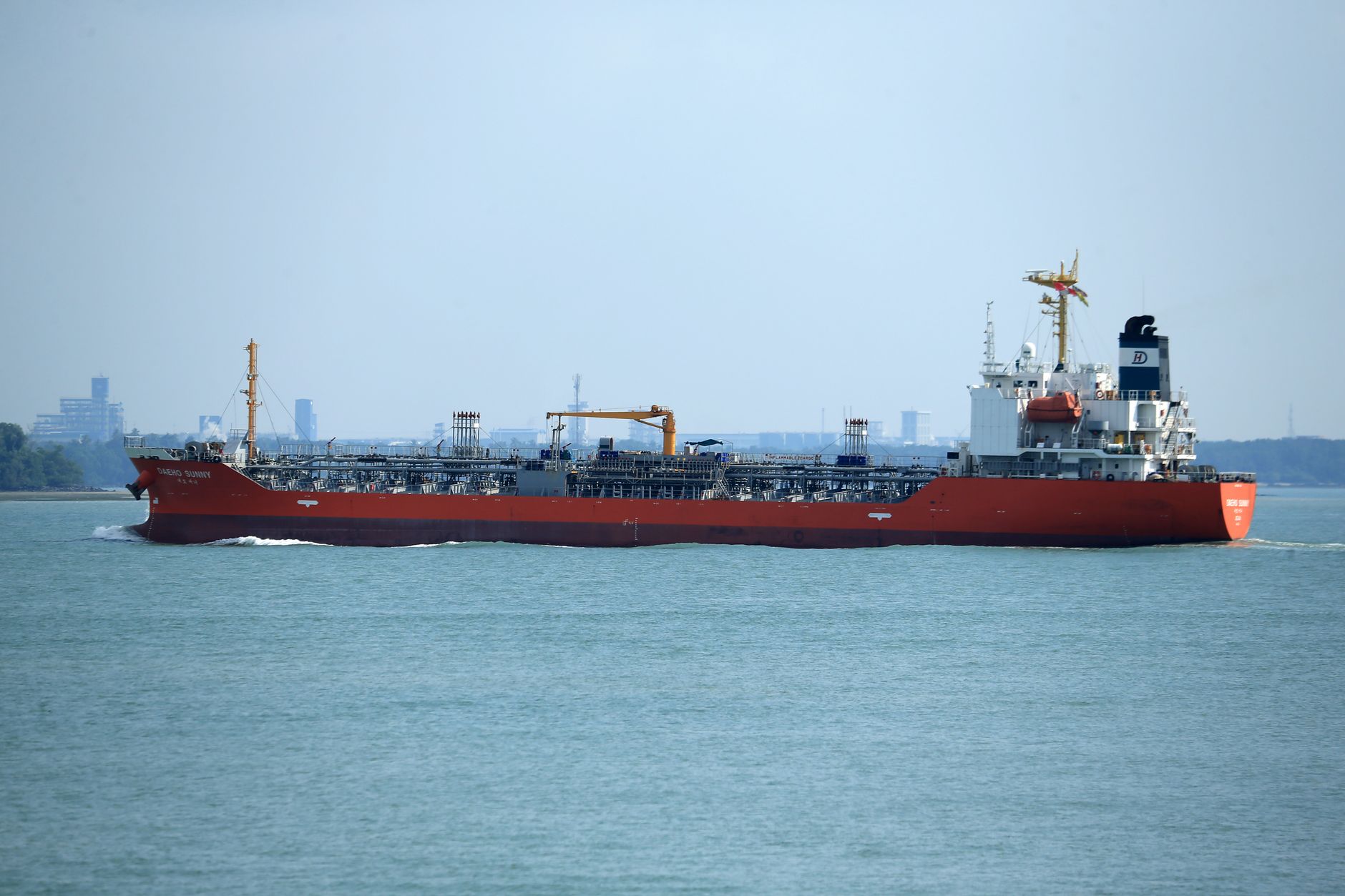
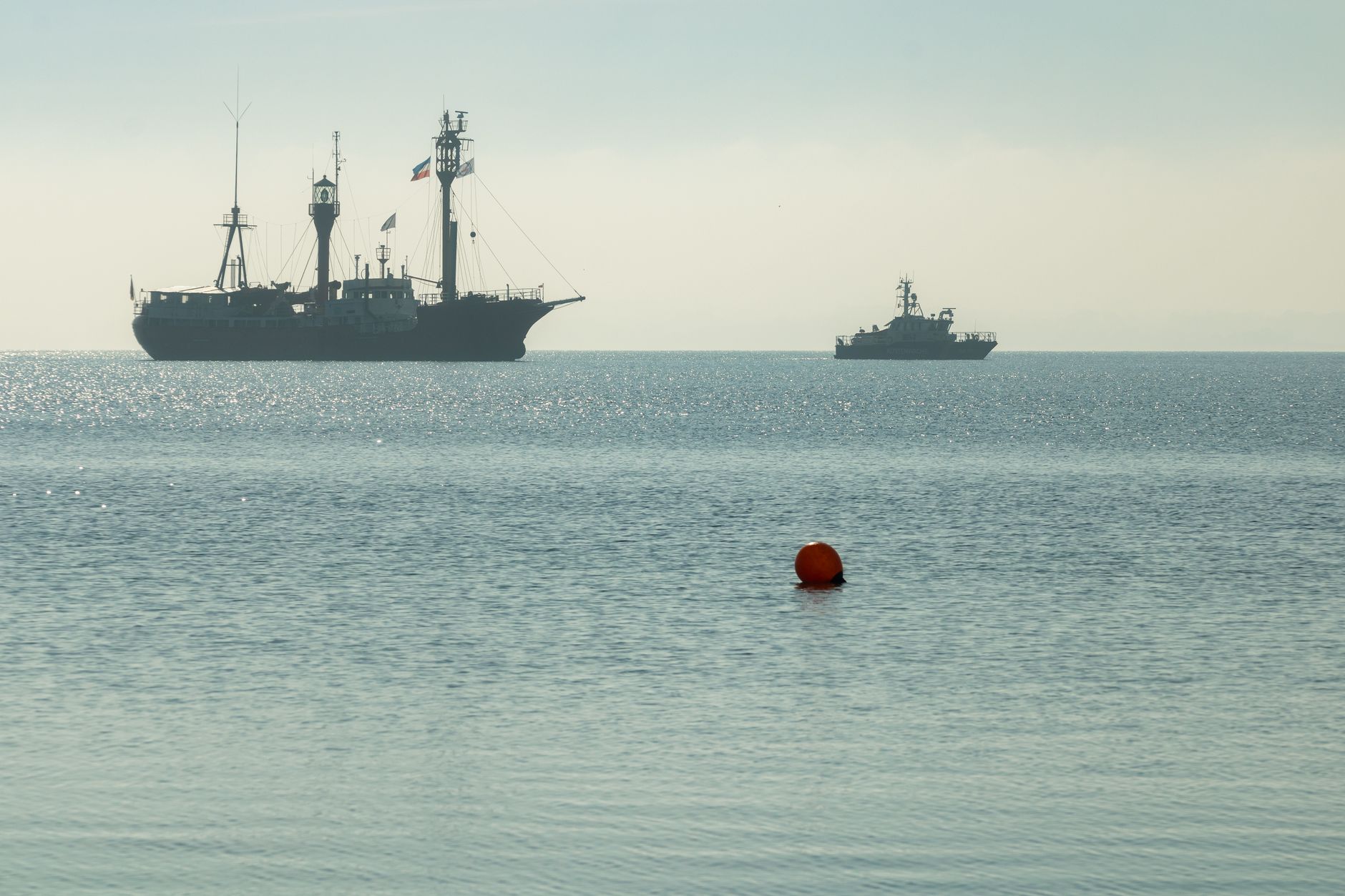
The Strait of Hormuz, a critical chokepoint for global oil shipments, has become a focal point for Iran's deceptive maritime practices. The use of fraudulent documentation, ship-to-ship transfers, and opaque ownership structures has allowed Iran to circumvent sanctions and continue exporting oil, generating billions in revenue. This complex web of deception often involves shell companies, complicit foreign entities, and sophisticated logistical arrangements, making it challenging for international authorities to track and interdict these illicit shipments. The current sanctions aim to directly address and dismantle one such intricate scheme.
Why It Matters
These sanctions are not merely symbolic; they represent a tangible blow to the financial capabilities of the IRGC-Qods Force, directly impacting their ability to fund destabilizing activities across the Middle East. By targeting the very mechanisms used to generate illicit oil revenue, the U.S. aims to diminish Iran's capacity to support terrorist organizations and proxy groups, thereby reducing regional tensions and protecting global shipping lanes. The disruption of these financial networks is a critical component of broader efforts to promote stability and counter Iranian aggression.
The integrity of global maritime trade is severely threatened by Iran's deceptive practices. The use of fraudulent 'transit insurance' schemes undermines international shipping regulations and creates an unfair advantage for illicit actors. This action sends a clear message to the maritime industry that complicity, whether intentional or unwitting, in such schemes will not be tolerated. It reinforces the necessity for rigorous due diligence and transparency within the global shipping, insurance, and financial sectors to prevent the exploitation of legitimate commercial infrastructure for illicit purposes. Failure to comply can lead to severe penalties and reputational damage.
Furthermore, these designations serve as a crucial deterrent, signaling to other potential facilitators of Iranian illicit trade that they risk significant repercussions. By exposing and penalizing those involved in these schemes, the U.S. government aims to increase the cost and complexity for Iran to circumvent sanctions, forcing them to expend more resources and take greater risks. This sustained pressure is essential for maintaining the effectiveness of the sanctions regime and preventing Iran from freely funding its malign agenda, ultimately contributing to a more secure international environment.
Ground Reality
On the ground, the Strait of Hormuz remains one of the world's most critical and contested maritime chokepoints. Approximately one-fifth of the world's total oil consumption passes through this narrow waterway daily, making it a vital artery for global energy markets. Iran's use of deceptive practices, including the 'transit insurance' scheme, directly exploits the complexity and high volume of traffic in this region, making it incredibly challenging for international monitoring bodies to consistently identify and interdict illicit shipments without robust intelligence and coordinated enforcement actions. This strategic vulnerability allows Iran to continue its illicit trade with a degree of impunity, despite international sanctions.
The individuals and entities targeted by these sanctions are deeply embedded within Iran's economic and political landscape, often operating through a labyrinth of shell companies and front organizations. These networks are designed to obscure the true beneficiaries and origins of funds, making it difficult to trace the flow of money back to the IRGC-Qods Force. The sanctions aim to sever these intricate financial ties, disrupting the logistical and financial support systems that are essential for the IRGC-QF's operations. However, the adaptability of these networks means that new facilitators and methods often emerge, requiring continuous vigilance and updated enforcement strategies from international bodies.
For the legitimate maritime industry, these sanctions heighten the already significant compliance burden. Shipping companies, insurers, and financial institutions must now redouble their efforts in due diligence, ensuring that they are not inadvertently facilitating sanctioned activities. The risk of hefty fines, asset freezes, and severe reputational damage is a constant concern. This creates a challenging environment where legitimate businesses must navigate complex regulatory landscapes while simultaneously avoiding being exploited by sophisticated illicit networks, underscoring the need for clear guidance and robust enforcement from regulatory bodies like OFAC.
What Experts Are Saying
Experts in sanctions policy and international finance generally view these targeted designations as a necessary and effective tool in the ongoing effort to curb Iran's illicit activities. "These sanctions demonstrate the U.S. Treasury's commitment to peeling back the layers of deception that Iran employs to fund its malign activities," states Dr. Eleanor Vance, a senior analyst at the Institute for Global Security Studies. "By focusing on specific individuals and the intricate 'transit insurance' scheme, OFAC is not just sanctioning names; it's dismantling a critical operational mechanism, making it harder and more costly for the IRGC-QF to move its illicit oil and finance its proxies. This precision is key to long-term effectiveness."
However, some analysts caution that while impactful, such measures alone may not be sufficient to completely halt Iran's illicit oil trade. "Iran's networks are incredibly resilient and adaptable," notes maritime security expert Captain David Chen. "They will undoubtedly seek alternative routes, new shell companies, and different methods to circumvent these sanctions. The challenge for the U.S. and its allies will be to maintain constant vigilance and adapt their enforcement strategies just as quickly. This is a continuous cat-and-mouse game, and while this move is a significant win, it's far from the end of the story." This perspective highlights the dynamic nature of sanctions enforcement.
Furthermore, there's a consensus among legal experts that these designations send a powerful message to the global maritime and financial industries. "The explicit warning issued by OFAC regarding the risks of engaging with these deceptive practices is crucial," explains international law professor Sarah Jenkins. "It places a clear onus on companies to enhance their due diligence, not just to avoid penalties, but to uphold their ethical responsibilities. Ignorance is no longer a viable defense when the mechanisms of deception are so clearly laid out. This action raises the bar for compliance across the board, forcing a re-evaluation of risk assessments within the shipping and insurance sectors globally."
Frequently Asked Questions
What Happens Next
Following these designations, the immediate next step will be a scramble by the targeted entities and the broader Iranian illicit network to adapt and find alternative methods for circumventing sanctions. This often involves creating new shell companies, altering shipping routes, or employing even more sophisticated deceptive practices to mask the origin and destination of oil shipments. The U.S. Treasury and its international partners will need to remain vigilant, continuously monitoring these evolving tactics and preparing for subsequent enforcement actions to counter new forms of evasion.
The global maritime and financial industries are expected to intensify their due diligence and compliance efforts. Companies operating in the Strait of Hormuz and those involved in oil shipping, insurance, and trade will likely review their internal policies and risk assessments to ensure they are not inadvertently facilitating sanctioned activities. This heightened awareness, driven by the threat of severe penalties, aims to create a more challenging environment for Iran's illicit operations, pushing legitimate businesses to proactively identify and avoid sanctioned entities and practices.
Looking ahead, these sanctions are part of a broader, sustained U.S. strategy to exert maximum pressure on Iran's financial lifelines, particularly those supporting the IRGC-Qods Force. Future actions could include further designations targeting other nodes in Iran's illicit oil network, increased international cooperation to enhance maritime surveillance, and diplomatic efforts to encourage stricter enforcement by other nations. The goal remains to significantly degrade Iran's ability to fund its destabilizing regional agenda, ultimately contributing to greater stability in the Middle East.












Comments
No comments yet. Be the first to comment!