
Policy Snapshot
- Former President Donald Trump has publicly asserted that the ongoing conflict with Iran is poised to conclude "pretty soon," signaling a potential shift in long-standing geopolitical tensions.
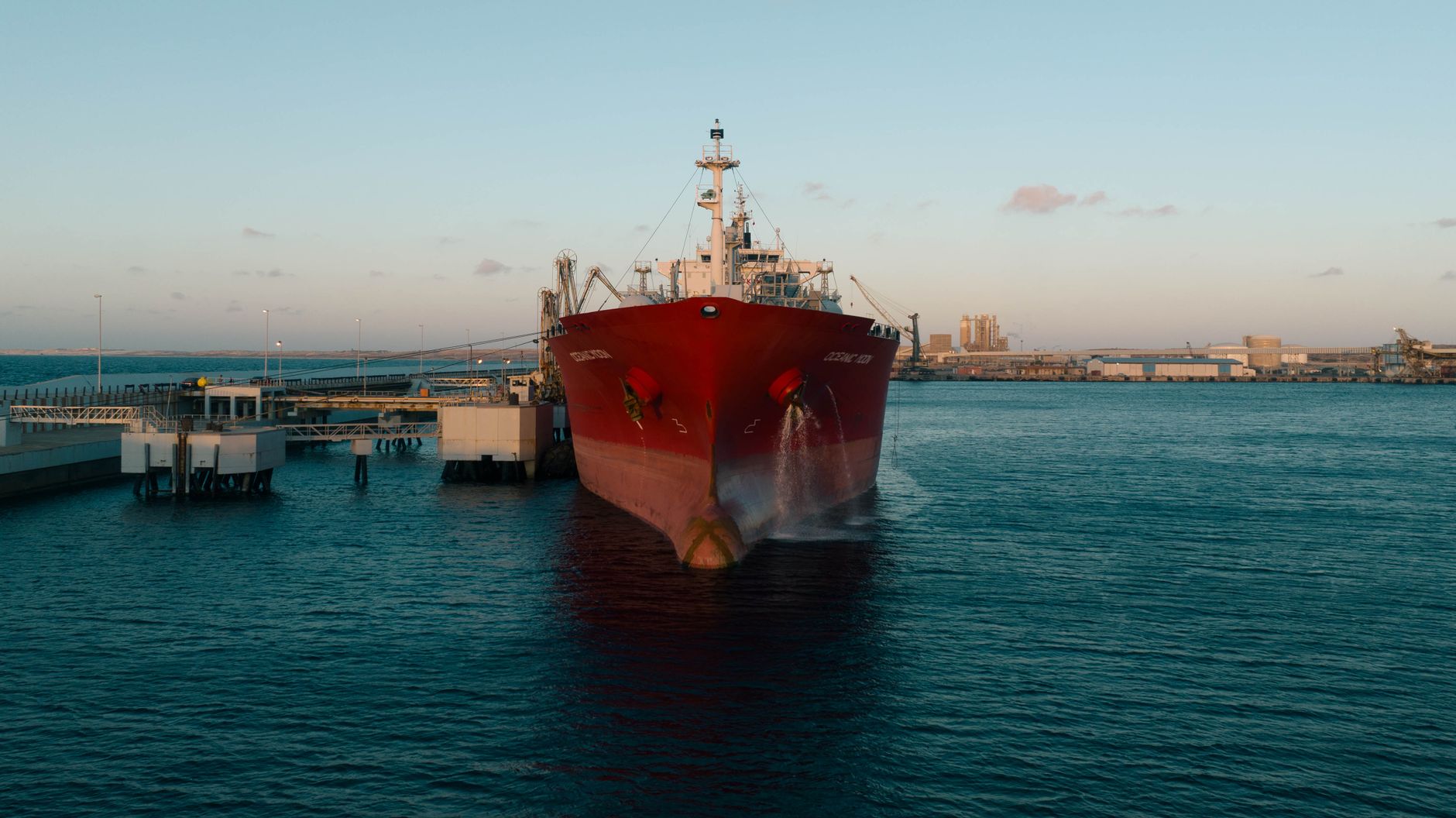
- The declaration comes amidst persistent speculation and diplomatic maneuvering surrounding the critical Strait of Hormuz, a vital chokepoint for global oil shipments.
- A looming deal regarding the Strait of Hormuz is reportedly in advanced stages, with implications that could fundamentally reshape regional security and international energy markets.
- This anticipated agreement could involve a complex interplay of economic incentives, security guarantees, and a de-escalation framework designed to stabilize one of the world's most volatile maritime passages.
- The potential resolution aims to mitigate risks associated with maritime incidents, ensuring the free flow of oil and reducing the likelihood of military confrontation in the Persian Gulf region.
- Analysts are closely watching for details on how such a deal might address Iran's nuclear program and its regional influence, which have been central points of contention for decades.
The Policy History
The relationship between the United States and Iran has been characterized by decades of animosity, punctuated by periods of intense confrontation and fleeting attempts at diplomacy. Following the 1979 Iranian Revolution, the two nations severed diplomatic ties, leading to a prolonged era of sanctions, proxy conflicts, and mutual distrust. Key flashpoints have included the Iran-Contra affair, Iran's nuclear ambitions, and its support for various regional non-state actors, all contributing to a deeply entrenched adversarial dynamic. The Strait of Hormuz, a narrow waterway connecting the Persian Gulf to the open ocean, has consistently been at the heart of this tension, serving as a strategic choke point for a significant portion of the world's oil supply. Incidents involving tankers, naval exercises, and accusations of sabotage have frequently escalated regional anxieties, making any potential resolution a monumental diplomatic achievement.
Under the Trump administration, the policy towards Iran underwent a significant shift, marked by the withdrawal from the Joint Comprehensive Plan of Action (JCPOA), commonly known as the Iran nuclear deal, in 2018. This decision was followed by the re-imposition and escalation of crippling economic sanctions, aiming to exert "maximum pressure" on the Iranian regime to renegotiate a more comprehensive agreement. The administration's stance was rooted in the belief that the JCPOA was flawed and did not adequately address Iran's ballistic missile program or its destabilizing activities in the Middle East. This aggressive approach, while intended to force concessions, also led to heightened tensions, including military standoffs and attacks on oil infrastructure, pushing the region to the brink of wider conflict on multiple occasions. The current pronouncements by Trump suggest a potential pivot from this hardline stance, or perhaps a claim that the maximum pressure campaign has finally yielded results.
The historical context of the Strait of Hormuz is crucial to understanding the gravity of any proposed deal. For decades, both the U.S. and Iran have viewed control or influence over the Strait as a matter of national security and economic survival. Iran has repeatedly threatened to close the Strait in response to sanctions or military threats, a move that would send shockwaves through the global economy. The U.S., in turn, has maintained a significant naval presence in the region, asserting its commitment to ensuring freedom of navigation. Any agreement on Hormuz would therefore need to address these deeply ingrained strategic concerns, potentially involving international guarantees, joint oversight mechanisms, or a significant re-evaluation of regional power dynamics. The complexity of such a negotiation cannot be overstated, given the multitude of historical grievances and current geopolitical imperatives at play for all parties involved.
Who Is Affected
A resolution to the Iran conflict and a deal concerning the Strait of Hormuz would have profound and far-reaching implications for a diverse array of global actors. First and foremost, the global energy market stands to be significantly impacted. The Strait of Hormuz is the world's most important oil transit chokepoint, with approximately 21% of global petroleum liquids consumption passing through it daily. Any stabilization or de-escalation in this region could lead to increased certainty in oil supply, potentially influencing global oil prices and reducing volatility. Conversely, continued instability or a failed deal would maintain the risk premium on oil, affecting consumers and industries worldwide. Energy-importing nations, particularly in Asia like China, India, Japan, and South Korea, which are heavily reliant on Middle Eastern oil, would experience greater supply security and potentially lower costs, boosting their economic outlooks. Oil-exporting nations outside the Persian Gulf might see a slight decrease in their competitive advantage if supply from the region becomes more reliable and abundant.
Geopolitically, the entire Middle East region would be dramatically reshaped. Iran, if a deal is truly imminent, could see a reduction in international isolation, potentially leading to the easing of some sanctions and a more integrated role in regional affairs. This could be a double-edged sword for neighboring countries. Saudi Arabia, the UAE, and other Gulf states, who have long viewed Iran as a primary security threat, would need to recalibrate their foreign policies and defense strategies. A stable Hormuz could reduce the immediate threat of conflict, but also potentially empower a less constrained Iran. Israel, a key U.S. ally and a staunch opponent of Iran's nuclear program and regional influence, would be particularly attentive to the specifics of any deal, especially concerning its security implications and the future of Iran's military capabilities. The balance of power in the Levant and the broader Persian Gulf could shift, necessitating new diplomatic alignments and security architectures.
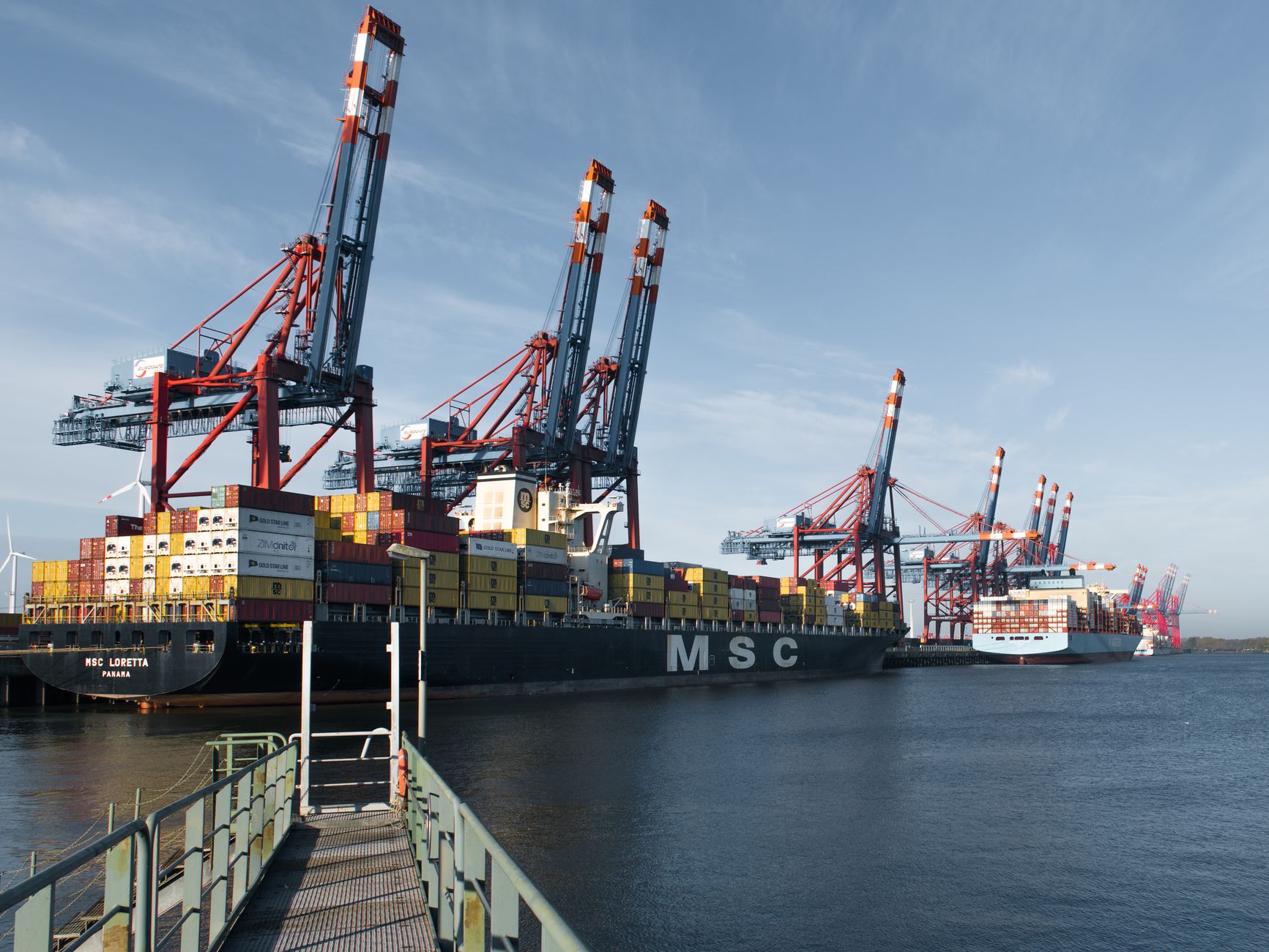
Beyond state actors, international shipping companies, insurance providers, and global trade networks would also feel direct effects. Reduced tensions and increased security in the Strait of Hormuz would lower insurance premiums for vessels transiting the area, decrease operational risks, and potentially streamline shipping routes, leading to cost savings and increased efficiency for global trade. Humanitarian organizations and populations in conflict zones where Iran has influence, such as Yemen, Syria, and Lebanon, could also see shifts. A de-escalation with Iran might lead to a reassessment of its regional proxy engagements, potentially opening avenues for peace or, conversely, altering the dynamics of existing conflicts. The ripple effects of such a significant geopolitical shift would touch nearly every sector of the global economy and international relations, demanding careful monitoring and strategic adaptation from all involved parties.
The Case For
The primary argument in favor of a swift resolution to the Iran conflict and a comprehensive deal on the Strait of Hormuz centers on global stability and economic prosperity. Decades of tension in the Persian Gulf have created an environment of perpetual uncertainty, leading to sporadic disruptions in oil supplies, inflated insurance costs for maritime transport, and a constant threat of military escalation. A successful agreement would significantly de-escalate these tensions, providing a much-needed period of calm and predictability for international trade and energy markets. This stability would directly benefit consumers worldwide through potentially lower energy prices and indirectly through a more robust global economy less susceptible to shocks originating from the Middle East. Furthermore, it could free up significant military resources currently dedicated to maintaining security in the region, allowing nations to reallocate these funds to domestic priorities or other global challenges.
From a diplomatic perspective, achieving a deal with Iran, particularly one that addresses the critical Strait of Hormuz, would represent a monumental triumph for international diplomacy. It would demonstrate that even the most intractable conflicts can be resolved through negotiation and mutual understanding, setting a precedent for future geopolitical challenges. Such a resolution could pave the way for broader regional dialogue and cooperation, potentially fostering an environment where other long-standing disputes in the Middle East might find pathways to resolution. It could also allow for a more constructive engagement with Iran on issues beyond its nuclear program, such as regional stability, counter-terrorism efforts, and humanitarian aid, moving away from a purely confrontational stance towards a more integrated and nuanced relationship with Tehran.
Moreover, a stable Strait of Hormuz would directly enhance maritime security, a vital component of global commerce. The reduction in risks associated with navigating this crucial waterway would lead to lower operational costs for shipping companies, fewer delays, and a safer environment for seafarers. This improved security would not only benefit the energy sector but also impact the transport of various goods and commodities that transit through the Gulf, reinforcing the resilience of global supply chains. For Iran itself, a deal could open doors to economic relief, potentially leading to the lifting of some sanctions and an influx of foreign investment, which could improve the living standards of its citizens and foster internal stability. This mutual benefit, where all parties gain from a more secure and predictable environment, forms the strongest case for pursuing and finalizing such an agreement with urgency.
The Case Against
While the prospect of peace and stability is appealing, significant arguments exist against rushing into a deal with Iran, especially one that might be perceived as weak or incomplete. Critics argue that a premature or ill-conceived agreement could inadvertently legitimize Iran's current regime and its regional ambitions without adequately addressing fundamental concerns. There is a palpable fear that any concessions made, particularly regarding sanctions relief, might empower Iran financially, allowing it to further fund its ballistic missile program, support proxy groups across the Middle East, and continue its human rights abuses domestically. A deal that does not comprehensively dismantle these capabilities or curb these activities could be seen as a dangerous capitulation, undermining the long-term security interests of the U.S. and its allies in the region, particularly Israel and Saudi Arabia. Such an agreement might only provide temporary relief while sowing the seeds for greater instability down the line.
Another major concern revolves around the enforceability and verification mechanisms of any new agreement. The history of international accords with Iran, particularly the JCPOA, has shown the complexities and challenges of ensuring full compliance. Skeptics contend that Iran has a track record of obfuscation and non-transparency, making robust verification protocols absolutely essential. If a new Hormuz deal lacks stringent monitoring, clear red lines, and credible consequences for violations, it could be exploited by Iran to advance its strategic objectives covertly. The argument here is that without ironclad guarantees and an unwavering commitment to enforcement from all international parties, any deal is merely a piece of paper that could be disregarded when it suits Tehran's interests, leaving the international community in a worse position than before, having granted concessions without achieving genuine behavioral change.
Furthermore, there is a strong argument that a deal struck under the current geopolitical climate, particularly one heralded by a figure like Donald Trump, might be driven more by political expediency than by sound strategic analysis. Opponents fear that a desire for a 'win' could lead to overlooking crucial details or making compromises that jeopardize long-term security. The perception that the U.S. is eager for a deal could weaken its negotiating leverage, allowing Iran to dictate more favorable terms for itself. This could also send a negative signal to other adversarial nations, suggesting that persistent defiance can eventually lead to concessions. Ultimately, the case against a hasty deal is rooted in the belief that a comprehensive, verifiable, and genuinely transformative agreement is necessary, even if it takes more time and sustained pressure, rather than a quick fix that might only defer or exacerbate the underlying problems.
Policy Questions Answered
Implementation Watch
As the prospect of a Hormuz deal and an end to the Iran conflict looms, the focus will swiftly shift to the meticulous details of its implementation. The success of any agreement hinges not just on its signing, but on the practical, verifiable steps taken by all parties involved. Key areas to watch include the specific mechanisms for monitoring maritime traffic in the Strait of Hormuz, ensuring adherence to any agreed-upon navigation protocols, and the role of international bodies in oversight. The exact timeline and conditions for the lifting or easing of sanctions on Iran will also be under intense scrutiny, as this directly impacts Iran's economic recovery and its willingness to comply with other aspects of the deal. Any ambiguity in these areas could quickly undermine confidence and provide grounds for future disputes, making clarity and transparency paramount during this critical phase.
Beyond the immediate terms, the broader geopolitical ramifications of implementation will require careful management. Regional actors, particularly Saudi Arabia, the UAE, and Israel, will be closely observing how the deal impacts Iran's behavior and influence. Any perceived imbalance or failure to adequately address their security concerns could lead to renewed tensions or a shift in regional alliances. The U.S. and other international powers will need to engage in robust diplomatic efforts to reassure allies and ensure that the agreement contributes to, rather than detracts from, overall regional stability. This will involve continuous dialogue, clear communication of the deal's parameters, and a demonstrated commitment to enforcing its terms, even in the face of potential challenges or provocations from any party.
Finally, the long-term sustainability of the agreement will depend on its ability to withstand changes in political leadership and evolving geopolitical landscapes. A truly effective deal must be robust enough to endure beyond the current political cycle, requiring broad international consensus and institutionalized mechanisms that are not easily dismantled. This means establishing a framework that encourages continued dialogue, provides avenues for dispute resolution, and adapts to new challenges without collapsing. The world will be watching to see if this potential resolution marks a genuine turning point towards lasting peace and stability in the Persian Gulf, or merely a temporary reprieve in a long-standing and complex conflict. The coming months will be crucial in determining the true impact and durability of any such agreement.











Comments
No comments yet. Be the first to comment!