

What We Know
- Houthi forces have launched a series of coordinated and deadly attacks targeting positions held by Saudi-backed Yemeni government forces, marking a significant escalation in the protracted conflict.
- The recent offensive has resulted in substantial casualties among government troops, with reports indicating dozens killed and injured, underscoring the intensity and lethality of the Houthi assault.
- These attacks have primarily focused on strategic frontlines, particularly in key provinces where control shifts frequently, indicating a concerted effort by the Houthis to gain territorial advantage.
- International observers and aid organizations have expressed grave concerns over the renewed fighting, warning of its devastating impact on an already dire humanitarian situation in Yemen, which is on the brink of famine.
- The escalation directly undermines ongoing, albeit fragile, peace initiatives and diplomatic efforts aimed at de-escalating the conflict and finding a political resolution, pushing the prospect of peace further out of reach.
- Saudi Arabia and its coalition allies have condemned the Houthi aggression, reiterating their commitment to supporting the internationally recognized Yemeni government and potentially signaling a robust military response.
What We Do Not Know Yet
- The precise number of casualties on both sides remains unconfirmed, with conflicting reports emerging from Houthi and government-aligned sources, making it difficult to ascertain the full human cost of the recent clashes.
- The specific motivations behind this sudden and aggressive surge in Houthi attacks are not entirely clear; whether it's a strategic push for leverage in future negotiations or a response to perceived provocations is still debated.
- The extent of Iranian involvement or direct support for these latest Houthi offensives is yet to be definitively established, although the coalition frequently accuses Tehran of arming and funding the rebel group.
- The exact nature and scale of the international community's response to this escalation are still developing, with various diplomatic channels and potential sanctions under consideration but no firm commitments yet.
- How these renewed hostilities will impact the already fragile humanitarian aid corridors and the ability of relief organizations to deliver essential supplies to millions of Yemenis in need remains a critical unknown.
- Whether this escalation will trigger a broader regional conflict, drawing in more external actors or leading to retaliatory strikes that could destabilize the entire Arabian Peninsula, is a significant concern.
Background
Yemen has been embroiled in a devastating civil war since 2014, when Houthi rebels, an Iran-aligned group, seized the capital Sana'a and ousted the internationally recognized government. This action prompted a Saudi-led military coalition to intervene in March 2015, aiming to restore the legitimate government and curb what it perceives as Iranian expansion in the region. The conflict quickly devolved into a complex proxy war, drawing in numerous regional and international actors, each with their own strategic interests and allegiances. The initial phase of the conflict saw rapid territorial shifts, but it soon settled into a brutal stalemate characterized by intense fighting, aerial bombardments, and a crippling blockade that has pushed the nation to the brink of collapse.
The humanitarian crisis in Yemen is widely regarded as one of the worst in the world. Years of conflict have decimated infrastructure, including hospitals, schools, and water systems, leaving millions without access to basic services. The United Nations estimates that over 24 million people, roughly 80% of the population, require humanitarian assistance, with millions facing severe food insecurity and the constant threat of famine. Diseases like cholera and diphtheria have ravaged communities due to inadequate sanitation and healthcare. This dire situation is exacerbated by continuous disruptions to aid delivery, often due to ongoing hostilities and bureaucratic impediments, making the recent escalation even more alarming for vulnerable populations.
Despite numerous attempts at brokering peace, including UN-led negotiations and various ceasefires, a lasting political solution has remained elusive. Each side has consistently accused the other of violating agreements and obstructing peace efforts, perpetuating a cycle of violence and mistrust. The international community has largely struggled to exert sufficient pressure on the warring factions to commit to a comprehensive peace process, often due to divergent geopolitical interests among powerful nations. The current landscape is further complicated by the fragmentation of anti-Houthi forces, which include various local militias and southern separatists, making a unified front against the Houthis or a cohesive negotiating bloc challenging to establish. This intricate web of alliances and rivalries ensures that any path to peace will be fraught with significant obstacles.
Why It Matters
The renewed intensity of Houthi attacks is not merely a localized skirmish; it represents a dangerous escalation that could unravel years of painstaking, albeit often unsuccessful, diplomatic efforts to bring peace to Yemen. Each major offensive pushes the prospect of a negotiated settlement further away, prolonging the suffering of millions. The international community has invested considerable resources and political capital into peace talks, and this resurgence of violence directly undermines those investments, signaling a potential return to full-scale, unchecked warfare across multiple frontlines. This jeopardizes not only the immediate ceasefire attempts but also any long-term vision for a stable and unified Yemen, making future peace initiatives significantly more challenging to initiate and sustain.
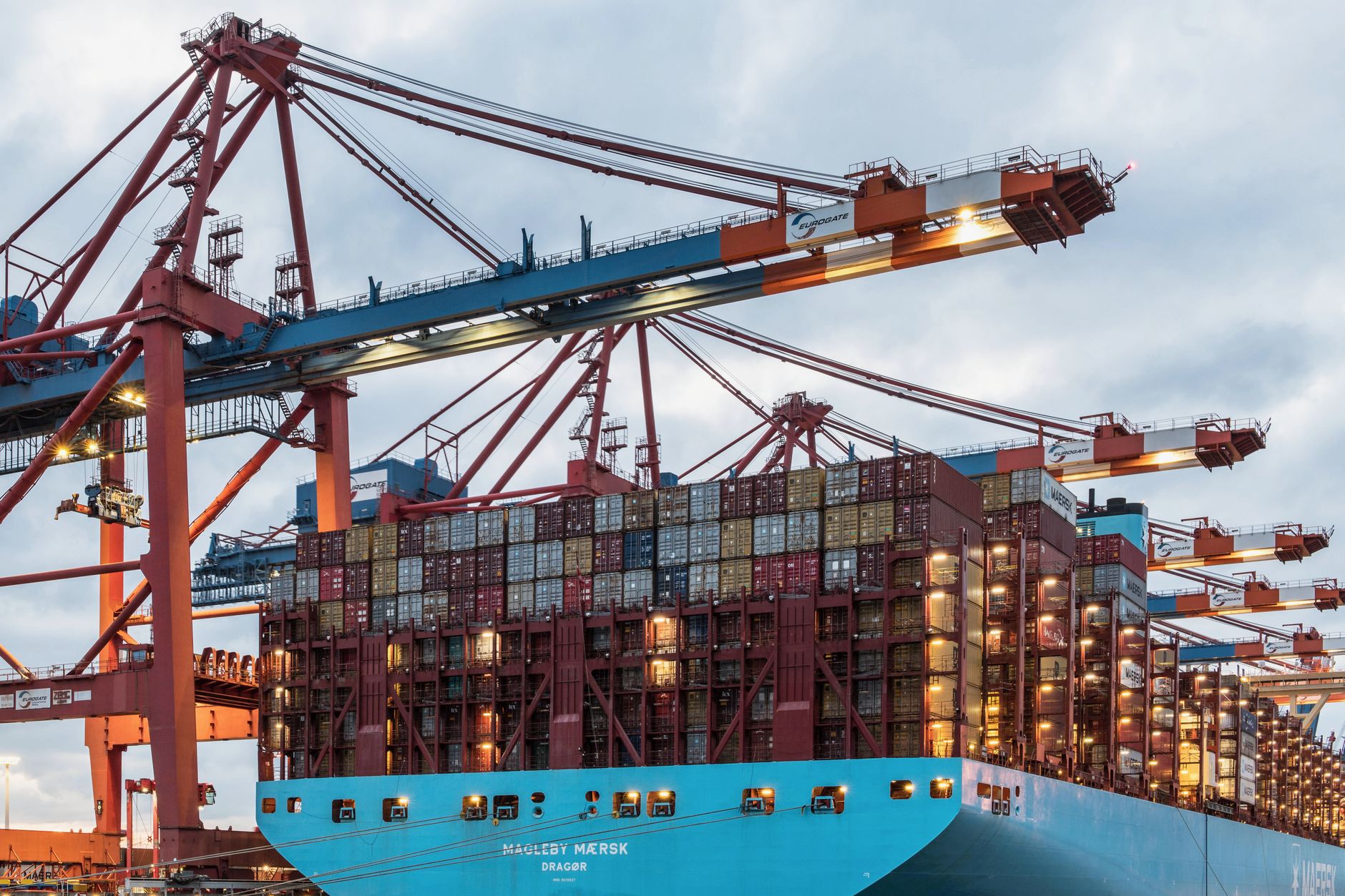
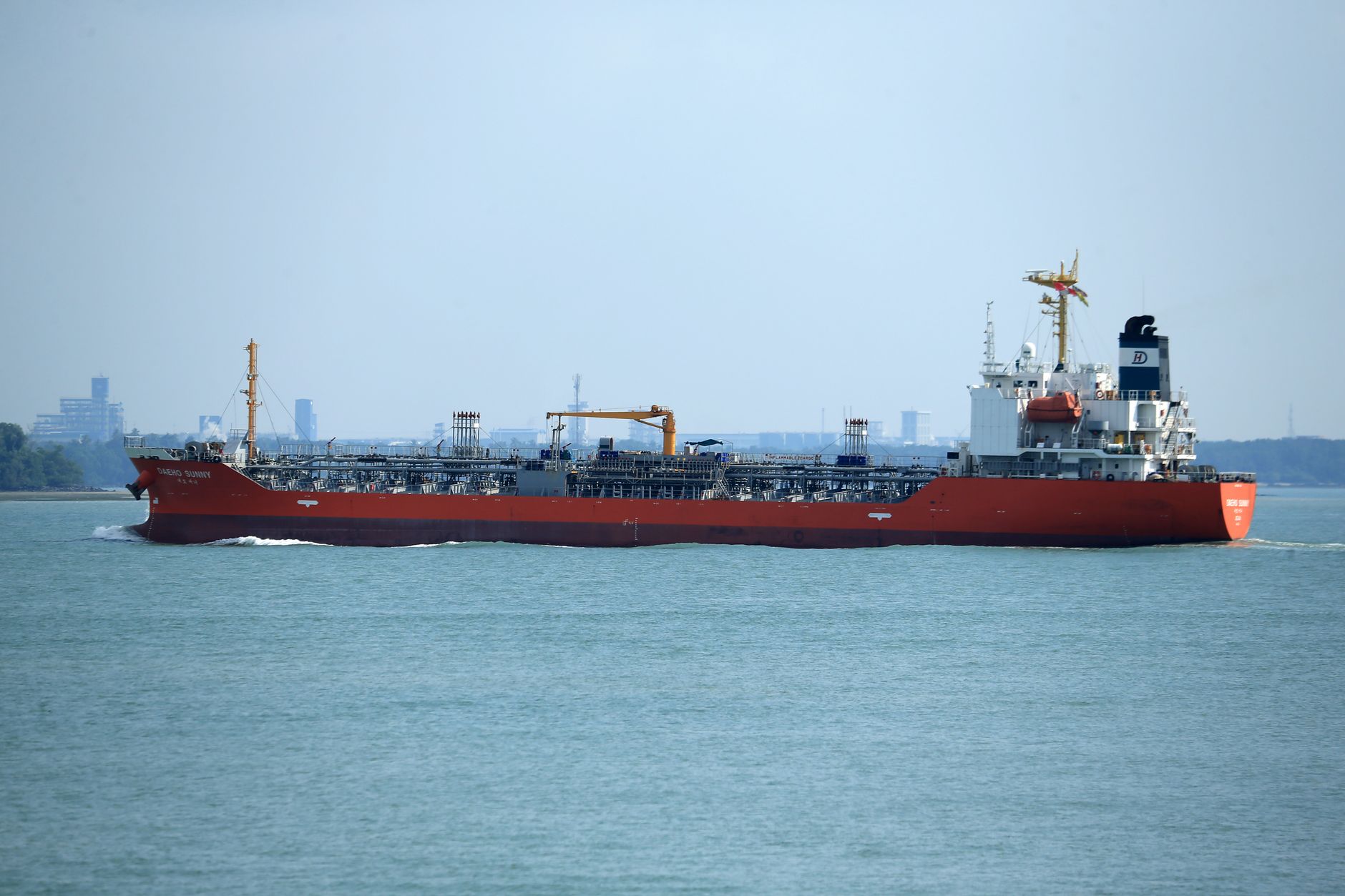
Beyond the immediate conflict, the escalation carries profound implications for regional stability. Yemen's strategic location at the Bab al-Mandab strait, a critical choke point for global oil shipments, means that any significant destabilization there reverberates across the Middle East and beyond. Increased Houthi aggression, especially if perceived as being backed by Iran, could provoke a stronger response from Saudi Arabia and its allies, potentially leading to a broader regional confrontation. This could disrupt international trade routes, send shockwaves through global energy markets, and further entrench proxy rivalries, creating a volatile environment that could easily spill over into neighboring countries and exacerbate existing tensions in the Gulf.
Most critically, this escalation deepens the already catastrophic humanitarian crisis in Yemen. Millions are on the brink of famine, and access to basic necessities like food, water, and medicine is severely restricted. Renewed fighting inevitably leads to more civilian casualties, displacement, and a further breakdown of essential services. Aid organizations struggle to operate in active conflict zones, meaning that even more vulnerable populations will be cut off from life-saving assistance. The international community has a moral imperative to address this crisis, and the current military escalation makes that task exponentially harder, threatening to push an already suffering nation past the point of no return. The human cost of this prolonged conflict is immeasurable and demands immediate, concerted action.
Timeline of Events
- September 2014: Houthi rebels seize control of Sana'a, the capital of Yemen, effectively overthrowing the internationally recognized government of President Abdrabbuh Mansur Hadi, marking the beginning of the current phase of the civil war.
- March 2015: A Saudi-led coalition, comprising several Arab states, launches a military intervention in Yemen with the stated goal of restoring President Hadi's government and countering Houthi advancements, initiating widespread aerial bombardments.
- April 2016: Peace talks begin in Kuwait under UN mediation, but ultimately collapse in August without a significant breakthrough, highlighting the deep divisions and lack of trust between the warring factions.
- December 2018: The Stockholm Agreement is signed between the Yemeni government and Houthi rebels, establishing a ceasefire in Hodeidah and a prisoner exchange, offering a glimmer of hope for de-escalation, though implementation remains challenging.
- Early 2020: A period of relative calm emerges, with some de-escalation efforts and a focus on containing the COVID-19 pandemic, leading to cautious optimism about potential peace negotiations, albeit with intermittent clashes.
- Late 2023 - Early 2024: Reports begin to surface of a significant increase in Houthi military activity, including drone and missile attacks, signaling a renewed offensive strategy and a departure from previous de-escalation attempts.
- February 2024: Houthi forces launch a series of coordinated and deadly ground assaults against Saudi-backed Yemeni government positions, particularly in strategic central and northern provinces, resulting in heavy casualties.
- March 2024: International condemnation mounts as the humanitarian impact of the renewed fighting becomes starkly evident, with calls for an immediate cessation of hostilities and a return to the negotiating table intensifying from global bodies.

Rapid-Fire Q&A
What Is Coming
- Expect a likely increase in retaliatory strikes from the Saudi-led coalition, including intensified air campaigns targeting Houthi positions and infrastructure, in response to the recent deadly offensives.
- Further displacement of civilians is almost inevitable as fighting escalates, leading to an even greater humanitarian crisis and placing immense strain on already overstretched aid organizations and resources.
- Diplomatic efforts will intensify, with international bodies and key nations likely to issue stronger condemnations and push for an immediate ceasefire, though the effectiveness of these calls remains uncertain given the entrenched positions.
- The prospect of a comprehensive peace agreement will recede further into the distance, as the renewed violence makes both sides less willing to compromise or engage in meaningful negotiations, prolonging the conflict indefinitely.
- Increased scrutiny on the flow of weapons and support to both sides of the conflict is anticipated, potentially leading to calls for stricter arms embargoes and sanctions against actors deemed to be fueling the violence.
- Regional tensions are poised to heighten, with the potential for the conflict to spill over Yemen's borders, drawing in more external actors or leading to broader confrontations in the already volatile Arabian Peninsula.
- Economic repercussions, particularly concerning global oil prices and shipping routes through the Bab al-Mandab strait, could emerge if the conflict significantly disrupts maritime trade or energy supplies.
- Human rights organizations will continue to document and report on alleged war crimes and violations, increasing pressure on all parties to adhere to international humanitarian law and protect civilian lives.












Comments
No comments yet. Be the first to comment!