

What We Know
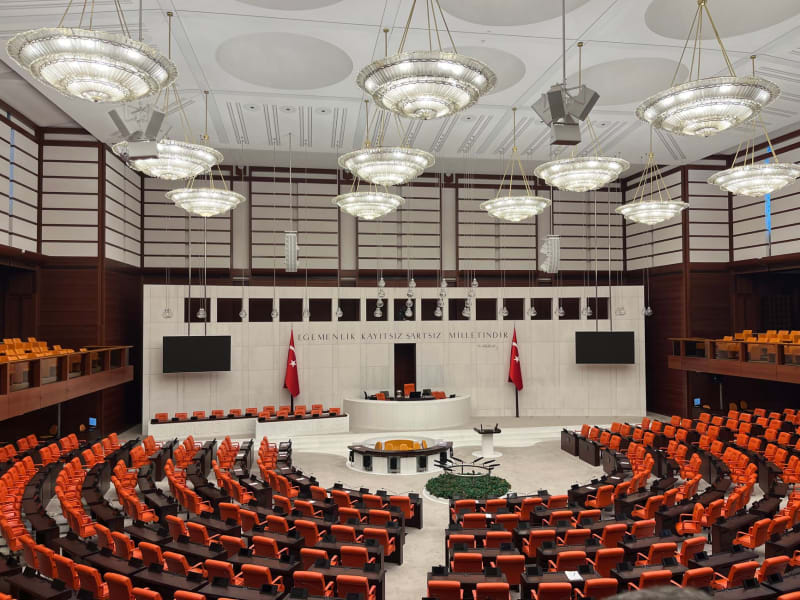
- Dr. Anthony Fauci, former Director of the National Institute of Allergy and Infectious Diseases (NIAID), appeared before a Senate committee for a highly anticipated hearing regarding his tenure and decisions during the pandemic.
- During the hearing, Dr. Fauci repeatedly invoked his Fifth Amendment right against self-incrimination, refusing to answer a wide array of questions posed by committee members.
- The questions primarily focused on the origins of the COVID-19 virus, the funding of gain-of-function research, and the rationale behind various public health policies implemented under his guidance.
- Committee members expressed significant frustration and concern over Dr. Fauci's repeated refusal to provide testimony, interpreting it as an obstruction of congressional oversight.
- Legal experts and constitutional scholars are weighing in on the implications of a high-profile public official invoking the Fifth Amendment in a congressional setting, especially concerning matters of public health and government transparency.
- The hearing has intensified the ongoing political debate surrounding the handling of the pandemic and the accountability of those in leadership positions during that critical period.
What We Do Not Know Yet
- The specific legal advice Dr. Fauci received that led to his decision to invoke the Fifth Amendment remains undisclosed, leaving many to speculate about the underlying reasons for his silence.
- Whether the Senate committee will pursue further legal avenues, such as contempt charges or other enforcement mechanisms, to compel Dr. Fauci's testimony is currently uncertain and under active discussion.
- The full extent of the information Dr. Fauci is withholding, and what potential implications that information might have for public understanding of the pandemic's origins and response, is still unknown.
- How this invocation of the Fifth Amendment will impact public trust in scientific institutions and government health agencies, particularly among those who have been critical of pandemic policies, is yet to be fully assessed.
- The long-term political ramifications for both Dr. Fauci's legacy and the broader scientific community, following this unprecedented event, are still unfolding and subject to future analysis.
- If any other individuals or entities connected to the pandemic response might also face similar scrutiny or legal challenges, prompting them to consider similar legal protections, is an open question.
Background
Dr. Anthony Fauci served as the director of the National Institute of Allergy and Infectious Diseases (NIAID) for nearly four decades, becoming a household name during the COVID-19 pandemic. His role placed him at the forefront of the nation's response, making him a central figure in policy decisions, public health messaging, and scientific research. Throughout his career, Dr. Fauci has been a prominent voice in public health, advising multiple presidents on infectious diseases, including HIV/AIDS, SARS, MERS, and Ebola. His extensive experience and scientific background made him a trusted, albeit sometimes controversial, figure during the unprecedented global health crisis.
The contentious Senate committee hearing was the culmination of months, if not years, of mounting pressure and scrutiny directed at Dr. Fauci. Critics, particularly from certain political factions, have consistently questioned his handling of the pandemic, specifically focusing on issues like the origins of SARS-CoV-2, the efficacy of various public health measures, and the alleged suppression of dissenting scientific opinions. These concerns have fueled numerous congressional inquiries and public demands for greater transparency, setting the stage for a highly charged and anticipated confrontation in the Senate chamber. The public's desire for answers has been palpable, with many seeking clarity on decisions that profoundly impacted their lives.
The Fifth Amendment to the U.S. Constitution provides several protections, including the right to remain silent, preventing individuals from being compelled to be a witness against themselves in a criminal case. While typically invoked in criminal proceedings, its application in congressional hearings by a public official is rare and carries significant political and public perception implications. This right is a cornerstone of American jurisprudence, safeguarding individuals from self-incrimination. However, its use by a prominent figure like Dr. Fauci in a context of public accountability has ignited a fierce debate about the balance between individual rights and the public's right to know, especially concerning matters of national importance and public trust.
Why It Matters
Dr. Fauci's invocation of the Fifth Amendment during a Senate hearing is not merely a procedural event; it strikes at the very core of government transparency and accountability. When a high-ranking public official, particularly one who wielded immense influence over national policy during a crisis, refuses to answer questions under oath, it erodes public trust in institutions. This action suggests that there might be information deemed too sensitive or potentially incriminating to be revealed, fostering an environment of suspicion and doubt among citizens who rely on their leaders for honest and complete information. The precedent set by this event could have lasting repercussions for how future public health crises are managed and how officials are held to account.
The implications extend far beyond Dr. Fauci himself, impacting the public's perception of scientific integrity and the independence of public health agencies. For many, Dr. Fauci represented the scientific establishment during the pandemic. His silence, therefore, can be interpreted as a collective failure of transparency within that establishment, potentially deepening the existing divides between the public and scientific authorities. This erosion of trust can make it significantly harder to garner public cooperation during future health emergencies, as skepticism about official narratives and recommendations may become more entrenched. The incident risks politicizing science even further, making it harder for objective facts to penetrate public discourse.
Furthermore, this event could significantly influence future congressional oversight efforts. If a precedent is established where high-profile officials can routinely invoke the Fifth Amendment in response to legitimate inquiries, it could severely hamstring Congress's ability to conduct thorough investigations and ensure accountability. This would weaken the checks and balances essential to a functioning democracy, making it more challenging to uncover potential missteps, inefficiencies, or even malfeasance within government operations. The public's right to understand how decisions were made, especially those with profound societal impacts, is paramount, and any action that obstructs this right demands urgent attention and concern.
Timeline of Events
- January 2020: COVID-19 declared a public health emergency, elevating Dr. Fauci's public profile as a key advisor to the White House and the nation's leading voice on infectious diseases.
- Spring 2020 - Fall 2021: Dr. Fauci becomes a central figure in the national pandemic response, frequently appearing in media to explain public health measures, vaccine development, and virus mitigation strategies.
- Late 2021 - Early 2022: Growing political and public scrutiny intensifies regarding the origins of COVID-19, particularly the lab leak theory, and questions surrounding gain-of-function research funding.
- August 2022: Dr. Fauci announces his resignation from his positions as NIAID Director and Chief Medical Advisor to the President, effective December 2022, after more than 50 years of public service.
- Spring 2023: Congressional committees, particularly those with Republican majorities, signal intentions to conduct extensive oversight hearings into the pandemic response and Dr. Fauci's role.
- Late 2023 - Early 2024: Dr. Fauci participates in closed-door interviews and preliminary discussions with congressional investigators, setting the stage for public testimony.
- Recent Weeks: The specific Senate committee hearing is scheduled, with expectations of intense questioning regarding various aspects of the pandemic and Dr. Fauci's decisions.
- The Hearing Day: Dr. Fauci appears before the Senate committee and, in response to multiple lines of questioning, invokes his Fifth Amendment right against self-incrimination, refusing to provide substantive answers.

Rapid-Fire Q&A
What Is Coming
- Expect continued political fallout and intense media coverage as commentators and politicians dissect Dr. Fauci's decision and its implications for government transparency and accountability.
- The Senate committee may explore various options, including issuing a subpoena to compel testimony on specific, non-incriminating matters, or initiating contempt proceedings, though these are often lengthy and contentious.
- Further investigations by other congressional committees or even state-level inquiries into pandemic response and related issues are likely to gain momentum, potentially expanding the scope of scrutiny.
- Legal scholars and constitutional experts will continue to debate the appropriateness and precedent-setting nature of a public official invoking the Fifth Amendment in this context, shaping future legal interpretations.
- Public opinion on Dr. Fauci and the handling of the pandemic will likely become even more polarized, with supporters and critics solidifying their positions based on this latest development.
- The incident could prompt a broader re-evaluation of ethical guidelines and accountability standards for scientific leaders and public health officials, particularly during national emergencies.

















Comments
No comments yet. Be the first to comment!