
At a Glance
- The EU's 11th sanctions package introduces a novel 'anti-circumvention tool' targeting third countries and entities facilitating the evasion of existing sanctions, marking a significant escalation in enforcement capabilities.
- New transit bans are now in effect for specific goods and technologies, including advanced aviation and jet fuel, which are transiting through Russia to other destinations, severely impacting logistics and supply chains.
- The package significantly expands the list of restricted items, particularly those critical for Russia's military and industrial sectors, including advanced electronic components and rare earth materials, making procurement more challenging.
- An additional 87 entities have been added to the asset freeze list, including those involved in Russia's military-industrial complex, state-owned enterprises, and companies supporting the war effort, necessitating immediate due diligence.
- The scope of the export ban on luxury cars has been broadened to include all new and used cars above a certain engine size, further isolating the Russian market from high-value consumer goods.
- Specific energy-related measures have been introduced, including prohibitions on certain types of oil and gas equipment and services, aiming to degrade Russia's long-term energy production capacity and revenue streams.
- This package underscores the EU's commitment to tightening the screws on Russia's economy, forcing businesses to re-evaluate their entire operational footprint and supply chain resilience to remain compliant and avoid severe penalties.
The Record
The European Union has officially adopted its 11th package of sanctions against Russia, a comprehensive set of measures designed to close existing loopholes and significantly intensify economic pressure. This latest iteration, formally adopted on June 23, 2023, builds upon previous packages by introducing more stringent controls and innovative enforcement mechanisms. The primary objective remains to cripple Russia's ability to finance its military aggression and to degrade its industrial and technological base, thereby undermining its long-term strategic capabilities. This package reflects a growing understanding within the EU that previous measures, while impactful, required further refinement to prevent circumvention through third countries and complex supply chains. The EU's sustained effort demonstrates a resolute commitment to its policy of economic isolation against the Kremlin.
A cornerstone of this new package is the introduction of an 'anti-circumvention tool,' a groundbreaking mechanism that allows the EU to restrict the sale, supply, transfer, or export of specific sanctioned goods and technology to third countries. This tool will be activated only as a last resort, following extensive engagement with the third country in question, and will require unanimous agreement from all EU member states. This strategic move directly addresses the persistent challenge of sanctions evasion, where goods prohibited from direct export to Russia are rerouted through intermediary nations. The EU aims to deter such practices by imposing consequences on countries and entities that actively facilitate the circumvention of its restrictive measures, thereby enhancing the overall effectiveness and integrity of the sanctions regime.
Beyond the anti-circumvention tool, the 11th package introduces a raft of other significant measures. These include new transit bans for specific goods, an expanded list of restricted items crucial for Russia's military and industrial complex, and the designation of additional entities subject to asset freezes. The package also tightens existing export bans, particularly for luxury goods, and introduces further restrictions on energy-related equipment and services. These multifaceted measures collectively aim to create a more impermeable barrier around the Russian economy, making it increasingly difficult for Moscow to acquire essential components, maintain its industrial output, and generate revenue. Businesses operating globally must meticulously review these updated regulations to ensure full compliance and avoid inadvertently contributing to sanctions evasion.
Who Knew and When
Discussions surrounding the 11th sanctions package have been ongoing within EU diplomatic circles for several months, with preliminary details emerging in late April and early May 2023. Member states, particularly those bordering Russia or with significant trade ties, have been actively involved in shaping the scope and enforcement mechanisms of these new measures. The European Commission, led by President Ursula von der Leyen, has consistently advocated for a robust and comprehensive approach to sanctions, emphasizing the need to close loopholes and enhance enforcement. Industry associations and legal experts have been closely monitoring these developments, anticipating the profound impact on international trade and supply chains. The gradual release of information allowed some proactive businesses to begin preliminary assessments of their exposure.
The specific details regarding the 'anti-circumvention tool' were among the most anticipated elements, as its conceptualization represented a novel approach to sanctions enforcement. While the general idea of targeting third-country facilitators had been floated, the precise legal and operational framework for this tool required extensive internal debate and consensus-building among member states. Reports from Brussels indicated a strong push from certain countries to make this tool as effective as possible, while others expressed concerns about potential diplomatic fallout with non-EU partners. The final agreement reflects a carefully balanced compromise, designed to be impactful yet judiciously applied, ensuring that diplomatic avenues are exhausted before punitive measures are enacted against third countries.
Businesses with significant exposure to Russian markets or complex international supply chains were advised by legal and compliance experts to prepare for intensified scrutiny and expanded restrictions well in advance of the official adoption. The consistent pattern of increasing sanctions with each new package signaled an undeniable trend towards tightening controls. Companies that proactively engaged in scenario planning, supply chain mapping, and robust due diligence practices were better positioned to adapt to these new regulations. Conversely, those that delayed their preparations now face a more urgent and potentially disruptive compliance challenge, highlighting the critical importance of staying ahead of regulatory changes in a rapidly evolving geopolitical landscape.
Voices from the Ground
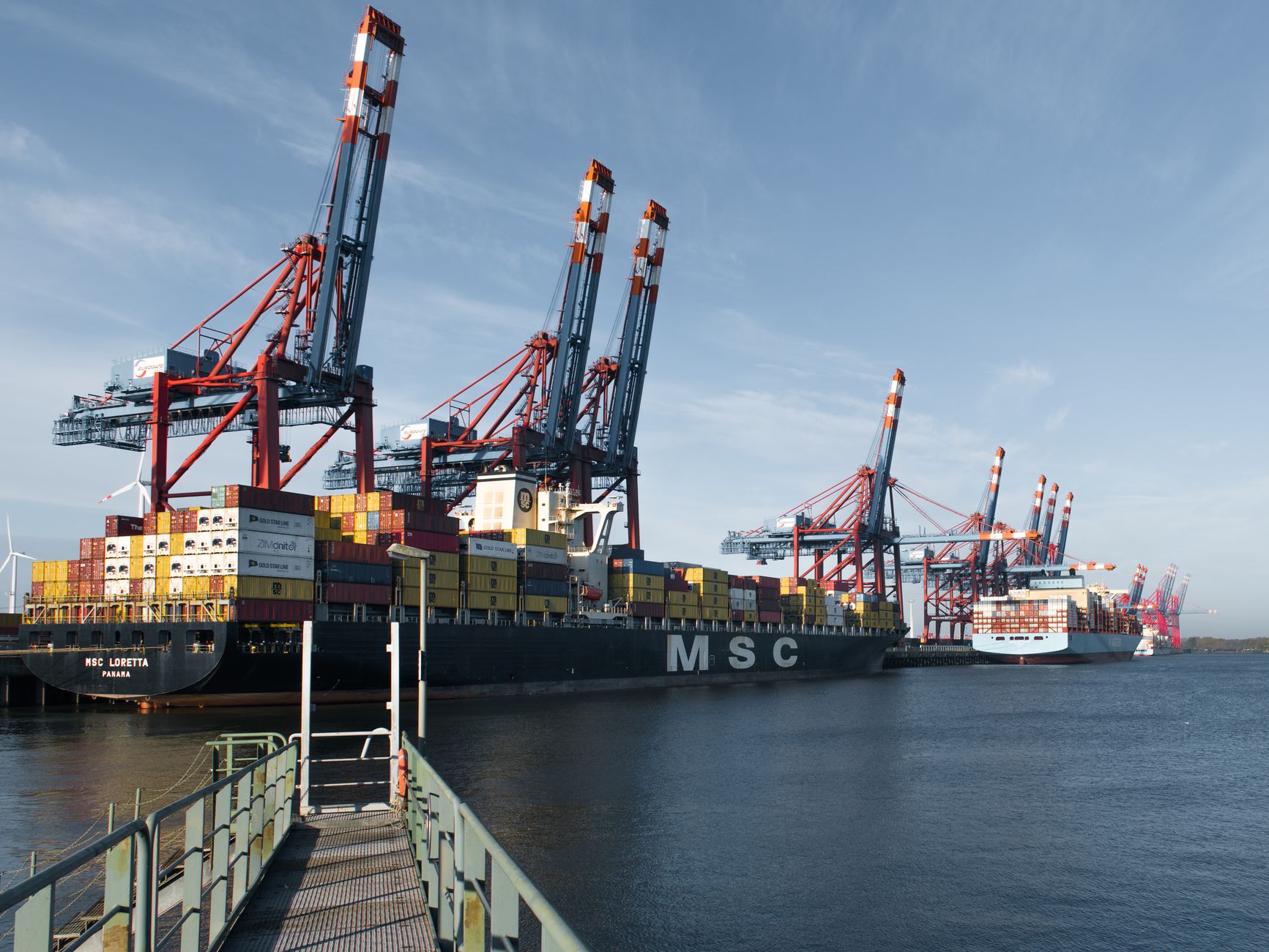
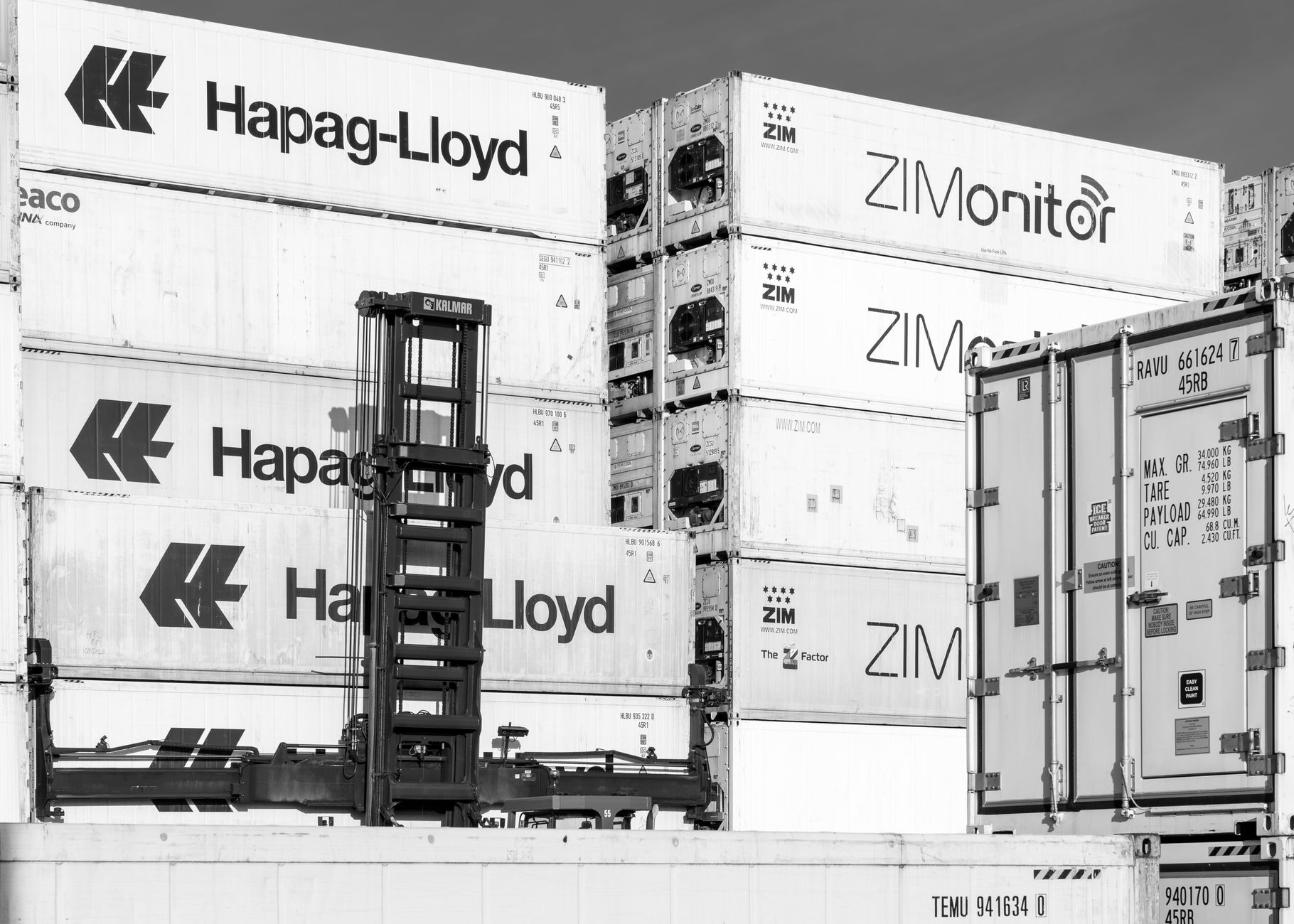
European logistics companies are expressing significant apprehension regarding the new transit bans, particularly for goods and technologies passing through Russia. "This isn't just about direct trade with Russia anymore; it's about the entire Eurasian land bridge," stated a spokesperson for a major German freight forwarder. "Rerouting cargo adds immense costs and delays, impacting our competitiveness and forcing us to completely rethink established routes. The administrative burden of proving non-Russian final destinations for certain goods is also a major concern, potentially leading to bottlenecks at customs and increased operational complexities." Many fear that the cumulative effect of these bans will further fragment global supply chains, making efficiency a distant memory.
Manufacturers of dual-use goods, especially those with intricate global supply chains, are voicing concerns about the expanded list of restricted items and the 'anti-circumvention tool.' An executive from a Dutch electronics firm noted, "We already scrutinize every component's origin and end-user, but now we have to worry about our customers' customers in third countries. The risk of inadvertently violating sanctions through a downstream partner is higher than ever. This requires an unprecedented level of due diligence and contractual safeguards, which are incredibly difficult to implement uniformly across diverse international markets. It's a significant compliance headache that could lead to disengagement from certain markets altogether if the risk becomes too high." The complexity of tracing components through multiple jurisdictions presents an almost insurmountable challenge for many.
Small and medium-sized enterprises (SMEs) involved in international trade are particularly vulnerable to the increased compliance burden. "We don't have large legal teams or sophisticated compliance software like multinational corporations," explained the owner of a Polish export company. "Every new package of sanctions means hours of research, legal consultations, and adjustments to our processes. The risk of making a mistake, even an innocent one, is terrifying. We're trying to do the right thing, but the sheer volume and complexity of these regulations are making it incredibly difficult to operate internationally. Some smaller players might simply exit certain markets rather than face the potential penalties." This sentiment highlights the disproportionate impact on smaller businesses struggling to navigate the intricate web of global regulations.
The Debate
The introduction of the 'anti-circumvention tool' has ignited a robust debate among EU member states and international legal scholars. Proponents argue that this mechanism is a necessary and innovative step to enhance the effectiveness of sanctions, addressing the persistent issue of evasion through third countries. They contend that without such a tool, Russia will continue to find avenues to procure prohibited goods, undermining the very purpose of the sanctions regime. "This tool sends a clear message: facilitating sanctions evasion will have consequences," stated a senior EU diplomat, emphasizing the need for stronger enforcement to truly impact Russia's war machine. The argument is that diplomatic pressure alone has proven insufficient in many cases, necessitating a more direct and punitive approach.
However, critics express concerns about the potential diplomatic fallout and the practical implementation of the anti-circumvention tool. Some member states worry that targeting third countries, even as a last resort, could strain diplomatic relations and push non-EU partners closer to Russia or China. There are also questions about the criteria for activation and the evidence required to prove circumvention. "We must be extremely careful not to alienate neutral countries or those with legitimate trade interests," cautioned one analyst, suggesting that a heavy-handed approach could backfire. The debate centers on finding the delicate balance between robust enforcement and maintaining crucial international alliances, ensuring that the EU's actions do not inadvertently create new geopolitical challenges.
Beyond the anti-circumvention tool, the broader efficacy of sanctions continues to be a subject of intense discussion. While the EU maintains that sanctions are having a significant long-term impact on Russia's economy and military capabilities, some argue that the measures are not achieving their desired effect quickly enough. There is an ongoing debate about whether the EU should prioritize broader, more impactful sanctions, even if they carry higher economic costs for Europe, or continue with targeted, incremental packages. This discussion often involves weighing the immediate economic pain for EU businesses against the long-term strategic objectives of weakening Russia. The consensus remains that sanctions are a vital component of the EU's response, but their optimal design and implementation are constantly under review.
Your Questions Answered
What Accountability Looks Like
Accountability for the 11th sanctions package will be multifaceted, focusing on both direct compliance and the novel challenge of circumvention. For EU businesses, this means an intensified scrutiny of their export controls, supply chain integrity, and financial transactions. National authorities within member states are expected to ramp up enforcement efforts, imposing significant penalties for non-compliance, including hefty fines and potential imprisonment for individuals found to be in violation. The onus is squarely on companies to demonstrate robust due diligence and internal controls to prevent any direct or indirect contribution to sanctions evasion. This heightened enforcement environment demands a proactive and meticulous approach to compliance, moving beyond mere adherence to a culture of comprehensive risk mitigation.
The 'anti-circumvention tool' introduces a new layer of accountability for third countries and entities. While the EU emphasizes diplomatic engagement as a first step, the ultimate threat of restricting trade with countries that persistently facilitate sanctions evasion represents a significant escalation. This means that non-EU nations will also be held accountable, albeit indirectly, for their role in the global trade ecosystem and their adherence to international norms. The EU's willingness to use this tool, even as a last resort, signals a firm commitment to ensuring the integrity of its sanctions regime, thereby extending the reach of accountability beyond its immediate borders and into the broader international trading community. This could reshape geopolitical trade dynamics significantly.
Ultimately, the effectiveness of this package, and thus the true measure of accountability, will be judged by its impact on Russia's ability to sustain its military aggression and its economic resilience. If the new measures successfully close loopholes, reduce Russia's access to critical components, and diminish its revenue streams, then the accountability framework will be deemed successful. Conversely, if circumvention continues largely unabated, it will signal a need for even more stringent measures and a re-evaluation of enforcement strategies. The ongoing geopolitical landscape ensures that the EU's commitment to holding Russia accountable through economic means will remain a dynamic and evolving process, requiring continuous adaptation and vigilance from all stakeholders.





Comments
No comments yet. Be the first to comment!