
The Story in Brief
- A significant and concerning escalation has unfolded between the United States and Iran, marked by a series of reciprocal military strikes that have dramatically heightened regional tensions and raised fears of a broader conflict.
- President Trump publicly accused Tehran of flagrantly violating an existing, albeit unofficial, ceasefire agreement, a charge that severely complicates any prospects for diplomatic de-escalation and further strains already fragile relations.
- The latest round of targeted strikes primarily took place within Iraq, impacting critical facilities and personnel associated with both U.S. forces and Iran-backed militias, underscoring Iraq's perilous position as a proxy battleground.
- Leading international observers and humanitarian organizations have voiced profound alarm over the deteriorating situation, warning unequivocally about the potential for these tit-for-tat actions to spiral into a devastating, full-scale regional war.
- Despite the aggressive military posturing, both the United States and Iran have issued calls for de-escalation, yet simultaneously continue to demonstrate robust military resolve, creating a contradictory and highly unpredictable dynamic.
- The overall geopolitical landscape remains exceptionally volatile, characterized by deep mistrust and a lack of clear communication channels, indicating that there is no straightforward or immediate pathway to a peaceful resolution in sight.
The Human Face
The constant, insidious threat of conflict casts an unbearable shadow over the lives of ordinary citizens, particularly in Iraq and the wider Middle East, where geopolitical rivalries frequently erupt into devastating violence. Families live in perpetual fear, their daily routines—from sending children to school to earning a livelihood—disrupted by the omnipresent specter of military action. This pervasive instability means that children grow up amidst uncertainty, their education and future prospects severely jeopardized by the relentless maneuvering of powerful nations, creating a lost generation. The psychological toll alone is immense, manifesting as chronic stress, anxiety, and trauma that can linger for decades, long after the immediate danger has passed, fundamentally altering communities.
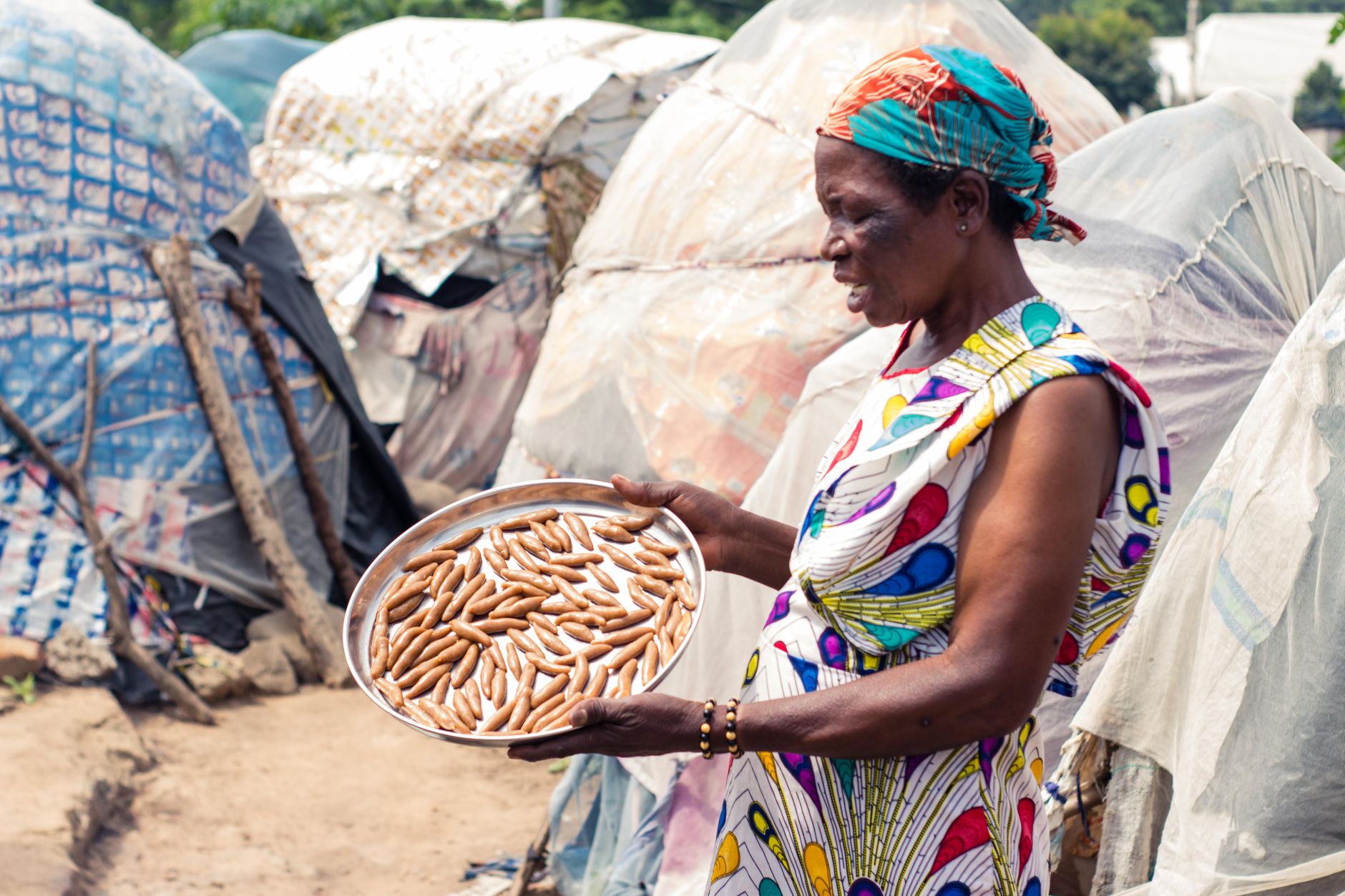
The human cost of these escalating tensions extends far beyond the immediate casualties of any strike, though those are tragic enough. It manifests in widespread displacement, forcing countless families to abandon their homes and seek refuge, often in already overburdened camps with inadequate resources. Essential infrastructure, including hospitals, schools, and water treatment facilities, frequently becomes collateral damage, severely disrupting critical services and exacerbating humanitarian crises. Local communities, already grappling with profound economic challenges, political instability, and the lingering scars of past conflicts, find themselves caught in the brutal crossfire, their desperate pleas for peace often unheard amidst the aggressive rhetoric of confrontation from external powers.
Furthermore, the economic devastation wrought by continuous instability is profound. Businesses cannot thrive, investment dries up, and unemployment soars, pushing more families into poverty and desperation. This cycle of hardship creates fertile ground for social unrest and further radicalization, perpetuating a vicious circle of violence and despair. The international community faces an urgent moral imperative to address these profound human consequences, moving beyond superficial condemnations to actively support robust diplomatic efforts and provide substantial humanitarian aid. Ignoring the plight of these affected populations is not merely an oversight; it is a complicity in the erosion of human dignity and regional stability, with long-term global ramifications.
How We Got Here
The current, alarming escalation is deeply rooted in decades of profound animosity and entrenched mistrust between the United States and Iran, a complex relationship consistently exacerbated by a series of critical events. A pivotal moment arrived with the U.S. unilateral withdrawal from the Joint Comprehensive Plan of Action (JCPOA) in 2018, followed by the swift re-imposition of crippling economic sanctions. This decisive action by the Trump administration effectively dismantled the fragile framework of nuclear diplomacy and immediately ignited a period of heightened tensions, as Iran gradually began to roll back its own commitments under the agreement, setting the stage for the current perilous standoff and eroding any semblance of mutual confidence.
This period of unraveling saw a dangerous succession of provocative actions from both sides, including mysterious attacks on international oil tankers in the Persian Gulf, sophisticated drone incidents targeting critical infrastructure, and an intensification of proxy conflicts across various regional theaters. The targeted assassination of Iranian General Qassem Soleimani in early 2020 represented a significant and highly volatile turning point, pushing both nations to the absolute brink of an all-out war. While a fragile and uneasy de-escalation subsequently followed, the underlying grievances, profound strategic competition, and deep-seated ideological clashes continued to simmer, ensuring that the conditions remained ripe for the latest, dangerous round of military exchanges and retaliatory actions.
The persistent presence of U.S. military forces in Iraq, often perceived by Iran as an unwelcome occupation force and a direct threat to its regional influence, further complicates this already volatile dynamic. Iraq, with its strategic geographical position and complex internal political landscape, has unfortunately become a frequent and unwilling arena for proxy confrontations and direct clashes between these two powerful adversaries. Each incident, no matter how seemingly isolated, adds another dangerous layer to this intricate tapestry of conflict, making any genuine return to stability and a peaceful resolution increasingly challenging and elusive for all involved parties, particularly the long-suffering Iraqi populace.
Why This Cannot Be Ignored
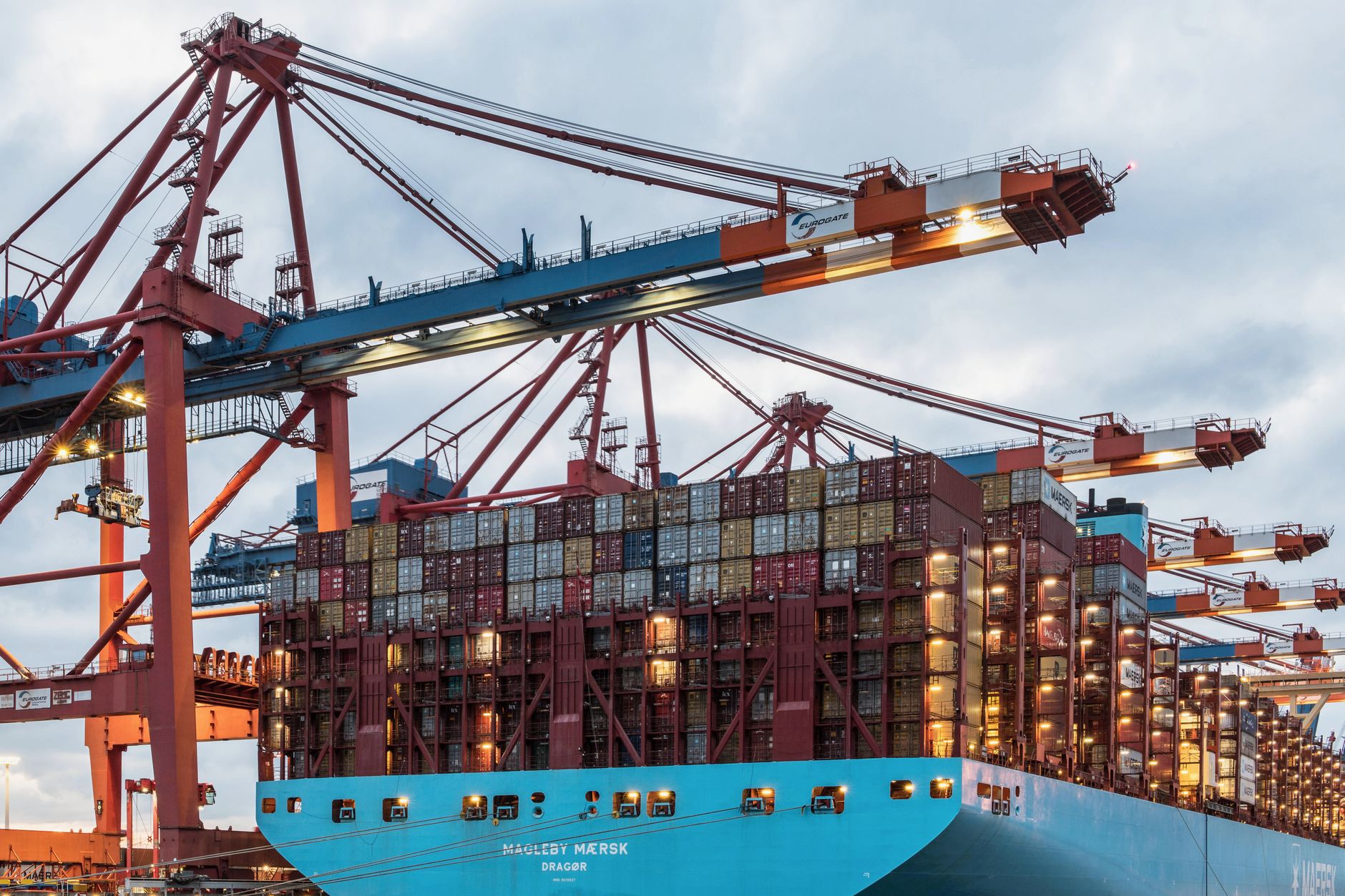
The escalating tensions between the United States and Iran carry profound, far-reaching global implications that extend dramatically beyond the immediate conflict zones in the Middle East. A full-blown military confrontation would not only destabilize the entire region, which is already a crucible of geopolitical rivalries, but also critically jeopardize global energy supplies and vital international trade routes, particularly through the Strait of Hormuz. Such a catastrophic conflict could trigger an unprecedented humanitarian catastrophe, displacing millions of people and creating an even more fertile ground for extremist groups to thrive, thereby further complicating and undermining international security and counter-terrorism efforts worldwide, with devastating consequences for human lives.
Moreover, the potential involvement of other major global powers, either directly through military intervention or indirectly through their proxies and allies, risks drawing in additional nations, potentially leading to a wider regional or even an international conflict of unforeseen scale. The immediate and severe economic fallout would reverberate globally, causing dramatic spikes in international oil prices, triggering widespread instability in financial markets, and disrupting global supply chains, potentially pushing an already fragile global economy into a deep and prolonged recession. This economic contagion would affect every nation, from the largest industrial powers to the smallest developing economies, demonstrating the interconnectedness of global stability.
Furthermore, the credibility of international diplomacy, arms control agreements, and nuclear non-proliferation efforts hangs precariously in the balance. The failure to effectively de-escalate this critical crisis could embolden other states to pursue nuclear ambitions, disregard established international norms, and undermine the very foundations of global governance and collective security. Therefore, ignoring these dangerous developments is not merely an oversight; it is an unacceptable gamble with global peace and prosperity. The international community must actively and urgently seek robust pathways to de-escalation, sustained dialogue, and a lasting, comprehensive resolution that addresses the root causes of this enduring and perilous confrontation.
Possible Paths Forward
Navigating the perilous and deeply entrenched U.S.-Iran standoff demands a multifaceted and highly strategic approach, one that moves decisively beyond mere tactical de-escalation to achieve genuine and sustainable conflict resolution. A critical initial path involves the urgent re-establishment of robust diplomatic engagement, potentially facilitated by neutral third-party mediators who can build trust and bridge communication gaps. This could entail exploring a phased return to key elements of the original JCPOA, perhaps with additional, carefully negotiated protocols specifically addressing broader regional security concerns, or even embarking on the ambitious negotiation of an entirely new, more comprehensive agreement that accounts for current geopolitical realities and addresses the concerns of all stakeholders.
Concurrently, a concerted and verifiable effort to significantly de-escalate military posturing is absolutely essential. This includes an immediate cessation of all provocative actions, such as targeted strikes and naval harassments, coupled with a transparent commitment to sharing information regarding military movements and intentions to prevent accidental escalation. International bodies, most notably the United Nations and its Security Council, could play a far more robust and proactive role in monitoring compliance with any agreed-upon frameworks and actively facilitating direct dialogue between the adversaries. Their involvement would lend legitimacy and provide a neutral platform, crucial for fostering an environment conducive to trust-building and reducing miscalculations that could lead to widespread conflict.
Moreover, a carefully calibrated strategy involving both economic incentives and disincentives could be strategically deployed to encourage compliance and foster a more cooperative environment, moving away from purely punitive measures. However, any truly lasting solution must fundamentally address the deep-seated underlying grievances and legitimate security concerns of both nations, transcending short-term fixes to cultivate long-term stability across the entire region. This incredibly complex diplomatic dance requires immense patience, astute strategic foresight, and, most importantly, a genuine willingness from all involved parties to make difficult compromises for the sake of regional and global peace, recognizing the catastrophic alternative of continued confrontation and instability.
Questions People Are Actually Asking
What to Watch
- Monitor any official statements from Washington or Tehran regarding future military actions or diplomatic overtures, as these can signal immediate shifts in strategy or intent.
- Observe the movement of naval and air assets in the Persian Gulf and surrounding areas, as increased deployments often precede or accompany escalations.
- Track the rhetoric and actions of regional proxies and allies of both the U.S. and Iran, as their activities can either de-escalate or ignite wider conflicts.
- Keep an eye on international diplomatic efforts, particularly those involving European powers or the United Nations, to mediate or facilitate dialogue between the adversaries.
- Watch for any significant shifts in global oil prices or financial markets, which often react sharply to perceived increases or decreases in regional instability.
- Pay close attention to internal political developments in both the U.S. and Iran, as domestic pressures and electoral cycles can heavily influence foreign policy decisions and willingness to compromise.








Comments
No comments yet. Be the first to comment!