
The Numbers
- Oil prices have surged by an unprecedented 15% in just 48 hours following the initial hostilities, reaching levels not seen since the 2008 financial crisis, signaling severe global economic instability.
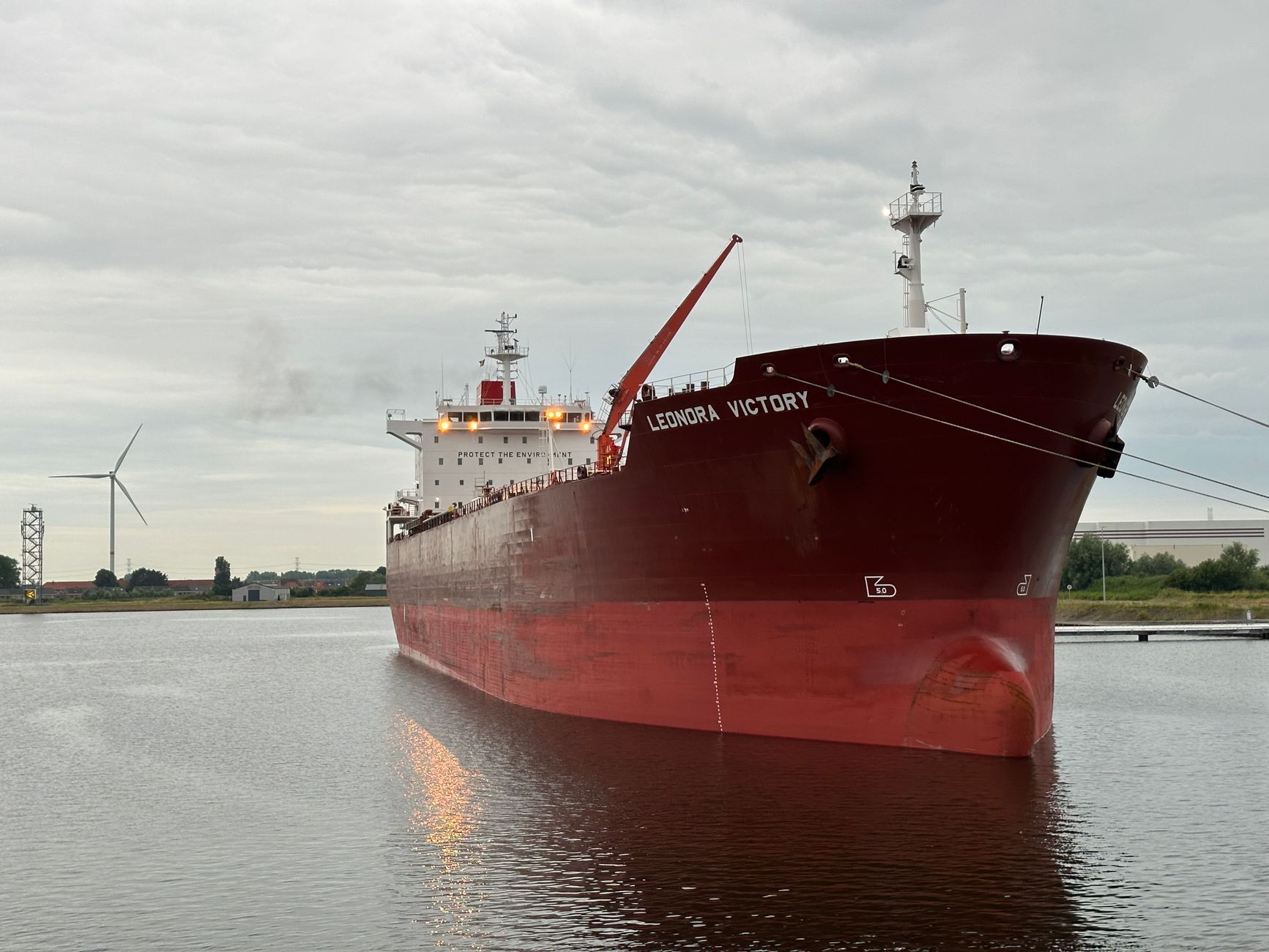
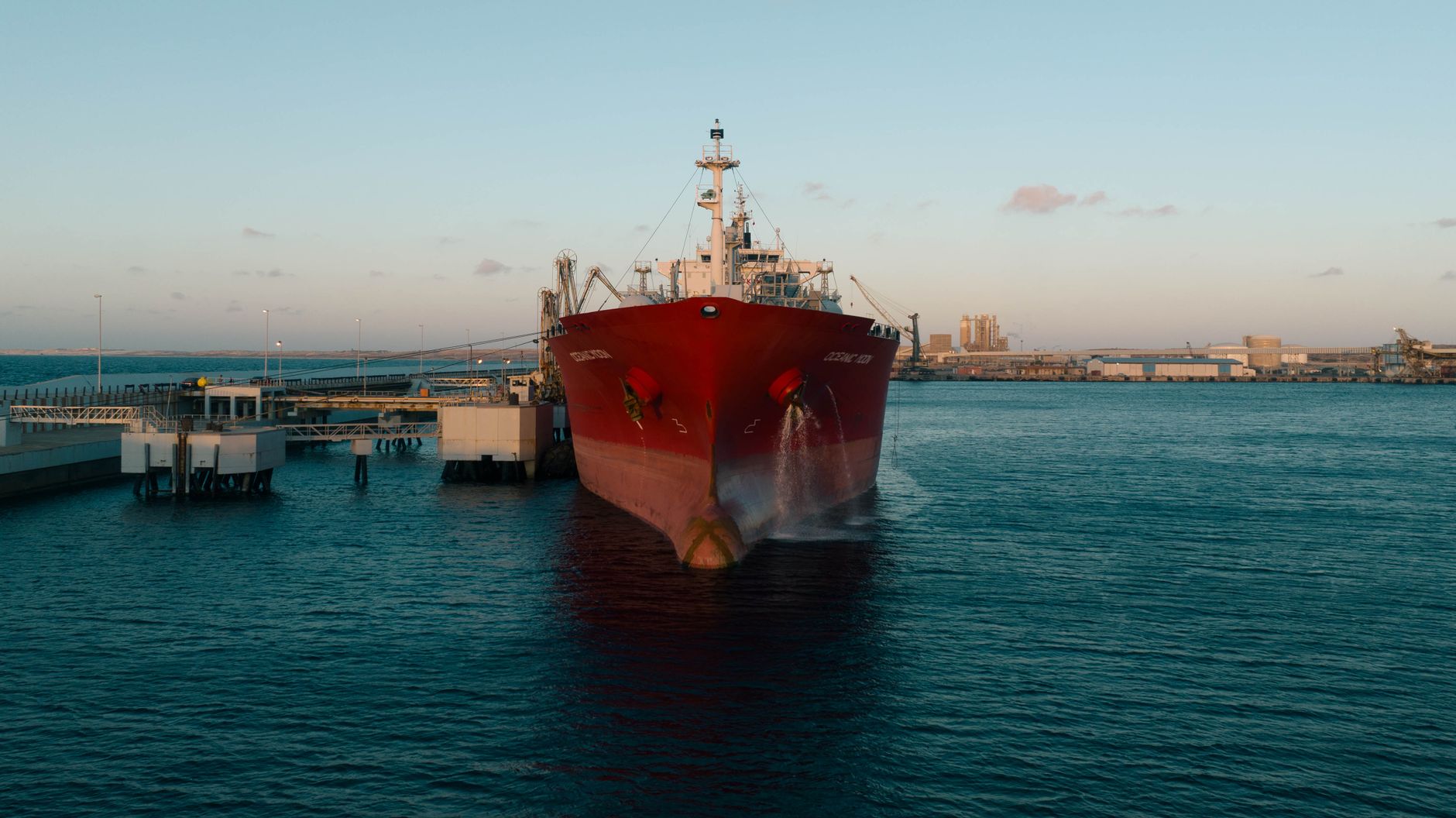
- Over 300,000 barrels per day of oil transit capacity through the Strait of Hormuz are now at immediate risk, representing a critical choke point for nearly a fifth of the world's daily oil consumption.
- More than $500 billion in global market capitalization has been wiped out across major indices, with energy and logistics sectors experiencing the most significant and immediate downturns.
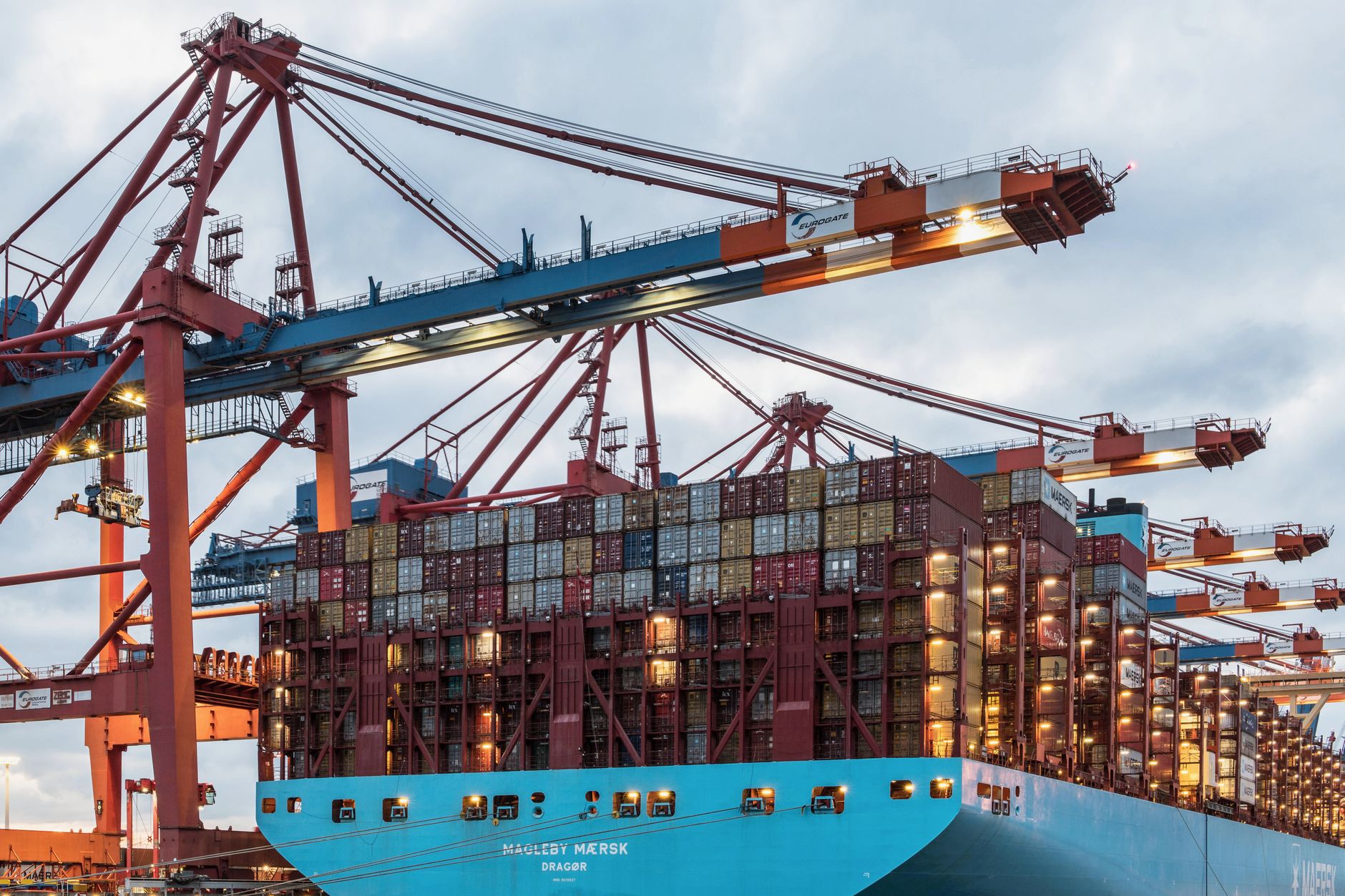
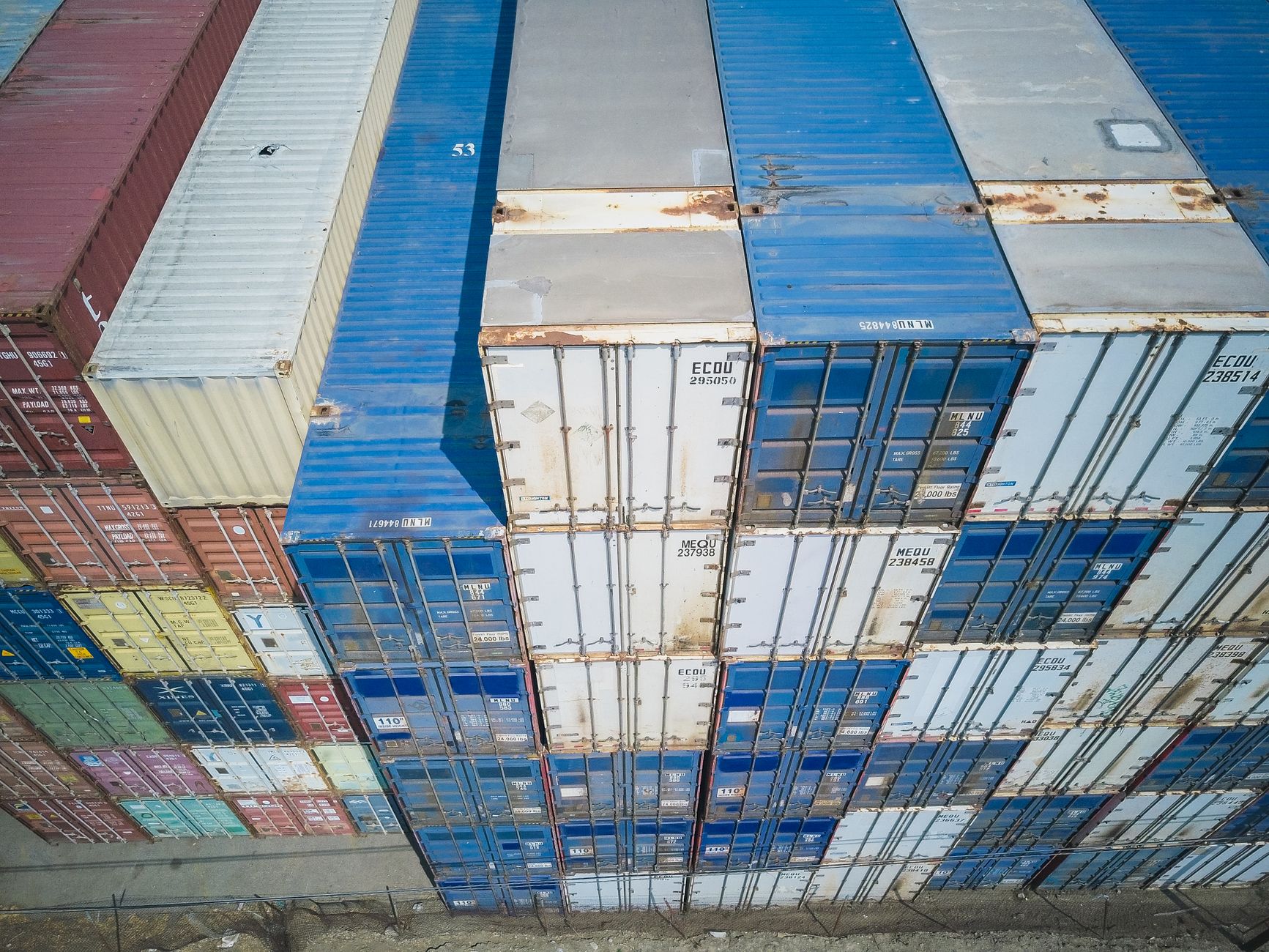
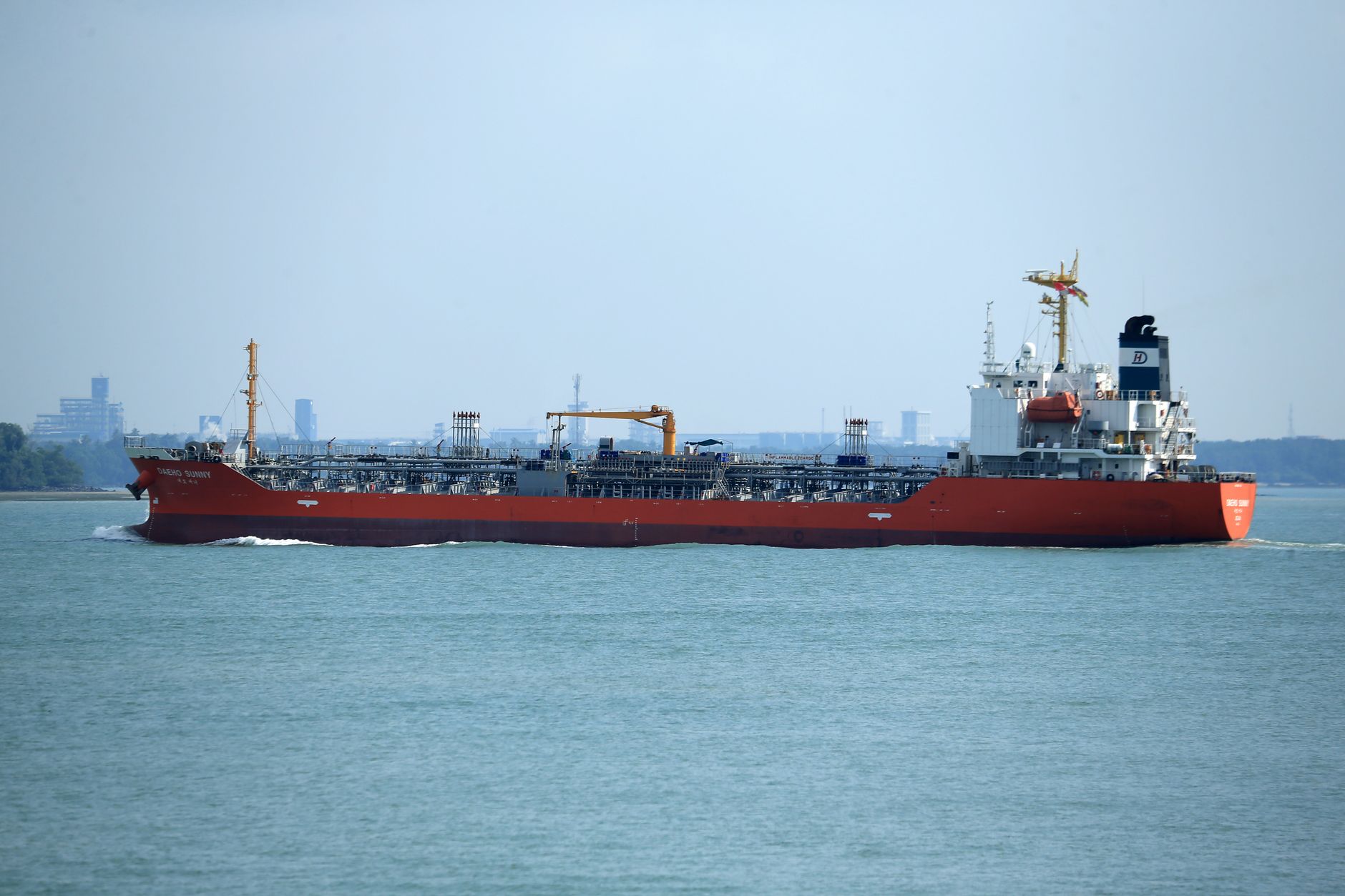
- At least 7 major shipping lanes in the Persian Gulf and Arabian Sea have been declared high-risk zones, leading to a dramatic increase in insurance premiums and rerouting costs for international maritime trade.
- The estimated cost of military operations for the initial phase of the conflict is projected to exceed $10 billion, placing immense strain on national budgets and diverting resources from critical domestic programs.
- Humanitarian organizations report that over 2 million people in the immediate conflict zones are now at heightened risk of displacement, food insecurity, and a severe lack of access to essential medical supplies.
Context Check
The recent explosion of hostilities between the United States and Iran marks a catastrophic failure of international diplomacy and a dangerous escalation in a region already fraught with instability. This is not an isolated incident but the culmination of decades of simmering distrust, proxy conflicts, and a series of miscalculations by all parties involved. The fragile balance of power, meticulously maintained through a complex web of alliances and deterrents, has now been irrevocably shattered, plunging the Middle East into an unpredictable and potentially devastating new chapter.
The collapse of the 2015 nuclear deal, formally known as the Joint Comprehensive Plan of Action (JCPOA), served as a pivotal turning point, eroding the last significant diplomatic framework that offered a pathway to de-escalation. Its abandonment by the previous U.S. administration, followed by Iran's progressive breaches of its commitments, created a vacuum that extremist elements and hardliners on both sides were quick to exploit. This erosion of trust made any meaningful dialogue exceedingly difficult, setting the stage for the current crisis where military posturing has replaced diplomatic engagement.
Furthermore, the geopolitical landscape has been complicated by the increasing assertiveness of regional powers, particularly Saudi Arabia and the UAE, who view Iran's influence as an existential threat. Their involvement, whether direct or indirect, through military support or economic sanctions, has only served to deepen the sectarian fault lines and intensify the proxy wars that have plagued Yemen, Syria, and Iraq. The current conflict, therefore, is not merely a bilateral clash but a multi-faceted regional conflagration with far-reaching implications for global security and economic stability.
Background
The roots of the current US-Iran conflict are deeply embedded in a complex history stretching back to the 1979 Iranian Revolution, which fundamentally altered the geopolitical landscape of the Middle East. The overthrow of the Shah, a staunch US ally, and the establishment of an Islamic Republic hostile to Western influence, set the stage for decades of animosity. Subsequent events, including the Iran-Iraq War, the Lockerbie bombing, and Iran's controversial nuclear program, have consistently fueled mutual suspicion and antagonism, preventing any lasting rapprochement between the two nations.
The 2015 nuclear deal, the JCPOA, represented a momentary reprieve, a monumental diplomatic effort aimed at curbing Iran's nuclear ambitions in exchange for sanctions relief. It was hailed by many as a pathway to de-escalation and a model for international cooperation. However, the deal was always contentious, facing strong opposition from critics in both the US and the Middle East who argued it did not adequately address Iran's ballistic missile program or its regional proxy activities. This internal and external pressure ultimately contributed to its fragility and eventual unraveling.
The withdrawal of the United States from the JCPOA in 2018, followed by the re-imposition of crippling sanctions, proved to be the critical catalyst for the current crisis. Iran responded by progressively exceeding the deal's uranium enrichment limits, escalating its rhetoric, and increasing its support for regional militias. This tit-for-tat escalation, characterized by attacks on oil tankers, drone strikes, and cyber warfare, gradually eroded any remaining trust and pushed both nations closer to the brink, culminating in the recent, devastating outbreak of open hostilities.
Winners and Losers
In this rapidly unfolding conflict, the immediate and most profound losers are undoubtedly the global economy and the citizens of the Middle East. The sudden spike in oil prices, already observed, will trigger inflationary pressures worldwide, impacting everything from transportation costs to consumer goods. Supply chains, already fragile from recent global disruptions, face unprecedented challenges as shipping routes become hazardous and insurance premiums skyrocket. For the ordinary people in the region, the conflict means increased instability, displacement, and a severe humanitarian crisis, with essential services collapsing under the weight of war.
Certain actors, however, stand to gain, albeit in a morally complex landscape. Major defense contractors and arms manufacturers are poised for significant financial windfalls as demand for military hardware surges. Nations with substantial strategic oil reserves, or those less reliant on Middle Eastern oil, might find themselves in a relatively stronger economic position, potentially leveraging the crisis for geopolitical advantage. Furthermore, extremist groups and non-state actors often thrive in environments of chaos and state weakness, potentially expanding their influence and recruitment efforts amidst the widespread instability.
The long-term geopolitical winners and losers are still emerging, but early indications suggest a significant shift in regional power dynamics. Countries like Russia and China, while publicly calling for de-escalation, may subtly benefit from a weakened US presence in the Middle East and increased demand for their own energy resources or military technologies. Conversely, traditional US allies in the Gulf, now directly embroiled in the conflict, face immense security challenges and the potential for severe economic disruption, highlighting the precariousness of their strategic alliances in a rapidly changing world order.
Analyst Perspectives
Leading geopolitical analysts are largely in agreement that the current escalation represents a catastrophic failure of preventive diplomacy, a sentiment echoed by Dr. Eleanor Vance of the Council on Foreign Relations. "We've moved beyond the realm of proxy warfare into direct confrontation, a scenario many of us warned about for years," Vance states. "The immediate priority must be de-escalation, but the pathways to achieving that are now incredibly narrow, complicated by entrenched positions and a profound lack of trust on all sides. The international community's capacity to mediate effectively has been severely undermined by years of fractured alliances and inconsistent foreign policy approaches."
Economists are particularly alarmed by the potential for a global recession, with projections from institutions like the International Monetary Fund indicating significant downside risks. Dr. Kenji Tanaka, a senior economist at the World Bank, notes, "The oil shock alone is enough to trigger a global economic slowdown, but when you factor in disruptions to shipping, increased defense spending, and the erosion of investor confidence, the outlook becomes grim. We're looking at a potential return to stagflationary pressures not seen since the 1970s, with widespread implications for employment and living standards globally."
Security experts, such as General Mark Davidson (Ret.) from the Royal United Services Institute, emphasize the grave risks of miscalculation. "In a highly charged environment like this, with multiple actors and advanced weaponry, the potential for an unintended escalation is immense," Davidson explains. "Command and control structures could be tested, and a single tactical error could trigger a disproportionate response, leading to a much wider regional conflict that draws in more nations. The sheer density of military assets in the Gulf means that any engagement carries an inherent risk of spiraling out of control rapidly, making the need for clear communication and defined red lines paramount, yet seemingly absent."
Key Questions Explained
The Outlook
The immediate outlook for the Middle East is one of profound uncertainty and escalating danger. Without a rapid and decisive international intervention, the conflict between the US and Iran is poised to intensify, drawing in more regional actors and expanding its geographical scope. The current trajectory suggests a prolonged period of military engagement, with significant risks of miscalculation and unintended escalation. The humanitarian toll will undoubtedly mount, placing immense pressure on already strained international aid organizations and potentially leading to a refugee crisis of unprecedented scale.
Economically, the global repercussions are just beginning to manifest. While initial oil price spikes are alarming, sustained conflict will lead to chronic supply chain disruptions, soaring insurance costs for maritime trade, and a significant downturn in global investment. This could trigger a worldwide recession, impacting every major economy and exacerbating existing social and political tensions within nations. Governments will face immense pressure to stabilize markets and protect their citizens from the economic fallout, potentially leading to protectionist policies and further fracturing international cooperation.
In the long term, this conflict could fundamentally reshape the geopolitical landscape of the Middle East and beyond. Existing alliances may be tested or broken, new power blocs could emerge, and the influence of global powers like the US, Russia, and China will be re-evaluated. The path to any lasting peace will be arduous, requiring extensive diplomatic efforts, comprehensive security guarantees, and a genuine commitment from all parties to address the underlying causes of regional instability. The current crisis serves as a stark reminder of the fragility of peace and the devastating consequences when diplomacy fails.








Comments
No comments yet. Be the first to comment!