
Key Takeaways
- The Strait of Hormuz is an indispensable chokepoint, facilitating approximately one-fifth of the world's total oil consumption and a significant portion of its liquefied natural gas (LNG) shipments, making its stability crucial for global energy security.
- Economic warfare tactics, including sanctions, cyberattacks, and maritime harassment, are increasingly employed to disrupt trade and exert geopolitical pressure within and around the Strait, moving beyond traditional military confrontations.
- Any significant disruption in the Strait of Hormuz would trigger an immediate and severe spike in global oil prices, leading to widespread economic instability, inflation, and potential recessions in energy-dependent economies worldwide.
- Major global powers, particularly the United States and China, have vested interests in maintaining the free flow of commerce through Hormuz, leading to complex naval deployments and diplomatic maneuvers aimed at deterrence and protection.
- Regional actors, notably Iran, possess the geographical advantage and military capabilities to threaten the Strait's passage, using this leverage as a bargaining chip against international sanctions and perceived external threats.
- The long-term implications of sustained tension in the Strait include accelerated shifts towards alternative energy sources, diversification of supply chains, and potentially the development of new, less vulnerable trade routes, though these are costly and time-consuming endeavors.
Background
The Strait of Hormuz, a narrow waterway connecting the Persian Gulf to the Arabian Sea, stands as one of the world's most strategically vital maritime chokepoints. Its geographical significance cannot be overstated, as it serves as the primary transit route for a substantial portion of the world's crude oil and liquefied natural gas (LNG) exports. This critical artery is bordered by Iran to the north and Oman and the United Arab Emirates to the south, placing it squarely at the intersection of complex geopolitical rivalries and energy interests. For decades, the free flow of navigation through this strait has been a cornerstone of global economic stability, underpinning the energy security of nations from Asia to Europe and the Americas.
Historically, the Strait has been a flashpoint for numerous international incidents, reflecting the volatile nature of regional politics. From the 'Tanker War' during the Iran-Iraq conflict in the 1980s, where both sides targeted oil tankers to cripple each other's economies, to more recent episodes of maritime harassment and seizures, the Strait has consistently been a stage for power projection and brinkmanship. These past events underscore a recurring pattern: any perceived threat to the Strait's navigability immediately elevates global tensions and sends ripples through international energy markets. The inherent vulnerability of such a narrow passage, coupled with the immense volume of trade it handles, makes it a perpetual concern for policymakers and military strategists alike.
In the contemporary era, the nature of conflict in and around the Strait has evolved. While direct military confrontation remains a grave concern, the emphasis has increasingly shifted towards economic warfare. This modern approach involves a sophisticated array of non-kinetic tactics designed to disrupt economies, impose costs, and exert influence without necessarily firing a shot. Sanctions, cyberattacks targeting critical infrastructure, and the strategic harassment of commercial shipping are now prominent tools in the geopolitical toolkit. This shift signifies a more insidious and pervasive threat, as economic disruptions can be just as devastating as military ones, potentially leading to widespread instability and hardship across interconnected global markets.
Why It Matters
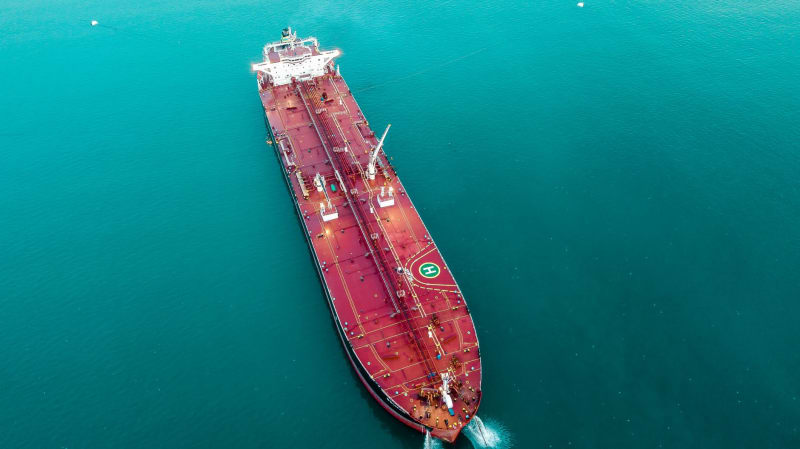
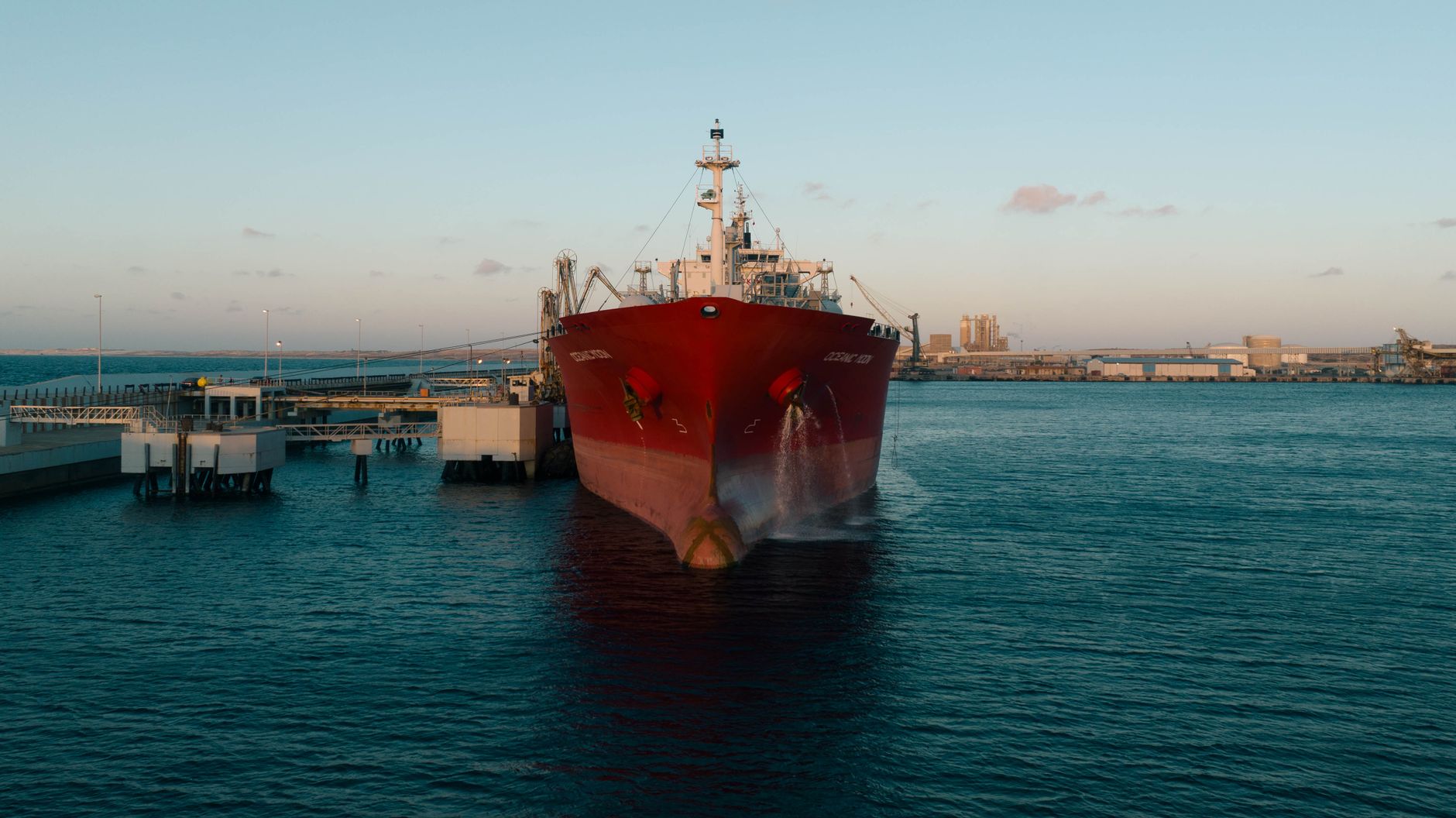
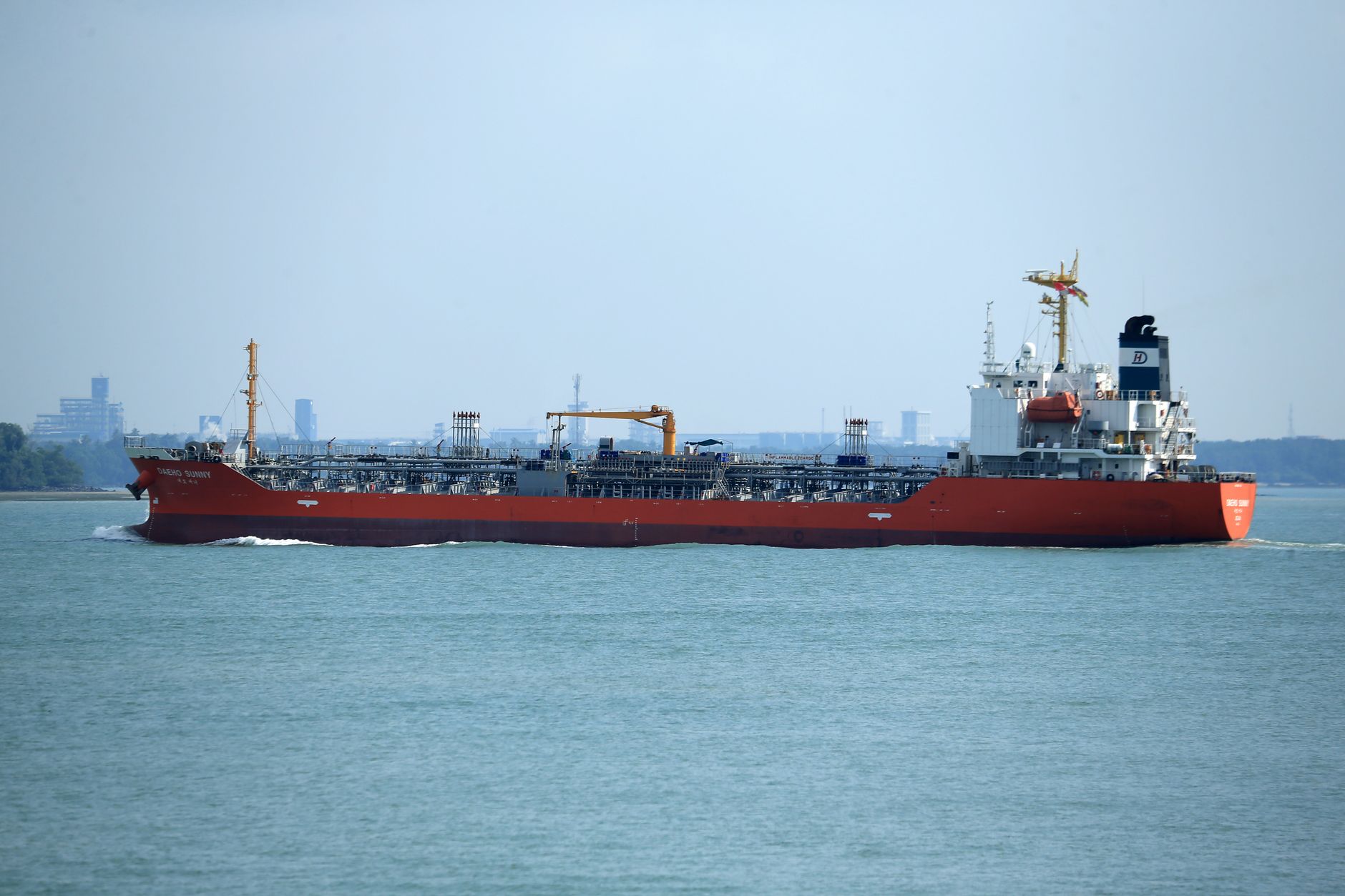
The Strait of Hormuz is not merely a shipping lane; it is the lifeblood of the global energy economy. Approximately 21% of the world's total petroleum liquids consumption, equating to roughly 21 million barrels per day, transits through this narrow passage. This staggering volume includes crude oil, refined petroleum products, and a substantial portion of the world's liquefied natural gas (LNG). Any significant disruption, even a temporary one, would immediately send shockwaves through international markets, causing oil and gas prices to skyrocket. Such an event would not only impact energy-importing nations but also reverberate through global supply chains, affecting everything from manufacturing costs to consumer prices, potentially triggering a global economic downturn.
Beyond the immediate economic fallout, the Strait's strategic importance amplifies geopolitical tensions. Nations heavily reliant on Persian Gulf oil, such as China, India, Japan, and South Korea, view the security of Hormuz as a paramount national interest. The United States, despite its decreasing reliance on Gulf oil, maintains a robust naval presence in the region to safeguard international shipping and deter potential adversaries, underscoring its commitment to global energy security and freedom of navigation. This convergence of interests creates a complex web of alliances and rivalries, where any incident in the Strait has the potential to escalate into a broader international crisis, drawing in major global powers and regional actors.
The evolving nature of economic warfare, with its reliance on cyberattacks, targeted sanctions, and maritime harassment, poses a novel and persistent threat to the Strait's stability. These tactics are often ambiguous, making attribution difficult and response mechanisms complex. A cyberattack on a port's operational systems or the GPS spoofing of a commercial vessel could cause significant delays and economic damage without direct military engagement. This 'grey zone' warfare blurs the lines between peace and conflict, making it challenging for international law and established protocols to effectively address and mitigate risks. The stakes are incredibly high, as the integrity of global trade and the stability of the international financial system are inextricably linked to the unimpeded flow of goods through this vital maritime corridor.
Ground Reality
On the ground, the Strait of Hormuz is a crucible of competing interests and capabilities. Iran, with its extensive coastline along the Strait, possesses the geographical advantage and military assets to exert significant influence over the waterway. Its naval forces, including the Islamic Revolutionary Guard Corps Navy (IRGCN), are equipped with fast attack craft, anti-ship missiles, and naval mines, providing a credible deterrent against perceived threats and a means to disrupt shipping if deemed necessary. This capability is often leveraged as a strategic tool in response to international sanctions or military pressure, creating a constant state of vigilance for international shipping and naval forces operating in the area.
The international response to these threats is multifaceted, primarily spearheaded by the United States and its allies. The U.S. Fifth Fleet, headquartered in Bahrain, maintains a formidable presence in the Persian Gulf, conducting regular patrols and exercises to ensure freedom of navigation and deter aggression. This naval deployment is complemented by intelligence gathering operations and diplomatic efforts aimed at de-escalation and regional stability. However, the sheer volume of commercial traffic, coupled with the narrowness of the Strait, makes it an inherently challenging environment to secure completely, leaving vulnerabilities that can be exploited by state and non-state actors alike.
Beyond military posturing, the economic reality for nations bordering the Strait is stark. Many Gulf states are heavily reliant on oil and gas exports, making the security of the Strait directly proportional to their national prosperity. This dependency drives their investment in robust maritime security measures and their participation in international coalitions aimed at protecting shipping. Simultaneously, the persistent threat of disruption encourages these nations to explore alternative export routes, such as pipelines bypassing the Strait, though these projects are often costly, politically complex, and cannot fully replace the Strait's capacity. The delicate balance between economic necessity, national security, and regional rivalries defines the complex ground reality of the Strait of Hormuz.
What Experts Are Saying
According to Dr. Sarah Khan, a leading geopolitical analyst specializing in Middle Eastern security, the current situation in the Strait of Hormuz represents a dangerous evolution in international relations. "We are witnessing a shift from conventional military deterrence to a more insidious form of economic coercion," she states. "Nations are increasingly using non-kinetic means – cyber warfare, targeted sanctions, and maritime harassment – to achieve strategic objectives without triggering a full-blown military conflict. This 'grey zone' conflict makes it incredibly difficult for international law and traditional diplomacy to keep pace, creating a volatile environment where miscalculation is a constant threat." Her analysis highlights the urgent need for new frameworks to address these emerging challenges.
Rear Admiral (Ret.) James Stavridis, former Supreme Allied Commander of NATO, emphasizes the critical role of naval power in maintaining stability. "The presence of robust naval forces, particularly those capable of rapid response and sophisticated intelligence gathering, is absolutely essential in the Strait," Stavridis argues. "It's not just about deterring direct attacks; it's about providing reassurance to commercial shipping, gathering real-time intelligence on suspicious activities, and being prepared to respond to everything from mine-laying to drone attacks. The economic consequences of a prolonged closure of Hormuz would be catastrophic, making naval vigilance a global economic imperative." His perspective underscores the enduring relevance of traditional military deterrence in a new era of conflict.
Energy market economist Dr. Lena Petrova warns that the global energy infrastructure remains highly vulnerable to disruptions in the Strait. "Despite decades of discussions about diversifying energy routes, the world is still overwhelmingly reliant on Hormuz for oil and gas," Petrova explains. "Any incident that even temporarily restricts passage would immediately trigger panic in commodity markets, leading to price spikes that could cripple vulnerable economies. The long-term solution lies in accelerated investment in renewable energy and the development of truly resilient, diversified supply chains, but these are multi-decade projects. For the foreseeable future, the world's economic health remains precariously tied to the security of this single, narrow waterway." Her insights paint a stark picture of global dependency and the urgent need for strategic foresight.

Frequently Asked Questions
What Happens Next
The immediate future of the Strait of Hormuz will likely be characterized by continued vigilance and a delicate balancing act between deterrence and de-escalation. Major global powers, particularly the United States, will maintain a robust naval presence to safeguard international shipping and project stability. This military posture aims to deter any direct attempts to close the Strait, while also responding to smaller-scale acts of harassment or aggression. However, the inherent risks of miscalculation remain high, as regional actors may continue to test boundaries in response to geopolitical pressures or internal dynamics. Diplomatic efforts will intensify, seeking to establish clearer lines of communication and reduce the potential for unintended escalation in this critical waterway.
In the medium term, we can anticipate a sustained focus on enhancing maritime security through technological advancements and international cooperation. This includes the deployment of advanced surveillance systems, drone technology, and improved intelligence sharing among allied nations to monitor the Strait more effectively. Efforts to develop and implement international protocols for responding to 'grey zone' tactics, such as cyberattacks on shipping infrastructure or GPS spoofing, will also gain traction. Simultaneously, nations heavily reliant on the Strait will continue to explore and invest in alternative energy sources and diversified supply routes, though these initiatives are capital-intensive and will take years, if not decades, to significantly reduce dependency on Hormuz.
Looking further ahead, the long-term trajectory for the Strait of Hormuz is inextricably linked to the broader geopolitical landscape of the Middle East and global energy transitions. As the world gradually shifts towards renewable energy sources, the absolute volume of oil transiting the Strait may eventually decrease, potentially altering its strategic calculus. However, as long as fossil fuels remain a dominant component of the global energy mix, the Strait will retain its paramount importance. The enduring challenge will be to foster regional stability through sustained diplomatic engagement, economic incentives, and a commitment to international law, ensuring that this vital artery of global commerce remains open and secure for all nations.












Comments
No comments yet. Be the first to comment!