


Policy Snapshot
- The International Monetary Fund (IMF) has issued a grave warning regarding the accelerating trend of economic fragmentation, highlighting its potential to destabilize the global economy through a series of retaliatory measures.
- Key policy concerns include the proliferation of trade barriers, export restrictions on critical goods, and the weaponization of economic interdependence, all contributing to a less predictable and more volatile international landscape.
- Governments are increasingly pursuing 'friend-shoring' and 'near-shoring' strategies, aiming to reconfigure supply chains away from perceived geopolitical rivals, which could lead to inefficiencies and higher costs for consumers worldwide.
- Central banks and finance ministries are grappling with the implications of capital flow restrictions and the potential for financial market balkanization, which could hinder global investment and economic growth.
- The IMF advocates for renewed international cooperation and dialogue to de-escalate tensions, emphasizing that collective action is essential to prevent a full-blown economic Cold War and protect the benefits of globalization.
- Policymakers are urged to consider the long-term ramifications of protectionist measures, which, while seemingly beneficial in the short term for national security, often lead to reduced innovation and diminished economic resilience globally.
The Policy History
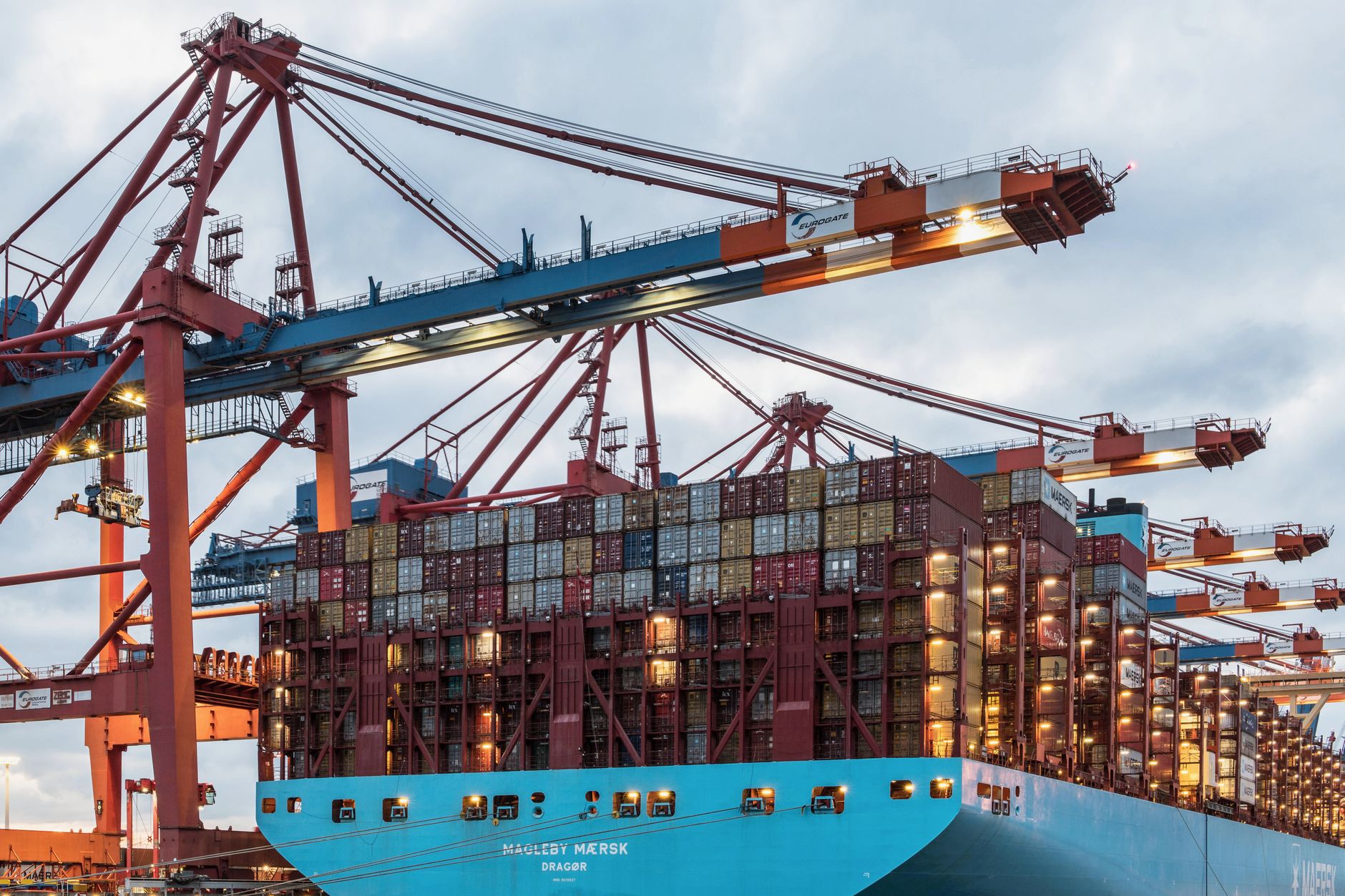
The post-Cold War era was largely defined by an accelerating trend of globalization, characterized by the dismantling of trade barriers, the free flow of capital, and the integration of global supply chains. This period, often termed hyper-globalization, saw unprecedented economic growth and poverty reduction in many parts of the world, driven by the belief that economic interdependence would foster peace and mutual prosperity. International institutions like the World Trade Organization (WTO) were established and strengthened to facilitate this integration, creating a rules-based system designed to manage disputes and promote fair trade practices among nations. The underlying assumption was that all participants would benefit from comparative advantages, leading to a more efficient allocation of resources globally.
However, the landscape began to shift dramatically in the late 2010s, exacerbated by geopolitical tensions, the COVID-19 pandemic, and growing concerns over national security and technological dominance. Nations started to re-evaluate the vulnerabilities inherent in deeply integrated supply chains, particularly concerning critical goods like semiconductors, pharmaceuticals, and rare earth minerals. This re-evaluation led to a surge in protectionist policies, including tariffs, export controls, and subsidies aimed at bolstering domestic industries. The strategic competition between major global powers, especially in areas like advanced technology, further fueled this movement towards economic decoupling, marking a clear departure from the previous decades of integrationist policies.
The current trajectory suggests a potential return to a more fragmented global economy, reminiscent of pre-globalization eras, but with the added complexity of modern technological interdependencies. The IMF's recent warnings underscore the severity of this shift, highlighting how individual policy decisions, seemingly rational from a national perspective, can collectively lead to a detrimental global outcome. The challenge for policymakers now is to navigate this complex environment, balancing national interests with the imperative of maintaining a stable and prosperous global economic order, a task made increasingly difficult by the erosion of trust and the rise of unilateral actions.
Who Is Affected
The ripple effects of economic fragmentation will be felt across every stratum of society, from multinational corporations to individual consumers. Businesses that have built their models on global supply chains and open markets will face significant disruptions, necessitating costly reconfigurations and potentially leading to reduced profitability. Small and medium-sized enterprises (SMEs) that rely on international trade for components or access to foreign markets may find themselves particularly vulnerable, struggling to absorb increased tariffs or navigate complex new regulatory landscapes. This could lead to a contraction in global trade volumes, stifling economic growth and innovation that thrives on cross-border collaboration and competition.
Consumers globally are also on the front lines of this economic shift. The imposition of tariffs and the rerouting of supply chains will inevitably lead to higher prices for a wide range of goods, from electronics to everyday necessities. This inflationary pressure could erode purchasing power, especially for low-income households, exacerbating existing inequalities. Furthermore, the reduced availability of certain goods due to export restrictions or supply chain bottlenecks could limit consumer choice and potentially impact living standards. The promise of cheaper goods through globalized production could become a relic of the past, replaced by more expensive, domestically sourced alternatives.
Beyond the immediate economic impacts, the broader geopolitical landscape stands to be significantly altered. Nations that are heavily reliant on exports or imports for their economic stability could face severe economic shocks, potentially leading to social unrest and political instability. Developing economies, often the most integrated into global supply chains and reliant on foreign investment, are particularly vulnerable to being caught in the crossfire of major power competition. The erosion of multilateral institutions and the rise of bilateral or regional blocs could also diminish the capacity for collective action on pressing global challenges, from climate change to pandemics, as nations prioritize self-interest over shared solutions.
The Case For
Proponents of economic fragmentation, or at least a more cautious approach to globalization, often emphasize the critical importance of national security and resilience. The COVID-19 pandemic starkly exposed the vulnerabilities of relying on distant supply chains for essential goods, particularly medical supplies and pharmaceuticals. In this view, bringing manufacturing back home or to trusted allies (friend-shoring) reduces dependence on potentially adversarial nations, ensuring a stable supply of vital products during crises or conflicts. This strategic autonomy is seen as paramount, even if it comes with higher costs, as it safeguards a nation's ability to respond effectively to unforeseen global events and protect its citizens' well-being.
Another key argument centers on the desire to protect and nurture domestic industries and jobs. Globalization, while offering efficiency gains, has often been criticized for leading to job losses in certain sectors within developed nations, as production shifted to countries with lower labor costs. By implementing protectionist measures like tariffs or subsidies, governments aim to level the playing field, encourage domestic investment, and create employment opportunities within their own borders. This approach is often framed as a way to strengthen the national economic base, reduce reliance on foreign markets, and foster a more equitable distribution of economic benefits among the populace.
Furthermore, the pursuit of technological sovereignty is a powerful driver behind the push for economic fragmentation. In an era where technological leadership translates directly into geopolitical power, nations are increasingly keen to control the entire value chain for critical technologies, such as semiconductors, artificial intelligence, and quantum computing. This involves restricting the export of advanced technologies to rivals and investing heavily in domestic research and development. The goal is to prevent adversaries from gaining a strategic advantage and to ensure that a nation's own technological future is not dictated by external forces, thereby securing its long-term competitiveness and national security interests.
The Case Against
Critics of economic fragmentation argue vehemently that it represents a dangerous retreat from the principles of open markets and international cooperation that have underpinned decades of global prosperity. The primary concern is the potential for a significant reduction in global economic efficiency. By erecting trade barriers and fragmenting supply chains, countries forgo the benefits of comparative advantage, leading to higher production costs, reduced innovation, and ultimately, slower economic growth worldwide. This self-imposed inefficiency means that goods become more expensive to produce and distribute, impacting businesses' competitiveness and consumers' purchasing power.
Moreover, the path towards economic fragmentation is fraught with the risk of retaliatory measures, igniting a 'tit-for-tat' cycle of tariffs, sanctions, and trade restrictions. Such an environment can quickly spiral into a full-blown trade war, where all participants suffer, and the global trading system becomes increasingly unpredictable and volatile. This not only harms economic relations but also erodes trust between nations, making it more challenging to address shared global challenges like climate change, pandemics, or financial crises, which inherently require multilateral solutions. The breakdown of a rules-based international order could have profound and lasting negative consequences.
Finally, the argument against fragmentation highlights the disproportionate impact on developing economies and the potential for increased global inequality. Many developing nations have successfully integrated into global supply chains, using export-led growth as a pathway to poverty reduction and economic advancement. A fragmented global economy, characterized by protectionism and restricted market access, could severely undermine these efforts, trapping millions in poverty and reversing hard-won development gains. Furthermore, the shift towards regional blocs or 'friend-shoring' could leave smaller, less politically aligned nations isolated, struggling to find markets for their goods or secure essential imports, thereby exacerbating global economic disparities.

Policy Questions Answered
Implementation Watch
Monitoring the actual implementation of policies contributing to economic fragmentation will be crucial in the coming years. This involves tracking the proliferation of new tariffs, non-tariff barriers, export controls on critical technologies, and the establishment of new trade blocs that explicitly exclude certain nations. We will need to observe how countries adjust their investment strategies, whether foreign direct investment (FDI) patterns shift significantly away from global optimization towards regional or politically aligned partners. The effectiveness of 'friend-shoring' initiatives, and whether they truly enhance resilience or merely create new vulnerabilities, will be a key area of focus for economists and policymakers alike.
Furthermore, the response of multinational corporations to these shifting geopolitical tides will be a critical indicator. Will they absorb increased costs to maintain market access, or will they fundamentally restructure their global operations, leading to a more bifurcated global economy? Observing corporate supply chain adjustments, investment decisions in new manufacturing hubs, and their lobbying efforts regarding trade policy will provide real-time insights into the ground reality of fragmentation. The speed and scale at which companies adapt their strategies will largely determine the depth and persistence of this economic shift, potentially creating new winners and losers in the global marketplace.
Finally, the resilience of international institutions and the potential for new forms of multilateral cooperation will be under intense scrutiny. Can existing bodies like the WTO adapt to manage these new tensions, or will new frameworks emerge to facilitate trade and investment among like-minded nations? The success or failure of diplomatic efforts to de-escalate economic tensions and foster renewed dialogue will be paramount. Without a concerted effort to rebuild trust and re-establish common ground, the trajectory towards deeper fragmentation seems almost inevitable, with profound implications for global stability and prosperity that demand constant vigilance and proactive engagement.














Comments
No comments yet. Be the first to comment!