
What We Know
- Iran's Islamic Revolutionary Guard Corps (IRGC) has reportedly launched a barrage of missiles targeting at least two US military bases situated in Iraq, specifically Al-Asad Airbase and a facility near Erbil. These strikes represent a direct and significant military action against American forces.
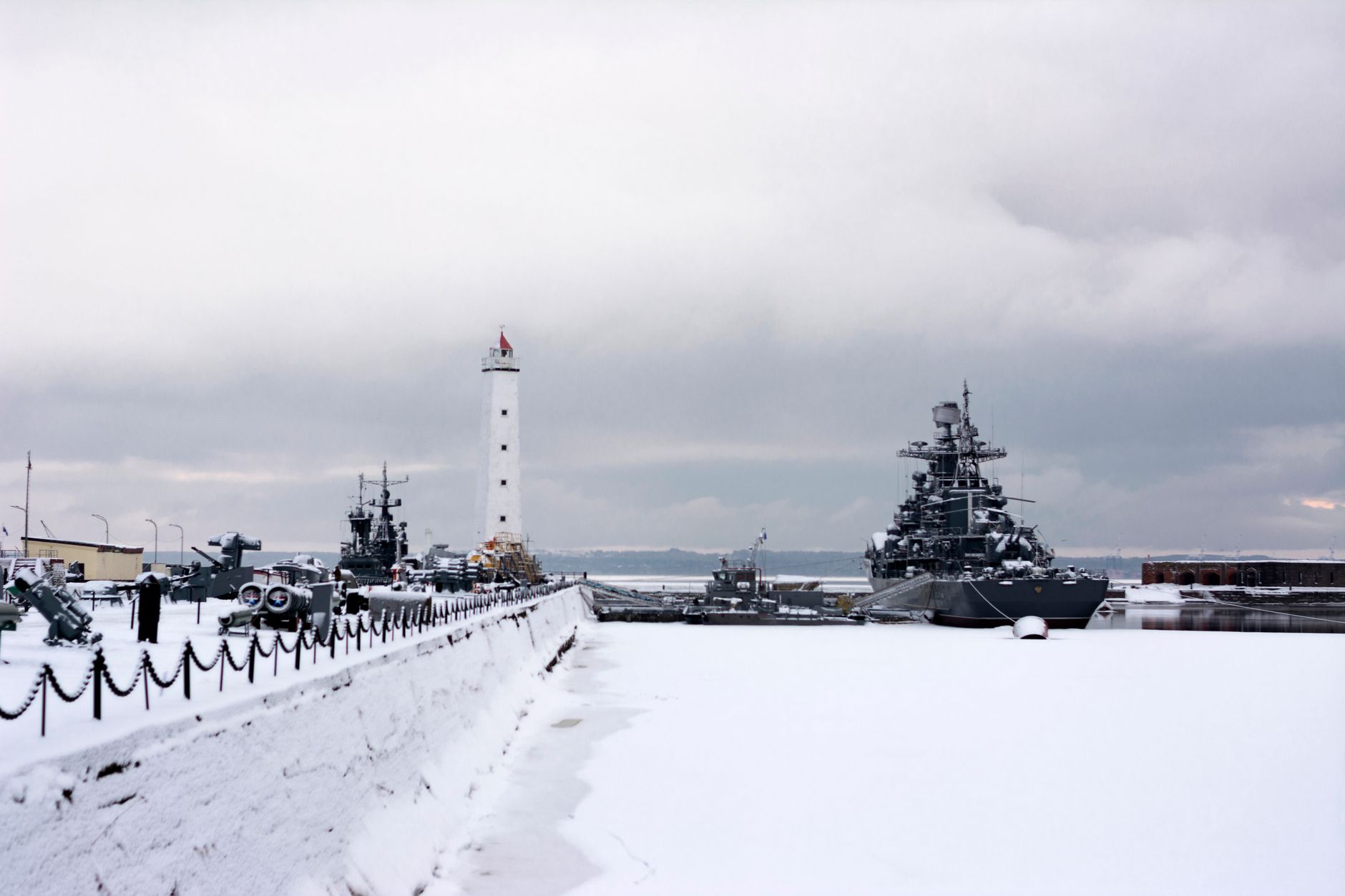
- These missile attacks are understood to be a direct retaliatory measure following a highly tense naval confrontation in the strategic Strait of Hormuz, where Iranian naval vessels reportedly engaged in aggressive maneuvers near a US Navy destroyer.
- Initial reports from US defense officials indicate that there have been no immediate casualties among American military personnel or allied forces stationed at the targeted Iraqi bases, a critical detail that could influence the immediate US response.
- Prior to the reported strikes, US forces across the region, particularly those in Iraq, had been placed on an elevated state of alert, anticipating potential Iranian retaliation after the recent maritime incident and heightened rhetoric.
- Iranian state media, including official news agencies, swiftly claimed responsibility for the missile launches, framing them as a decisive response to perceived American provocations and asserting Iran's capacity for regional deterrence.
- The Pentagon has confirmed the attacks, stating that defensive measures were taken and that assessments of the damage and potential casualties are ongoing, while also signaling a readiness to protect US personnel and interests in the region.
What We Do Not Know Yet
- The precise extent of material damage inflicted upon US military facilities, including infrastructure, aircraft, and equipment at Al-Asad Airbase and the Erbil site, remains unconfirmed, with initial assessments still underway by defense authorities.
- The exact number, type, and trajectory of missiles employed by Iran in these reported strikes are not yet fully disclosed, making it difficult to ascertain the specific capabilities demonstrated or the intended scale of the attack.
- Iran's broader strategic intentions behind these direct military actions, including whether this represents a one-off retaliatory strike or the precursor to a more sustained campaign, are currently unclear to international observers.
- The comprehensive US response strategy following these unprecedented attacks is still being formulated and has not been publicly announced, leaving questions about the immediate and long-term actions Washington may undertake.
- Whether any early warning systems or defensive measures successfully intercepted incoming missiles, thereby mitigating potential damage or casualties, is a crucial detail that has not yet been fully clarified by military officials.
- The involvement, if any, of Iranian-backed proxy groups in Iraq or other regional actors in either facilitating or coordinating these strikes, or their potential role in future escalations, remains an open question for intelligence agencies.
Background
Tensions between the United States and Iran have been relentlessly escalating for many months, creating a dangerously volatile environment across the Middle East. This deep-seated animosity stems from a complex web of historical grievances, geopolitical rivalries, and conflicting strategic interests, particularly concerning Iran's nuclear program, its regional influence, and the presence of US forces. The withdrawal of the US from the Joint Comprehensive Plan of Action (JCPOA) and the subsequent re-imposition of crippling sanctions have further exacerbated this already fragile relationship, pushing both nations to the brink of direct confrontation.
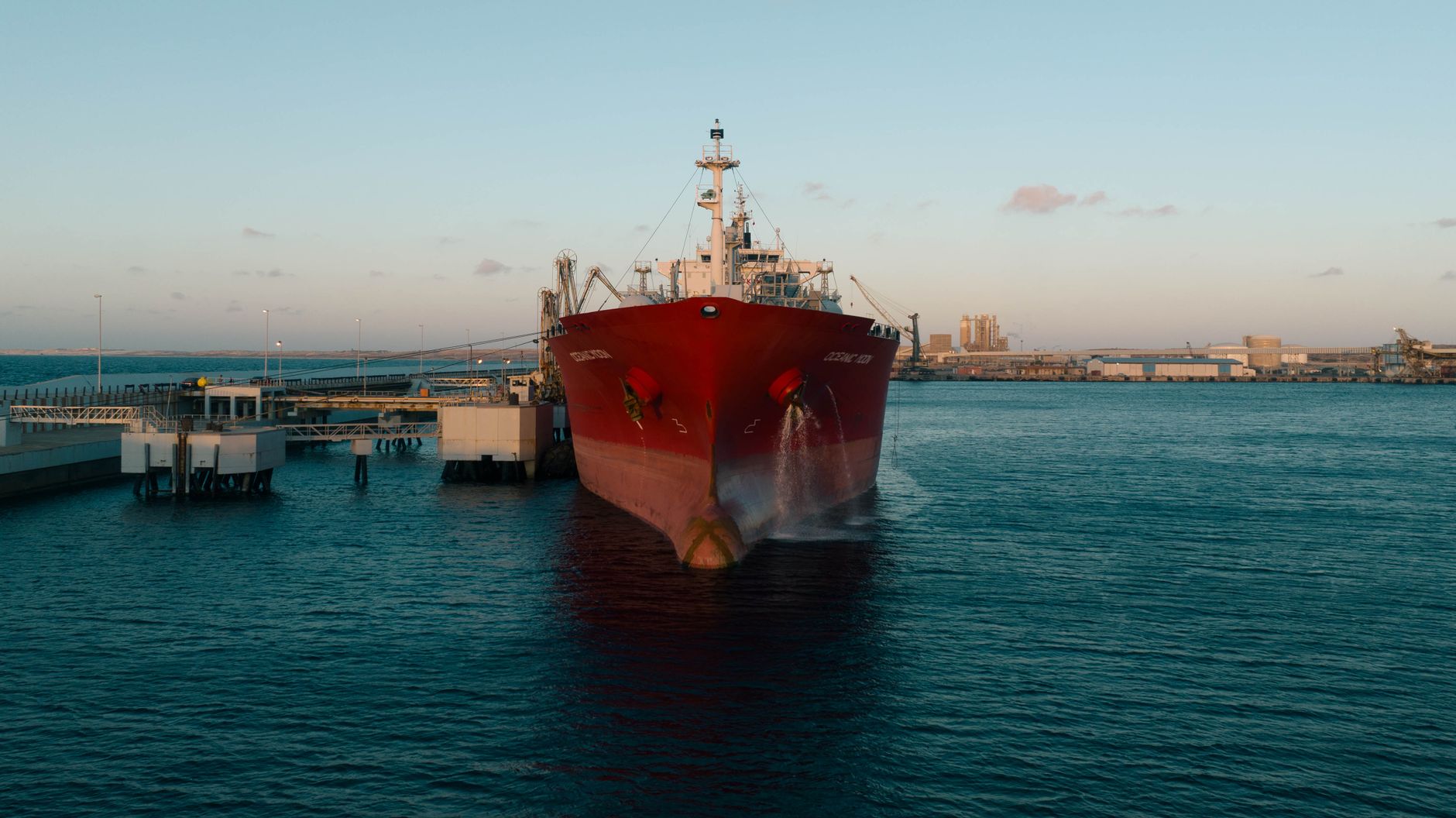
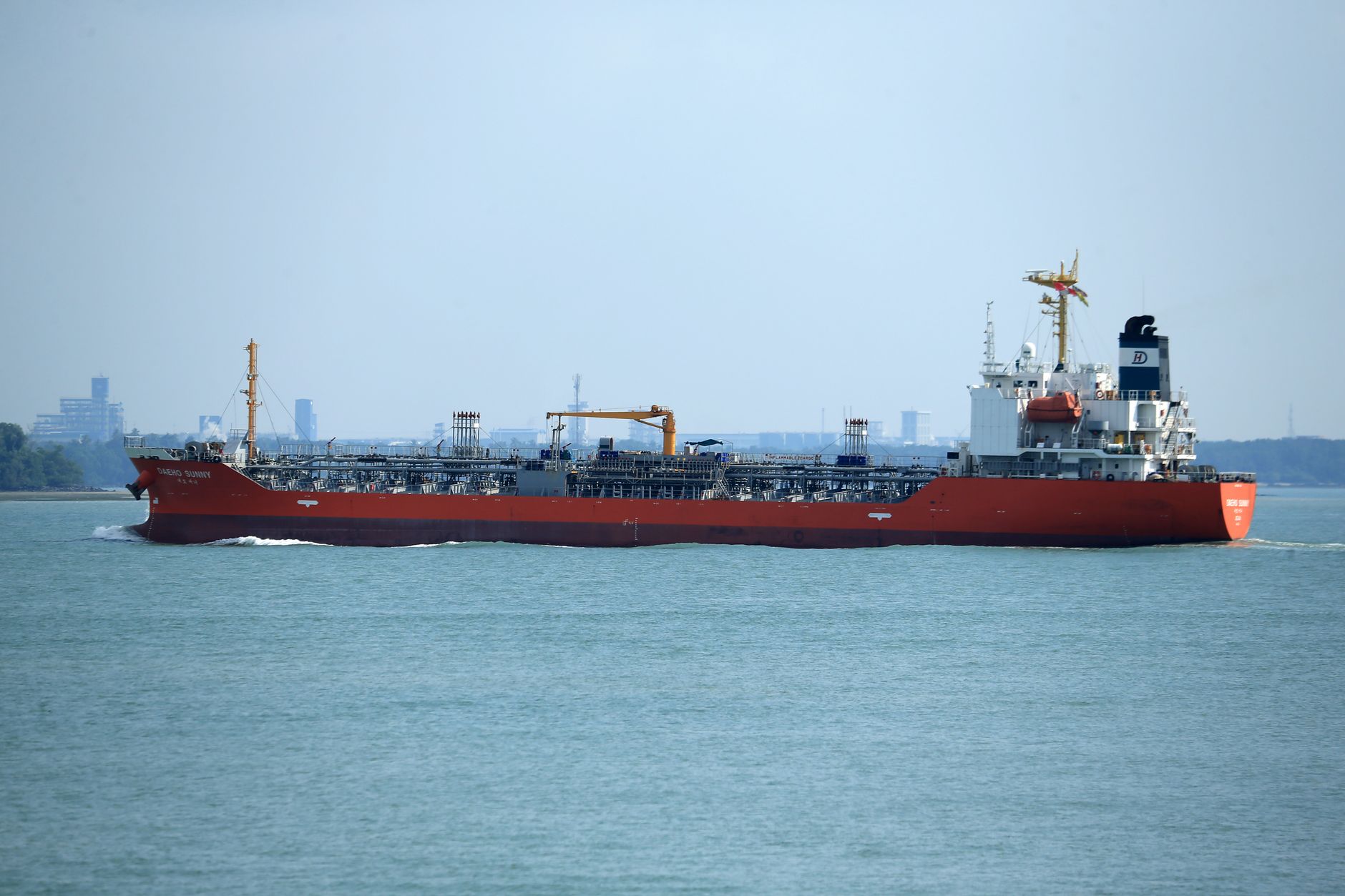
The immediate catalyst for the recent missile strikes appears to be a highly provocative incident in the Strait of Hormuz, a critical maritime chokepoint. In this confrontation, Iranian Revolutionary Guard Corps (IRGC) naval forces reportedly engaged in aggressive and unsafe maneuvers near a US Navy vessel, raising alarm bells about the potential for miscalculation. This strategic waterway is indispensable for global oil shipments, with approximately one-fifth of the world's petroleum passing through it daily, making any disruption a severe threat to international energy markets and economic stability.
This latest escalation fits into a concerning pattern of previous incidents that have steadily ratcheted up regional tensions. These include the downing of a sophisticated US surveillance drone by Iran, suspected Iranian-backed attacks on oil tankers in the Gulf, and numerous proxy skirmishes across Iraq, Syria, and Yemen. The US maintains a significant military presence in the region, ostensibly to deter Iranian aggression, protect its vital interests, and ensure the security of its key allies like Saudi Arabia and the UAE, inadvertently creating flashpoints for direct engagement.
Why It Matters
This unprecedented direct military exchange between Iran and the United States carries the grave risk of igniting a wider, devastating conflict across the entire Middle East. The region is already a powder keg of unresolved disputes, proxy wars, and sectarian divisions, and a direct confrontation between these two powerful adversaries could easily spiral out of control. Such a conflict would not only destabilize governments and societies but also draw in regional and international powers, creating a complex and unpredictable geopolitical nightmare with far-reaching consequences for global security and human lives.
The economic repercussions of such an escalation would be immediate and severe, particularly given the Strait of Hormuz's pivotal role in global oil supplies. Any significant disruption or closure of this vital chokepoint, even temporarily, would send shockwaves through international energy markets, causing oil prices to skyrocket and potentially triggering a global recession. Furthermore, the immense costs associated with military operations, reconstruction efforts, and humanitarian aid would place an unbearable strain on national economies worldwide, impacting everything from trade routes to consumer prices.
Beyond the immediate kinetic actions, this incident profoundly tests the resilience and cohesion of US alliances in the region, potentially forcing difficult choices upon partners who rely on American security guarantees. Regional stability, already precarious, faces an existential threat as the potential for miscalculation on either side remains alarmingly high. The international community is now confronted with an urgent imperative to de-escalate tensions through robust diplomatic channels, as the alternative is a catastrophic scenario with devastating humanitarian consequences that would reverberate far beyond the immediate battlegrounds.
Timeline of Events
- **Early January (Date TBD):** A highly contentious naval confrontation unfolds in the strategic Strait of Hormuz, involving Iranian Revolutionary Guard Corps (IRGC) vessels and a US Navy destroyer, reportedly marked by aggressive and unsafe maneuvers by Iranian forces. This incident significantly heightened regional tensions.
- **Hours after Hormuz Incident (Date TBD):** Iranian state media and high-ranking officials issue stark warnings to the United States, threatening severe retaliation for perceived provocations and asserting Iran's right to defend its sovereignty and interests in the Persian Gulf.
- **Late January (Date TBD):** Reports begin to emerge of multiple missile strikes launched by Iran targeting at least two US military bases located in Iraq, specifically Al-Asad Airbase in Anbar province and a facility near Erbil, marking a direct military engagement.
- **Immediately Following Strikes (Date TBD):** US defense officials swiftly confirm the attacks, initiating damage assessments and casualty checks while simultaneously informing the White House and key congressional leaders about the unfolding situation.
- **Within 24 Hours (Date TBD):** The United Nations Security Council convenes an emergency session, with member states expressing deep concern over the escalating tensions and calling for immediate de-escalation from both Washington and Tehran to prevent a wider conflict.
- **Days After (Date TBD):** International diplomatic efforts intensify, with key global powers engaging in bilateral and multilateral discussions aimed at opening communication channels between the US and Iran and exploring pathways to reduce the risk of further military action.

Rapid-Fire Q&A
What Is Coming
- The United States will undoubtedly conduct thorough damage assessments of its targeted facilities and meticulously evaluate all available intelligence to determine the precise nature and scale of the Iranian attacks, informing its strategic response options.
- The international community is expected to issue strong condemnations of the escalation, with numerous nations and global organizations calling for immediate de-escalation and urging both Washington and Tehran to exercise maximum restraint to prevent a wider conflict.
- Expect a significant increase in aggressive rhetoric from both the US and Iranian leadership, as each side attempts to project strength, rally domestic support, and define the narrative surrounding these unprecedented military actions.
- The potential for further military actions, either direct or through proxies, remains a serious concern, as both sides weigh their next moves, creating an unpredictable and highly volatile security landscape across the Middle East.
- Global oil markets will likely react with increased volatility and uncertainty, with crude oil prices potentially surging as traders factor in the heightened geopolitical risks to supply lines through the Strait of Hormuz.
- Intense diplomatic efforts are anticipated to commence, involving key world powers and regional actors working behind the scenes to open communication channels, mediate between the adversaries, and explore off-ramps to avoid a catastrophic regional war.











Comments
No comments yet. Be the first to comment!