

What We Know
- Multiple new entities and individuals have been added to the Specially Designated Nationals (SDN) list by the U.S. Treasury Department, significantly expanding the scope of prohibited transactions and requiring immediate compliance checks across all financial sectors.
- The European Union has implemented a fresh package of sectoral sanctions targeting key industries, including advanced technology, energy, and defense, which will undoubtedly disrupt established supply chains and international trade agreements.
- New restrictions on financial services, including limitations on access to SWIFT for certain banks and expanded asset freezes, are now in effect, creating substantial operational challenges for international banking and cross-border payments.
- Several countries have issued updated guidance on compliance requirements, emphasizing the need for enhanced due diligence and robust internal controls to prevent inadvertent breaches of the newly imposed regulations.
- The sanctions package includes specific prohibitions on the export of dual-use goods and technologies, impacting manufacturers and exporters who must now re-evaluate their product classifications and destination markets with extreme caution.
- There's a clear focus on tightening enforcement against circumvention tactics, with increased penalties for non-compliance and a heightened risk of secondary sanctions for entities found to be facilitating prohibited activities.
What We Do Not Know Yet
- The full extent of the economic impact on global commodity prices and supply chain stability remains uncertain, as markets are still processing the implications of these far-reaching restrictions and adjusting to new realities.
- Whether other major economies, particularly those in Asia and the Middle East, will align with these new sanctions or pursue alternative trade routes and financial mechanisms is a critical unknown that could reshape global economic alliances.
- The long-term geopolitical repercussions of this intensified sanctions regime, including potential retaliatory measures from targeted nations, are yet to unfold and could lead to further instability on the international stage.
- Specific carve-outs or humanitarian exemptions for certain goods or services, if any, have not been fully clarified, leaving aid organizations and essential service providers in a precarious position regarding their operations.
- How smaller businesses and emerging markets will adapt to the increased compliance burden and potential loss of access to international financial systems is a significant concern that could lead to widespread economic disruption.
- The efficacy of these new sanctions in achieving their stated policy objectives, such as altering the behavior of targeted regimes, is still highly speculative and will depend on a complex interplay of political and economic factors.
Background
The imposition of these latest sanctions on June 1, 2026, marks a significant escalation in a long-standing pattern of international pressure aimed at specific state actors and their affiliates. Over the past several years, a series of progressively stringent measures have been enacted, driven by persistent geopolitical tensions, human rights concerns, and perceived threats to international stability. These actions are not isolated but rather represent a concerted effort by a coalition of nations to leverage economic tools as a primary instrument of foreign policy, attempting to compel behavioral changes through financial and trade restrictions. The historical context reveals a gradual tightening of the noose, with each new package building upon previous ones, closing loopholes and expanding the net of targeted entities.
This latest wave of restrictions follows months of intense diplomatic negotiations and intelligence gathering, culminating in a consensus among key international players that stronger action was imperative. The decision to implement these particular sanctions was reportedly influenced by recent developments on the ground, including escalating regional conflicts and alleged violations of international law, which policymakers deemed unacceptable. The strategic intent behind these measures is multifaceted: to degrade the financial capacity of targeted regimes, to disrupt their access to critical technologies and resources, and to isolate them from the global economic system. The hope is that such sustained pressure will eventually force a recalculation of their strategic objectives and lead to a de-escalation of tensions.
Previous rounds of sanctions, while impactful, often faced criticism for their perceived limitations or unintended consequences, such as humanitarian concerns or the creation of alternative illicit trade networks. Lessons learned from these earlier attempts have likely informed the design of the current package, with policymakers striving for more targeted and comprehensive measures. This ongoing evolution of sanctions policy reflects a continuous adaptation to the sophisticated methods employed by sanctioned entities to circumvent restrictions, highlighting the persistent cat-and-mouse game between enforcers and those seeking to evade compliance. The current environment demands an unprecedented level of vigilance and adaptability from all international actors.
Why It Matters
These new sanctions are not merely bureaucratic updates; they represent a fundamental shift in the global economic and political landscape, carrying profound implications for businesses, financial institutions, and individuals worldwide. For multinational corporations, the immediate challenge lies in navigating an increasingly complex regulatory environment, where non-compliance can result in crippling fines, reputational damage, and even criminal charges. The expanded scope of targeted entities and sectors means that even companies with seemingly indirect connections to sanctioned regions or individuals must conduct rigorous due diligence to avoid inadvertently violating the new rules. This heightened risk profile necessitates a complete overhaul of compliance frameworks and a proactive approach to risk management, making it a critical concern for every board and executive team.
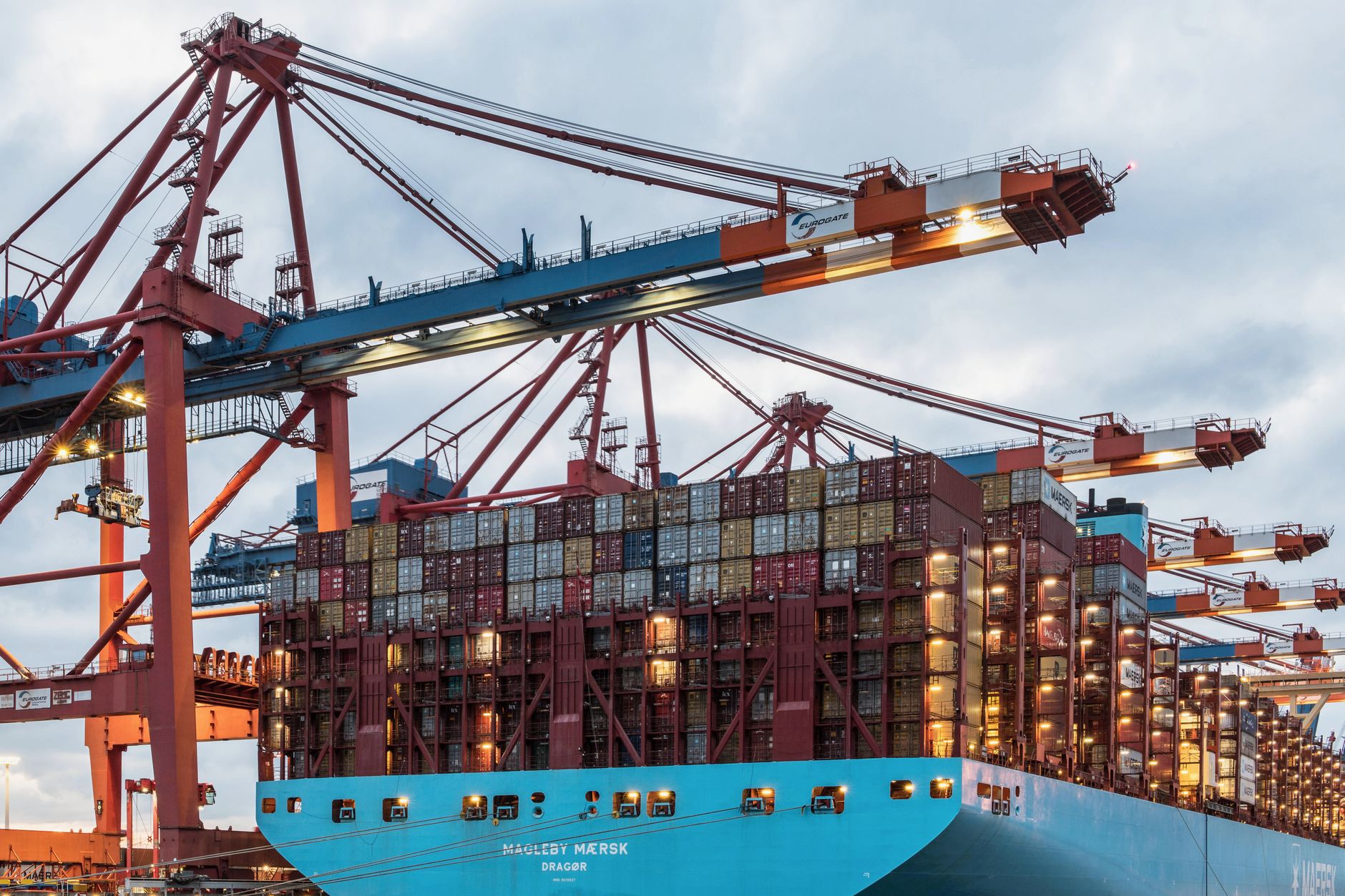
Beyond direct compliance, the sanctions are poised to trigger significant disruptions across global supply chains. Industries reliant on components, raw materials, or services from sanctioned regions will face immediate pressures to find alternative sources, which could lead to increased costs, delays, and potential product shortages. Furthermore, the financial sector will grapple with enhanced scrutiny, demanding more robust transaction monitoring and client screening processes. Banks and other financial intermediaries must invest heavily in advanced analytics and personnel training to identify and block prohibited transactions, or risk becoming conduits for illicit financial flows and facing severe penalties. The ripple effect will extend to insurance, logistics, and legal services, all of which must adapt to this new, more restrictive operating environment.
Ultimately, the effectiveness of these sanctions hinges on their ability to alter the behavior of targeted regimes and individuals. If successful, they could contribute to greater international stability and the upholding of human rights. However, if they fail to achieve their objectives, or if they lead to unintended humanitarian crises or further destabilization, the global community will face even more intractable challenges. The stakes are incredibly high, influencing everything from the price of oil and gas to the availability of critical technologies, and shaping the future trajectory of international relations. Every entity operating in the global economy must understand these implications and prepare for a period of sustained uncertainty and heightened regulatory pressure.
Timeline of Events
- March 15, 2026: Initial reports surface from intelligence agencies indicating a significant escalation of activities by targeted entities, prompting calls for a review of existing international sanctions frameworks and potential new measures.
- April 2, 2026: Key diplomatic discussions commence among G7 nations and allied partners, focusing on the feasibility and scope of a new, comprehensive sanctions package designed to address the evolving geopolitical landscape.
- April 20, 2026: Expert committees from the U.S. Treasury, EU Commission, and UK Foreign Office begin drafting specific proposals for new entity designations, sectoral restrictions, and enforcement mechanisms, considering economic impact.
- May 5, 2026: Preliminary consensus reached on the core elements of the sanctions package, including the industries to be targeted and the financial institutions to be placed under increased scrutiny, signaling an imminent announcement.
- May 20, 2026: Final legal texts are approved by all participating governments, and internal preparations for implementation begin, including the updating of compliance databases and the dissemination of preliminary guidance to affected sectors.
- June 1, 2026: The new comprehensive sanctions package officially comes into effect, with immediate impact on international trade, finance, and investment, requiring urgent action from businesses and financial institutions globally.

Rapid-Fire Q&A
What Is Coming
- Further clarification and detailed guidance documents from regulatory bodies are expected in the coming weeks, which will provide more granular instructions on specific compliance requirements and potential carve-outs for certain activities, offering much-needed clarity to affected industries.
- Increased enforcement actions and investigations are highly anticipated as authorities begin to actively monitor compliance with the new regulations, signaling a period of heightened scrutiny for businesses operating in high-risk sectors.
- Potential retaliatory measures from sanctioned nations, which could include counter-sanctions, cyberattacks, or other forms of economic and political pressure, are a significant concern that could further destabilize international relations.
- Market volatility across various sectors, particularly in energy, finance, and technology, is likely to persist as global economies adjust to the new restrictions and companies scramble to reconfigure their supply chains and business models.
- A surge in demand for compliance technology solutions and expert legal and consulting services is expected, as businesses seek to fortify their internal controls and navigate the intricate landscape of international sanctions law.
- Ongoing diplomatic efforts will continue behind the scenes, as international bodies and individual nations attempt to manage the fallout from these sanctions and explore pathways for de-escalation, even as the immediate impact unfolds.













Comments
No comments yet. Be the first to comment!