
Story in Brief
Tragedy has struck the front lines of the battle against wildfires, with three brave firefighters losing their lives while confronting a major blaze that erupted along the Colorado-Utah border. The incident, which occurred under harrowing conditions, has sent shockwaves through the emergency response community and ignited renewed concerns about the increasing severity of wildfire seasons. These dedicated individuals were part of a larger effort to contain the rapidly spreading flames, which threatened communities and vital natural resources across the region. Their sacrifice serves as a somber reminder of the immense risks inherent in the dangerous work of wildland firefighting, especially as climate change continues to exacerbate environmental conditions conducive to extreme fire behavior.
The fires, fueled by dry conditions and unpredictable winds, rapidly grew in intensity, overwhelming containment efforts and creating treacherous environments for the crews working tirelessly to protect lives and property. Details surrounding the exact circumstances of the firefighters' deaths are still emerging, but initial reports suggest they were caught in a sudden and violent escalation of the fire. This devastating loss highlights the critical need for enhanced safety protocols, advanced early warning systems, and robust support for the firefighters who routinely place themselves in harm's way. The emotional toll on their families, colleagues, and the wider community will be profound, underscoring the human cost of these natural disasters.
As investigations into the incident commence, the focus is also shifting towards the broader implications for wildfire management and firefighter safety. Experts are calling for a comprehensive review of current strategies, emphasizing the need for greater investment in resources, training, and technology to better equip firefighters for the challenges they face. The loss of these three lives is not just a localized tragedy but a stark indicator of the growing crisis of wildfires, demanding urgent attention and coordinated action at local, state, and federal levels to mitigate risks and prevent future devastating losses.
What We Know
Three firefighters have tragically died while actively engaged in combating significant wildfires that ignited and spread rapidly across the border region of Colorado and Utah. The incident occurred amidst challenging environmental conditions, including high temperatures, low humidity, and strong, erratic winds, which significantly contributed to the fires' aggressive behavior and rapid expansion. These conditions created an extremely volatile and dangerous operational environment for all personnel involved in suppression efforts. The specific details regarding the exact time, location, and circumstances that led to the fatalities are currently under investigation by relevant authorities, but it is understood that the firefighters were on the front lines when the tragic event unfolded.
The wildfires in question are part of a larger pattern of increased wildfire activity observed in the Western United States, exacerbated by prolonged drought conditions and a buildup of flammable vegetation. These fires have necessitated a large-scale response, involving multiple agencies from both states and potentially federal resources, coordinating to manage the crisis. The loss of life represents a profound tragedy for the firefighting community and underscores the inherent risks associated with wildland firefighting, particularly in the face of increasingly severe fire seasons. Support and resources are being mobilized for the affected families and the crews who continue to battle the blazes.
Authorities are conducting thorough investigations into the incident to determine the precise sequence of events that led to the firefighters' deaths. This process will involve reviewing operational plans, weather data, fire behavior, and witness accounts to ensure a comprehensive understanding and to identify any potential contributing factors. The findings from these investigations will be crucial for informing future safety protocols and operational strategies aimed at preventing similar tragedies. The focus remains on safely containing the existing fires while ensuring the well-being of all emergency responders working in hazardous conditions.
Numbers First
- Three firefighters have been confirmed deceased as a direct result of their efforts to combat the major wildfires along the Colorado-Utah border, marking a significant loss for emergency services.
- The exact acreage burned by the wildfires is still being assessed by authorities, but initial reports indicate a substantial area has been impacted, threatening ecosystems and potentially private property.
- Hundreds of firefighters and support personnel have been deployed to the affected regions, working tirelessly in challenging conditions to gain control over the rapidly spreading flames.
- Multiple fire engines, aircraft including air tankers and helicopters, and specialized equipment are actively engaged in suppression operations, coordinating complex strategies to combat the blaze.
- The number of structures threatened or destroyed by the wildfires is currently under evaluation, with emergency management teams working to ascertain the full extent of property damage.
- The incident occurred during a period of elevated fire danger across the Western United States, with numerous other significant wildfires burning concurrently in neighboring states, straining resources statewide.
Why This Cannot Be Ignored
The tragic loss of three firefighters battling blazes along the Colorado-Utah border is a critical alarm bell, signaling a dangerous escalation in the threats posed by modern wildfires. These are not isolated incidents but symptoms of a larger, systemic issue driven by climate change, prolonged drought, and land management practices that have created tinderbox conditions across vast landscapes. The bravery of these individuals, met with such devastating consequences, demands immediate and profound attention to the escalating risks faced by those on the front lines. Ignoring this reality means accepting an unacceptable level of danger for our first responders and a growing vulnerability for communities.
This incident starkly illustrates the human cost of increasingly severe wildfire seasons, a cost that extends far beyond the immediate loss of life. It impacts families, strains emergency services, devastates local economies, and degrades the environment for generations. The bravery displayed by firefighters is commendable, but it should not be the primary defense against fires that are becoming more frequent, intense, and unpredictable. We must move beyond reactive measures and implement proactive strategies that address the root causes of these extreme fire events, including climate mitigation and sustainable land management, to protect both lives and livelihoods.
Furthermore, the circumstances surrounding these deaths necessitate a critical examination of firefighter safety protocols, resource allocation, and the adequacy of training for increasingly complex and hazardous wildfire environments. Are we providing our firefighters with the best possible tools, intelligence, and support to face these evolving threats? The answer, in light of this tragedy, appears to be insufficient. Failing to address these systemic issues not only endangers current responders but also jeopardizes the long-term capacity to manage wildfires effectively, leaving communities increasingly exposed to destruction and loss.
Ground Reality
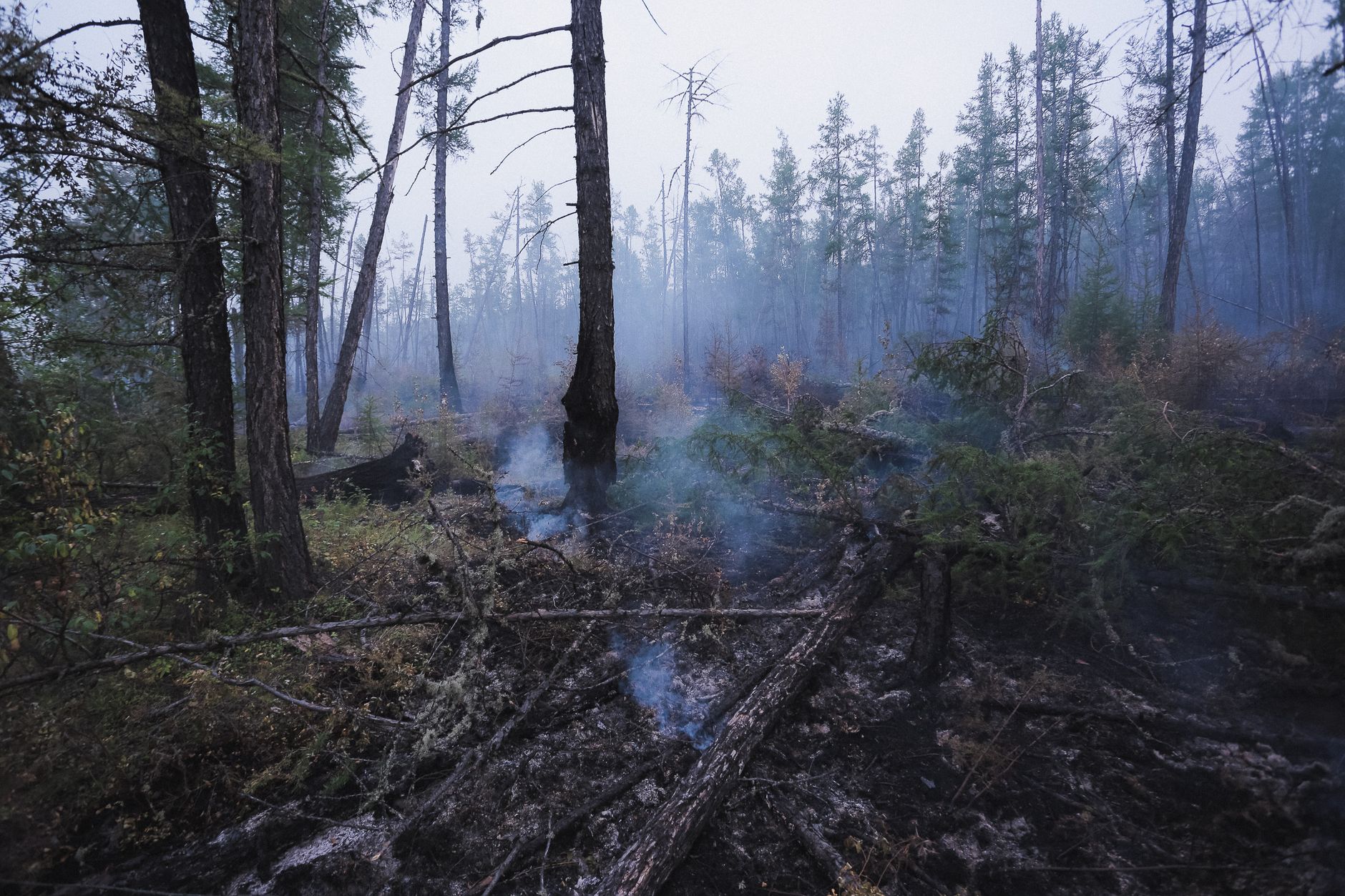
On the ground, the situation along the Colorado-Utah border is one of intense, chaotic struggle against a formidable natural force. Firefighters are battling not just flames but also extreme weather conditions – searing heat, low humidity, and unpredictable, powerful winds that can whip embers into new infernos in minutes. The terrain itself often presents significant challenges, with steep slopes, dense vegetation, and limited access points complicating suppression efforts. This creates a volatile and unpredictable environment where conditions can change drastically without warning, placing crews in immediate peril as they work to establish containment lines and protect threatened areas.
The sheer scale of these wildfires means that resources are stretched thin, with crews working extended shifts under immense physical and psychological pressure. Fatigue becomes a significant factor, increasing the risk of errors in judgment or accidents. The constant threat of being outflanked by the fire, or caught in sudden wind shifts, means that every decision carries immense weight. Communication breakdowns, equipment malfunctions, and the sheer intensity of the heat and smoke further compound the difficulties faced by those on the front lines, painting a grim picture of the daily reality for these brave individuals.
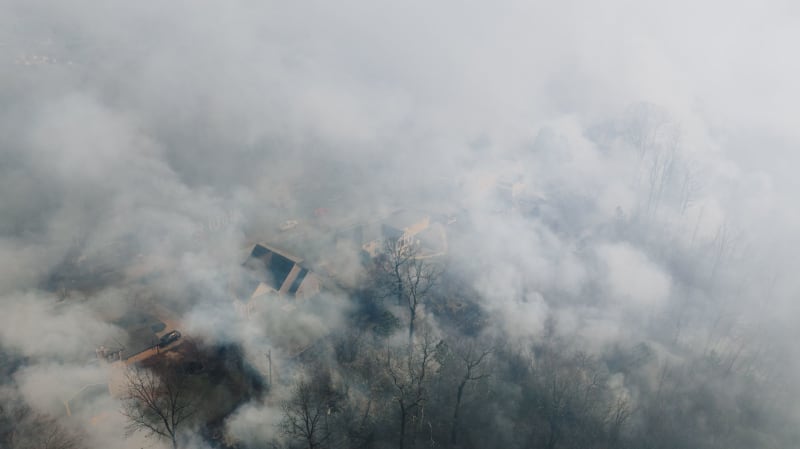
Beyond the immediate suppression efforts, the ground reality also involves the difficult task of assessing damage, coordinating evacuations, and providing support to affected communities. Residents are grappling with the fear of losing their homes, the uncertainty of when they can return, and the emotional toll of displacement. For firefighters, the grim reality includes the profound grief and shock of losing colleagues, a burden that weighs heavily as they continue their dangerous work, driven by a sense of duty and a commitment to public safety despite the immense personal risks involved.
Background
The Colorado-Utah border region has historically experienced wildfire activity, but recent years have seen a marked increase in the frequency, intensity, and duration of these events. This trend is widely attributed to a confluence of factors, including prolonged periods of drought, rising average temperatures, and the accumulation of dense, dry vegetation, all of which are exacerbated by the impacts of climate change. These environmental shifts have created conditions where wildfires ignite more easily, spread faster, and become significantly more challenging to control, pushing suppression strategies to their limits and increasing risks for firefighters.
Wildland firefighting is an inherently dangerous profession, demanding immense physical stamina, specialized skills, and unwavering courage. Firefighters operate in dynamic and unpredictable environments, facing extreme heat, smoke inhalation, hazardous terrain, and the constant threat of rapidly changing fire behavior. The risks are amplified during major incidents like the one on the Colorado-Utah border, where large fire perimeters, complex topography, and adverse weather conditions create a high-risk operational landscape. The dedication and sacrifice of these individuals are crucial for protecting communities and natural resources, but the escalating challenges necessitate continuous evaluation of safety measures and resource deployment.
The specific incident resulting in the loss of three firefighters underscores a broader concern within the wildland fire community regarding firefighter safety and the adequacy of resources to manage increasingly severe fire seasons. As fire seasons become longer and more extreme, the demands on firefighting personnel intensify, leading to concerns about burnout, mental health, and the long-term sustainability of the workforce. This tragedy serves as a stark reminder of the critical need for ongoing investment in firefighter training, equipment, technology, and support systems to ensure they are as safe and effective as possible when facing these formidable challenges.













Comments
No comments yet. Be the first to comment!