
Key Takeaways
- The United States and Qatar have announced significant, tangible progress in their high-stakes negotiations concerning a potential ceasefire in Iran, signaling a crucial diplomatic push to de-escalate regional tensions.
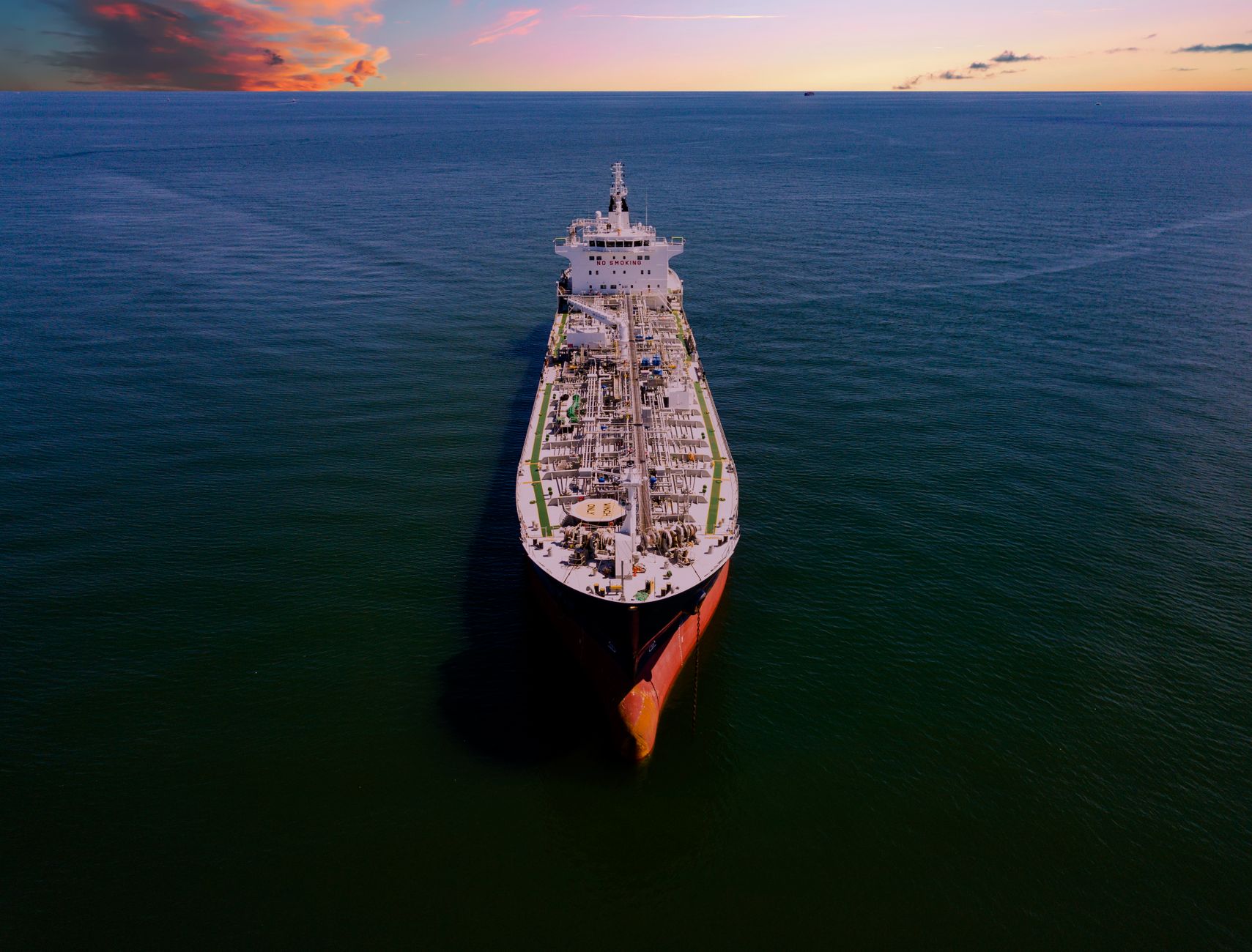
- A primary focus of these intricate discussions is the imperative reopening of the Strait of Hormuz, a critical maritime chokepoint essential for global oil and gas shipments, which has been severely impacted by recent instability.
- These ongoing talks represent a concerted effort to stabilize a volatile region, aiming to mitigate the economic repercussions and humanitarian crises exacerbated by prolonged conflict and maritime disruptions.
- Qatar is playing an increasingly pivotal role as a neutral mediator, leveraging its diplomatic influence and established relationships to bridge divides between Western powers and Iran, a testament to its growing regional importance.
- The successful resolution of these negotiations could lead to a substantial reduction in geopolitical risk, potentially stabilizing international energy markets and fostering greater security for global trade routes.
- While progress is reported, significant challenges remain, including deeply entrenched political differences and the complex web of regional proxy conflicts that continue to fuel instability and distrust among key actors.
Background
The Middle East has been a crucible of geopolitical tension for decades, with Iran at the epicenter of numerous regional conflicts and international disputes. The ongoing standoff between Iran and Western powers, particularly the United States, has manifested in various forms, including proxy wars, economic sanctions, and heightened military postures. This complex dynamic has consistently threatened global energy supplies and maritime security, especially concerning the Strait of Hormuz, a vital artery for international trade. The need for a diplomatic resolution has never been more urgent, as the region teeters on the brink of wider conflict, impacting global stability and economic prosperity.
The Strait of Hormuz, a narrow waterway connecting the Persian Gulf to the open ocean, is arguably the world's most critical oil transit chokepoint. Approximately one-fifth of the world's total petroleum liquids consumption, or about 21 million barrels per day, passes through this strait. Any disruption, whether due to military exercises, political tensions, or direct conflict, sends immediate shockwaves through global energy markets, leading to price spikes and economic uncertainty. Iran's strategic location along the northern coast of the strait gives it significant leverage, which it has historically used to exert pressure during periods of heightened international scrutiny or sanctions.
Qatar, a small but influential Gulf nation, has meticulously cultivated a reputation as a reliable and neutral mediator in various international conflicts. Its diplomatic efforts have been instrumental in bridging gaps between disparate parties, from facilitating peace talks in Afghanistan to mediating hostage releases. This strategic positioning, coupled with its robust economic ties to both Western and Eastern nations, makes Qatar an indispensable player in the current efforts to de-escalate tensions with Iran. Its ability to maintain open channels of communication with all sides provides a unique advantage in navigating the intricate diplomatic landscape of the Middle East.
Why It Matters
The successful negotiation of a ceasefire in Iran and the guaranteed reopening of the Strait of Hormuz are not merely regional concerns; they are global imperatives. A stable Middle East is foundational for global economic stability, particularly given its role as the primary source of the world's oil and gas. Continued instability, or worse, an escalation into open conflict, would trigger catastrophic consequences for international energy markets, leading to unprecedented price surges, supply chain disruptions, and potentially a global economic recession. The ripple effects would be felt far beyond the immediate region, impacting industries, consumer prices, and political stability worldwide.
Beyond economic considerations, the humanitarian implications of prolonged conflict in the region are dire. Millions have already been displaced, and countless lives have been lost due to ongoing proxy wars and internal strife. A ceasefire in Iran could pave the way for a broader de-escalation across the Middle East, reducing the suffering of civilian populations and allowing humanitarian aid to reach those most in need. It represents a critical step towards fostering an environment where diplomatic solutions can take precedence over military confrontation, offering a glimmer of hope for a region long plagued by violence and instability.
These negotiations also hold significant weight for the future of international diplomacy and the role of multilateral cooperation in resolving complex geopolitical challenges. The ability of the US and Qatar to achieve a breakthrough demonstrates the power of sustained diplomatic engagement and the importance of neutral mediators. A successful outcome would reinforce the notion that even the most intractable conflicts can be addressed through dialogue and negotiation, setting a precedent for future international crises and bolstering confidence in diplomatic pathways as the preferred method for conflict resolution. It underscores the critical need for continued engagement, even when progress seems slow or difficult.
Ground Reality
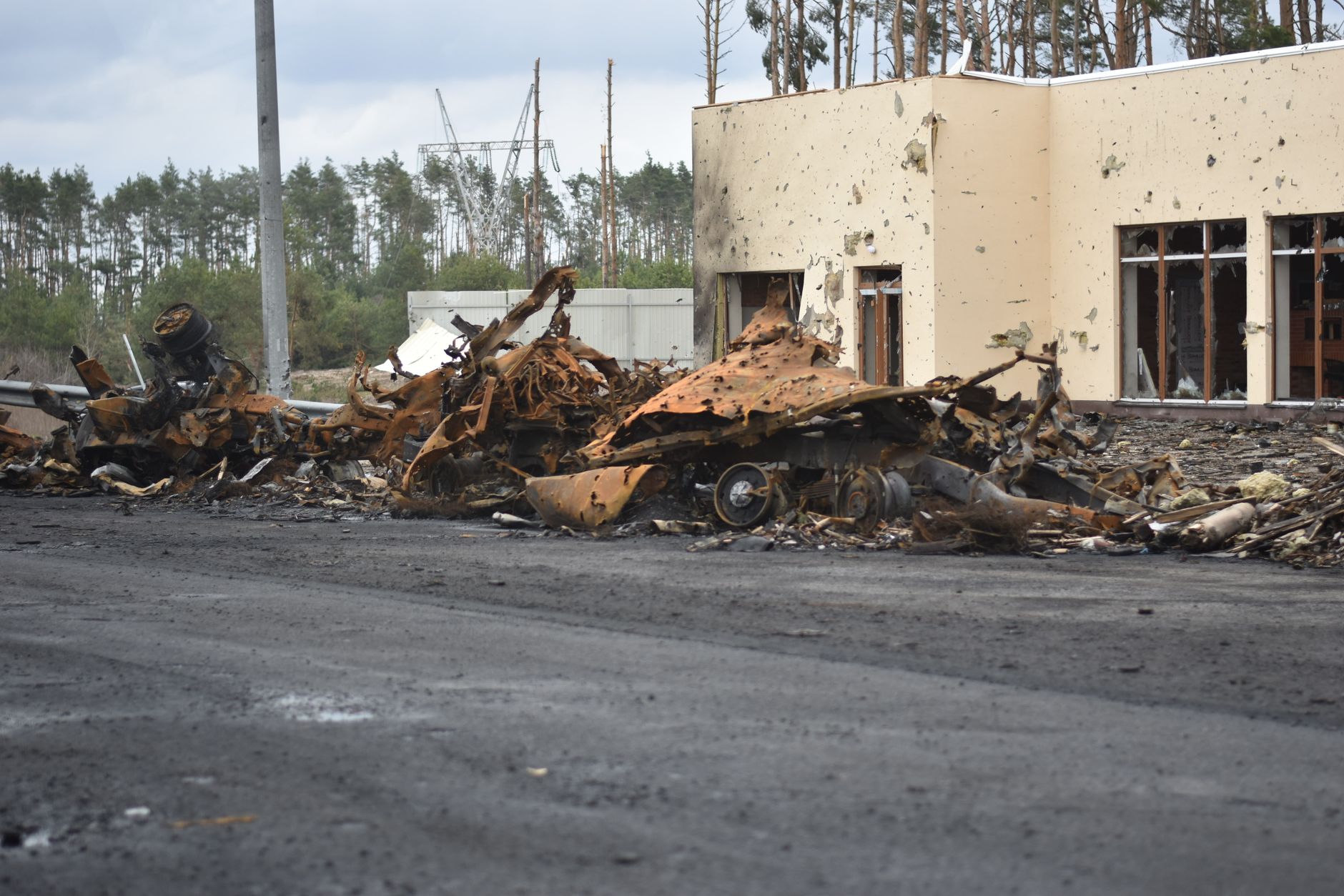
On the ground, the situation remains incredibly complex and fraught with peril. Despite diplomatic overtures, various regional actors continue to engage in actions that exacerbate tensions. Recent incidents involving maritime security, drone attacks, and cyber warfare underscore the fragility of the current environment. Militias and proxy groups, often supported by external powers, continue to operate with significant autonomy, making a comprehensive ceasefire difficult to enforce. The intricate web of alliances and rivalries means that any single incident could quickly spiral out of control, undermining months of diplomatic effort and plunging the region into further chaos. This makes the US-Qatar efforts even more critical, as they navigate a landscape where trust is scarce and provocations are frequent.
Economically, the region is bracing for both the potential benefits of de-escalation and the ongoing costs of uncertainty. While a stable Strait of Hormuz would undoubtedly boost global trade and energy security, the current climate of unpredictability continues to deter foreign investment and disrupt economic growth. Sanctions against Iran, while intended to pressure its government, have also had a profound impact on its civilian population, contributing to economic hardship and social unrest. The reopening of the strait would provide a much-needed lifeline for regional economies, facilitating trade and reducing the prohibitive costs associated with navigating a high-risk maritime environment.
Politically, domestic pressures within Iran and the United States also play a significant role in shaping the negotiation landscape. Hardliners in Iran often view any concessions as a sign of weakness, while political factions in the US may be hesitant to engage in dialogue with a long-standing adversary. Qatar's role as a neutral interlocutor becomes even more vital in this context, as it can facilitate discussions away from the intense glare of domestic politics. The success of these talks hinges on the ability of all parties to navigate these internal pressures while maintaining a unified front in pursuit of regional stability and peace.
What Experts Are Saying
Security analysts widely agree that the current diplomatic push is a critical, albeit precarious, opportunity to avert a larger regional conflict. Dr. Sarah J. Phillips, a leading expert on Middle Eastern affairs, notes, "The US-Qatar collaboration is a testament to the urgent need for creative diplomacy. The Strait of Hormuz is not just an economic lifeline; it's a geopolitical pressure point. Any successful negotiation here would represent a monumental shift in regional dynamics, but the path is fraught with historical grievances and deeply entrenched mistrust." She emphasizes that while progress is positive, the devil will be in the details of any agreed-upon framework, particularly regarding enforcement mechanisms and guarantees from all parties.
Energy market specialists are closely monitoring the talks, recognizing their profound implications for global oil prices and supply chains. John K. Peterson, a senior energy economist, stated, "A guaranteed, unhindered flow through Hormuz would immediately inject confidence into the market, potentially easing inflationary pressures globally. The current risk premium on oil prices is largely due to the perceived instability in this region. If these talks yield a concrete agreement, we could see a significant re-evaluation of energy forecasts, benefiting consumers and industries worldwide." He cautions, however, that any perceived weakness in the agreement could lead to renewed volatility.
Diplomatic strategists highlight Qatar's unique position as a crucial enabler of these high-level discussions. Ambassador Fatima Al-Khalifa, a former diplomat, commented, "Qatar's consistent policy of engagement with all regional actors, regardless of their political alignment, has positioned it as an indispensable bridge-builder. Their ability to host sensitive talks and maintain discreet channels of communication is invaluable in situations where direct engagement between adversaries is politically challenging. This is not just about a ceasefire; it's about establishing a new paradigm for regional dialogue and conflict resolution, with Qatar at its forefront." This perspective underscores the strategic foresight of Qatar's foreign policy.
Frequently Asked Questions
What Happens Next
The immediate future will see continued intensive diplomatic engagement between the US, Qatar, and Iranian representatives. These discussions are likely to move into more granular details concerning the terms of any ceasefire, including verification mechanisms, prisoner exchanges, and specific protocols for maritime navigation in the Strait of Hormuz. The complexity of these issues means that progress, while reported, will likely remain incremental, requiring persistent effort and a willingness from all parties to negotiate in good faith. International observers will be keenly watching for concrete signs of de-escalation and verifiable commitments.
Beyond the direct negotiations, regional powers and international bodies will play a crucial role in supporting or potentially hindering these efforts. The involvement of the United Nations, the European Union, and other key players could provide additional diplomatic leverage and resources for monitoring and enforcing any agreements. However, the diverse interests of various regional states mean that achieving broad consensus on a comprehensive peace framework will be an ongoing challenge, requiring careful balancing of geopolitical considerations and security concerns.
Ultimately, the success of these talks will be measured not just by the signing of agreements, but by their sustained implementation and the tangible impact on regional stability and global security. The path forward is long and fraught with potential setbacks, but the current momentum offers a rare window of opportunity to reset the trajectory of US-Iran relations and bring much-needed stability to a volatile region. The commitment of all parties to a peaceful resolution will be the ultimate determinant of whether this progress translates into lasting peace and prosperity.









Comments
No comments yet. Be the first to comment!