
At a Glance
- Record-breaking temperatures and powerful winds are severely hampering firefighting efforts across southwestern Europe, creating extremely dangerous conditions for emergency responders and local populations.
- France's Gironde region is experiencing unprecedented blazes, with over 12,200 hectares (30,150 acres) consumed, forcing the evacuation of more than 14,000 residents from their homes and livelihoods.
- Spain is battling multiple simultaneous wildfires, with one particularly aggressive fire near Mijas, Malaga, threatening thousands and necessitating the relocation of over 3,000 people to safety.
- The ongoing heatwave is a critical factor, with temperatures soaring past 40 degrees Celsius (104 Fahrenheit) in many areas, drying out vegetation and making it highly susceptible to ignition and rapid spread.
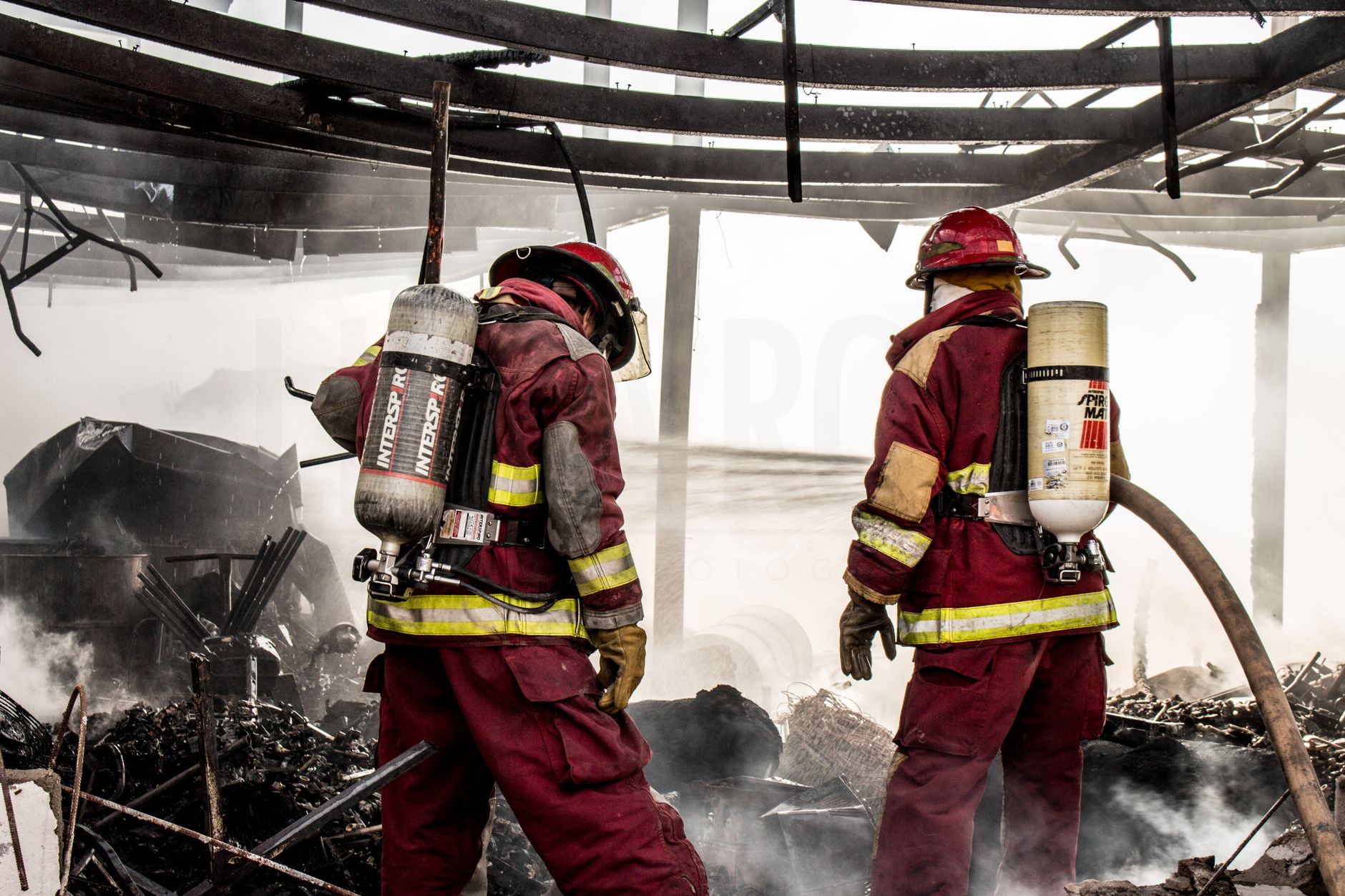
- Emergency services are stretched to their limits, with hundreds of firefighters and specialized aircraft deployed, yet the sheer scale and intensity of the fires pose significant operational challenges.
- Climate change is widely recognized as a major underlying driver, contributing to more frequent and severe heatwaves and prolonged drought conditions that exacerbate wildfire risks across the Mediterranean region.
- International cooperation and resource sharing are becoming increasingly vital as these cross-border environmental disasters demand a coordinated European response to mitigate their devastating impacts.
The Record
The summer of 2022 has etched itself into the historical record as one of the most challenging for wildfire management across southwestern Europe, particularly in France and Spain. Unprecedented heatwaves, with temperatures consistently exceeding 40 degrees Celsius (104 Fahrenheit), have created tinderbox conditions across vast swathes of land. This extreme heat, coupled with persistent strong winds, has transformed what might have been manageable blazes into uncontrollable infernos, overwhelming local and national emergency services. The speed and intensity of these fires are a stark departure from typical fire seasons, signaling a worrying trend amplified by climate change.
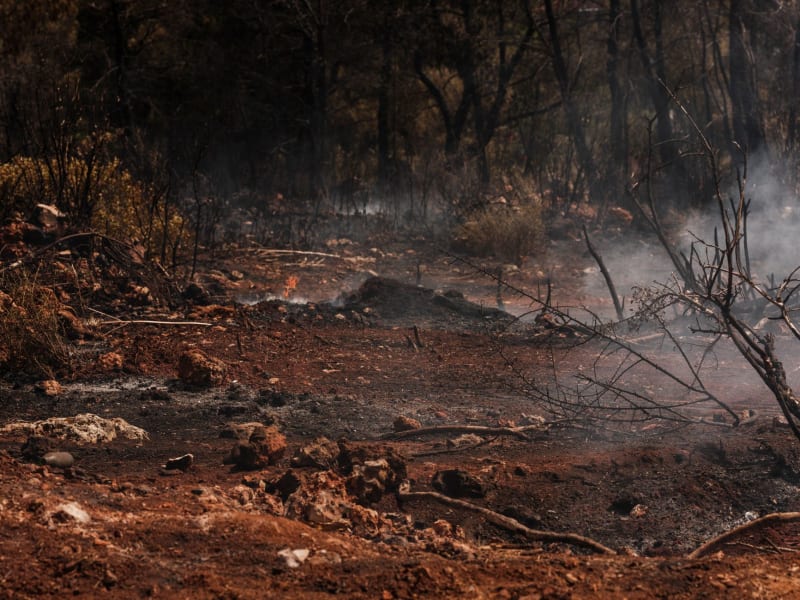
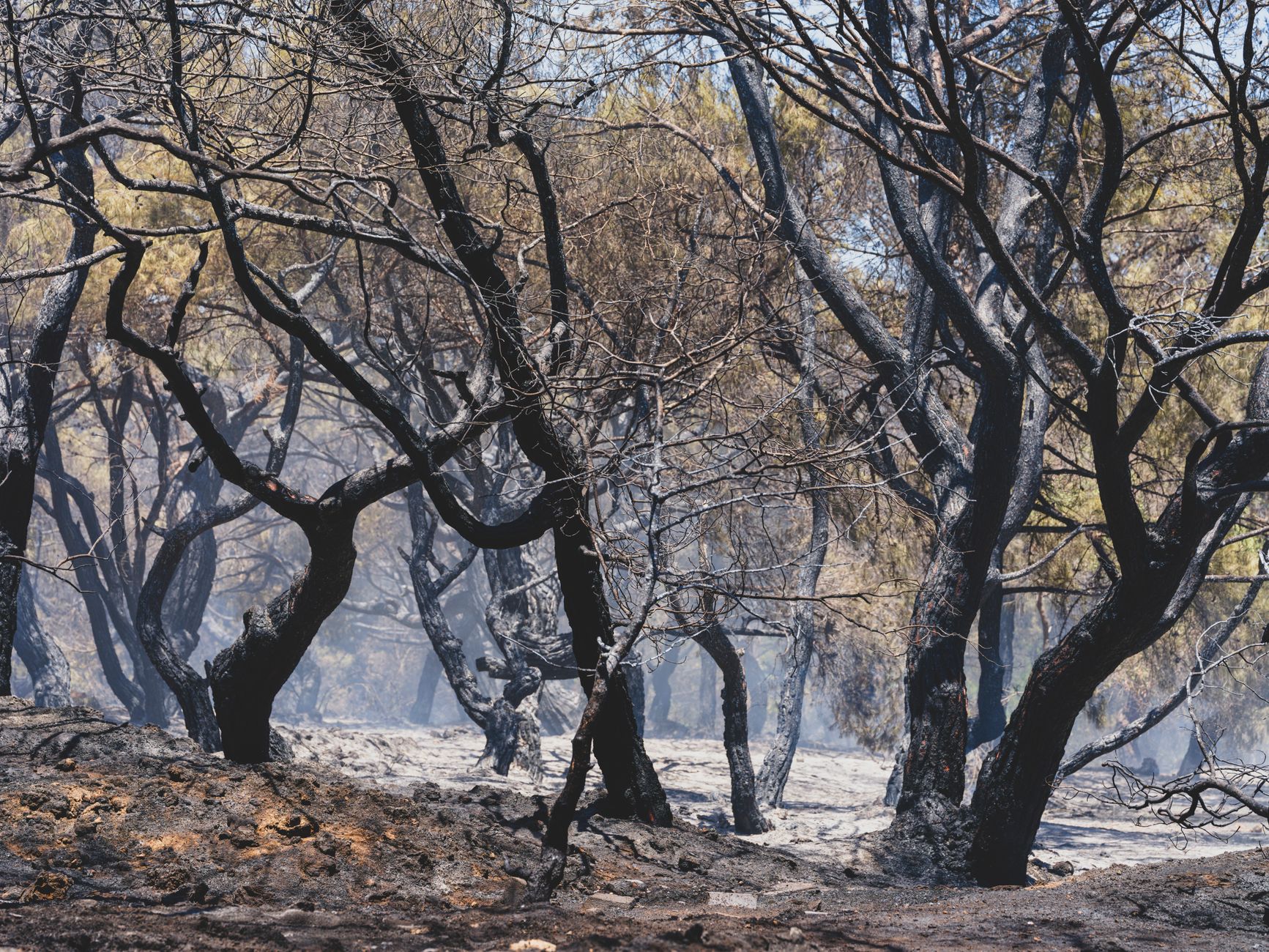
In France, the Gironde department has become the epicenter of the crisis, with two major fires near Landiras and La Teste-de-Buch continuing to rage. The Landiras fire, in particular, has proven exceptionally difficult to contain, rapidly consuming over 12,200 hectares (30,150 acres) of pine forest and scrubland. The sheer scale of the destruction has necessitated the evacuation of more than 14,000 people from their homes, campsites, and holiday accommodations, disrupting lives and livelihoods. Firefighters are battling not just the flames, but also the unpredictable wind shifts and the dense, highly flammable vegetation that characterizes the region, making every advance hard-won and every setback potentially catastrophic.
Across the border in Spain, the situation is equally dire, with multiple significant wildfires demanding immediate attention. One of the most critical is near Mijas, in the Malaga province, where thousands have been forced to flee as flames encroach upon residential areas. The combination of prolonged drought, extreme heat, and gusty winds has turned forested areas into highly combustible zones. Spanish authorities have deployed extensive resources, including air tankers and ground crews, but the relentless conditions mean that containment remains an ongoing, arduous struggle. The human and ecological toll of these fires is mounting daily, highlighting the urgent need for enhanced preventative measures and robust international cooperation.
Who Knew and When
The scientific community has long warned about the increasing frequency and intensity of extreme weather events, including heatwaves and droughts, directly linked to climate change. Reports from the Intergovernmental Panel on Climate Change (IPCC) and numerous national meteorological agencies have consistently projected a future with more severe wildfire seasons in Mediterranean climates. These warnings have been reiterated for decades, detailing how rising global temperatures would create drier conditions, extend fire seasons, and increase the likelihood of mega-fires. Therefore, the current crisis, while devastating, is not entirely unforeseen by those monitoring climate trends and their ecological impacts.
Governments and emergency services in both France and Spain have been aware of the heightened risk for the current summer season. Meteorological forecasts weeks in advance indicated an exceptionally hot and dry period, prompting authorities to issue early warnings and activate preparedness protocols. Public awareness campaigns were launched, urging citizens to exercise extreme caution to prevent accidental ignitions. However, the sheer scale and rapid escalation of these particular fires, fueled by an extraordinary confluence of extreme heat and powerful, erratic winds, have tested the limits of even well-prepared response systems, demonstrating the challenge of predicting the exact severity of such events.
Local communities, especially those in forested and rural areas, have also been acutely aware of the growing fire danger. Many residents have lived through previous wildfire events and understand the destructive potential of dry conditions. Farmers, foresters, and local officials have observed the progressive drying of vegetation and the increasing vulnerability of their landscapes over recent years. This lived experience, combined with official warnings, meant that while the intensity of the current blazes might be shocking, the underlying risk of a severe fire season was a well-understood and deeply concerning reality for those on the front lines.
Voices from the Ground
The human toll of these wildfires extends far beyond the immediate danger of the flames. "We left with just the clothes on our backs, not knowing if our home will still be there when we can return," shared Marie Dubois, a resident evacuated from La Teste-de-Buch, her voice trembling with uncertainty. "The smoke was so thick, the sky turned orange. It felt apocalyptic." Her sentiment echoes across thousands of displaced individuals who are grappling with the trauma of sudden evacuation, the loss of cherished possessions, and the profound anxiety about their future. The psychological impact on these communities is immense, requiring long-term support and resilience-building efforts.
From the front lines, firefighters describe a battle against an almost sentient force. "These fires are different. They move so fast, jump so far, and create their own weather systems," explained Captain Antonio Garcia, leading a Spanish fire crew near Mijas. "We're working around the clock, exhausted, but we can't give up. Every tree, every house we save, matters." Their accounts highlight the extreme physical and mental strain endured by emergency responders, who are not only fighting the fires but also confronting the emotional weight of witnessing such widespread destruction and the despair of those they are trying to protect.
Local businesses and tourism operators, particularly in regions like Gironde and Malaga, are facing devastating losses. "Our campsite was full, bookings for weeks ahead. Now it's all gone, ashes," lamented Jean-Luc Moreau, owner of a popular camping ground near Arcachon. "This isn't just about rebuilding; it's about an entire season, an entire year's income, wiped out. The economic ripple effect will be felt for a very long time." These voices underscore the multifaceted impact of the crisis, extending from immediate safety concerns to long-term economic recovery and the daunting task of rebuilding livelihoods and community infrastructure.
The Debate
The ongoing wildfire crisis has ignited a fervent debate across Europe regarding the adequacy of current climate policies and disaster preparedness strategies. Critics argue that despite years of warnings from climate scientists, governments have been too slow to implement robust adaptation measures, particularly in fire-prone regions. There's a strong call for more aggressive decarbonization targets and substantial investment in forest management practices, such as controlled burns and creating firebreaks, to mitigate future risks. The argument centers on whether the political will matches the scientific urgency of the climate crisis.
Conversely, some officials and industry representatives emphasize the unprecedented nature of the current extreme weather events, suggesting that no amount of preparation could fully withstand such a perfect storm of heat and wind. They point to significant investments already made in firefighting equipment, personnel training, and early warning systems. This perspective often highlights the immediate need for enhanced emergency response capabilities and international resource sharing, rather than solely focusing on long-term climate policy, which they argue, will not solve the immediate threats posed by these rapidly escalating disasters.
Another facet of the debate revolves around land use and urban planning in vulnerable areas. Environmental groups and urban planners are advocating for stricter regulations on construction in wildland-urban interfaces, where residential areas meet forests, to reduce the risk to human life and property. They also push for greater public education on fire-resistant landscaping and home hardening techniques. This discussion often pits development interests against environmental protection and safety concerns, seeking a balance that allows for growth while minimizing vulnerability to increasing natural hazards.
Your Questions Answered
What Accountability Looks Like
Accountability in the context of these devastating wildfires spans multiple dimensions, beginning with the immediate response and extending to long-term climate policy. On the operational front, accountability involves a thorough review of emergency protocols, resource allocation, and inter-agency coordination during the crisis. This includes evaluating the effectiveness of early warning systems, evacuation procedures, and the deployment of firefighting assets. Post-crisis assessments will be crucial to identify any shortcomings and implement improvements to ensure a more robust and agile response to future events, potentially leading to revised training programs and equipment upgrades.
Beyond the immediate crisis management, accountability extends to governmental policies on climate change mitigation and adaptation. This involves assessing whether national and European climate targets are ambitious enough and if sufficient investments are being made in preventative measures, such as sustainable forest management, land use planning, and infrastructure hardening in fire-prone regions. Public pressure will likely mount for political leaders to demonstrate tangible progress on reducing greenhouse gas emissions and to allocate adequate funding for climate resilience, ensuring that past warnings translate into concrete, protective actions for communities.
Ultimately, accountability also rests with the broader society, including individuals and corporations, in their collective responsibility to address climate change and prevent human-caused ignitions. This encompasses adherence to fire safety regulations, responsible land stewardship, and advocating for policies that prioritize environmental protection and climate action. The scale of these wildfires serves as a stark reminder that the consequences of inaction are profound and widespread, necessitating a shared commitment to building more resilient communities and mitigating the escalating risks posed by a changing climate.





Comments
No comments yet. Be the first to comment!