
At a Glance
- A powerful 6.0 magnitude earthquake struck Japan, causing significant infrastructure damage and widespread alarm across affected regions.
- Tragically, two individuals have been confirmed deceased following the seismic event, with their identities and circumstances of death currently under investigation.
- Over 100 people sustained injuries, ranging from minor cuts and bruises to severe trauma requiring immediate medical attention, straining local healthcare facilities.
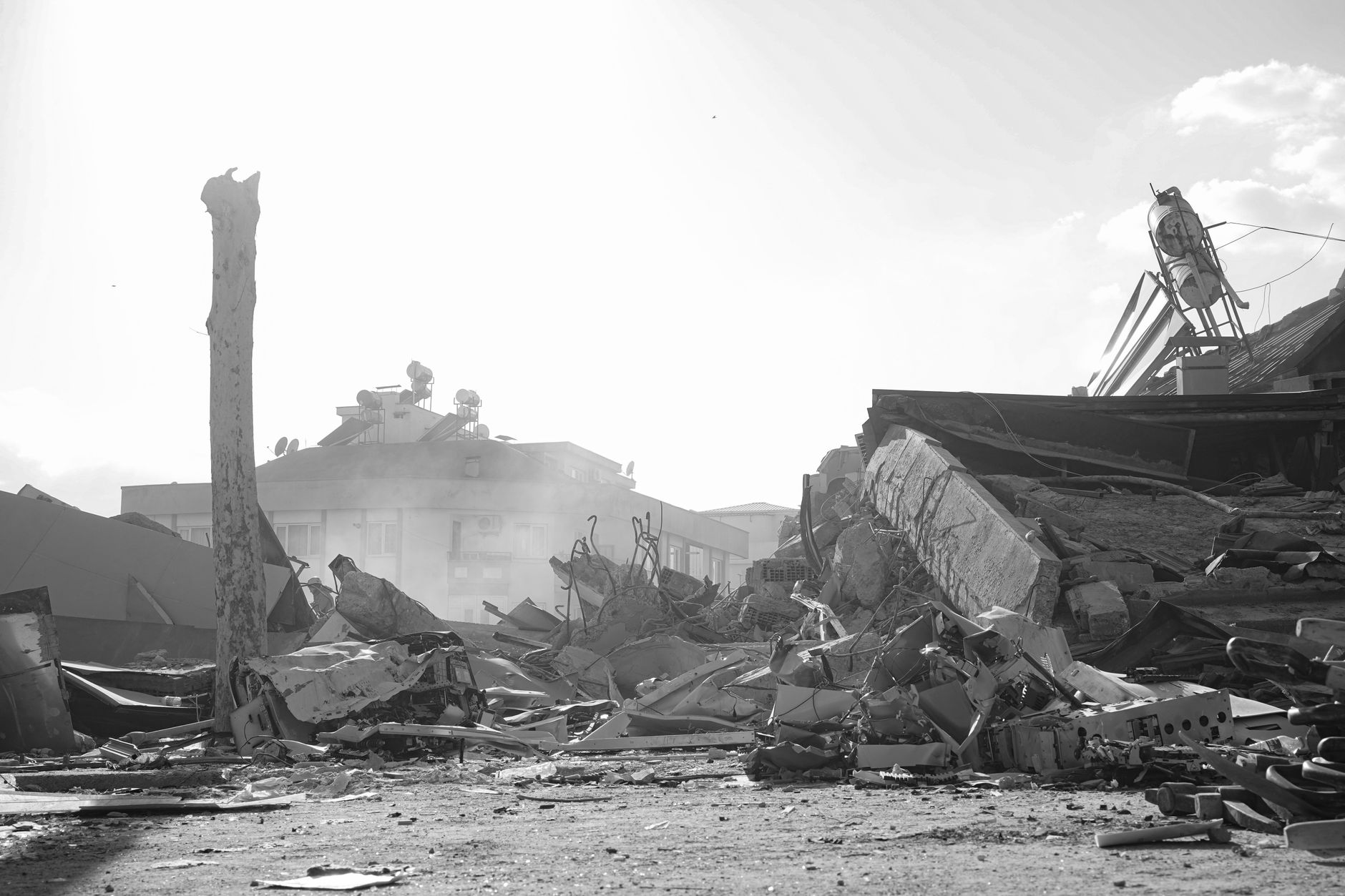
- The most severe impact occurred within a shopping mall, where structural collapses and debris caused the majority of casualties and trapped individuals.
- Emergency services, including search and rescue teams, paramedics, and firefighters, were immediately deployed to the disaster zone to assist victims and secure hazardous areas.
- Authorities have initiated comprehensive damage assessments to evaluate the extent of structural integrity issues in buildings and critical infrastructure.
- Public transportation systems experienced significant disruptions, with train services halted and roads closed, complicating rescue efforts and civilian movement.
- The Japanese government has issued advisories for potential aftershocks, urging residents to remain vigilant and follow safety protocols in the coming days.
The Record
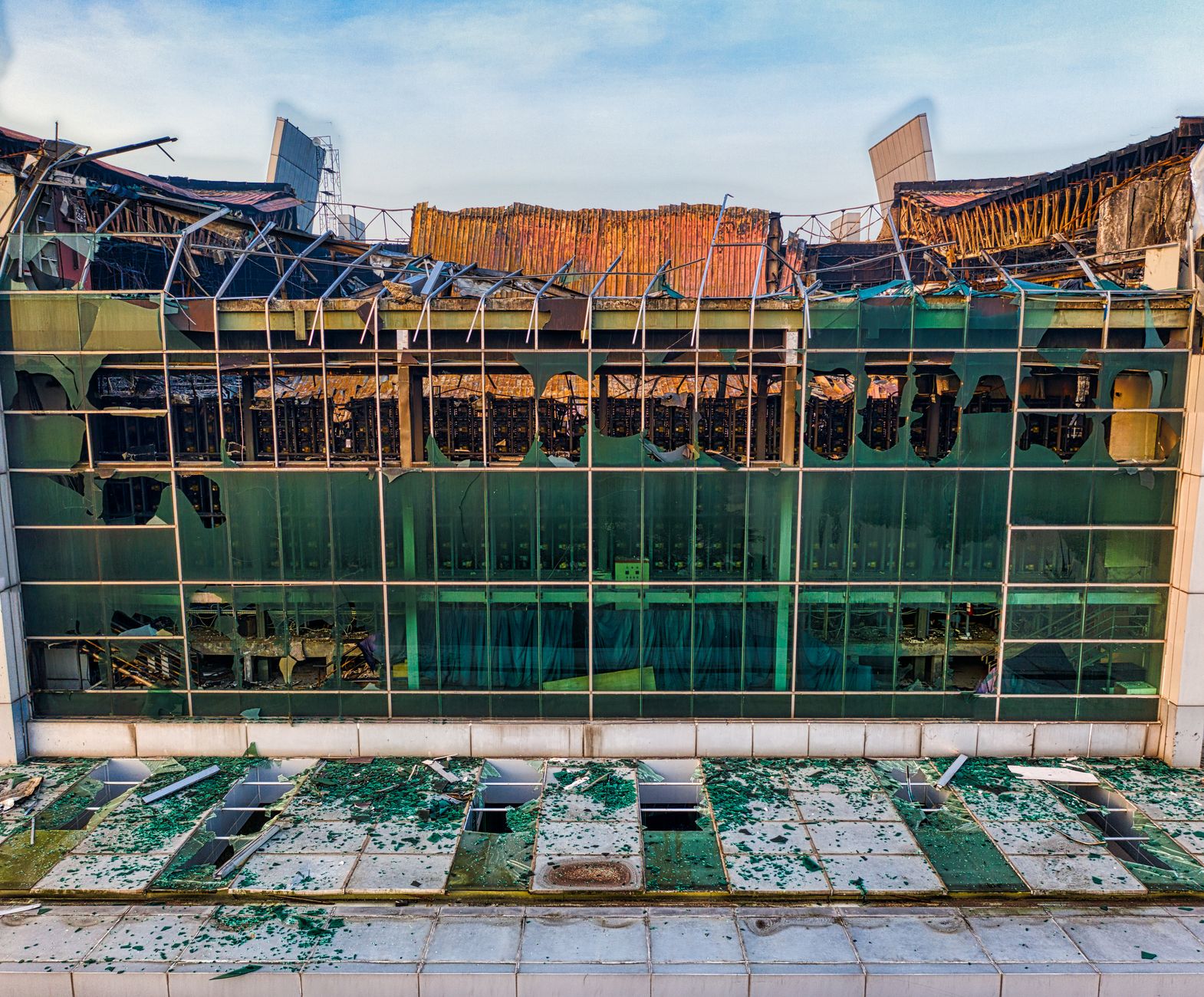
At approximately 2:30 PM local time today, a formidable 6.0 magnitude earthquake violently shook Japan, sending tremors across several prefectures. The seismic event, originating at a relatively shallow depth, amplified its destructive potential, leading to immediate and widespread panic. Initial reports indicated significant structural damage, particularly in urban centers where older buildings and commercial complexes bore the brunt of the shaking. The sheer force of the quake was enough to cause shelves to topple, windows to shatter, and even significant sections of buildings to collapse, creating a chaotic and dangerous environment for residents and visitors alike. This event underscores the constant geological activity in Japan and the ever-present threat of seismic disasters, despite the nation's advanced building codes.
Tragically, the earthquake has claimed at least two lives, with emergency services confirming the fatalities within hours of the initial tremor. The circumstances surrounding these deaths are still being investigated, but early indications suggest they occurred due to structural failures and falling debris inside a heavily affected shopping mall. In addition to the fatalities, over 100 individuals have been reported injured, with a wide spectrum of injuries ranging from minor lacerations and contusions to more severe fractures and head trauma. Hospitals in the affected areas are currently overwhelmed, activating their mass casualty protocols to cope with the sudden influx of patients. The rapid escalation of casualties highlights the critical need for swift and coordinated emergency response efforts to mitigate further loss of life and suffering.
The epicenter of the earthquake was identified in a densely populated region, exacerbating the potential for human impact and infrastructure damage. The immediate aftermath saw widespread power outages, disrupting communication networks and hindering initial assessment efforts. Roads were rendered impassable in many areas due to cracks, landslides, and fallen debris, isolating communities and complicating the deployment of rescue teams. This disruption to critical infrastructure not only impedes immediate relief operations but also poses long-term challenges for recovery and reconstruction. The resilience of Japan's infrastructure will be severely tested in the coming days as authorities work to restore essential services and ensure the safety of its citizens.
Who Knew and When
Japan's sophisticated early warning system, operated by the Japan Meteorological Agency (JMA), provided critical seconds of advance notice before the main seismic waves arrived. This system, which detects the initial, faster-moving P-waves, allowed for automated warnings to be broadcast across television, radio, and mobile phones, giving residents a precious window to take cover. While these few seconds cannot prevent an earthquake, they are invaluable for initiating protective actions such as 'drop, cover, and hold on,' which can significantly reduce injuries and fatalities. The effectiveness of this system is a testament to Japan's proactive approach to disaster preparedness, continuously refining its technology and public awareness campaigns.
Despite the advanced warning system, predicting the exact timing and magnitude of an earthquake remains an elusive scientific challenge. Seismologists continuously monitor tectonic plate movements and seismic activity, but the precise moment of a major rupture is still beyond current predictive capabilities. The region where this earthquake struck is known for its high seismic activity, situated along the Pacific Ring of Fire, making it a constant focus of geological observation. Experts have long warned about the potential for significant quakes in this area, emphasizing the importance of stringent building codes and public readiness, yet the specific event's timing is always a surprise.
Local authorities and emergency services were on high alert immediately after the JMA issued its warning. Protocols for earthquake response are deeply ingrained in Japanese society, with regular drills and public education campaigns ensuring a high level of preparedness. Within minutes of the shaking subsiding, rescue teams were mobilized, and damage assessment units began their work. This rapid deployment, facilitated by pre-established disaster response plans, is crucial in the initial hours following a major event, allowing for swift identification of critical areas and deployment of resources. The immediate activation of these plans undoubtedly saved lives and minimized further chaos, showcasing the robust framework in place.
Voices from the Ground
Eyewitness accounts from inside the shopping mall paint a terrifying picture of the earthquake's immediate impact. "It felt like the whole building was being torn apart," recounted Hiroshi Tanaka, a 45-year-old shopper who narrowly escaped the collapsing ceiling. "There was a deafening roar, then everything just started falling. People were screaming, trying to find their children. It was pure chaos." His voice trembled as he described the frantic scramble for safety amidst dust and debris, a scene of unimaginable terror that will undoubtedly leave lasting psychological scars on those who experienced it. The suddenness and violence of the event left many in a state of shock, struggling to process the rapid shift from a mundane afternoon to a life-threatening disaster.
Outside the mall, residents described the ground shaking violently, making it impossible to stand upright. "I was walking my dog when the tremors started," said Akiko Sato, a 62-year-old local resident. "I thought it was just a small one, but then it got stronger and stronger. The lamp posts were swaying like trees in a storm. I just held onto a wall and prayed." Her account highlights the widespread fear and disorientation experienced by those caught outdoors, where the lack of immediate shelter amplified feelings of vulnerability. The sheer power of the quake was a stark reminder of nature's unpredictable force, leaving many feeling helpless and deeply shaken by the experience.
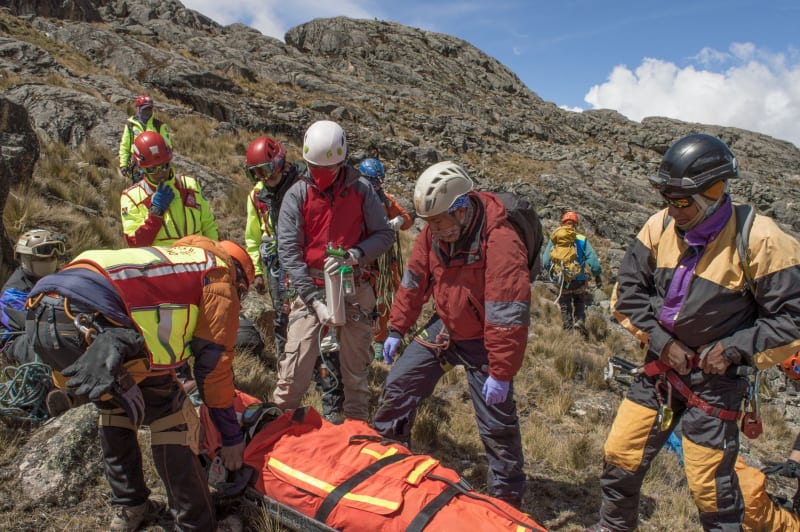
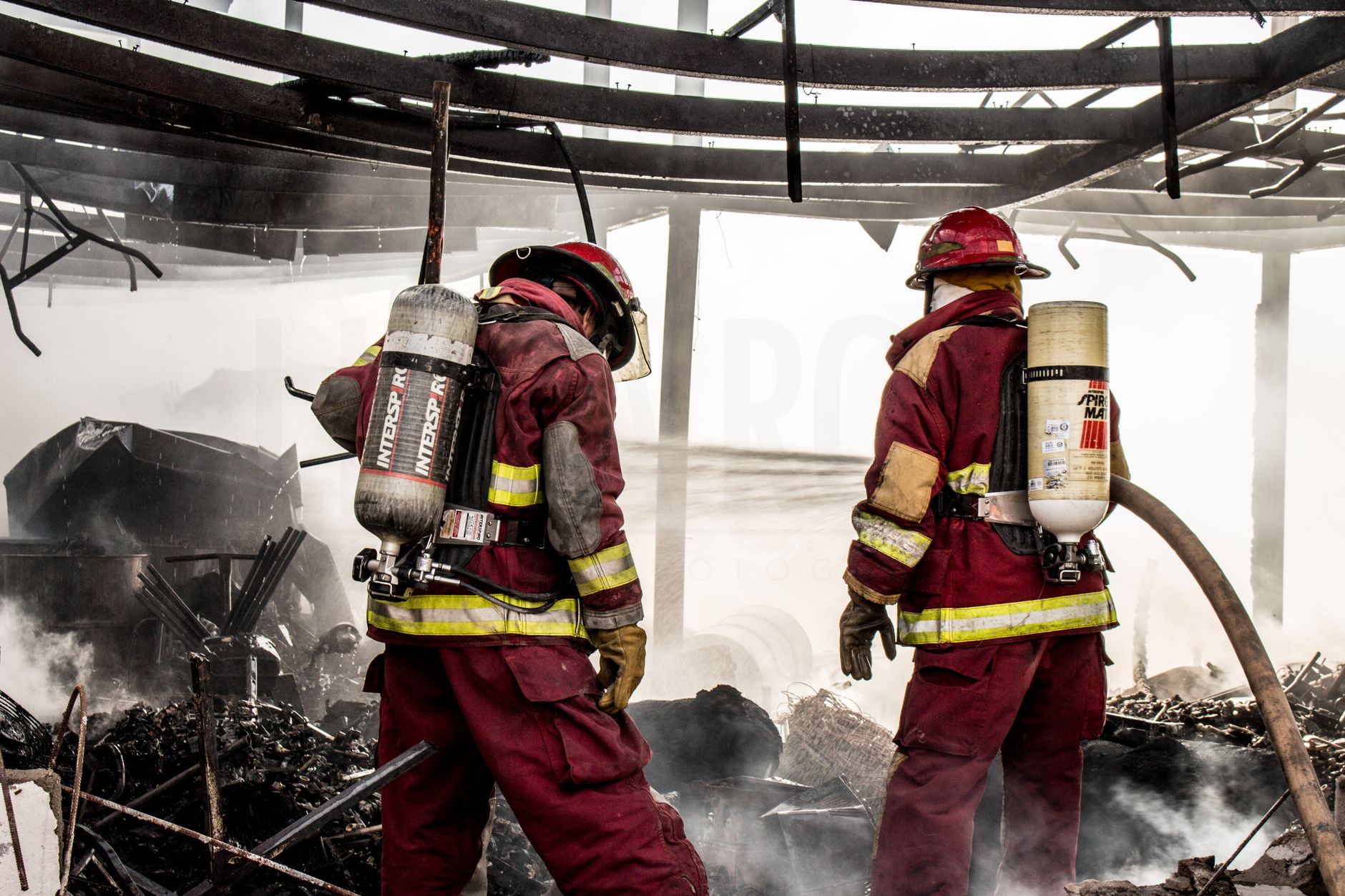
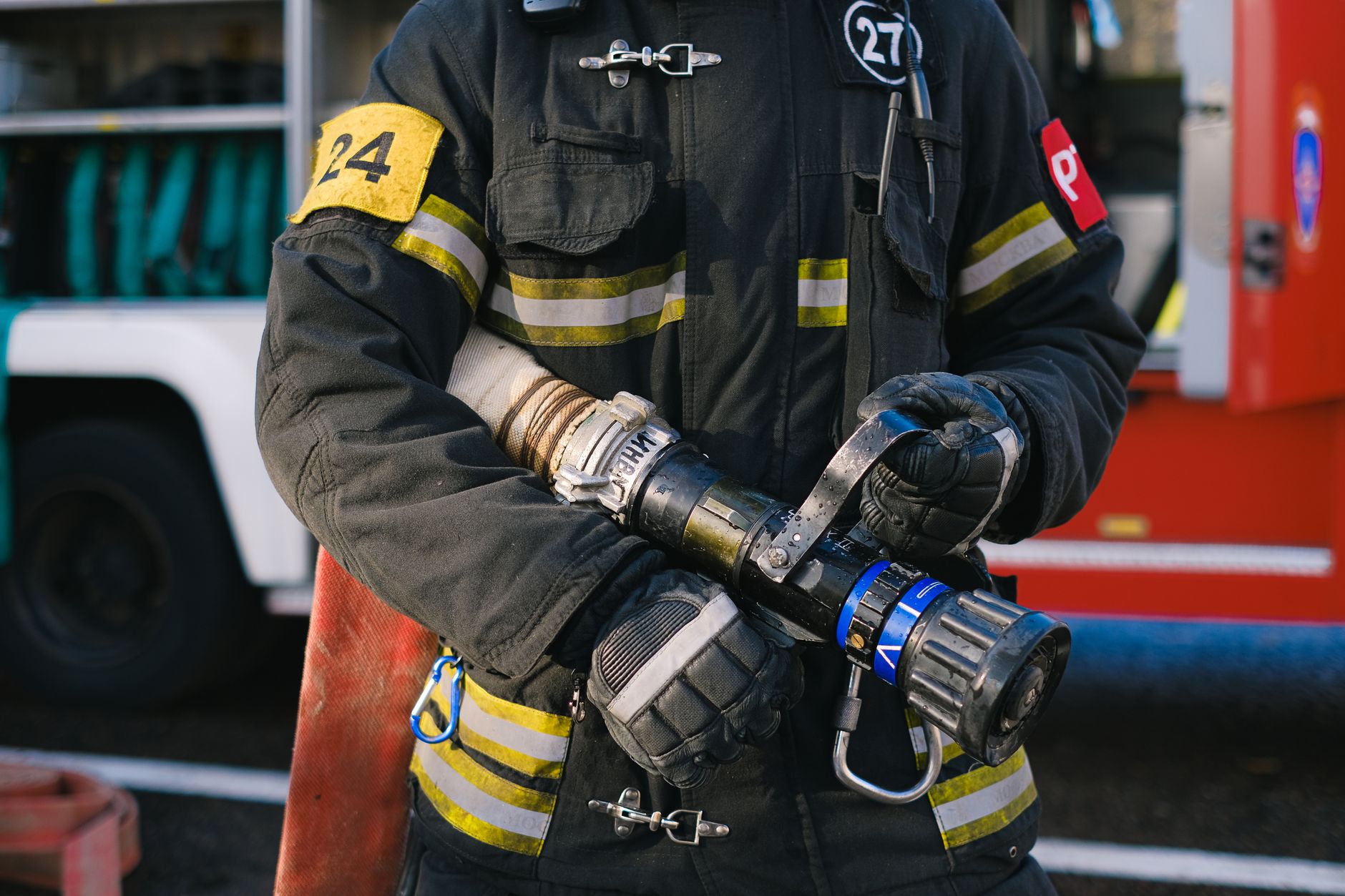
First responders, many of whom are volunteers, shared their harrowing experiences from the front lines of the rescue efforts. "The scene inside the mall was devastating," explained firefighter Kenji Nakamura. "We could hear cries for help from under the rubble. Every second counted. We worked tirelessly, knowing that families were waiting for news of their loved ones." His words underscore the immense pressure and emotional toll on rescue workers, who bravely put their own lives at risk to save others. Their dedication and courage in the face of such destruction are a testament to the human spirit, yet the images and sounds of the disaster will undoubtedly stay with them for a long time.
The Debate
The immediate aftermath of the earthquake has sparked renewed discussions about the efficacy of Japan's stringent building codes, particularly concerning older structures and commercial complexes. While Japan boasts some of the world's most advanced seismic engineering standards, questions are now being raised about whether these standards are uniformly applied or rigorously enforced for all types of buildings, especially those constructed decades ago. Critics argue that while new constructions are robust, a significant number of older buildings, including some public spaces, might not meet the highest current safety benchmarks, potentially putting lives at risk. This debate is crucial for ensuring that all citizens are protected, not just those in the newest developments.
Another focal point of the debate centers on public preparedness and evacuation protocols, especially in high-density areas like shopping malls. While Japan conducts regular earthquake drills, the chaotic scenes reported from the mall suggest that rapid, organized evacuation in a real-time, high-stress scenario remains a significant challenge. Experts are discussing whether current training adequately prepares the public for immediate decision-making during severe shaking, or if more emphasis should be placed on individual resilience and adaptive responses. The effectiveness of emergency exits, signage, and the ability of staff to guide large crowds under duress are all under scrutiny, aiming to refine future disaster response strategies.
The role of technology in disaster mitigation is also being re-evaluated. While the early warning system proved invaluable, some experts are advocating for further investment in real-time structural monitoring systems that can assess building integrity immediately after a quake, providing crucial data for rescue operations and post-disaster assessments. There's also a discussion around enhancing communication infrastructure to ensure resilience during widespread power outages, perhaps through more decentralized or satellite-based systems. These technological advancements, while costly, could significantly improve response times and reduce casualties in future seismic events, pushing the boundaries of what's possible in disaster preparedness.
Your Questions Answered
What Accountability Looks Like
Accountability in the wake of this earthquake will primarily focus on two critical areas: the structural integrity of the affected buildings and the efficiency of the emergency response. For the shopping mall where the fatalities and numerous injuries occurred, a thorough and independent investigation into its construction standards, maintenance history, and adherence to seismic codes is paramount. If any deficiencies or negligence are found, the responsible parties, whether developers, contractors, or regulatory bodies, must be held to account. This includes examining building permits, inspection records, and any previous structural assessments to ensure that all safety protocols were rigorously followed. The public deserves transparency and assurance that such a tragedy will not be repeated due to preventable failures.
Beyond structural issues, the effectiveness of the emergency response system will also be scrutinized. While Japan is lauded for its disaster preparedness, every major event offers valuable lessons for improvement. This includes evaluating the speed of initial deployment, the coordination between various rescue agencies, the adequacy of medical resources, and the clarity of public communication during the crisis. Post-disaster reviews should identify any bottlenecks, communication breakdowns, or areas where response times could be enhanced. Accountability here means not just identifying shortcomings but implementing concrete changes to strengthen future disaster management strategies, ensuring that every life-saving measure is optimized.
Ultimately, accountability extends to the government's role in continually updating and enforcing building codes, investing in resilient infrastructure, and maintaining robust public awareness campaigns. This earthquake serves as a stark reminder that even in a highly prepared nation, vigilance cannot waver. The government must demonstrate its commitment to learning from this event by transparently addressing any systemic weaknesses and allocating necessary resources to prevent similar outcomes in the future. This includes funding for research into earthquake-resistant technologies, supporting affected communities in their recovery, and fostering a culture of continuous improvement in disaster resilience. True accountability means safeguarding the lives and well-being of all citizens against the relentless forces of nature.







Comments
No comments yet. Be the first to comment!