
What We Know
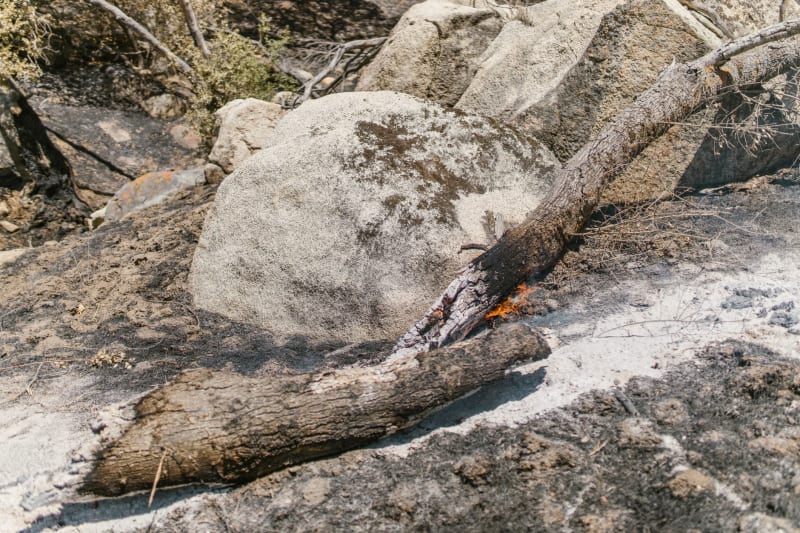
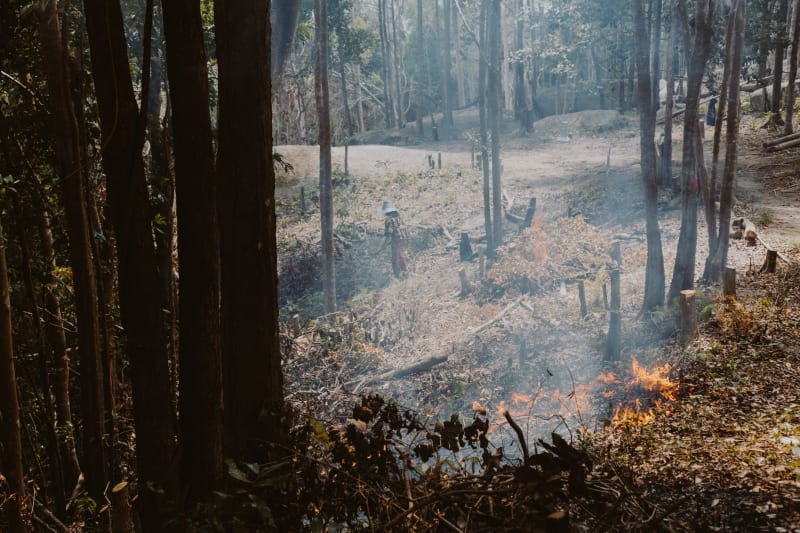
- France and Spain are currently grappling with extensive and rapidly spreading wildfires, particularly in the Gironde region of southwestern France and across several autonomous communities in Spain, posing significant threats to both human life and natural ecosystems.
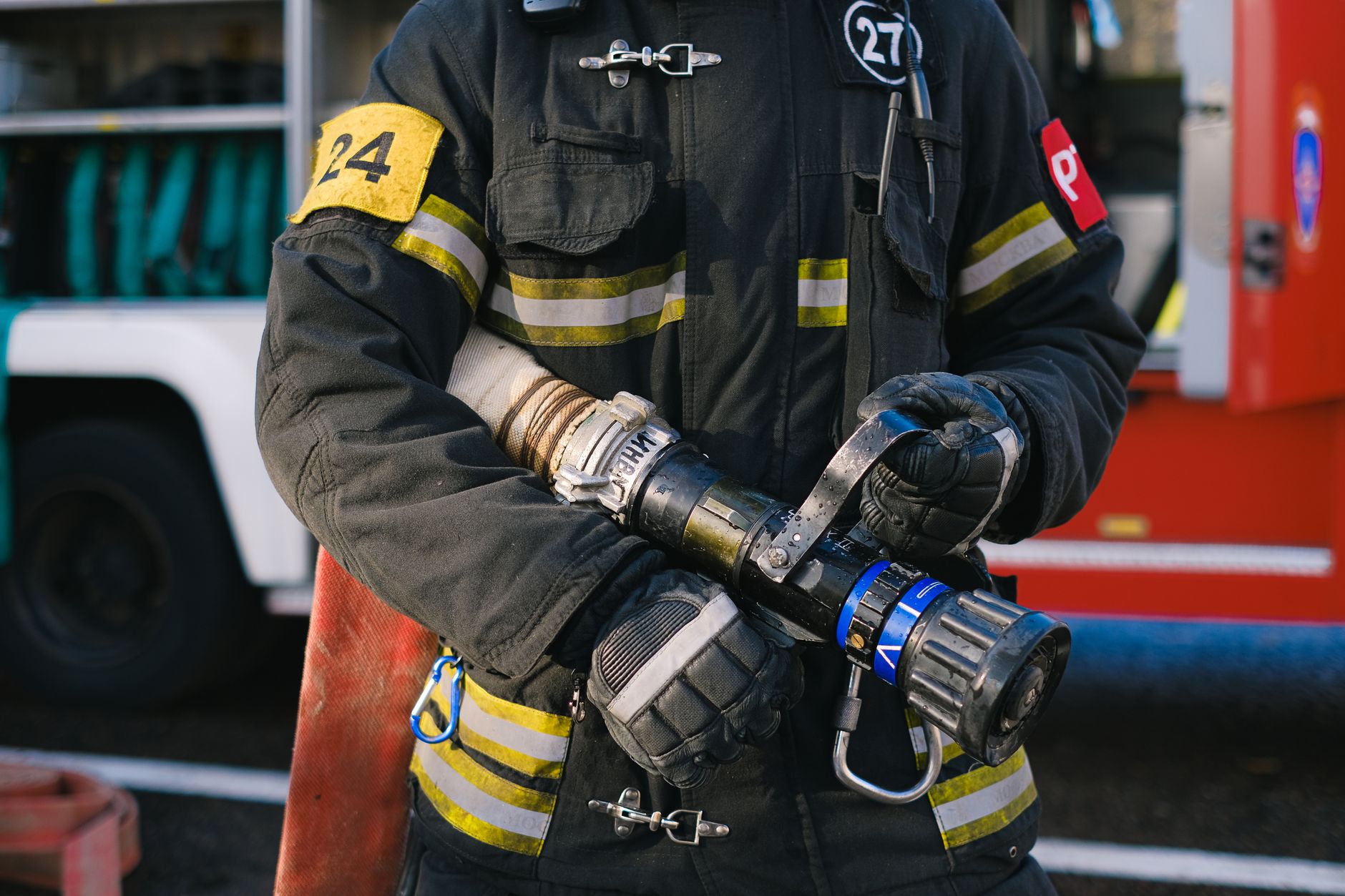
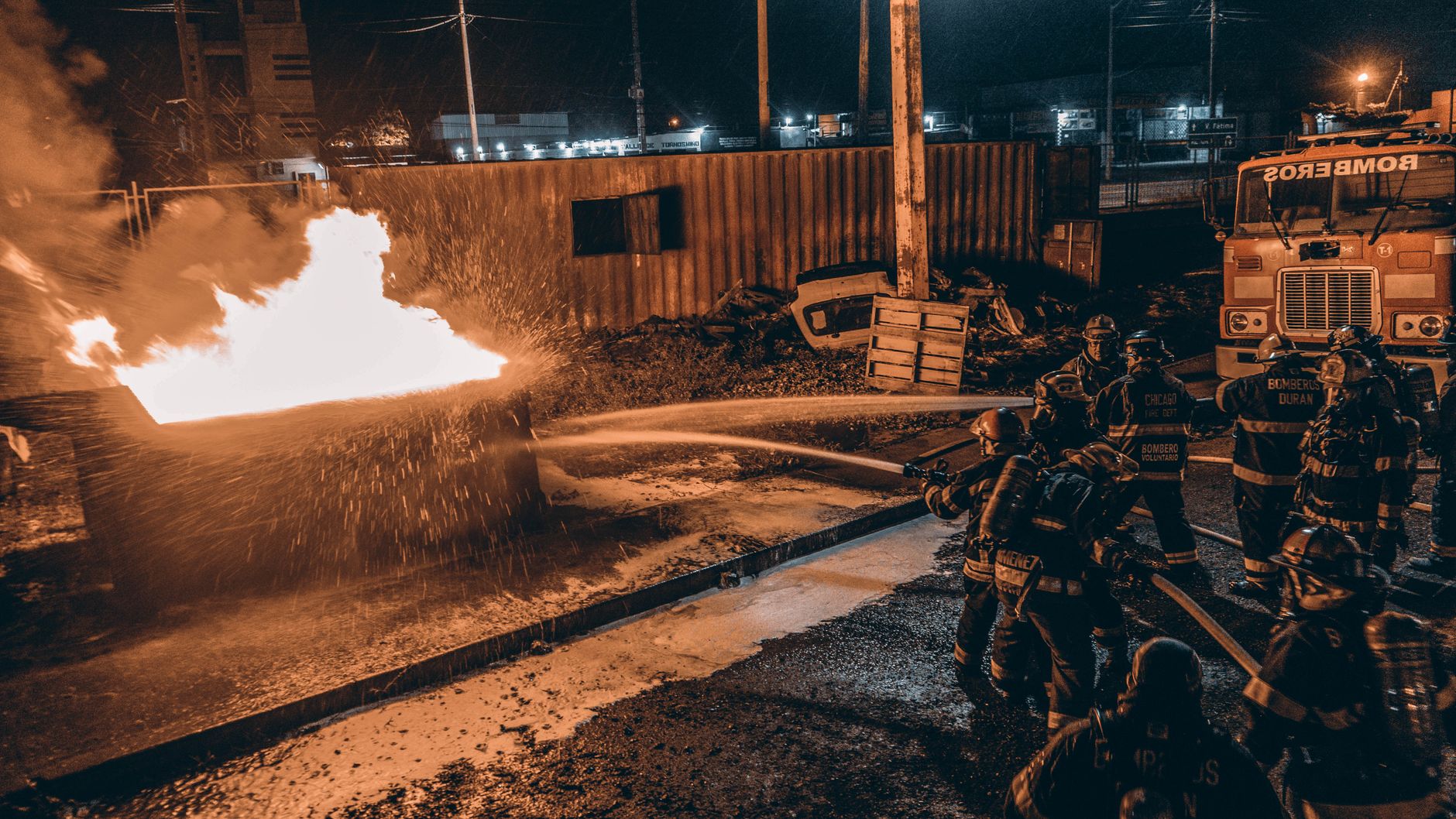
- French authorities have issued dire warnings, stating that 'difficult hours ahead' are expected as firefighters battle the infernos under challenging conditions, including high temperatures, strong winds, and extremely dry vegetation, which are all exacerbating the crisis.
- Thousands of residents have been forced to evacuate their homes in affected areas, with emergency services working tirelessly to ensure public safety and provide temporary shelter, highlighting the immediate and disruptive impact on local communities.
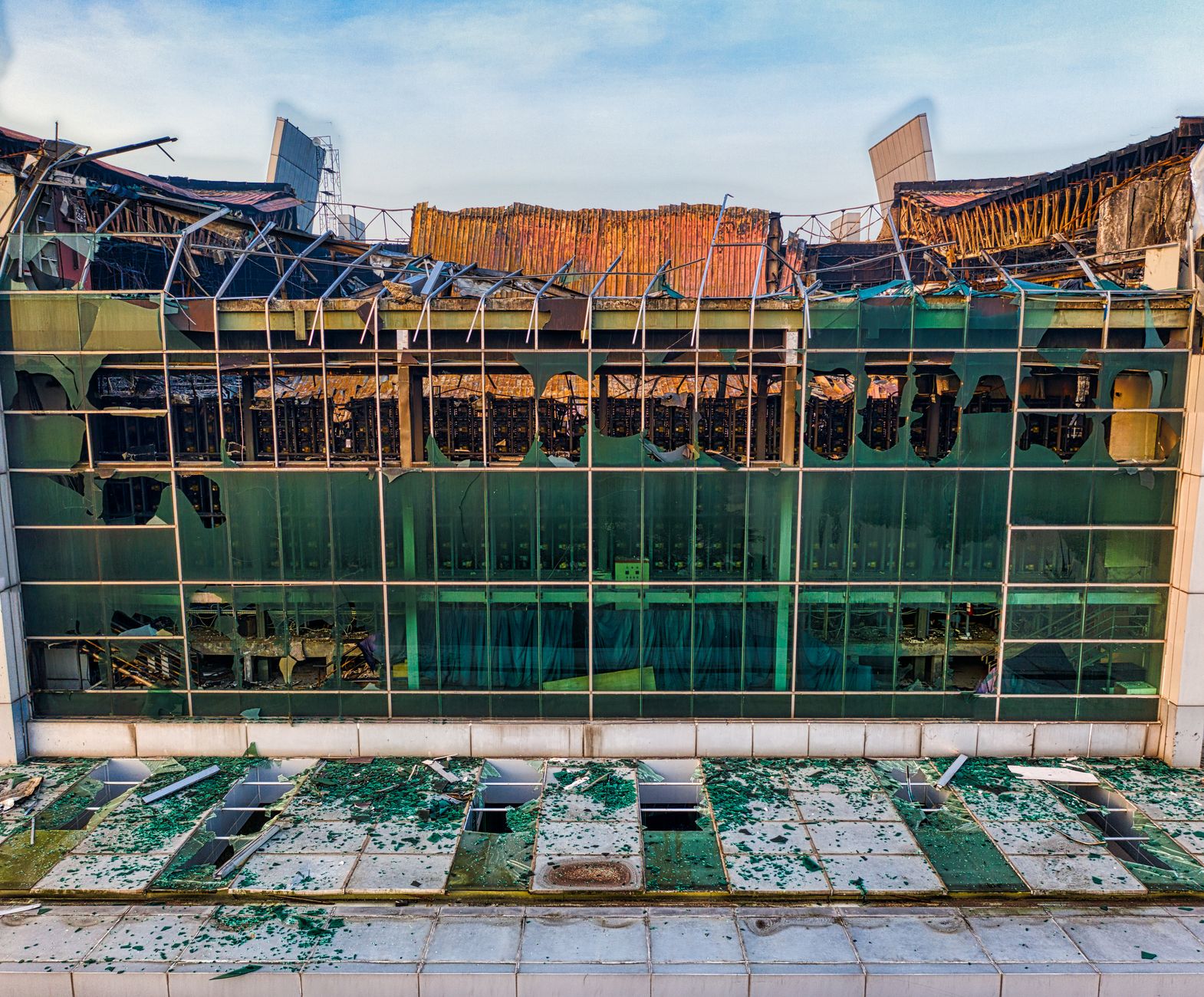
- The sheer scale of the destruction is immense, with tens of thousands of hectares of forest and agricultural land already consumed by the flames, leading to substantial ecological damage and long-term environmental consequences.
- International cooperation is underway, with resources and personnel being deployed from various European countries to assist France and Spain in their arduous fight against these unprecedented blazes, underscoring the regional nature of this environmental catastrophe.
- The fires are largely attributed to a prolonged heatwave and drought conditions gripping Southern Europe, which have created a tinderbox environment, making forests exceptionally vulnerable to ignition and rapid spread, even from minor sparks.
What We Do Not Know Yet
- The precise total economic cost of the wildfires, including damage to infrastructure, agriculture, and tourism, remains largely unquantified, with assessments only beginning as the fires continue to burn and prevent comprehensive evaluation.
- The full extent of long-term environmental damage to biodiversity, soil health, and air quality in the affected regions is still being determined, requiring extensive post-fire ecological studies and monitoring.
- Whether current firefighting strategies and resource allocations will be sufficient to contain all active fronts before significant further damage occurs, especially if weather conditions deteriorate further, is a critical unknown.
- The exact number of properties completely destroyed or severely damaged by the fires is still an evolving figure, as many areas remain inaccessible to assessment teams due to ongoing danger and active fire lines.
- The long-term psychological impact on evacuated residents and frontline emergency personnel, who have endured immense stress and trauma, has not yet been thoroughly assessed or addressed with dedicated support programs.
- The specific effectiveness of preventative measures taken prior to this fire season, and how future climate adaptation strategies might be revised in light of these catastrophic events, is a subject for ongoing analysis and debate.
Background
Southern Europe has long been susceptible to wildfires, particularly during its hot, dry summer months. However, the current fire season in France and Spain stands out for its unprecedented intensity and widespread nature, largely fueled by a confluence of extreme meteorological conditions. A persistent heatwave, pushing temperatures well above seasonal averages, combined with a severe drought that has left vegetation parched and highly combustible, has created a perfect storm for these devastating blazes. This environmental backdrop has transformed once-resilient landscapes into tinderboxes, making even minor sparks capable of igniting massive, fast-moving infernos that are incredibly difficult to control.
The Gironde region in southwestern France, renowned for its pine forests and vineyards, has been particularly hard-hit, experiencing some of the most destructive fires in recent memory. Similarly, vast areas across Spain, from Galicia in the northwest to Andalusia in the south, have been battling multiple fronts, stretching emergency services to their absolute limits. These regions are not only ecologically significant but also vital for local economies, supporting agriculture, forestry, and tourism. The destruction of these natural assets represents a profound loss, not just in terms of immediate economic impact but also for the long-term ecological balance and the livelihoods of countless residents.
While human activity, both accidental and intentional, often serves as the initial spark for many wildfires, the sheer scale and rapid progression of the current fires are undeniably exacerbated by climate change. Scientists have consistently warned that rising global temperatures will lead to more frequent and intense heatwaves, prolonged droughts, and, consequently, an increased risk of extreme wildfires. This current crisis serves as a stark, undeniable manifestation of these predictions, underscoring the urgent need for both immediate response and long-term climate mitigation and adaptation strategies across Europe and globally. The lessons learned from this season will undoubtedly shape future environmental policies and emergency preparedness protocols.
Why It Matters
The escalating wildfire crisis in France and Spain is not merely a localized environmental disaster; it represents a profound threat to human safety, regional economies, and the delicate ecological balance of Europe. Thousands of lives are being directly impacted, with forced evacuations causing immense distress and displacement. The immediate danger to homes and communities is palpable, as residents watch helplessly as their surroundings are consumed by flames. This human cost, encompassing both physical danger and severe psychological trauma, underscores the urgent need for robust emergency response and long-term recovery support for those whose lives have been upended by these infernos.
Beyond the immediate human toll, the economic repercussions are staggering. Vast tracts of valuable agricultural land, including vineyards crucial to France's and Spain's renowned wine industries, are being destroyed. Forestry sectors are suffering immense losses, and the vital tourism industry, particularly in coastal and natural park areas, faces significant disruption and potential long-term damage to its appeal. These economic blows reverberate through local communities, threatening livelihoods and potentially leading to broader regional instability. The cost of firefighting operations alone is astronomical, diverting critical resources that could otherwise be used for public services and development.
Crucially, these wildfires serve as a stark, undeniable warning about the accelerating impacts of climate change. The intensity and frequency of these events are directly linked to rising global temperatures, prolonged heatwaves, and persistent droughts. This crisis demands immediate and sustained action, not just in terms of firefighting and recovery, but also in accelerating efforts to reduce greenhouse gas emissions and implement effective climate adaptation strategies. Ignoring these signals would be catastrophic, as the current situation in France and Spain could become the grim new normal for many regions across the globe, highlighting a critical juncture for environmental policy and global cooperation.
Timeline of Events
- Early July: Initial reports emerge of significant wildfires breaking out in various parts of Spain, particularly in Galicia and Extremadura, fueled by an early and intense heatwave gripping the Iberian Peninsula.
- Mid-July: Fires in France's Gironde region escalate dramatically, leading to the first major evacuations around Landiras and La Teste-de-Buch, as thousands of hectares are rapidly consumed by fast-moving fronts.
- July 15: French authorities describe the situation as 'extremely difficult,' with firefighters battling multiple fronts simultaneously and issuing warnings of 'difficult hours ahead' as weather conditions remain adverse.
- July 17: Spain reports several active fire fronts across multiple regions, with thousands of residents evacuated and emergency services stretched thin, prompting calls for international assistance to bolster firefighting efforts.
- Late July: European Union's Copernicus satellite monitoring system provides updated data showing tens of thousands of hectares burned across both countries, highlighting the unprecedented scale of the destruction this fire season.
- Ongoing: Firefighters from various European nations, including Germany, Greece, and Sweden, deploy to assist French and Spanish crews, demonstrating a critical cross-border effort to combat the relentless blazes and protect communities.
Rapid-Fire Q&A
What Is Coming
- Continued vigilance and intensive firefighting efforts will be required in the coming days and weeks, as weather forecasts indicate persistent high temperatures and dry conditions, which could further fuel existing blazes and spark new ones.
- Authorities will likely face increasing pressure to implement more stringent fire prevention measures and review land management policies in vulnerable regions, given the unprecedented scale and intensity of this fire season.
- Post-fire recovery operations will commence, focusing on assessing the full extent of damage, providing aid to evacuated communities, and initiating long-term ecological restoration projects for the vast areas of burned land.
- Expect heightened public discourse and political debate regarding climate change adaptation and mitigation strategies, as the current crisis serves as a stark reminder of the urgent need for proactive environmental policies.
- There will be a significant focus on rebuilding infrastructure and supporting local economies, particularly the agricultural and tourism sectors, which have suffered substantial losses and face a challenging road to recovery.
- Further international cooperation and resource sharing among European nations are anticipated, as the continent grapples with the growing threat of climate-induced disasters, necessitating a unified and robust response mechanism.






Comments
No comments yet. Be the first to comment!