
Policy Snapshot
- French authorities have activated emergency protocols, deploying significant firefighting resources, including specialized aircraft and ground crews, to combat the rapidly spreading blazes in the Gironde region.
- Spain's regional governments have implemented strict evacuation orders and declared states of emergency in affected areas, prioritizing the safety of residents and tourists amidst the relentless wildfires.
- Both nations are coordinating international aid efforts, with requests for additional aerial support and ground personnel being made to neighboring European Union member states to bolster their firefighting capabilities.
- Preventative measures, such as temporary bans on open fires and restricted access to high-risk forest areas, have been enacted to mitigate further ignition points and protect vulnerable communities.
- Long-term climate adaptation strategies are being discussed at national and regional levels, focusing on forest management, early warning systems, and resilient infrastructure to cope with increasingly frequent extreme weather events.
- Financial aid and support packages are being prepared for affected communities and businesses, aiming to assist with recovery and rebuilding efforts once the immediate threat of the fires subsides.
The Policy History
The current wildfire crisis in France and Spain is unfolding against a backdrop of escalating climate change impacts, particularly the increasing frequency and intensity of heatwaves across Southern Europe. Historically, both countries have experienced seasonal wildfires, but the scale and ferocity witnessed in recent years, exacerbated by prolonged droughts and record-breaking temperatures, are pushing existing emergency response frameworks to their limits. Governments have invested in firefighting infrastructure over decades, but the evolving nature of these mega-fires demands a re-evaluation of these strategies, moving beyond reactive suppression to proactive prevention and adaptation.
In France, forest management policies have traditionally focused on timber production and biodiversity conservation, with fire prevention often integrated but not always prioritized to the extent now required. The devastating fires of 2021 and 2022, particularly in the Mediterranean regions and now the Gironde, have highlighted critical gaps in preparedness, including insufficient clearing of undergrowth and a need for more robust public awareness campaigns. The current administration is under pressure to accelerate the implementation of more aggressive fire prevention measures and to reassess land use policies in high-risk zones.
Spain has a long history of battling wildfires, and its policies have evolved significantly since the devastating fires of the 1980s and 1990s. The country has developed sophisticated aerial firefighting fleets and highly trained ground crews, often considered among the best in Europe. However, rural depopulation has led to less active management of forests, increasing fuel loads, while urban sprawl into wildland-urban interfaces creates more vulnerable areas. The current heatwave, pushing temperatures to unprecedented highs, is testing even Spain's advanced capabilities, underscoring that even the most prepared nations are struggling against the sheer force of climate-driven disasters.
Who Is Affected
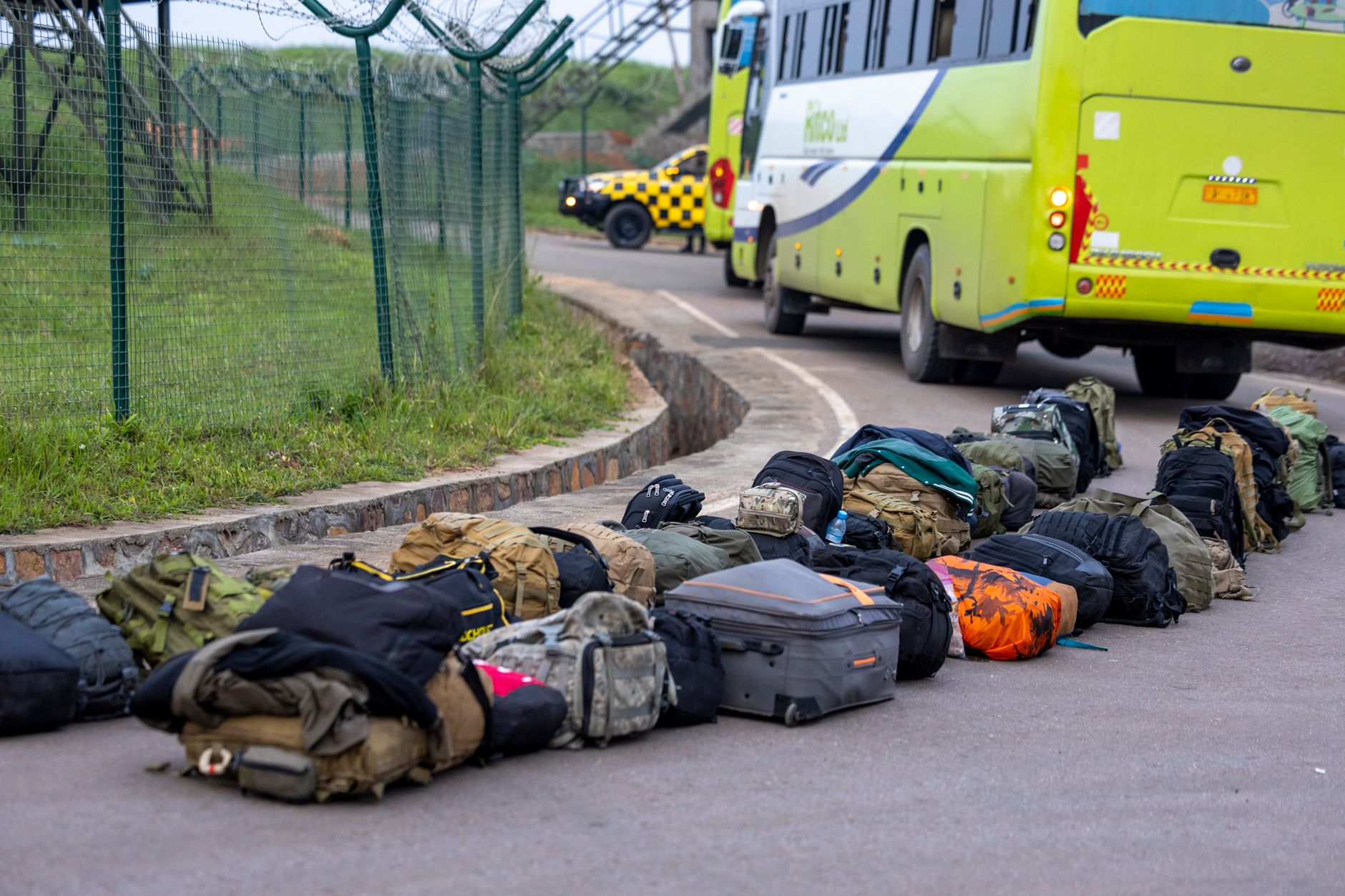
The immediate and most profoundly affected individuals are the residents and tourists caught directly in the path of the wildfires. In the Gironde region of France, nearly 4,000 people, many of whom were enjoying summer holidays at popular campsites and resorts near Bordeaux, have been forced to abandon their belongings and evacuate with little notice. This sudden displacement creates immense stress, uncertainty, and potential financial hardship, as travel plans are disrupted, and homes or holiday accommodations are threatened. Local communities, particularly those reliant on tourism, face significant economic fallout from these forced closures and the widespread perception of danger.
Beyond those directly evacuated, the broader population of both France and Spain is experiencing the pervasive effects of these fires. Air quality has significantly deteriorated in many regions, with smoke plumes traveling hundreds of kilometers, posing health risks, especially for vulnerable populations such as the elderly, children, and individuals with respiratory conditions. The psychological toll on communities witnessing their landscapes burn, and the constant threat of fire, is also substantial. Farmers and agricultural sectors are particularly vulnerable, as crops, livestock, and vital irrigation systems can be destroyed, leading to long-term economic devastation.
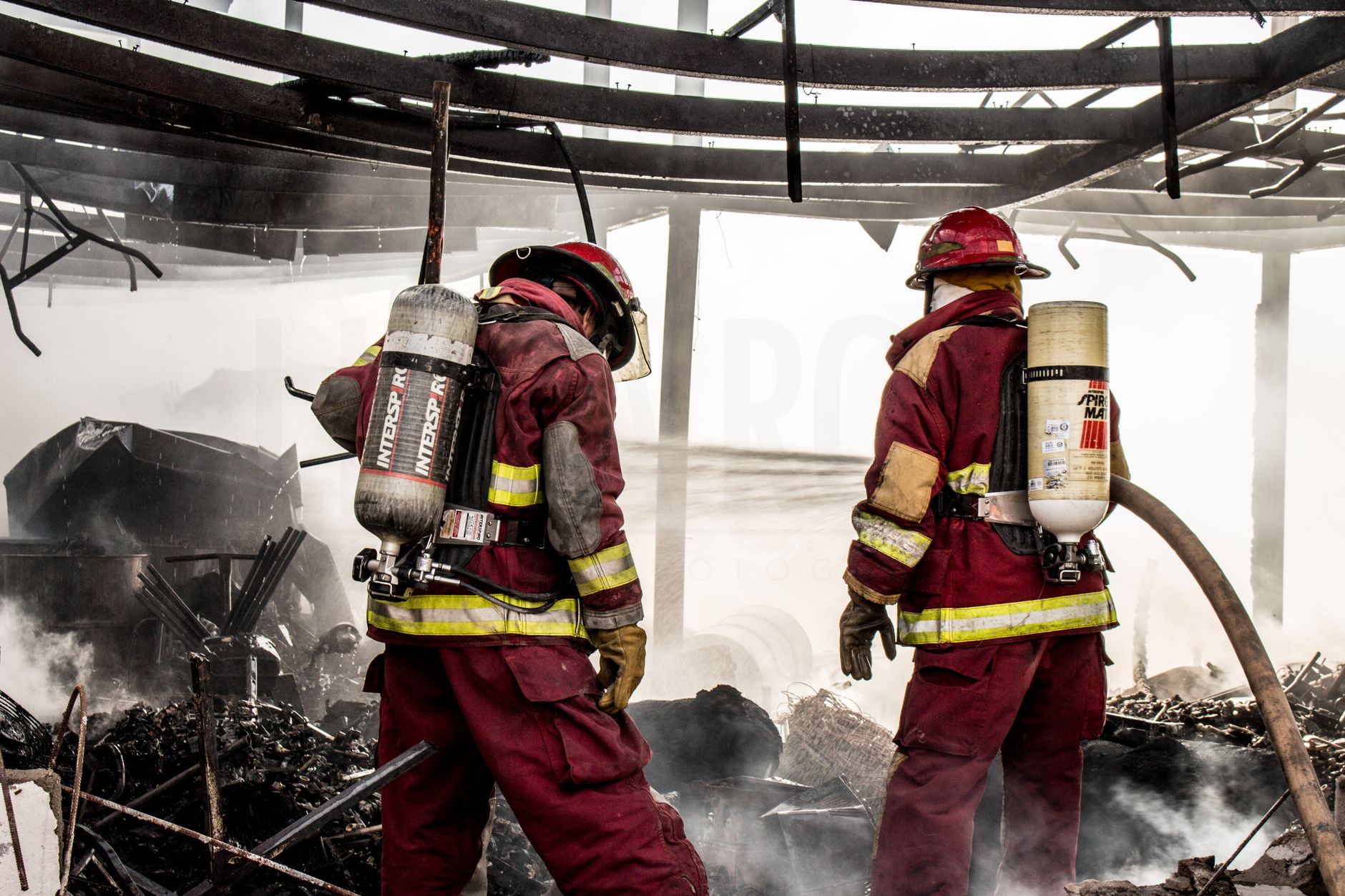
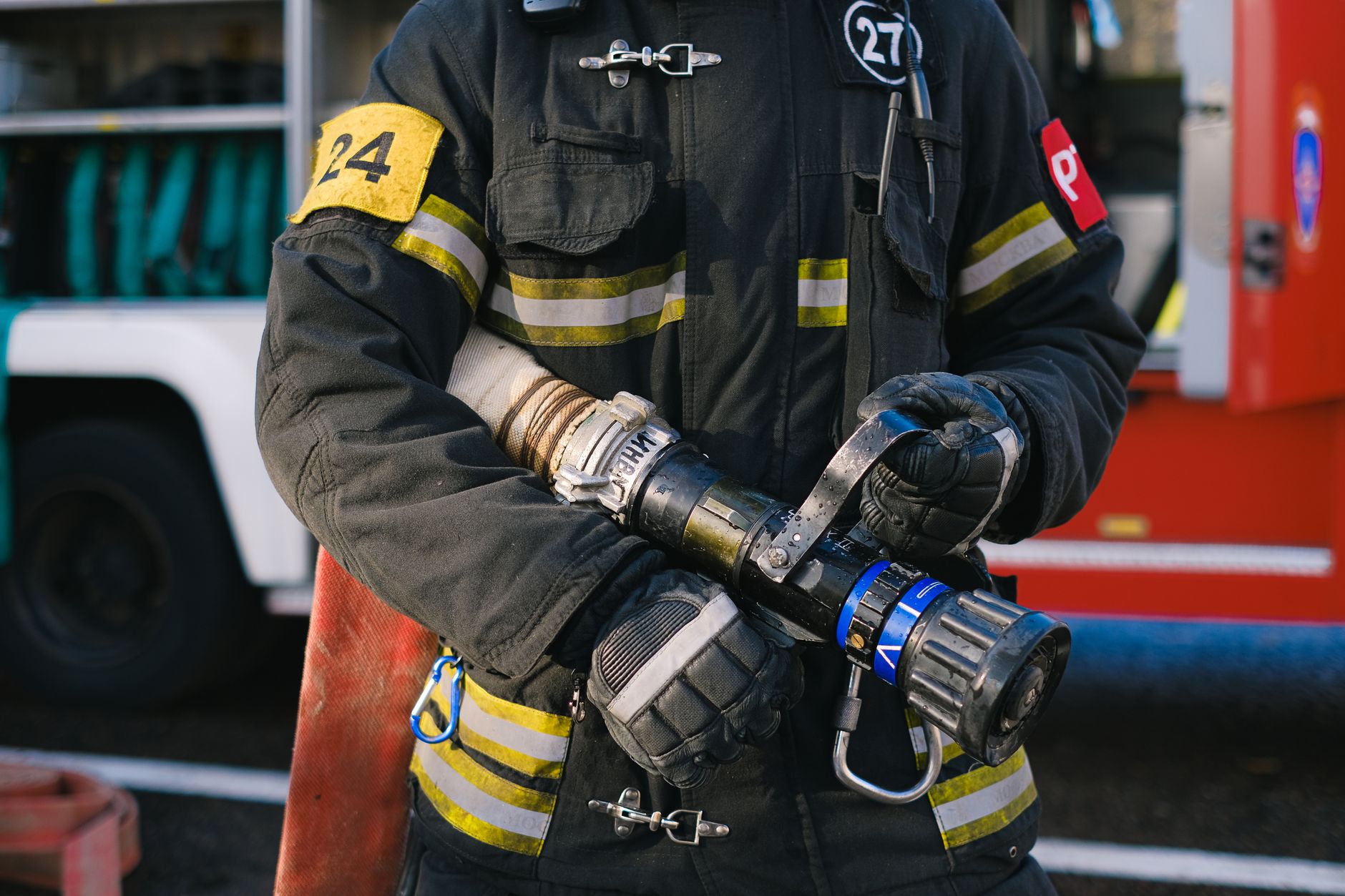
The natural environment itself is a major casualty. Vast tracts of forests, crucial for biodiversity, carbon sequestration, and local ecosystems, are being annihilated. This loss has cascading effects on wildlife habitats, water cycles, and soil stability, increasing the risk of erosion and future ecological imbalances. Firefighters and emergency responders are also deeply affected, working tirelessly in dangerous and exhausting conditions, often putting their own lives at risk to protect others. Their physical and mental well-being is under immense strain as they battle these unprecedented blazes across multiple fronts.
The Case For
The escalating wildfire crisis undeniably strengthens the argument for immediate and aggressive climate action, both locally and globally. Proponents argue that these events are not isolated incidents but clear manifestations of a warming planet, driven by human-induced greenhouse gas emissions. Therefore, investing heavily in renewable energy, transitioning away from fossil fuels, and implementing stricter emissions regulations are not just environmental imperatives but essential strategies for preventing future catastrophic fires and protecting human lives and livelihoods. The economic cost of inaction, as demonstrated by the billions in damages from these fires, far outweighs the cost of proactive climate mitigation.
Furthermore, the current situation underscores the critical need for enhanced international cooperation in disaster response and climate resilience. No single nation can effectively combat these large-scale, transboundary threats alone. Advocates for stronger European Union-level coordination point to the effectiveness of shared resources, such as the EU Civil Protection Mechanism, in deploying specialized aircraft and expert teams across borders. This crisis makes a compelling case for increasing funding for such mechanisms, standardizing emergency protocols, and fostering joint research into fire behavior and prevention technologies to build a more resilient continent.
Finally, the widespread evacuations and destruction highlight the necessity of robust local preparedness and community engagement. This includes not only professional firefighting services but also empowering local populations with knowledge and resources for fire-safe landscaping, early detection, and rapid evacuation procedures. Investing in community-level resilience, improving forest management practices like controlled burns and strategic thinning, and developing resilient infrastructure in wildland-urban interfaces are crucial steps. These measures, while costly, are presented as vital investments in safeguarding lives, property, and the natural environment from the increasing threat of climate-driven infernos.
The Case Against
While the immediate need to combat wildfires is universally acknowledged, some arguments emerge against certain proposed responses, particularly those seen as overly broad or economically disruptive. Critics of rapid, sweeping climate policy changes often contend that such measures can impose significant economic burdens on industries and consumers, potentially hindering economic growth and competitiveness. They might argue that focusing solely on emissions reductions overlooks other crucial factors contributing to wildfires, such as poor forest management practices, arson, or natural lightning strikes, suggesting a more balanced approach is needed that doesn't solely blame climate change for every fire.
Another perspective suggests that an over-reliance on international aid and centralized EU-level responses could dilute national sovereignty and local decision-making power. Some argue that local and regional authorities are best positioned to understand and respond to the unique challenges of their specific landscapes and communities. They might advocate for strengthening national and regional firefighting capabilities and localized prevention strategies, rather than ceding too much control to supranational bodies, which may not fully grasp the nuances of individual regions' needs or have the agility for rapid, context-specific responses.
Furthermore, there can be resistance to certain land management policies, such as mandatory controlled burns or extensive forest thinning, due to environmental concerns, cost, or public perception. While these practices are scientifically proven to reduce fire risk, they can be unpopular with some environmental groups concerned about short-term ecological impact or with landowners reluctant to bear the costs or disruption. The debate often centers on finding the right balance between aggressive fire prevention and other land use objectives, acknowledging that there are often competing interests and valid concerns regarding the implementation of large-scale environmental interventions.

Policy Questions Answered
Implementation Watch
As the immediate crisis unfolds, the focus quickly shifts to the effectiveness of implemented policies and the speed of their execution. Observers will be closely monitoring how swiftly and efficiently emergency funds are allocated and disbursed to affected communities for immediate relief and eventual rebuilding. The coordination between national, regional, and local authorities, as well as international partners, will be under intense scrutiny to ensure a seamless and robust response. Any bottlenecks in resource deployment or communication failures could exacerbate the already dire situation, making transparent and accountable implementation paramount.
Beyond the immediate firefighting efforts, the implementation of long-term prevention and adaptation strategies will be crucial. This includes the enforcement of new or existing forest management regulations, such as mandatory clearing of undergrowth and the creation of firebreaks, particularly in areas bordering residential zones. The effectiveness of public awareness campaigns to educate citizens on fire safety and evacuation procedures will also be a key indicator of policy success. Governments will need to demonstrate a sustained commitment to these measures, moving beyond reactive responses to proactive, climate-resilient planning.
Finally, the recovery phase will offer a critical test of policy implementation. This involves not only rebuilding physical infrastructure but also supporting the economic and social recovery of devastated regions. Watch will be kept on how effectively aid packages reach those who need them most, how quickly tourism and agricultural sectors can rebound, and whether new, more resilient building codes are adopted and enforced. The success of these long-term recovery efforts will ultimately determine the true impact of the current policies and inform future strategies for living with an increasingly fire-prone landscape.










Comments
No comments yet. Be the first to comment!