
Policy Snapshot
- European Union's Copernicus Emergency Management Service provides satellite data and mapping for wildfire monitoring, aiding member states in disaster response and resource allocation across affected regions.
- The EU Civil Protection Mechanism facilitates coordinated assistance, allowing member states to request and offer aid, including firefighting aircraft and ground crews, to countries overwhelmed by natural disasters like these extensive wildfires.
- Greece has implemented stricter penalties for arson, recognizing that human activity, whether intentional or accidental, frequently contributes to the ignition of devastating wildfires, alongside natural causes.
- France has intensified its national wildfire prevention strategies, focusing on controlled burns, forest management, and public awareness campaigns to mitigate the risk of large-scale blazes in its vulnerable regions.
- Both Greece and France are investing in advanced early warning systems and improved communication networks to ensure rapid detection and response, crucial for containing fires before they escalate into uncontrollable infernos.
- There's a growing push for enhanced cross-border cooperation and shared resource pooling within the Mediterranean basin, aiming to create a more resilient and unified front against the increasing threat of climate-driven wildfires.
The Policy History
The Mediterranean region has historically been prone to wildfires, but the intensity and frequency have dramatically increased in recent decades, largely attributed to climate change. This escalation has forced European nations to re-evaluate and significantly bolster their wildfire management policies. Early policies often focused on reactive suppression, deploying firefighters and aircraft once a blaze had already taken hold. However, the sheer scale of recent fires has highlighted the inadequacy of this approach, necessitating a shift towards proactive prevention and international cooperation.
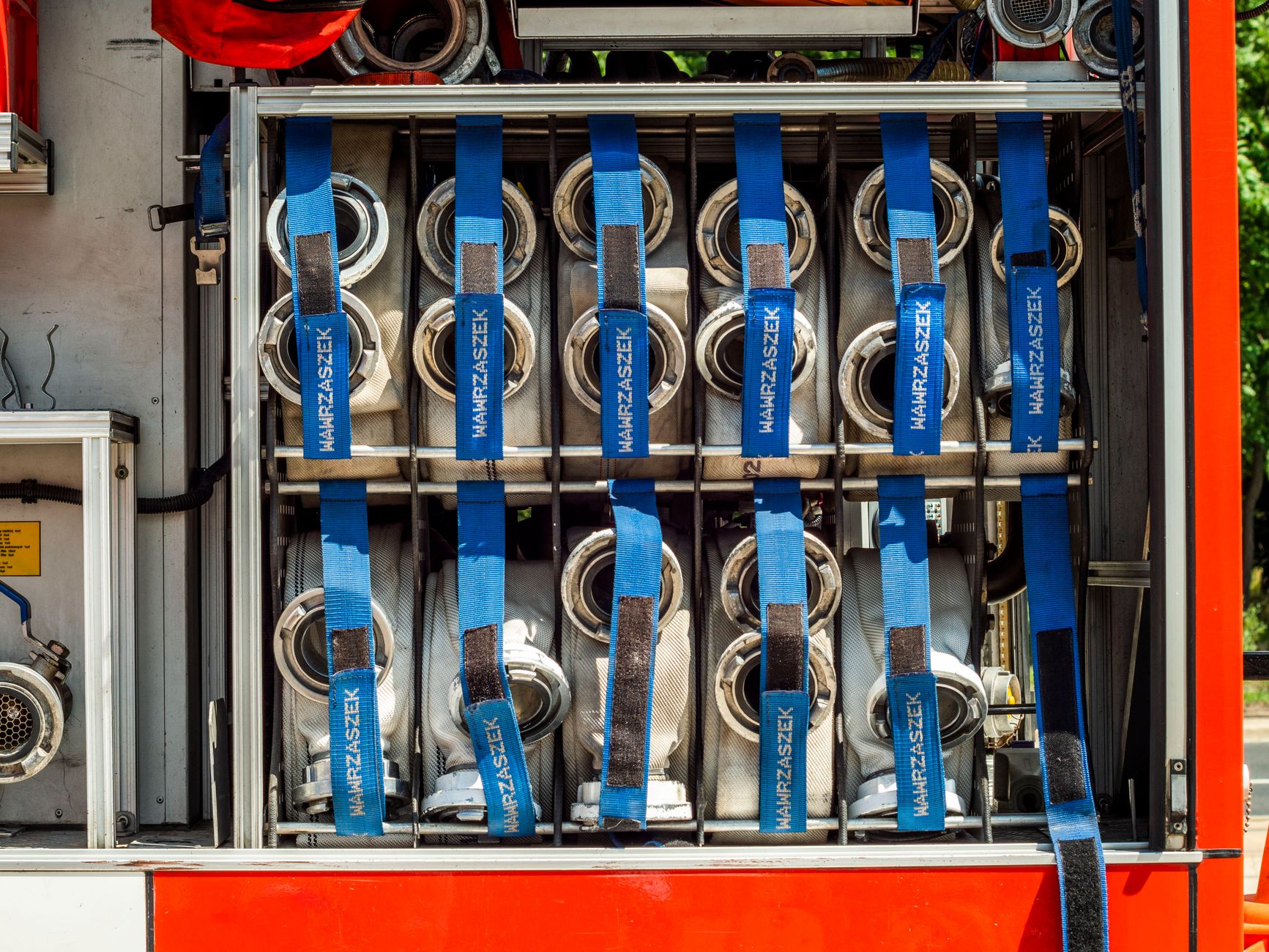
Following particularly devastating fire seasons in the early 2000s, the European Union began to formalize mechanisms for mutual assistance. The establishment of the EU Civil Protection Mechanism was a pivotal step, creating a framework for member states to share resources and expertise during emergencies. This mechanism has evolved, now including a dedicated fleet of firefighting aircraft, known as RescEU, which can be deployed to the most critical hotspots. These policy shifts reflect a growing recognition that wildfires are not merely national problems but a transnational threat requiring a unified European response.
National policies have also undergone significant transformations. Countries like Greece and France, which bear the brunt of these fires, have invested heavily in modernizing their firefighting fleets, improving forest management practices, and implementing stricter building codes in fire-prone areas. There's also an increasing emphasis on public education and awareness campaigns to prevent human-caused ignitions, which remain a major factor in many outbreaks. Despite these advancements, the relentless march of climate change continues to challenge even the most robust policy frameworks, pushing them to their absolute limits.
Who Is Affected
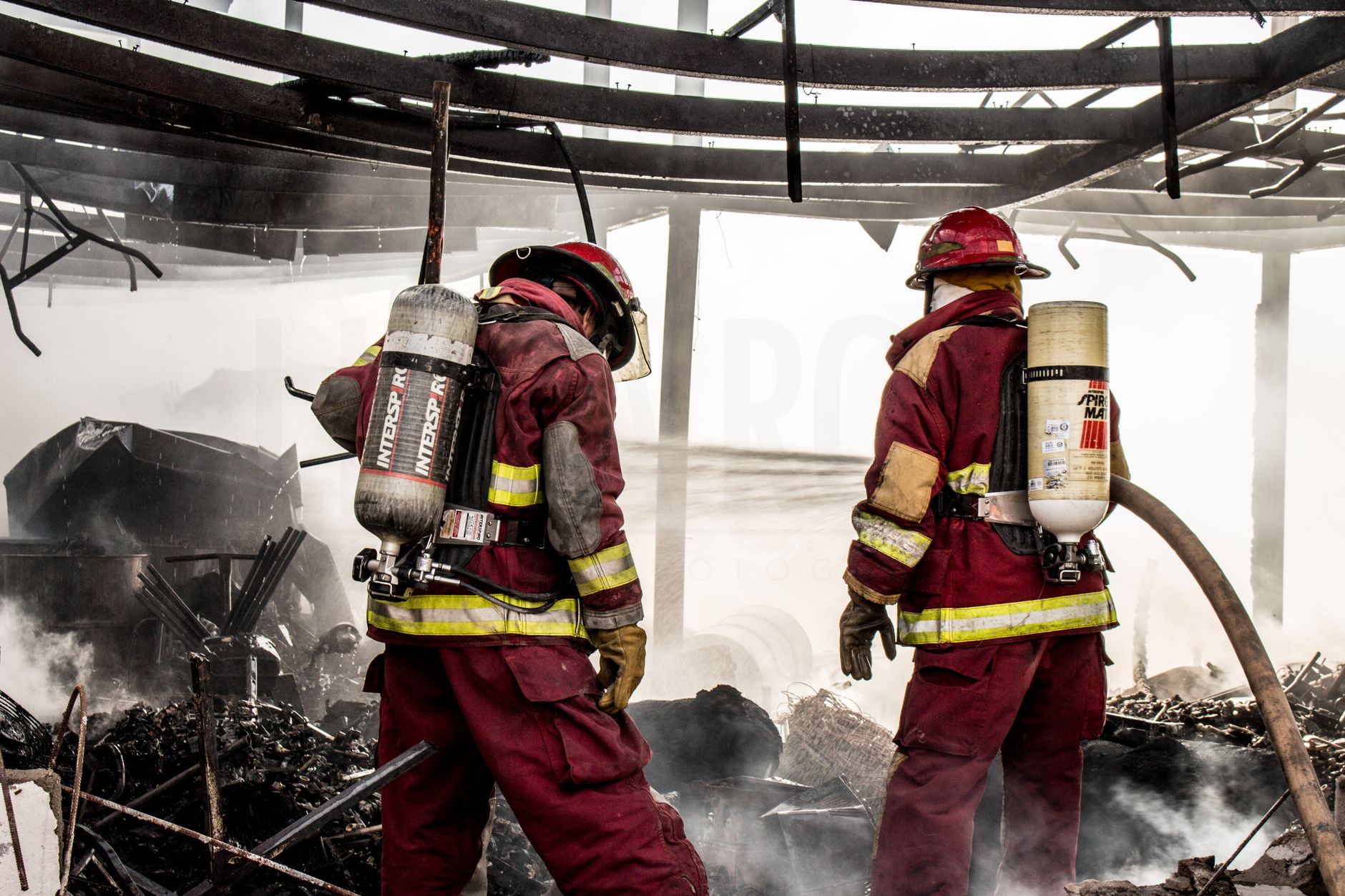
The most immediate and tragically affected are the brave firefighters and emergency responders who risk their lives to combat these infernos. The recent deaths of two Greek firefighters underscore the extreme dangers inherent in their profession, where they confront unpredictable flames, suffocating smoke, and treacherous terrain. These individuals, often volunteers, are the front line of defense, bearing the physical and psychological scars of these relentless battles. Their families, too, endure immense anxiety and, in the worst cases, profound loss, highlighting the human cost of these escalating environmental disasters.
Local communities in affected regions face devastating losses, often seeing their homes, livelihoods, and entire landscapes reduced to ash. Thousands are forced to evacuate, leaving behind everything they own, sometimes with mere minutes' notice. The economic impact is profound, affecting tourism, agriculture, and local businesses, which can take years, if not decades, to recover. Beyond the immediate destruction, the long-term health consequences from smoke inhalation and the psychological trauma of displacement and loss can linger for years, creating a ripple effect through generations.
The environmental impact is equally catastrophic. Wildfires decimate biodiversity, destroy critical habitats, and release vast quantities of carbon dioxide into the atmosphere, exacerbating climate change in a vicious feedback loop. The soil degrades, increasing the risk of erosion and landslides in subsequent rainfall events. Furthermore, the smoke plumes from these massive fires can travel hundreds of kilometers, affecting air quality and public health in distant urban centers, demonstrating that the reach of these disasters extends far beyond the immediate burn zones, impacting everyone.
The Case For
The urgent need for enhanced wildfire preparedness and response mechanisms is undeniable. Proponents argue that investing in more sophisticated firefighting equipment, advanced satellite monitoring, and robust early warning systems is not merely an expenditure but a critical safeguard for human lives, property, and invaluable natural resources. The cost of prevention, including proactive forest management like controlled burns and creating firebreaks, is significantly less than the astronomical costs associated with battling massive, uncontrolled blazes and the subsequent recovery efforts. This proactive approach saves both lives and taxpayer money in the long run.
Advocates for stronger climate action emphasize that addressing the root causes of increased wildfire intensity is paramount. This includes accelerating the transition to renewable energy, reducing greenhouse gas emissions, and implementing policies that promote sustainable land use. While immediate firefighting efforts are crucial, they are ultimately reactive. A comprehensive strategy must tackle the underlying climatic shifts that create hotter, drier conditions, turning once manageable fires into uncontrollable infernos. Without this broader climate focus, even the most advanced firefighting capabilities will be perpetually overwhelmed.
Furthermore, strengthening international cooperation and resource sharing through mechanisms like the EU Civil Protection Mechanism is essential. Wildfires do not respect national borders, and a coordinated European response ensures that aid can be swiftly deployed to the most critical areas, maximizing efficiency and impact. This collaborative approach fosters solidarity among member states and builds a more resilient continent capable of facing collective threats. Pooling resources, expertise, and equipment allows for a more effective and adaptable response to these increasingly frequent and severe environmental crises.
The Case Against
While the necessity of wildfire response is universally acknowledged, some arguments emerge concerning the allocation of resources and the effectiveness of certain strategies. Critics sometimes point to the immense financial burden of maintaining vast firefighting fleets and personnel, questioning whether the current investment levels are sustainable, especially for countries facing economic challenges. They suggest that a disproportionate focus on aerial suppression might divert funds from equally crucial ground-based prevention and forest management programs, which could offer more long-term, cost-effective solutions to mitigate fire risk.
Another perspective suggests that over-reliance on technological solutions, such as advanced satellite monitoring and AI-driven prediction models, might inadvertently create a false sense of security. While these tools are invaluable, they are not infallible and cannot replace human vigilance, local knowledge, and on-the-ground presence. There's a concern that a 'tech-first' approach could lead to a neglect of traditional, community-based fire prevention methods and a reduced emphasis on public engagement in fire-prone areas, where local residents often provide the earliest detection and initial response.
Some environmental groups and land management experts occasionally raise concerns about certain forest management practices, such as aggressive logging or extensive clear-cutting, when presented as wildfire prevention. They argue that such practices can sometimes disrupt delicate ecosystems, reduce biodiversity, and potentially even increase fire risk in certain conditions by altering forest structure and microclimates. The debate often centers on finding a balance between reducing fuel loads and maintaining ecological integrity, ensuring that prevention strategies do not inadvertently cause more harm than good to the natural environment.
Policy Questions Answered
Implementation Watch
Monitoring the effective implementation of new wildfire policies is a critical challenge. While legislative frameworks and funding commitments are established, the actual impact hinges on their execution at local and regional levels. This involves ensuring that allocated funds are efficiently utilized for equipment upgrades, personnel training, and forest management projects. Bureaucratic hurdles, coordination complexities between different agencies, and the sheer scale of the problem often slow down the pace of implementation, leading to gaps in preparedness that become painfully apparent during major fire outbreaks.
A key area of focus for implementation watch is the integration of advanced technologies. The deployment of AI-powered detection systems, drone surveillance, and real-time data analytics promises to revolutionize wildfire response. However, the successful integration of these tools requires significant investment in infrastructure, skilled operators, and seamless interoperability between various national and international systems. Without proper training and consistent maintenance, even the most cutting-edge technology can fail to deliver its full potential, leaving communities vulnerable.
Furthermore, the effectiveness of prevention policies, such as controlled burns and firebreak maintenance, relies heavily on consistent execution and public acceptance. These measures often face resistance due to concerns about air quality, ecological impact, or simply a lack of understanding. Successful implementation requires ongoing public engagement, clear communication from authorities, and adaptive management strategies that consider local ecological conditions and community needs. Without this sustained effort and buy-in, even well-intentioned policies risk becoming ineffective or even counterproductive in the face of escalating fire threats.










Comments
No comments yet. Be the first to comment!