
The Numbers
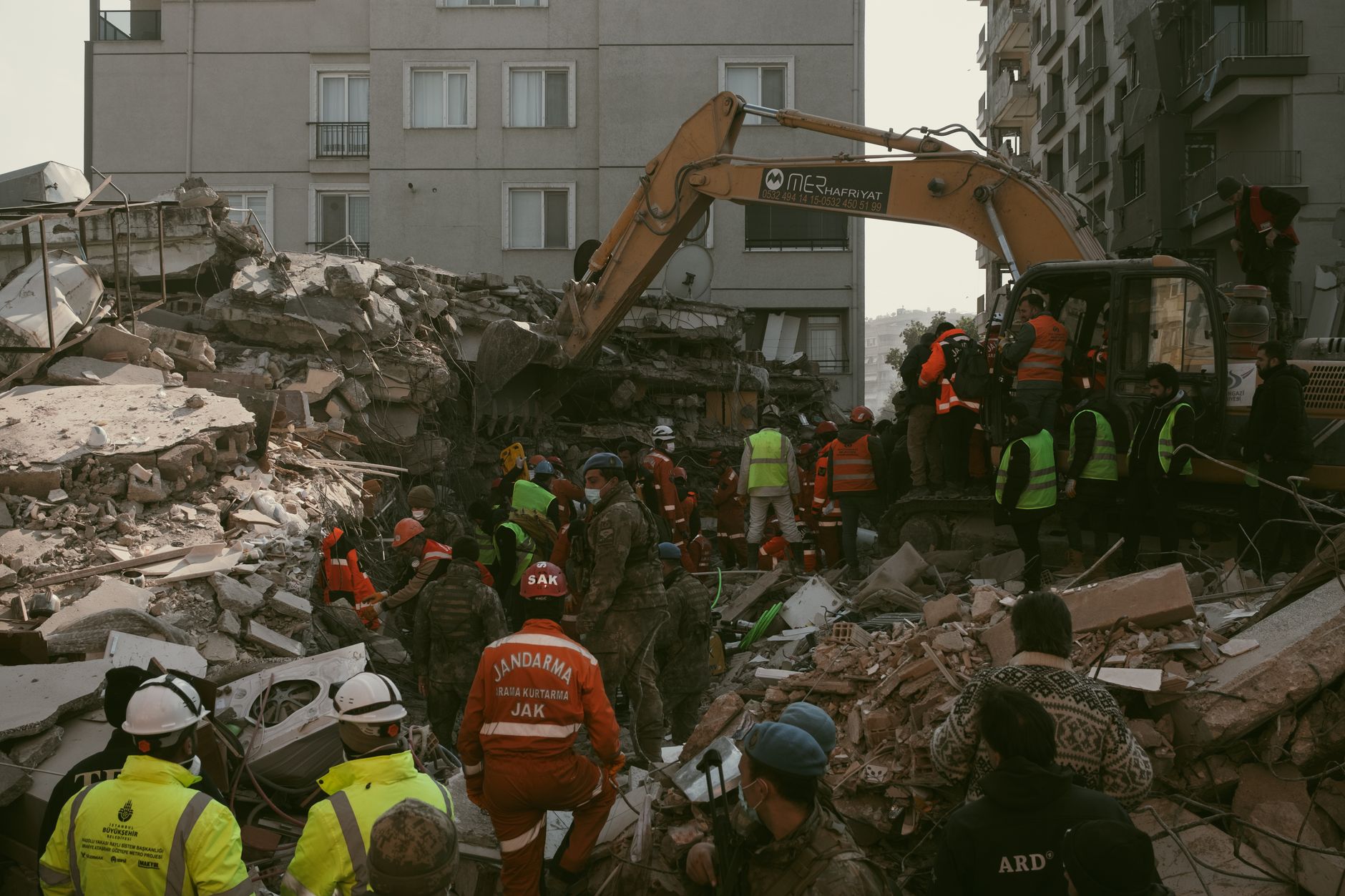
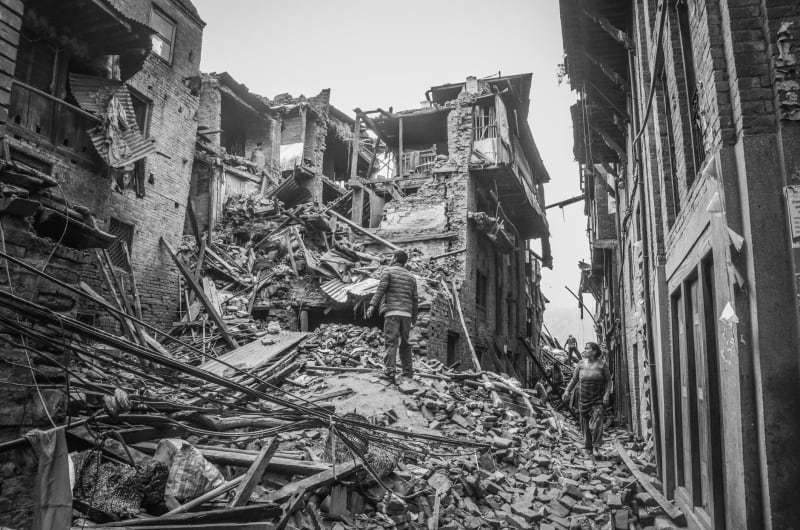
- The confirmed death toll from the devastating New Year's Day earthquake has tragically escalated to 23, with authorities warning that this number is likely to rise significantly as search and rescue operations continue in hard-hit areas.
- Over 100,000 residents across the affected Ishikawa prefecture were immediately ordered to evacuate their homes, highlighting the widespread nature of the immediate threat and the critical need for safe shelter.
- More than 50,000 individuals have been forced to seek refuge in emergency shelters, underscoring the massive displacement caused by the quake and the urgent requirement for humanitarian assistance.
- Approximately 33,000 households in Ishikawa prefecture are currently without power, plunging communities into darkness and severely hindering recovery efforts and daily life for tens of thousands.
- Crucial roads and infrastructure leading to the Noto Peninsula have been severely damaged or completely destroyed, creating immense logistical challenges for aid delivery and emergency response teams trying to reach isolated communities.
- The initial 7.6 magnitude earthquake triggered a series of powerful aftershocks, some exceeding magnitude 5.0, which continue to pose an ongoing threat to already compromised structures and the safety of rescue workers and residents.
Context Check
Japan is a nation highly susceptible to seismic activity, situated on the Pacific Ring of Fire, a horseshoe-shaped belt of volcanoes and seismic fault lines that encircles the Pacific Ocean. This geological reality means the country experiences a significant number of earthquakes annually, making it one of the most earthquake-prone regions globally. While Japan has some of the most advanced building codes and disaster preparedness systems in the world, the sheer force and shallow depth of the recent 7.6 magnitude quake, coupled with its proximity to densely populated areas, have overwhelmed even these robust defenses.
The Noto Peninsula, specifically, is characterized by its rugged terrain and a mix of traditional wooden structures and modern buildings. Many of the older homes, while culturally significant, may not have been fully retrofitted to withstand such extreme seismic forces, contributing to the extensive structural damage observed. The region's geography, with its winding coastal roads and mountainous interior, also presents unique challenges for emergency response, as landslides and road collapses can easily cut off communities, isolating them from vital aid and communication. This vulnerability is a critical factor in the escalating crisis.
The timing of this disaster on New Year's Day, a major national holiday, further complicated initial response efforts. Many public services operate on reduced staffing, and emergency personnel may have been off-duty, potentially delaying the full mobilization of resources. Moreover, the emotional toll on a population celebrating a new year, only to be plunged into chaos and tragedy, is immense. The immediate aftermath saw widespread power outages, communication disruptions, and the collapse of essential infrastructure, all exacerbating the initial shock and hindering the rapid assessment of damage and coordination of rescue operations across the affected prefectures.
Background
On January 1, 2024, a powerful 7.6 magnitude earthquake struck the Noto Peninsula in Ishikawa prefecture, western Japan, at approximately 4:10 PM local time. The shallow depth of the tremor, estimated at just 10 kilometers (6 miles), significantly amplified its destructive power at the surface, causing widespread and severe damage across the region. This seismic event triggered immediate tsunami warnings, with waves of over a meter impacting coastal areas, further compounding the initial devastation and forcing mass evacuations along the Sea of Japan coast. The initial shock was followed by a relentless series of aftershocks, keeping residents and emergency responders on high alert and complicating rescue efforts.
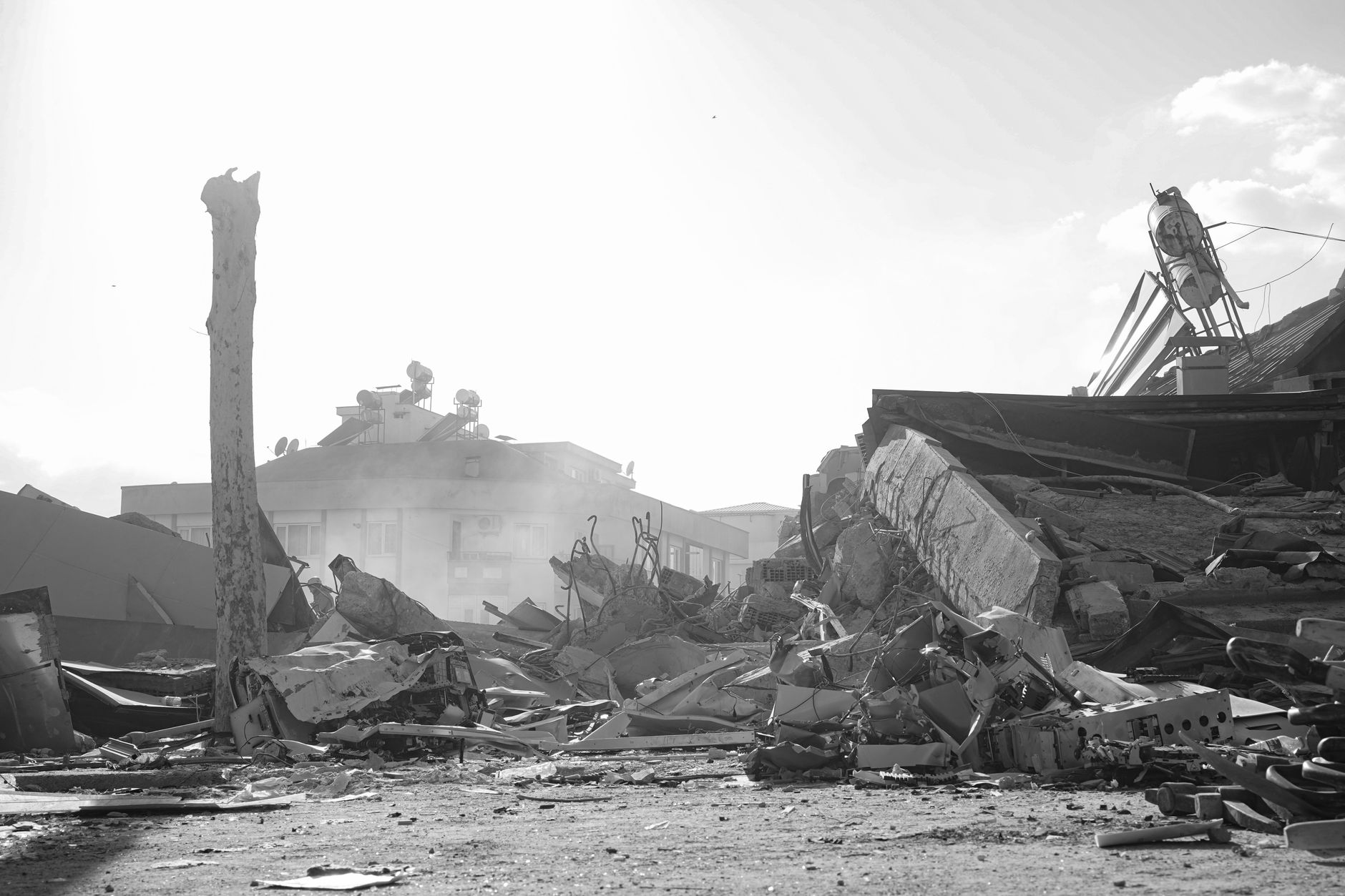
The immediate aftermath saw a rapid escalation of the crisis. Reports quickly emerged of collapsed buildings, extensive landslides, and roads rendered impassable, particularly in the hardest-hit towns like Wajima and Suzu. The iconic Wajima morning market, a historic landmark, was engulfed in a massive fire, adding to the widespread destruction and cultural loss. Thousands of homes lost power and water, leaving communities isolated and vulnerable. The Japanese government, led by Prime Minister Fumio Kishida, swiftly mobilized the Self-Defense Forces, but the sheer scale of the damage and the difficult terrain presented formidable challenges to reaching those trapped or injured.
As the hours turned into days, the human toll began to emerge with tragic clarity. The death toll, initially reported in single digits, steadily climbed, reflecting the grim reality of the extensive structural failures and the challenges of locating victims in the rubble. Rescue teams faced a race against time and the elements, battling freezing temperatures and the constant threat of further aftershocks. The disruption to critical infrastructure, including hospitals and communication networks, severely hampered emergency medical response and the coordination of relief efforts, highlighting the profound impact of such a powerful and widespread natural disaster on even a highly prepared nation.
Winners and Losers
In the immediate aftermath of this devastating earthquake, the most profound 'losers' are unequivocally the residents of the Noto Peninsula and surrounding affected areas. Thousands have lost their homes, their livelihoods, and, tragically, their loved ones. The psychological trauma of experiencing such a catastrophic event, coupled with the uncertainty of rebuilding their lives, will be immense and long-lasting. Communities reliant on tourism and fishing have seen their infrastructure obliterated, facing an arduous and uncertain path to recovery. The elderly population, in particular, faces heightened vulnerability due to mobility issues and potential isolation in damaged areas, making evacuation and sustained care exceptionally challenging.
The Japanese government and its emergency response agencies, while highly prepared, are also facing immense challenges, placing them in a difficult position. While their swift mobilization of the Self-Defense Forces and initial aid efforts are commendable, the sheer scale of the destruction and the logistical nightmares of reaching isolated communities test even their advanced capabilities. The government will bear the significant financial burden of reconstruction and will face intense scrutiny regarding the speed and effectiveness of long-term recovery plans. Maintaining public trust and demonstrating effective leadership during this prolonged crisis will be crucial for the administration.
While it feels inappropriate to speak of 'winners' in such a tragedy, certain sectors or entities might see increased activity in the long term, albeit under somber circumstances. Construction and infrastructure companies specializing in earthquake-resistant building and reconstruction will inevitably play a vital role in the rebuilding phase, potentially experiencing a surge in demand. Similarly, manufacturers of emergency supplies, temporary housing, and disaster relief equipment will see increased procurement. International aid organizations and NGOs, by providing critical support and resources, will demonstrate their invaluable role in humanitarian response, though their efforts are driven by altruism rather than profit.
Analyst Perspectives
Seismologists and disaster preparedness experts are closely analyzing the Noto Peninsula earthquake, noting its shallow depth and the specific fault lines involved. Many highlight that while Japan's building codes are among the world's strictest, designed to withstand significant seismic activity, the sheer force and prolonged shaking of this 7.6 magnitude event, coupled with numerous powerful aftershocks, pushed even modern structures to their limits. Experts are particularly concerned about the liquefaction observed in some coastal areas and the extensive landslides, which are often more unpredictable and destructive than direct seismic shaking, indicating complex geological responses to the tremor.
Urban planning and infrastructure specialists are emphasizing the critical need for resilient infrastructure, especially in remote or geographically challenging regions like the Noto Peninsula. The widespread damage to roads, bridges, and communication networks underscores the vulnerability of lifeline services during major disasters. Analysts suggest that future disaster mitigation strategies must prioritize not only earthquake-resistant construction but also redundant infrastructure systems and enhanced emergency access routes to ensure that aid can reach affected populations swiftly, even when primary routes are compromised. This event serves as a stark reminder of the continuous need for adaptation and innovation in disaster-prone areas.
Humanitarian aid and logistics experts are pointing to the unique challenges posed by the New Year's Day timing of the quake. They note that holiday periods often result in reduced staffing for emergency services and supply chains, potentially delaying the initial surge of relief. Furthermore, the rapid onset of winter conditions in the region adds another layer of complexity, making shelter, heating, and medical care even more critical. These experts stress that while Japan has robust national response capabilities, international cooperation and the swift deployment of specialized search and rescue teams remain vital in the immediate aftermath of such large-scale catastrophes, particularly when local resources are stretched thin.

Key Questions Explained
The Outlook
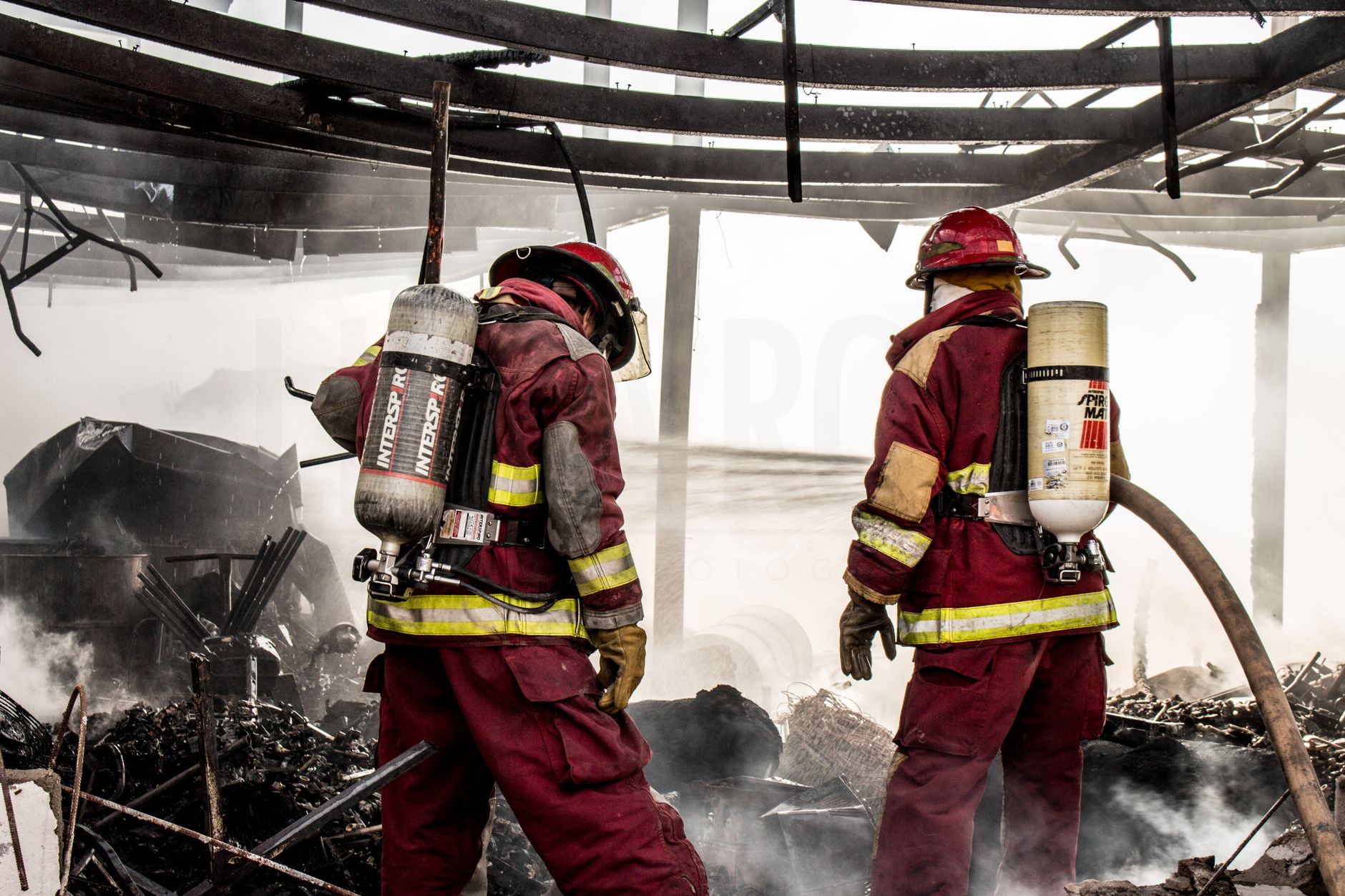
The immediate outlook for the Noto Peninsula is one of continued crisis, with rescue operations remaining the top priority. The death toll is expected to rise further as emergency teams meticulously search through collapsed buildings and debris, a grim reality that underscores the extensive damage. The focus will remain on locating survivors, providing urgent medical care to the injured, and ensuring that the tens of thousands displaced have access to safe shelter, food, and warmth amidst the harsh winter conditions. Restoring critical infrastructure, particularly power and water, will be a monumental task that will take weeks, if not months, to fully achieve across the most affected areas.
In the medium term, the region faces an arduous and prolonged recovery and reconstruction phase. The economic impact on local industries, especially tourism, agriculture, and fishing, will be severe and long-lasting. Rebuilding homes, businesses, and public infrastructure will require substantial financial investment from the Japanese government, potentially stretching national resources. Psychological support services will also become increasingly vital to help residents cope with the trauma of the disaster. The challenge will be not just to rebuild, but to rebuild more resiliently, incorporating lessons learned from this event to better withstand future seismic activity.
Looking further ahead, the long-term outlook for the Noto Peninsula will depend heavily on sustained government support and the resilience of its communities. While Japan has a strong track record of recovery from major disasters, the unique geographical and demographic challenges of this region may prolong the process. There will likely be a renewed focus on enhancing disaster preparedness in rural and remote areas, improving early warning systems for landslides, and developing more robust, redundant infrastructure. The spirit of solidarity and mutual aid among the Japanese people will be crucial in fostering hope and driving the eventual revitalization of these devastated communities.











Comments
No comments yet. Be the first to comment!