
Key Takeaways
- The death toll from the recent devastating earthquake in Japan has tragically climbed, with authorities confirming more fatalities as rescue efforts continue across the affected regions.
- Search and rescue operations are intensifying, particularly in areas where structures, including a large shopping mall and a factory, have completely collapsed, trapping an unknown number of individuals.
- Emergency teams are battling against time and challenging conditions, including aftershocks and damaged infrastructure, to locate and extract survivors from the debris, facing immense pressure.
- Numerous individuals remain unaccounted for, sparking grave concerns among their families and the wider community as the critical 72-hour window for survival post-disaster rapidly closes.
- The earthquake has caused widespread destruction, including significant damage to buildings, roads, and essential utilities, severely hampering relief efforts and access to isolated communities.
- International aid offers are pouring in, highlighting global solidarity with Japan as it grapples with the immediate aftermath and the monumental task of recovery and reconstruction ahead.
Background
Japan, a nation renowned for its advanced seismic engineering and robust disaster preparedness, was struck by a powerful earthquake that has tested the limits of its resilience. The tremor, registering a significant magnitude, unleashed widespread destruction across several prefectures, particularly impacting coastal areas already vulnerable to tsunamis. This event serves as a stark reminder of the unpredictable and immense power of natural forces, even in a country meticulously prepared for such eventualities. The initial moments post-quake were chaotic, with widespread power outages, communication disruptions, and immediate fears of a major tsunami.
The geological context of Japan, situated on the Pacific Ring of Fire, makes it one of the most seismically active regions globally. Its history is punctuated by numerous devastating earthquakes and tsunamis, which have collectively shaped its building codes, emergency response protocols, and public awareness campaigns. Despite these comprehensive measures, the sheer intensity and specific characteristics of this recent earthquake, including its shallow depth and proximity to densely populated areas, overwhelmed some local infrastructures, leading to tragic outcomes and a complex rescue scenario.
In the immediate aftermath, the focus quickly shifted from initial impact assessment to the critical phase of search and rescue. Emergency services, including the Self-Defense Forces, were rapidly mobilized, but the scale of the damage presented formidable challenges. Collapsed buildings, impassable roads due to landslides and cracks, and the constant threat of aftershocks made accessing affected areas extremely difficult. The international community, recognizing the severity of the situation, swiftly extended offers of assistance, underscoring the global concern for Japan's recovery.
Why It Matters
The escalating death toll and the plight of those still missing in Japan's earthquake-stricken regions represent a profound humanitarian crisis that demands immediate global attention. Each confirmed fatality is a devastating loss, and every hour that passes without locating the missing diminishes hope, transforming a natural disaster into a race against time for survival. The emotional toll on families and communities, grappling with uncertainty and grief, is immeasurable and will reverberate for years to come. This situation underscores the fragility of life and the critical importance of rapid, coordinated emergency response.
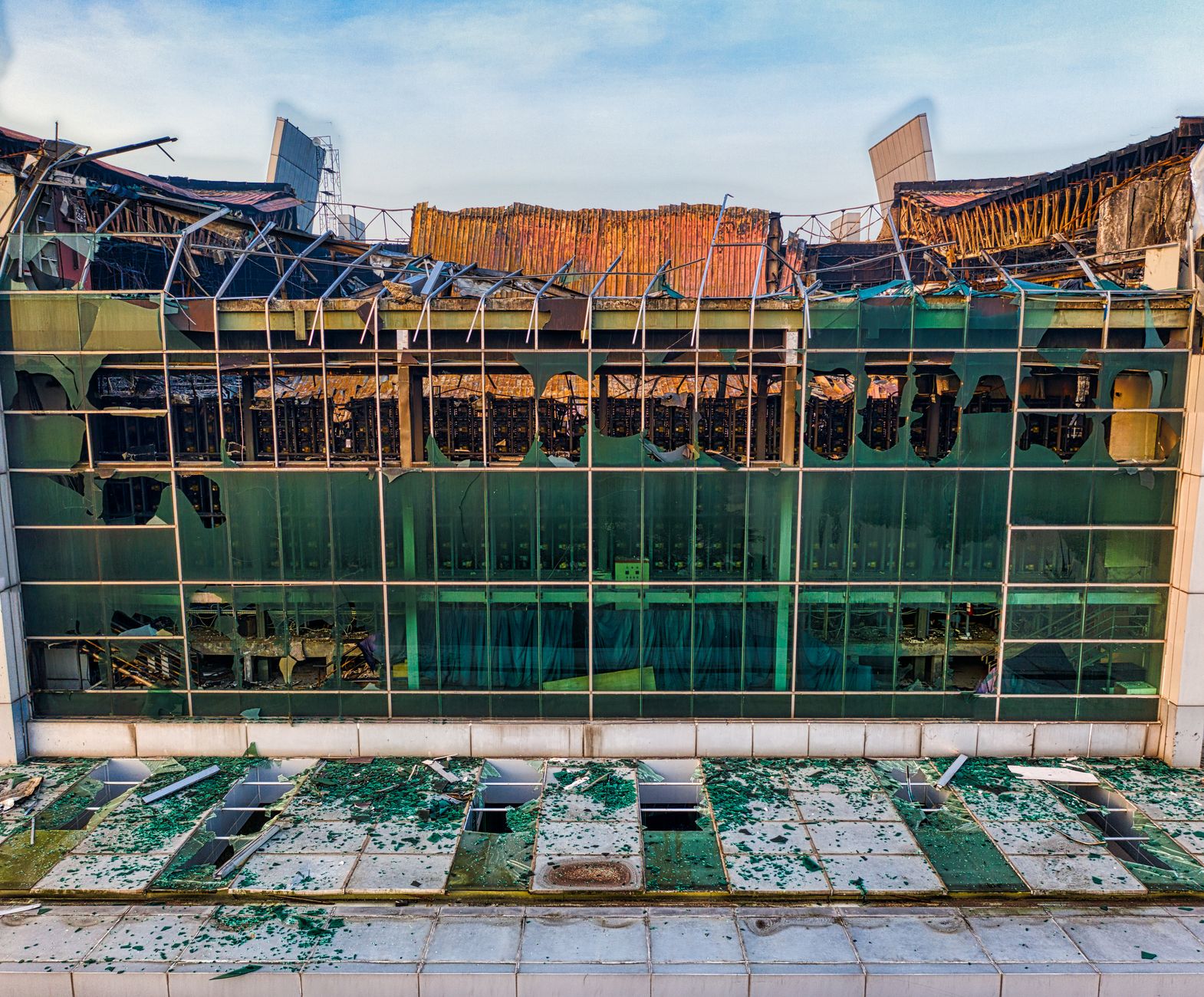
Beyond the immediate human tragedy, the destruction of critical infrastructure, including a major shopping mall and a factory, has significant economic and social ramifications. These sites are not merely structures; they are hubs of commerce, employment, and community life. Their collapse not only signifies a loss of capital but also disrupts supply chains, impacts local economies, and deprives residents of essential services and gathering places. The ripple effect of such damage will be felt far beyond the immediate vicinity, affecting livelihoods and the broader regional economy.
This event also serves as a critical test of Japan's renowned disaster preparedness and response systems. While the nation is a global leader in earthquake resilience, the extent of the damage and the challenges faced in rescue operations provide valuable lessons for future disaster mitigation strategies worldwide. The international community watches closely, not only in solidarity but also to glean insights that could improve global readiness for similar catastrophic events. The recovery and rebuilding efforts will be a testament to human resilience and ingenuity, offering a blueprint for other nations facing similar seismic threats.
Ground Reality
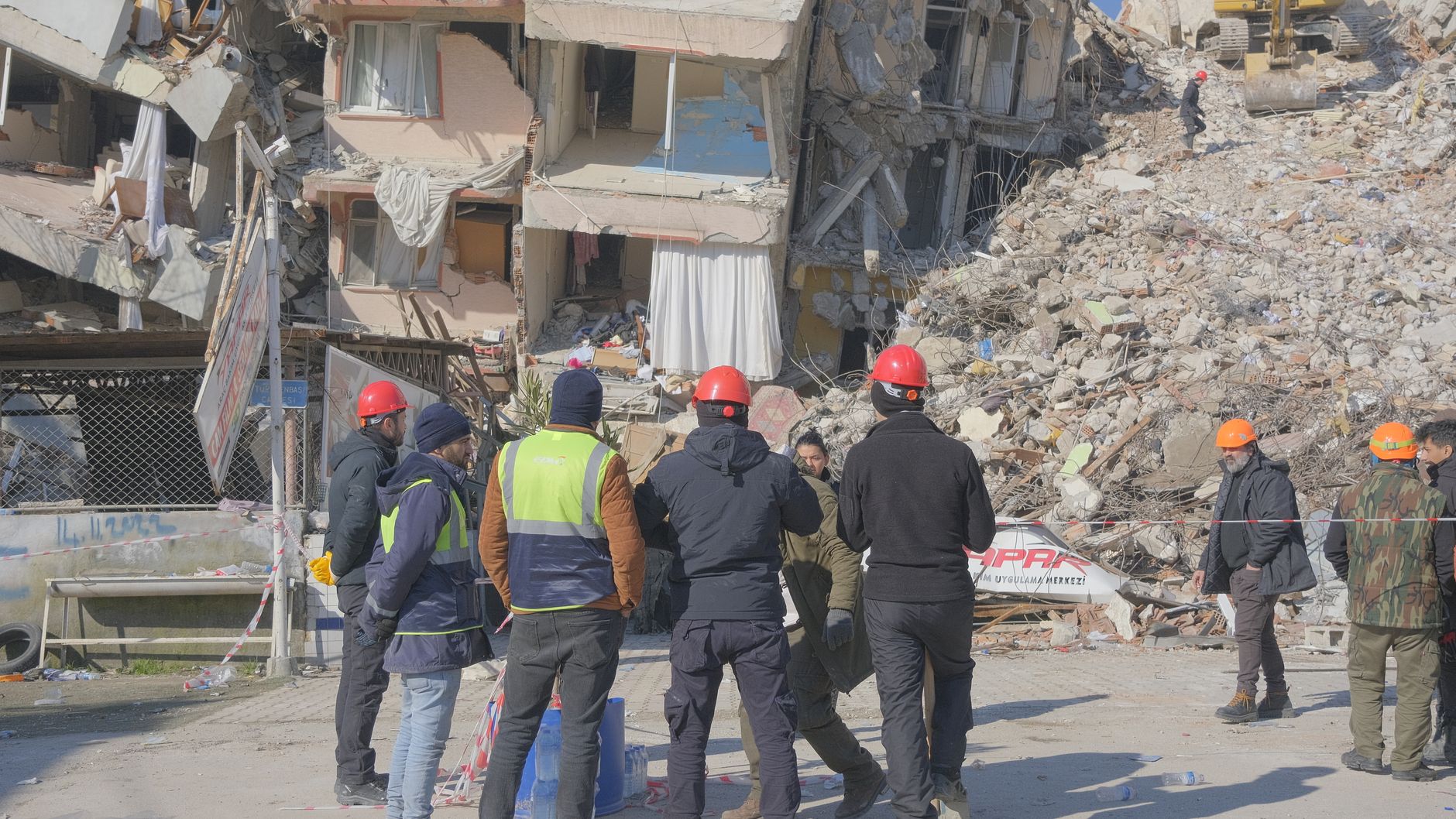
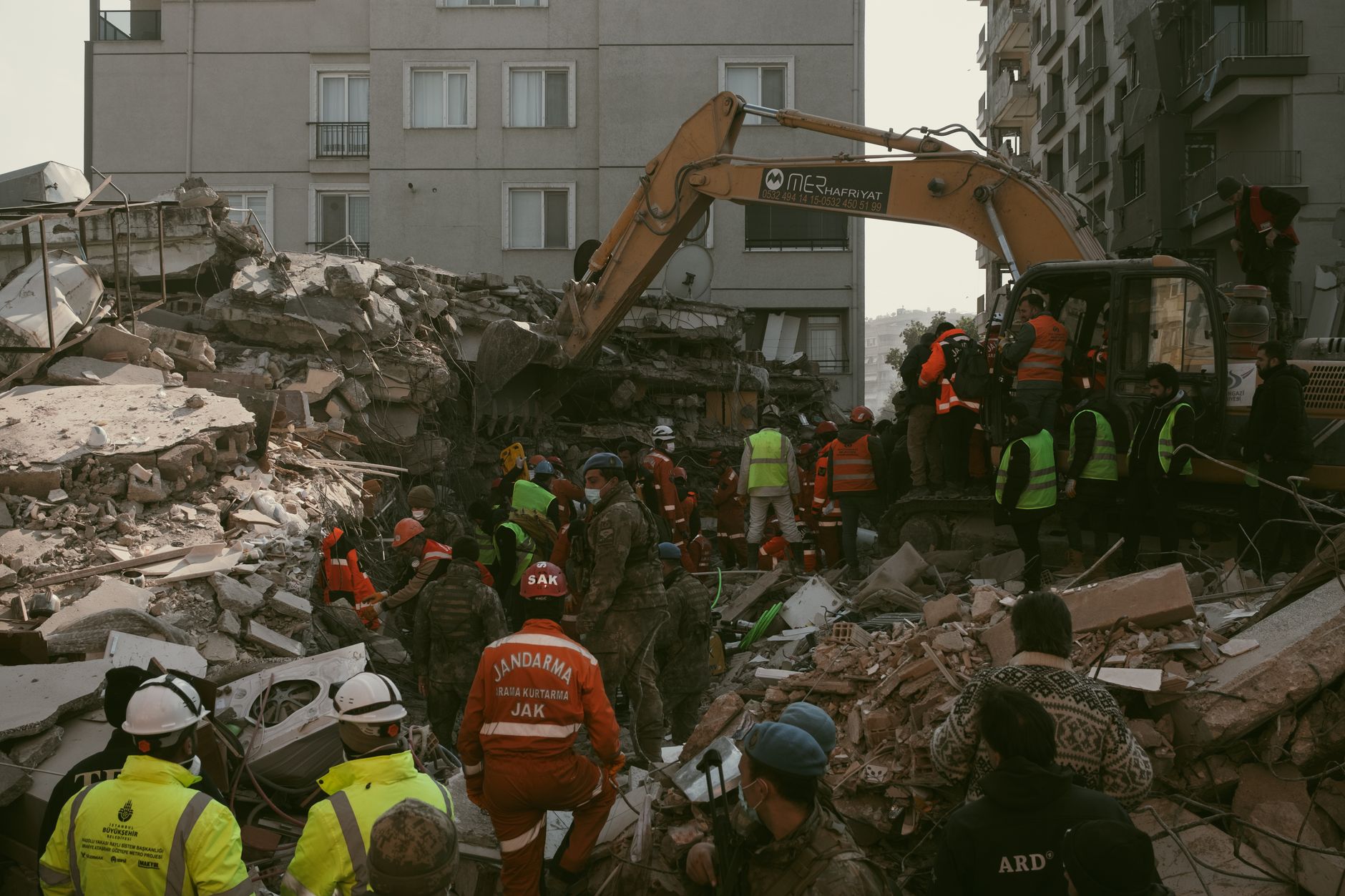
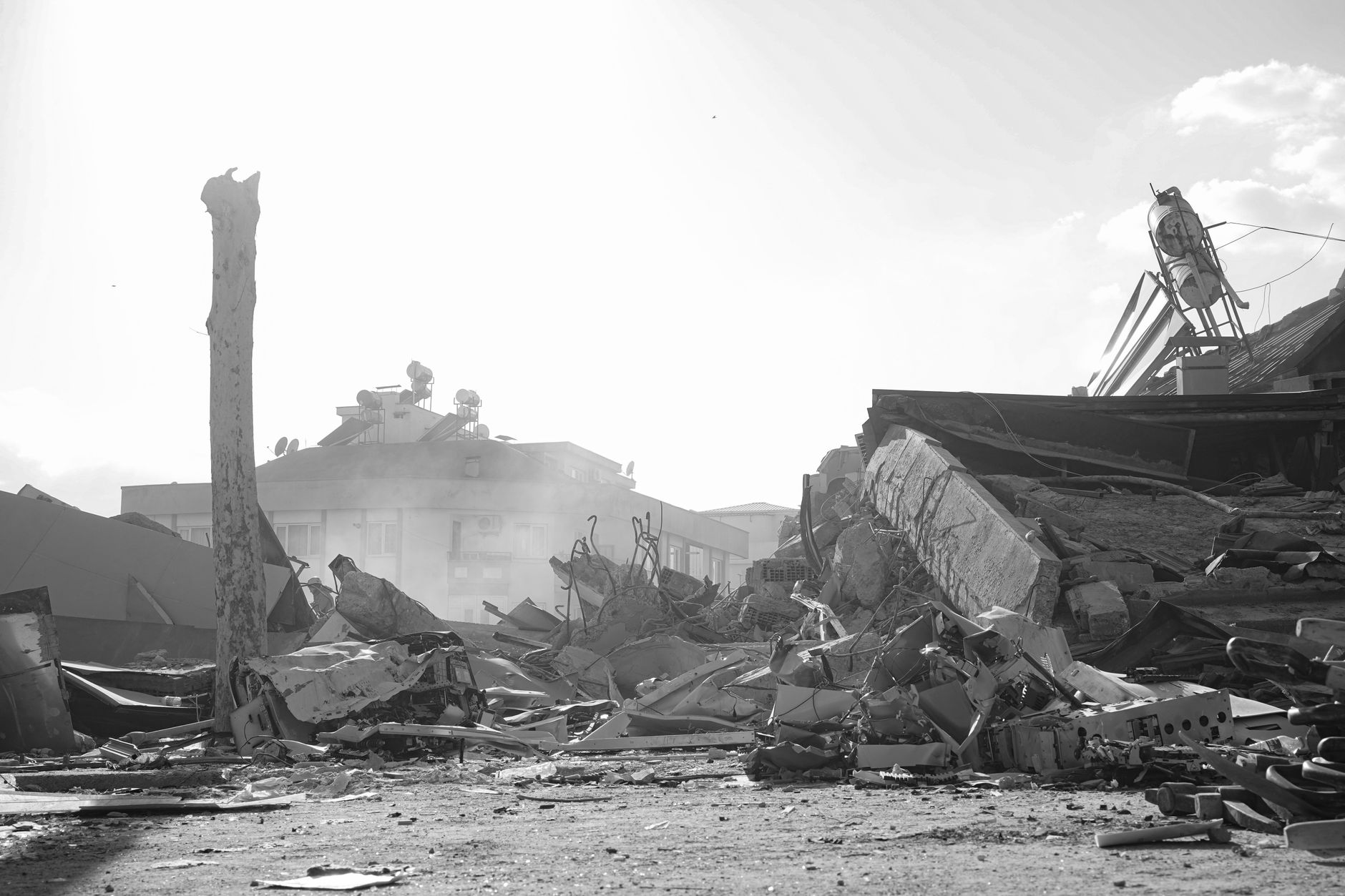
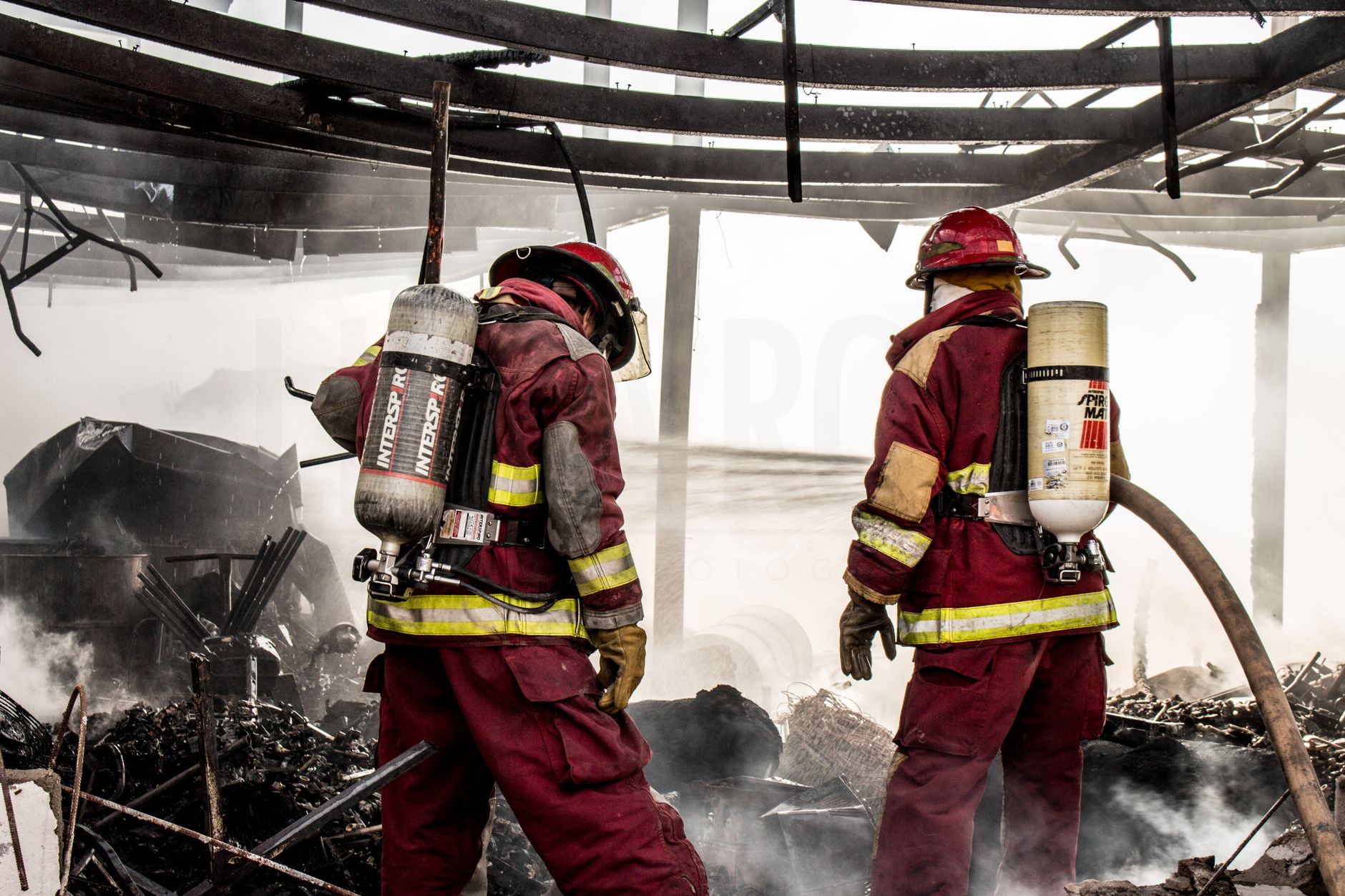
On the ground, the scene is one of overwhelming devastation and frantic activity. Rescue teams, comprising firefighters, police, and military personnel, are working tirelessly amidst treacherous conditions. The air is thick with dust and the acrid smell of debris, punctuated by the sounds of heavy machinery, barking search dogs, and the urgent shouts of rescuers. Many areas are virtually unrecognizable, transformed into tangled messes of concrete, twisted metal, and shattered glass. Roads are cracked and impassable, isolating entire communities and making the delivery of aid a logistical nightmare. The sheer scale of the destruction is a constant reminder of the earthquake's brutal force.
The focus of current operations is intensely concentrated on the collapsed shopping mall and factory, where the probability of finding survivors diminishes with each passing hour. These sites represent complex rescue environments, requiring specialized equipment and highly trained personnel to navigate unstable structures and safely extract any trapped individuals. Rescuers are employing acoustic sensors, thermal cameras, and sniffer dogs to detect signs of life beneath tons of rubble. The emotional toll on these frontline workers is immense, as they confront the grim reality of the situation while maintaining unwavering hope for miracles.
Beyond the immediate rescue efforts, thousands of residents have been displaced, seeking refuge in temporary shelters. These shelters, while providing basic necessities, are often overcrowded, and conditions are challenging. Access to clean water, food, and medical supplies remains a critical concern, especially in more remote areas. The psychological impact on survivors, many of whom have lost homes, loved ones, or their sense of security, is profound. Community leaders and aid organizations are working to provide not only physical relief but also emotional support to those grappling with trauma and uncertainty. The long road to recovery has only just begun, with immediate needs still paramount.
What Experts Are Saying
Seismologists are meticulously analyzing the seismic data, noting the earthquake's particular characteristics that contributed to such widespread damage. Dr. Kenji Tanaka, a leading geophysicist at the University of Tokyo, emphasized, "While Japan's building codes are among the strictest globally, the shallow depth and specific fault rupture mechanism of this quake generated exceptionally strong ground motion in certain areas, exceeding even advanced structural resilience in older buildings. This event provides crucial data for refining our understanding of seismic wave propagation and its impact on urban infrastructure." His analysis suggests that while preparedness was high, the unique nature of this particular seismic event presented unprecedented challenges.
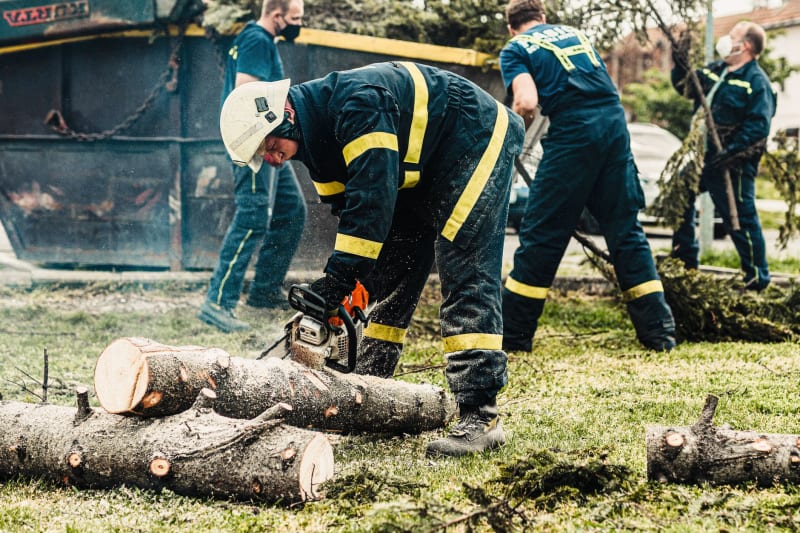
Disaster management specialists are highlighting the immense logistical challenges faced by rescue teams. Professor Akari Sato, an expert in emergency response at Kyoto University, stated, "The immediate aftermath of a major earthquake is always a race against time, but when key transportation arteries are severed, and communication networks are down, the complexity escalates exponentially. The ability to rapidly deploy specialized search and rescue teams, coupled with the provision of heavy lifting equipment, is paramount. We are seeing incredible dedication from first responders, but the sheer scale of debris in places like the collapsed mall requires sustained, coordinated effort." She underscored the need for resilient infrastructure that can withstand not just the initial shock but also facilitate post-disaster access.
Urban planning and structural engineering experts are already beginning to assess the long-term implications for reconstruction. Dr. Hiroshi Nakamura, an architect specializing in seismic design, commented, "This tragedy will undoubtedly lead to a re-evaluation of existing building standards and potentially inspire new innovations in earthquake-resistant construction. The performance of newer, more rigorously designed structures versus older ones will be a key area of study. The goal must be not just to rebuild, but to build back better, incorporating lessons learned to create even safer, more resilient communities capable of withstanding future seismic events." This forward-looking perspective emphasizes continuous improvement in disaster resilience.
Frequently Asked Questions
What Happens Next
In the immediate future, the relentless search and rescue operations will continue with utmost urgency, particularly in and around the collapsed mall and factory. Every available resource, from specialized K9 units to heavy lifting equipment, will be deployed to sift through the debris, hoping to find more survivors. The critical 72-hour window for survival is rapidly closing, intensifying the efforts of emergency responders who are working against both time and the elements. This phase will remain the absolute priority until all viable search areas have been thoroughly examined and accounted for, ensuring no stone is left unturned.
Following the primary rescue phase, the focus will inevitably shift towards comprehensive damage assessment and the provision of sustained humanitarian aid. Engineers and infrastructure experts will begin the arduous task of evaluating the structural integrity of damaged buildings and critical infrastructure like roads, bridges, and utility networks. Simultaneously, efforts will be ramped up to ensure all displaced persons have access to stable shelter, clean water, food, and medical care. The logistical challenges of distributing these vital resources across vast, damaged areas will require meticulous planning and execution, potentially involving international assistance.
Looking further ahead, Japan will embark on a monumental journey of recovery and reconstruction. This will involve not only rebuilding physical infrastructure but also supporting the psychological and economic recovery of affected communities. Lessons learned from this earthquake will undoubtedly inform future revisions to building codes, disaster preparedness protocols, and urban planning strategies, aiming to enhance resilience even further. The nation's renowned capacity for innovation and collective effort will be crucial in transforming this tragedy into an opportunity to build a safer, more robust future for its citizens, demonstrating its enduring strength in the face of adversity.








Comments
No comments yet. Be the first to comment!