

At a Glance
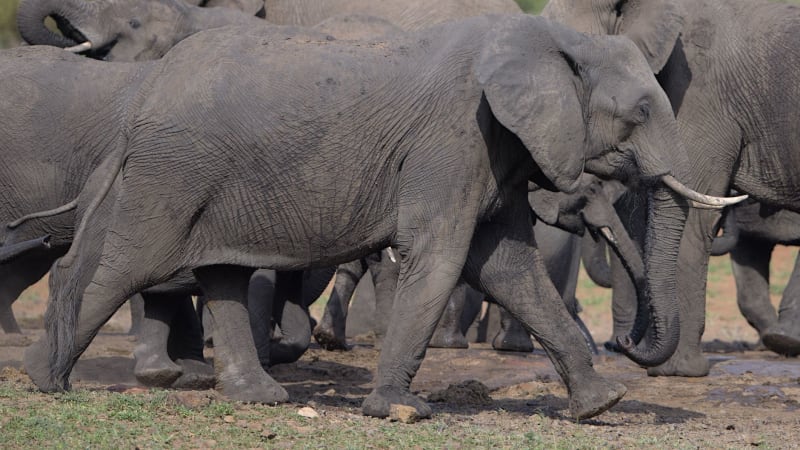
- Multiple elephants in Kenya have tragically died, with preliminary investigations strongly suggesting cyanide poisoning as the cause, raising immediate alarms within conservation circles.
- The suspected vector for this deadly poison is believed to be tomatoes, found near the carcasses and showing signs of being tampered with or laced with the lethal chemical.
- This incident underscores a critical and escalating conflict between human agricultural practices and wildlife conservation, highlighting the desperate measures some individuals may resort to.
- Kenyan authorities, including the Kenya Wildlife Service (KWS), have launched a comprehensive and urgent investigation to determine the exact source of the cyanide and apprehend those responsible.
- The use of cyanide represents a particularly insidious threat, as it is highly potent, difficult to detect without forensic analysis, and poses a significant risk to the broader ecosystem.
- Conservation organizations and local communities are expressing profound concern, emphasizing the need for enhanced protective measures and community engagement to prevent future wildlife fatalities.
The Record
The tragic deaths of several elephants in Kenya have sent shockwaves through the conservation community, with preliminary findings pointing towards a sinister cause: cyanide poisoning. This incident is not merely a localized tragedy but a stark reminder of the persistent and evolving threats facing Africa's iconic wildlife. The discovery of elephant carcasses, accompanied by suspicious circumstances, immediately triggered a high-priority investigation by the Kenya Wildlife Service (KWS), a body dedicated to protecting the nation's rich biodiversity. Their initial assessment has focused on the presence of unusual substances near the deceased animals, leading to the current hypothesis of deliberate poisoning.
Forensic analysis is currently underway to definitively confirm the presence of cyanide and to trace its origin. This critical step will not only provide irrefutable evidence but also offer crucial clues about the perpetrators and their motives. The KWS, in collaboration with other law enforcement agencies, is meticulously examining the scene, collecting samples, and interviewing local residents to piece together the events leading to these devastating losses. The precision and speed of this investigation are paramount, as every moment counts in preventing further harm to the vulnerable elephant population and bringing those responsible to justice.
The suspected use of cyanide in this context is particularly alarming. Cyanide is a highly toxic chemical that can cause rapid and agonizing death, and its application in wildlife poaching or conflict situations represents a severe escalation of threats. Its indiscriminate nature means that not only elephants but also other animals, and potentially even humans, could be at risk if such methods become more prevalent. This incident underscores the urgent need for enhanced surveillance, intelligence gathering, and community awareness programs to combat the illicit use of dangerous chemicals in areas frequented by wildlife. The long-term implications for ecosystem health and biodiversity are profound if such practices are allowed to continue unchecked.
Who Knew and When
The alarm was first raised by local rangers and community members who discovered the elephant carcasses during routine patrols. The unusual circumstances surrounding the deaths, particularly the lack of visible injuries typically associated with traditional poaching or natural causes, immediately prompted suspicion. These initial reports were swiftly relayed to the Kenya Wildlife Service, triggering an immediate deployment of specialized units to the affected areas. The rapid response highlights the established protocols for wildlife mortality investigations, yet the insidious nature of poisoning often delays definitive identification of the cause.
Upon arrival, KWS investigators observed discarded tomatoes near the deceased elephants, a detail that quickly became a central focus of their inquiry. The presence of these seemingly innocuous vegetables, combined with the absence of other clear indicators of death, led to the hypothesis that they might have been used as bait or a delivery mechanism for a toxic substance. Field tests and preliminary observations suggested the possibility of poisoning, prompting the collection of samples for advanced laboratory analysis. This crucial step in the investigative process is designed to confirm the presence of toxins and identify the specific chemical agent responsible.
While the full forensic results are still pending, the KWS has publicly communicated its strong suspicion of cyanide poisoning via tainted tomatoes. This early disclosure serves multiple purposes: to inform the public, to warn communities, and to potentially deter further similar incidents. The transparency in sharing preliminary findings underscores the gravity of the situation and the commitment of authorities to address it head-on. The timeline from discovery to the current hypothesis has been relatively short, reflecting the urgency with which wildlife crimes, especially those involving such dangerous methods, are treated in Kenya. The investigation continues to unfold, with authorities working diligently to confirm all details and bring clarity to this tragic event.
Voices from the Ground
Local communities living near the affected wildlife areas are expressing a mixture of grief, anger, and profound concern. Many residents have coexisted with elephants for generations, viewing them as an integral part of their heritage and the ecosystem. The news of suspected poisoning has been met with widespread condemnation, as it represents a betrayal of trust and a direct threat to the natural balance. Elders speak of a time when human-wildlife conflicts, while present, rarely involved such malicious and indiscriminate methods, highlighting a troubling shift in the nature of these interactions. The emotional toll on those who witness these majestic creatures suffer is immense, fostering a sense of helplessness and a plea for stronger protection measures.
Conservationists on the ground are voicing urgent appeals for enhanced security and intelligence gathering. They emphasize that such incidents are not isolated but often stem from escalating human-wildlife conflicts, driven by habitat loss, resource scarcity, and sometimes, deliberate acts of malice. "This isn't just about elephants; it's about the health of our entire ecosystem and the future of our planet," stated a representative from a prominent local wildlife trust. They argue that without addressing the root causes of these conflicts and implementing more robust protective strategies, such tragedies will continue to plague Kenya's wildlife. The call for greater community involvement in conservation efforts is also a recurring theme, recognizing that local populations are often the first line of defense.
Farmers in the region, while also condemning the poisoning, sometimes articulate the immense pressures they face from wildlife encroaching on their crops. While not condoning illegal acts, some express a desperate need for effective and non-lethal solutions to protect their livelihoods. "When elephants destroy a season's harvest, it means hunger for our families," one farmer lamented, highlighting the complex socio-economic dimensions of human-wildlife coexistence. This perspective underscores the critical need for integrated conservation strategies that not only protect wildlife but also support the sustainable livelihoods of local communities, preventing desperate measures that harm both humans and animals. Dialogue and collaboration are seen as essential to bridge this divide and find common ground.
The Debate
The tragic elephant deaths have reignited a fervent debate surrounding human-wildlife conflict management in Kenya. On one side, conservationists and wildlife advocates are vehemently calling for stricter penalties for wildlife crimes, increased funding for anti-poaching units, and more sophisticated surveillance technologies to detect and deter such insidious acts. They argue that the current legal framework and enforcement mechanisms are insufficient to combat the evolving tactics of those who seek to harm wildlife, whether for ivory, bushmeat, or in retaliation for crop destruction. The debate centers on whether existing laws truly serve as an adequate deterrent against such heinous acts, especially when highly toxic substances like cyanide are employed.
Conversely, some voices, particularly from agricultural communities, emphasize the severe economic pressures faced by farmers whose livelihoods are frequently devastated by wildlife, especially elephants. They highlight the inadequacy of compensation schemes for crop damage and the perceived lack of effective, non-lethal mitigation strategies provided by wildlife authorities. This perspective argues that while poisoning is abhorrent, it sometimes stems from a place of desperation, where communities feel they have no other recourse to protect their farms and families. The debate here focuses on finding a balance: how to protect wildlife without inadvertently punishing or disenfranchising local populations who bear the brunt of living alongside large, protected animals.
A third, more nuanced perspective advocates for a holistic approach that integrates community development with conservation efforts. Proponents of this view argue that simply increasing enforcement without addressing the socio-economic drivers of conflict is a short-sighted solution. They propose investing in sustainable alternative livelihoods for communities, implementing effective wildlife-deterrent fencing, and fostering educational programs that promote coexistence. The core of this debate is about moving beyond punitive measures to create a shared sense of ownership and benefit from wildlife, transforming potential adversaries into conservation partners. This incident serves as a stark reminder that the solutions are complex and require multi-faceted, collaborative strategies.

Your Questions Answered
What Accountability Looks Like
Achieving true accountability for the tragic elephant deaths demands a multi-layered approach, starting with a swift and thorough criminal investigation. This means identifying, apprehending, and prosecuting the individuals responsible for lacing the tomatoes with cyanide. The Kenya Wildlife Service (KWS) and other law enforcement agencies must leverage all available forensic and intelligence resources to build an irrefutable case. Accountability here is not just about punishment; it's about sending an unequivocal message that such heinous acts against wildlife will not be tolerated and will be met with the full force of the law. This requires dedicated resources, expert investigators, and a judicial system committed to upholding wildlife protection statutes.
Beyond individual perpetrators, accountability also extends to systemic failures or gaps in conservation strategies. This incident should prompt a rigorous review of existing human-wildlife conflict mitigation measures, compensation schemes for crop damage, and community engagement programs. If communities feel unheard or unsupported, it can inadvertently create environments where desperate acts occur. Therefore, accountability also means government agencies, conservation organizations, and local leaders taking responsibility for fostering sustainable coexistence models that address the root causes of conflict, rather than merely reacting to its symptoms. This proactive accountability is essential for long-term wildlife protection.
Ultimately, accountability must culminate in tangible actions that prevent future tragedies. This includes strengthening wildlife protection laws, increasing funding for anti-poaching and anti-poisoning units, and investing in advanced surveillance technologies. It also involves fostering a culture of conservation within communities, where wildlife is seen as a shared asset rather than a liability. True accountability means learning from this devastating incident, implementing robust reforms, and demonstrating an unwavering commitment to safeguarding Kenya's irreplaceable natural heritage for future generations. Without such comprehensive action, these tragic deaths will have been in vain, and the cycle of conflict will inevitably continue.
















Comments
No comments yet. Be the first to comment!