
The Story in Brief
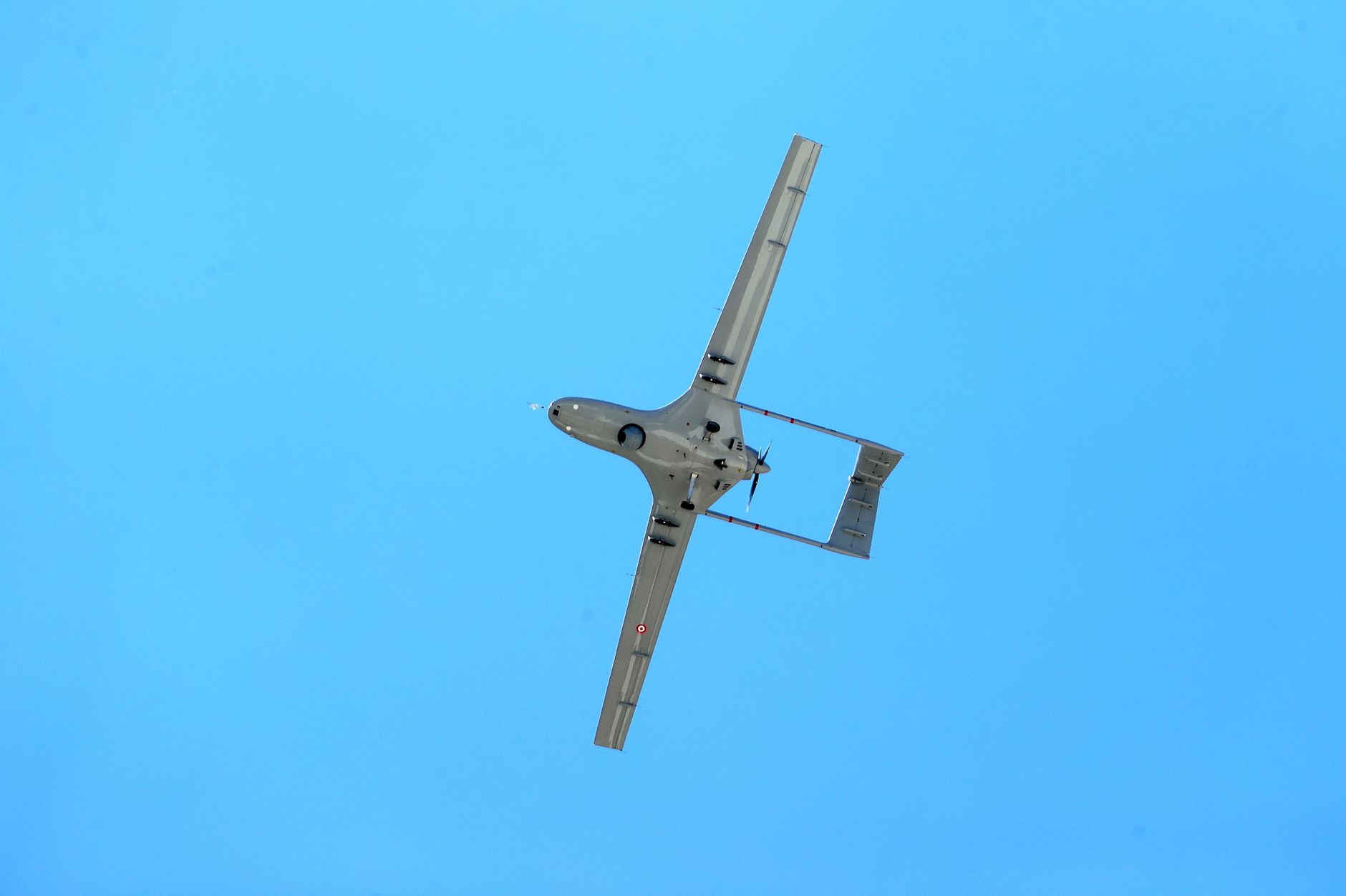
- The United States has launched a significant and coordinated series of strikes targeting key military infrastructure within Iran, signaling a dramatic escalation in regional hostilities and a direct challenge to Iranian military capabilities.
- These strikes are reportedly a response to a series of provocations and threats emanating from Iran and its proxy forces, aiming to degrade Iran's ability to project power and conduct further destabilizing operations in the Middle East.
- The scale and nature of the US offensive suggest a deliberate strategy to impose substantial costs on Iran, potentially altering the strategic calculus of regional actors and increasing the risk of a wider, more devastating conflict.
- International observers are closely monitoring the situation for signs of retaliation from Iran or its allies, which could trigger a broader confrontation involving multiple regional and global powers, with severe implications for global stability.
- The economic ramifications are also a significant concern, with potential disruptions to oil supplies and global trade routes, alongside increased volatility in financial markets as the geopolitical landscape becomes more unpredictable.
- Diplomatic channels are reportedly strained, with urgent calls for de-escalation and restraint from international bodies, though the immediate focus remains on the kinetic actions unfolding on the ground and their immediate consequences.
The Human Face of Escalation
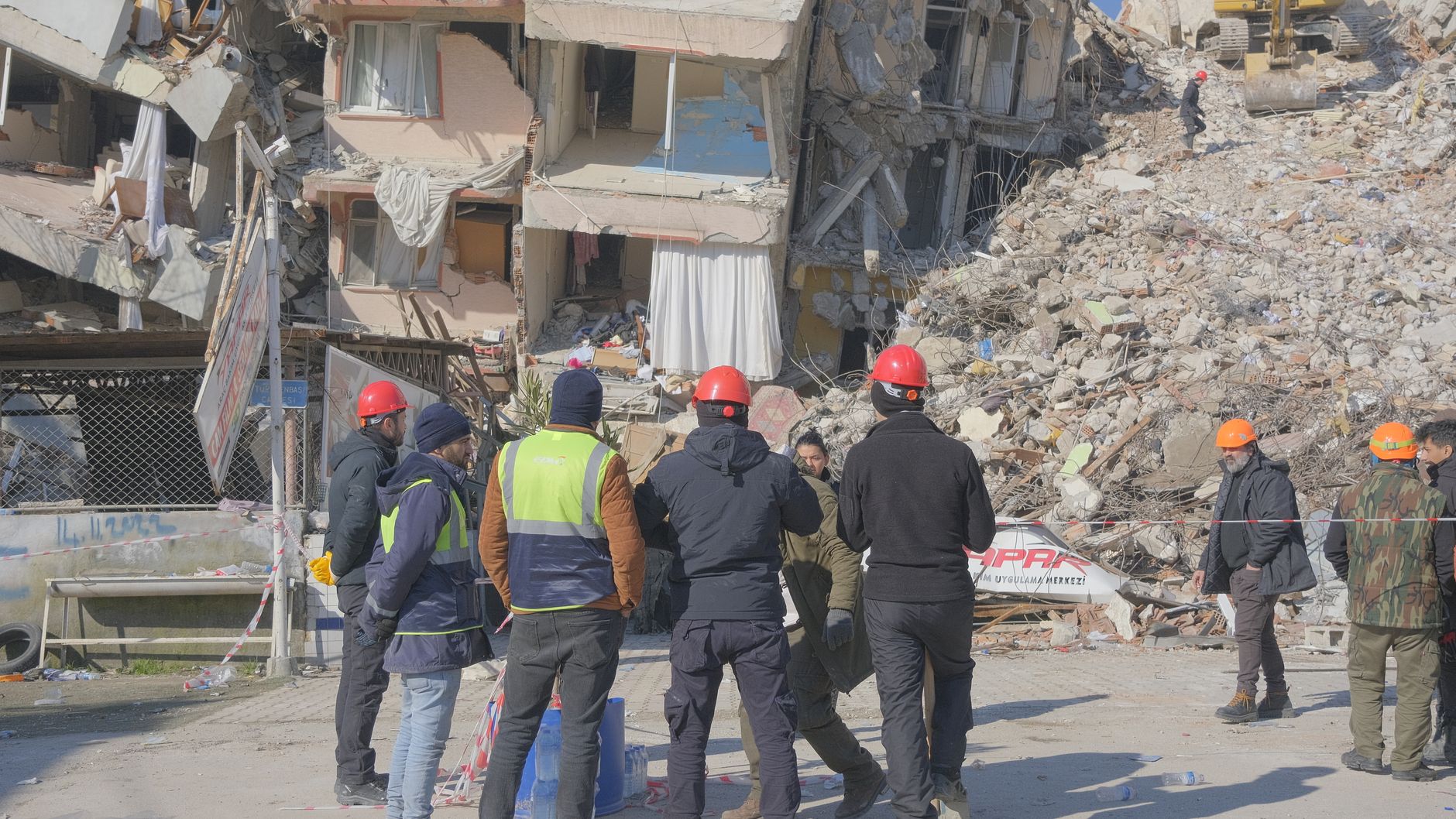
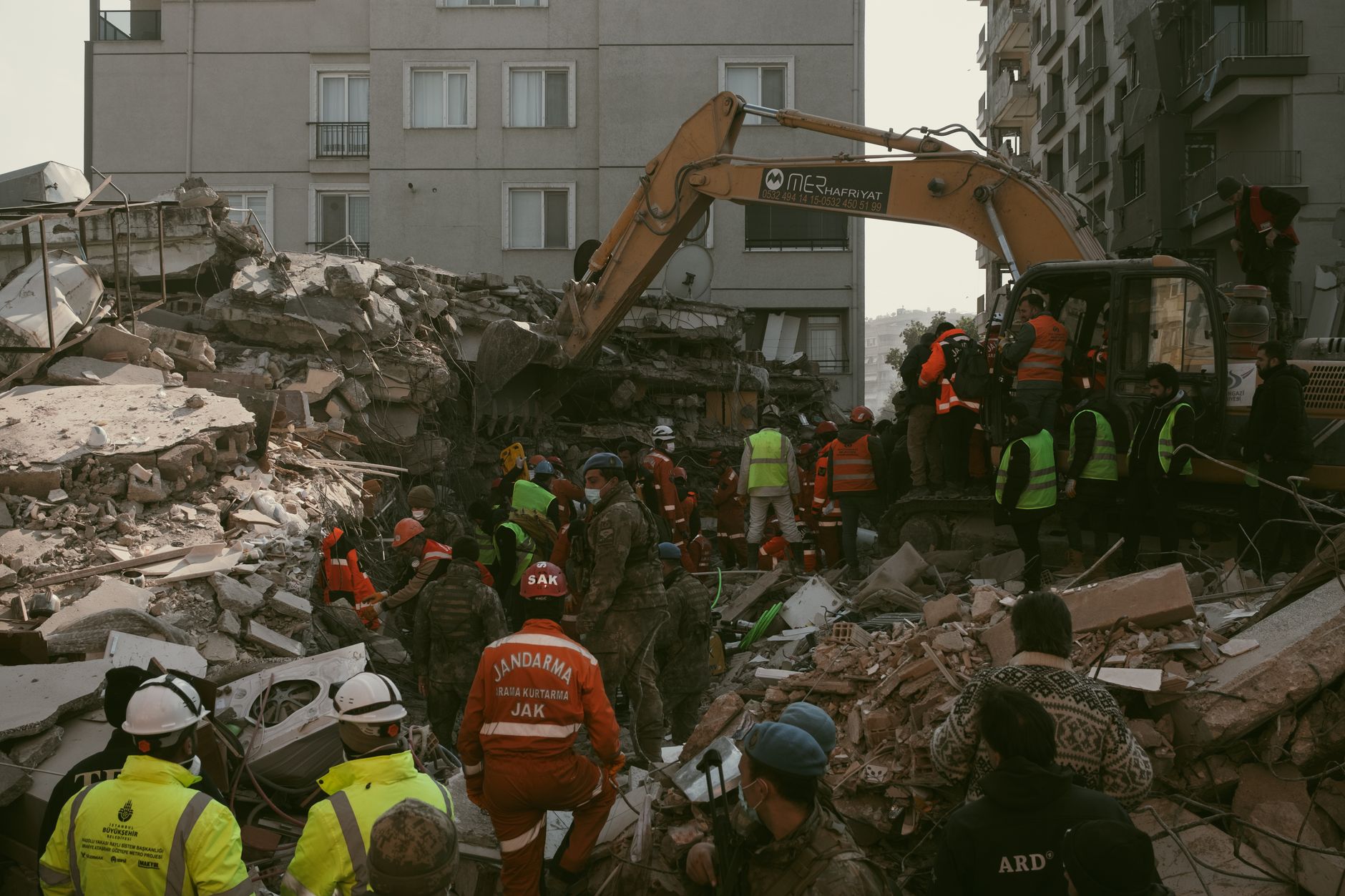
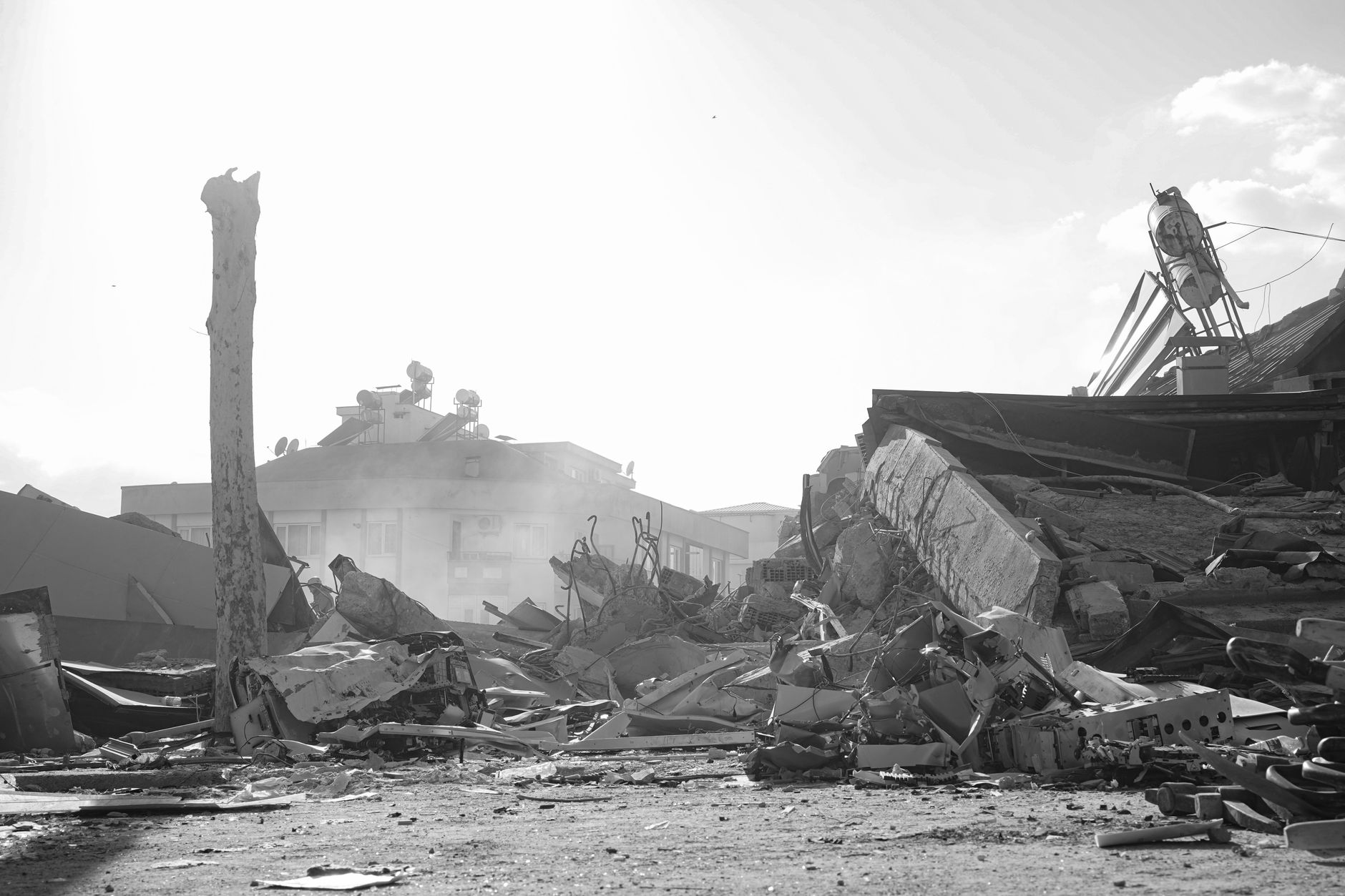
The immediate impact of these heavy strikes reverberates far beyond military targets, casting a shadow of fear and uncertainty over civilian populations in Iran and neighboring regions. Families are grappling with the terrifying reality of escalating conflict, facing potential displacement, loss of life, and the destruction of their homes and livelihoods. The psychological toll of living under the constant threat of aerial bombardment and the specter of wider war is immense, eroding daily life and fostering a climate of pervasive anxiety. Access to essential services, such as healthcare and food, could be severely disrupted, exacerbating humanitarian concerns in an already volatile region. The human cost of such military actions is often the least reported but most profound, representing shattered lives and enduring trauma for countless individuals caught in the crossfire of geopolitical power struggles.
Beyond the immediate vicinity of the strikes, the ripple effects touch millions. The global interconnectedness means that even distant populations can feel the consequences, whether through economic instability, refugee flows, or the erosion of international peace. For those living in countries allied with or opposed to Iran, the heightened tensions translate into increased security concerns, potential military mobilization, and a pervasive sense of unease about the future. Communities that have already endured years of conflict and instability now face the grim prospect of renewed violence and further hardship. The human element of this crisis underscores the critical need for de-escalation and diplomatic solutions, prioritizing the safety and well-being of all civilians affected by escalating military actions and their far-reaching consequences.
The narratives surrounding such events are often dominated by geopolitical strategy and military objectives, but it is crucial to remember the individual stories of resilience, loss, and hope. Each strike, each escalation, represents a disruption to personal lives, dreams, and futures. The long-term consequences for mental health, social cohesion, and economic recovery in affected areas are significant and will likely persist for generations. Understanding the human face of this conflict requires looking beyond casualty figures and strategic assessments to acknowledge the profound and lasting impact on ordinary people striving for peace and security in a world increasingly defined by conflict.
How We Got Here
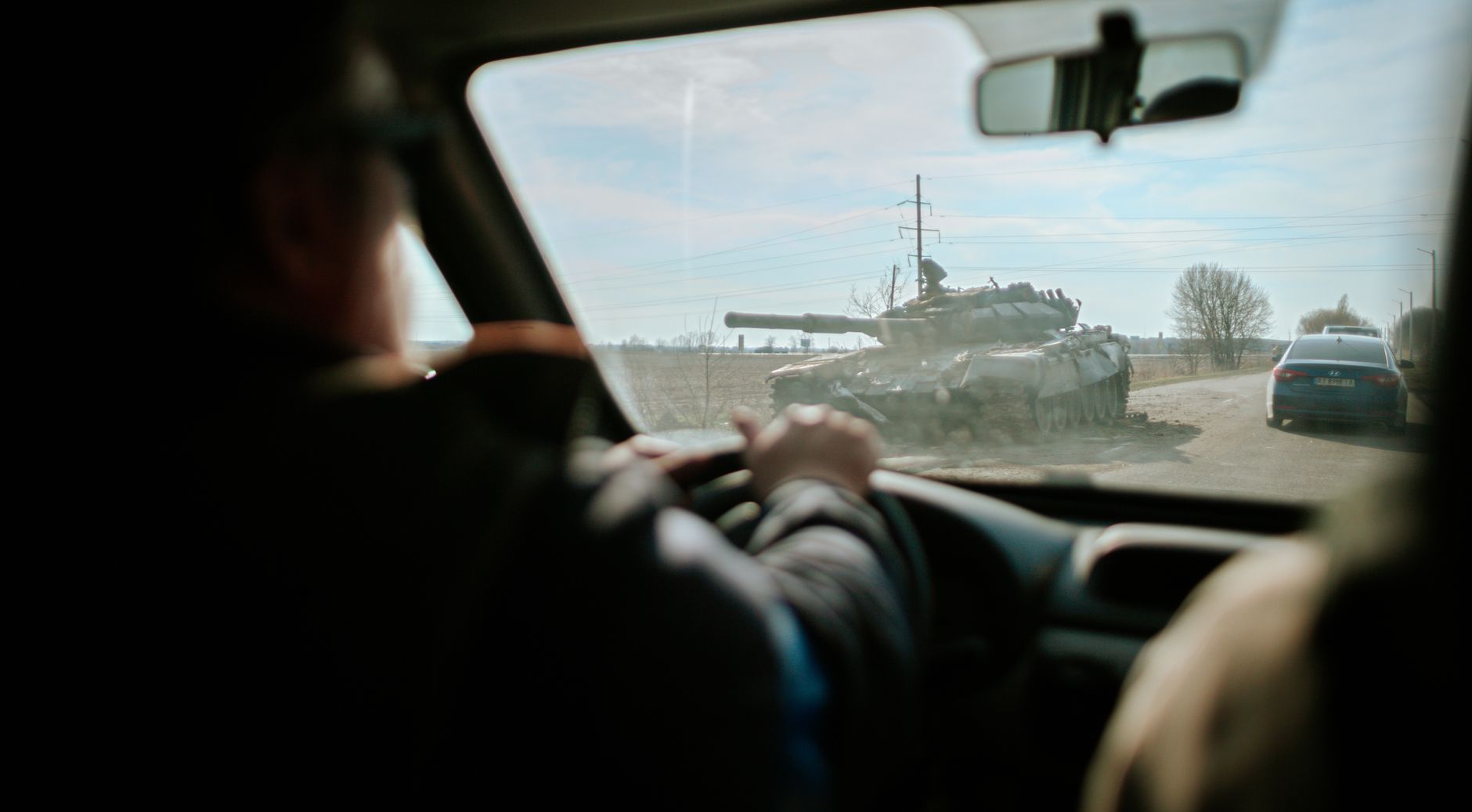
The current military confrontation is the culmination of years of escalating tensions, proxy conflicts, and a breakdown in diplomatic engagement between the United States and Iran. Decades of animosity, rooted in historical grievances and ideological differences, have been punctuated by a series of incidents, including attacks on shipping, alleged sabotage, and the targeting of personnel and facilities in the region. Iran's pursuit of nuclear capabilities and its support for various militant groups have been consistent points of friction, leading to international sanctions and increased military posturing by the US and its allies. The recent surge in hostilities represents a dangerous acceleration of these underlying dynamics, moving from indirect confrontations to direct military engagement.
A critical factor in the current situation is the complex web of regional rivalries, particularly involving Iran, Saudi Arabia, and Israel. Iran's growing influence and its support for groups like Hezbollah and the Houthis have been perceived as direct threats by its regional adversaries, leading to a series of proxy conflicts that have destabilized countries like Yemen and Syria. The United States, historically aligned with these regional powers, has often found itself drawn into these disputes, ostensibly to counter Iranian aggression and protect its interests and allies. This intricate geopolitical chessboard, marked by shifting alliances and deep-seated mistrust, has created a volatile environment where a single miscalculation or provocation can trigger a wider conflagration.
The failure of diplomatic initiatives to de-escalate the situation has also played a significant role. Despite intermittent efforts to revive nuclear deals or foster dialogue, deep-seated mistrust and maximalist demands on both sides have consistently hampered progress. The withdrawal of the US from the Joint Comprehensive Plan of Action (JCPOA) under the previous administration, and Iran's subsequent recalcitrance, created a vacuum that has been increasingly filled by military posturing and retaliatory actions. Without effective diplomatic channels to manage grievances and build confidence, the path of military engagement has become a more prominent, albeit perilous, option for all parties involved.
Why This Cannot Be Ignored
The current wave of US strikes on Iran represents a critical inflection point with potentially catastrophic global consequences. This is not merely a localized conflict; it is an event that threatens to destabilize an already volatile region, impacting global energy markets, international trade routes, and the delicate balance of power. The potential for a wider war involving multiple state and non-state actors could lead to immense human suffering, mass displacement, and a humanitarian crisis of unprecedented scale. The economic fallout alone could trigger a global recession, disrupting supply chains and causing widespread inflation, affecting billions of people far beyond the immediate theater of operations.
Beyond the immediate geopolitical and economic ramifications, this escalation poses a severe threat to international law and the principles of sovereign non-aggression. If unchecked, it could embolden other nations to pursue unilateral military actions, further eroding the norms that underpin global peace and security. The precedent set by such direct military engagement could legitimize preemptive strikes and undermine the role of international institutions in conflict resolution. The world is watching to see how this crisis unfolds, and the outcome will shape the future of international relations and the very concept of collective security for years to come.
Furthermore, the specter of nuclear proliferation looms large. Any significant escalation in the Middle East, particularly involving Iran, could intensify efforts by regional powers to acquire weapons of mass destruction as a deterrent. This would create a far more dangerous and unstable world, increasing the risk of nuclear conflict exponentially. The current military actions, therefore, are not just about immediate tactical gains or responses; they are about shaping the long-term strategic landscape and preventing a descent into a far more perilous global order. The decisions made now will echo through history, determining whether the world moves towards greater cooperation or deeper division and conflict.
Possible Paths Forward
One potential path forward involves a strategic de-escalation, where both the United States and Iran, perhaps under international pressure, pull back from further military actions. This could involve a temporary cessation of hostilities, coupled with renewed diplomatic efforts to address the underlying grievances. Such a path would require significant political will and a willingness to compromise on both sides, potentially involving confidence-building measures and a phased approach to resolving outstanding issues, such as sanctions relief and regional security concerns. The success of this path hinges on the ability of leaders to resist domestic hardliners and prioritize long-term stability over short-term gains.
Another possibility is a continued, albeit controlled, escalation. The US might conduct further targeted strikes to degrade specific Iranian capabilities, while Iran could respond with limited retaliatory actions, perhaps through its proxies, to avoid direct confrontation. This scenario risks a prolonged period of heightened tension and intermittent conflict, characterized by a dangerous game of cat and mouse. While it might avoid a full-scale war, it would continue to destabilize the region, disrupt economies, and inflict ongoing human suffering, creating a perpetual state of low-level conflict with the constant threat of wider conflagration.
A more perilous path involves a full-blown military confrontation. This could be triggered by a miscalculation, a significant retaliatory strike, or a deliberate decision by one or both sides to engage in direct, large-scale warfare. Such a scenario would have devastating consequences, potentially drawing in regional allies and global powers, leading to widespread destruction, immense loss of life, and a prolonged period of instability and conflict across the Middle East and beyond. This path represents the worst-case scenario, with profound implications for global security and economic stability, underscoring the urgent need to avoid such an outcome through all available diplomatic and de-escalatory means.

Questions People Are Actually Asking
What to Watch
- Monitor Iran's official statements and actions for any signs of imminent retaliation or de-escalatory overtures, as these will dictate the immediate next steps in the conflict.
- Observe the reactions and potential involvement of key regional players, including Israel, Saudi Arabia, and the UAE, as their actions could significantly alter the scope and intensity of the conflict.
- Track global energy markets for significant price fluctuations and supply disruptions, which would indicate the perceived threat to oil production and transit routes in the Persian Gulf.
- Pay close attention to diplomatic efforts by international bodies like the UN and major world powers attempting to mediate a ceasefire or initiate de-escalation talks between the US and Iran.
- Assess the potential for cyber warfare escalation, as this remains a potent non-kinetic tool that both sides could employ to inflict damage without direct kinetic engagement.
- Monitor humanitarian conditions in affected regions, looking for reports of civilian casualties, displacement, and disruptions to essential services, which highlight the real-world impact of the conflict.









Comments
No comments yet. Be the first to comment!