
The Story in Brief
- Recent US military operations have targeted Iran-backed groups in the Middle East, marking a significant escalation in the long-standing shadow conflict between Washington and Tehran, particularly following a drone attack that killed three American service members.
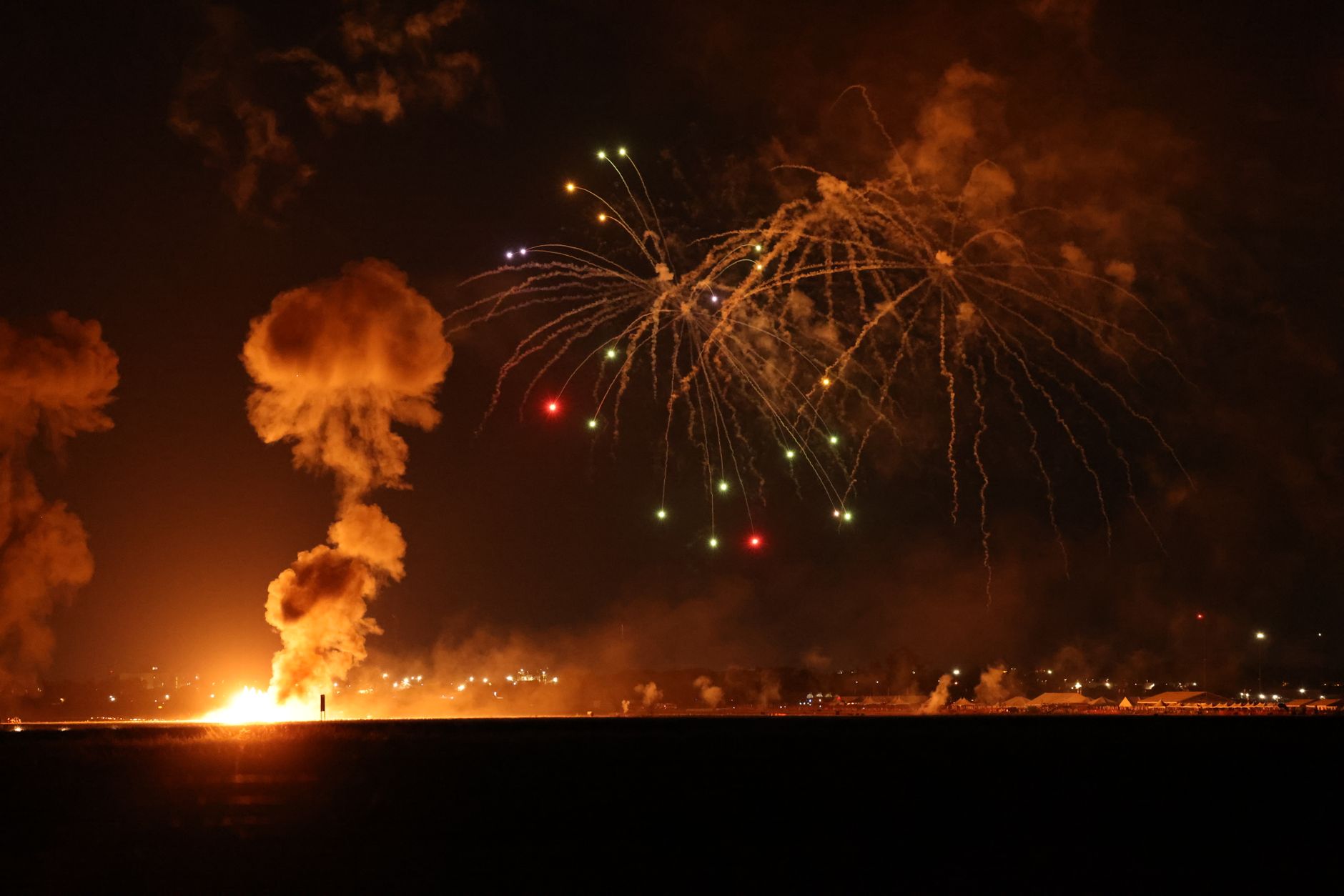
- These retaliatory strikes by the United States against facilities in Iraq and Syria, reportedly linked to Iran's Islamic Revolutionary Guard Corps (IRGC) and its proxies, have intensified fears of a broader regional conflagration, drawing immediate condemnation from Tehran.
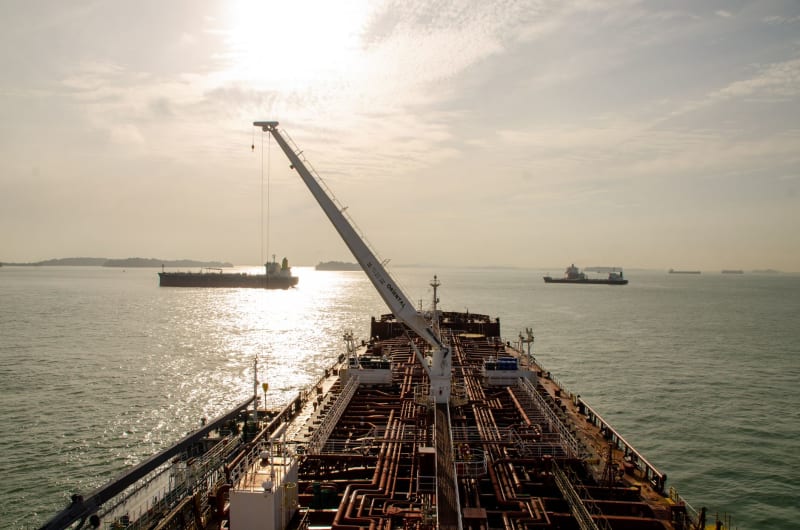
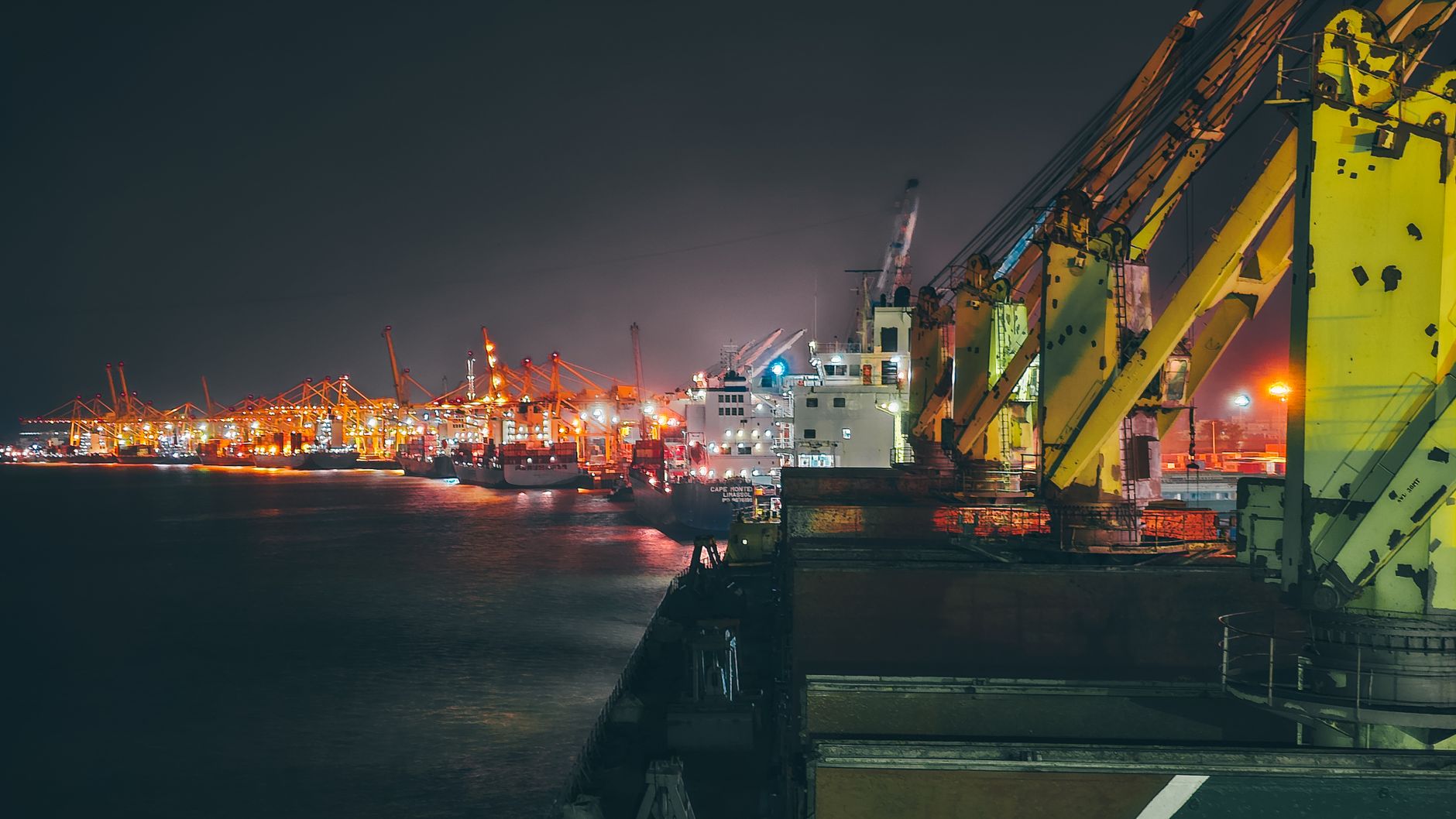
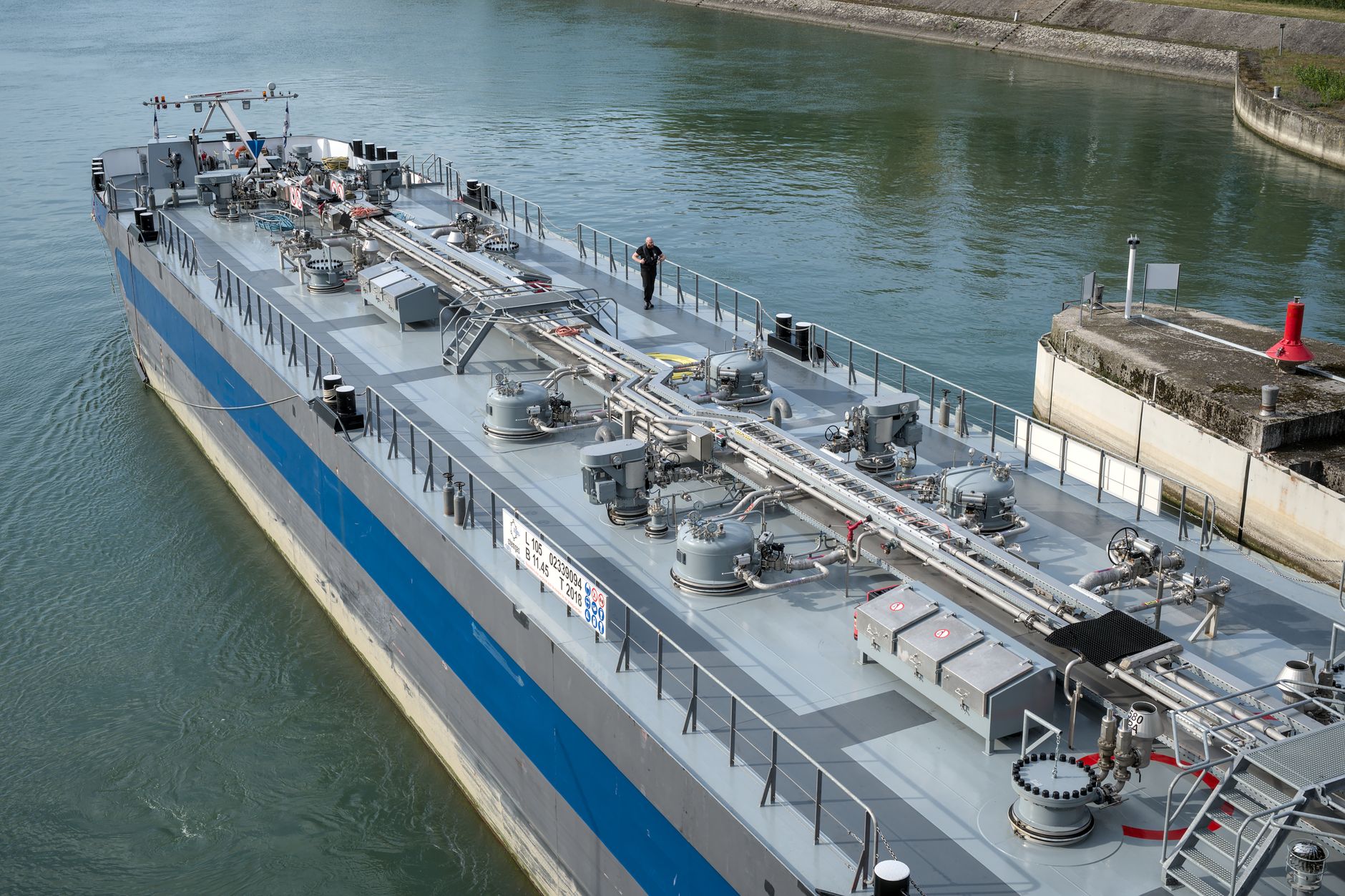
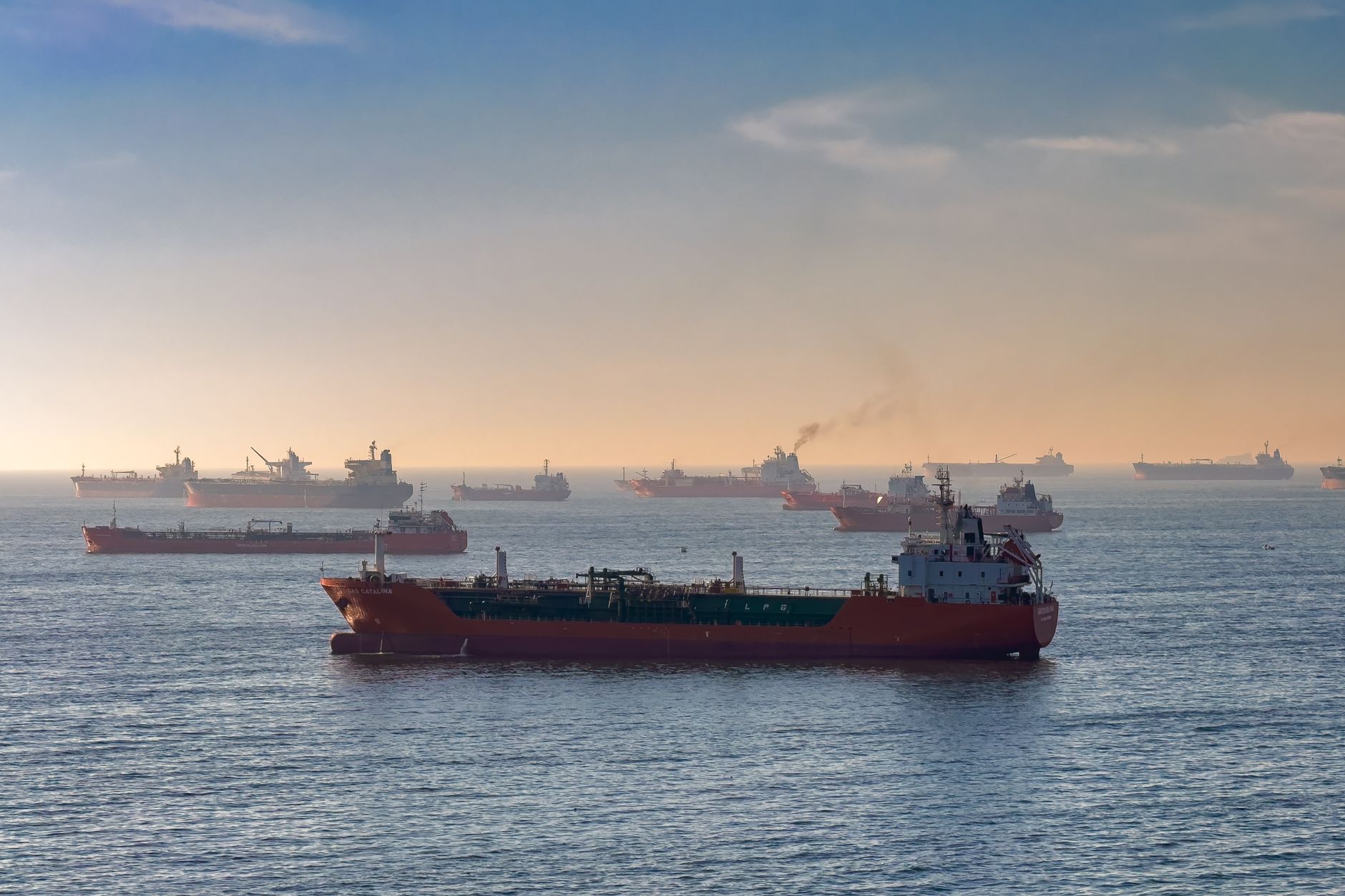
- The Strait of Hormuz, a critical choke point for global oil shipments, is now under heightened scrutiny, with analysts warning that any disruption could send shockwaves through international energy markets and severely impact the global economy.
- Iran has consistently denied direct involvement in the attacks on US forces, yet its extensive network of proxy militias across the region remains a persistent source of instability and a key instrument of its foreign policy objectives.
- International calls for de-escalation are growing louder, emphasizing the urgent need for diplomatic solutions to prevent the current tit-for-tat exchanges from spiraling into an uncontrollable, full-scale regional war with devastating consequences.
- The current crisis unfolds against a backdrop of complex geopolitical dynamics, including ongoing conflicts in Gaza and Ukraine, further complicating efforts to achieve stability and presenting a formidable challenge to global peacemaking initiatives.
The Human Face
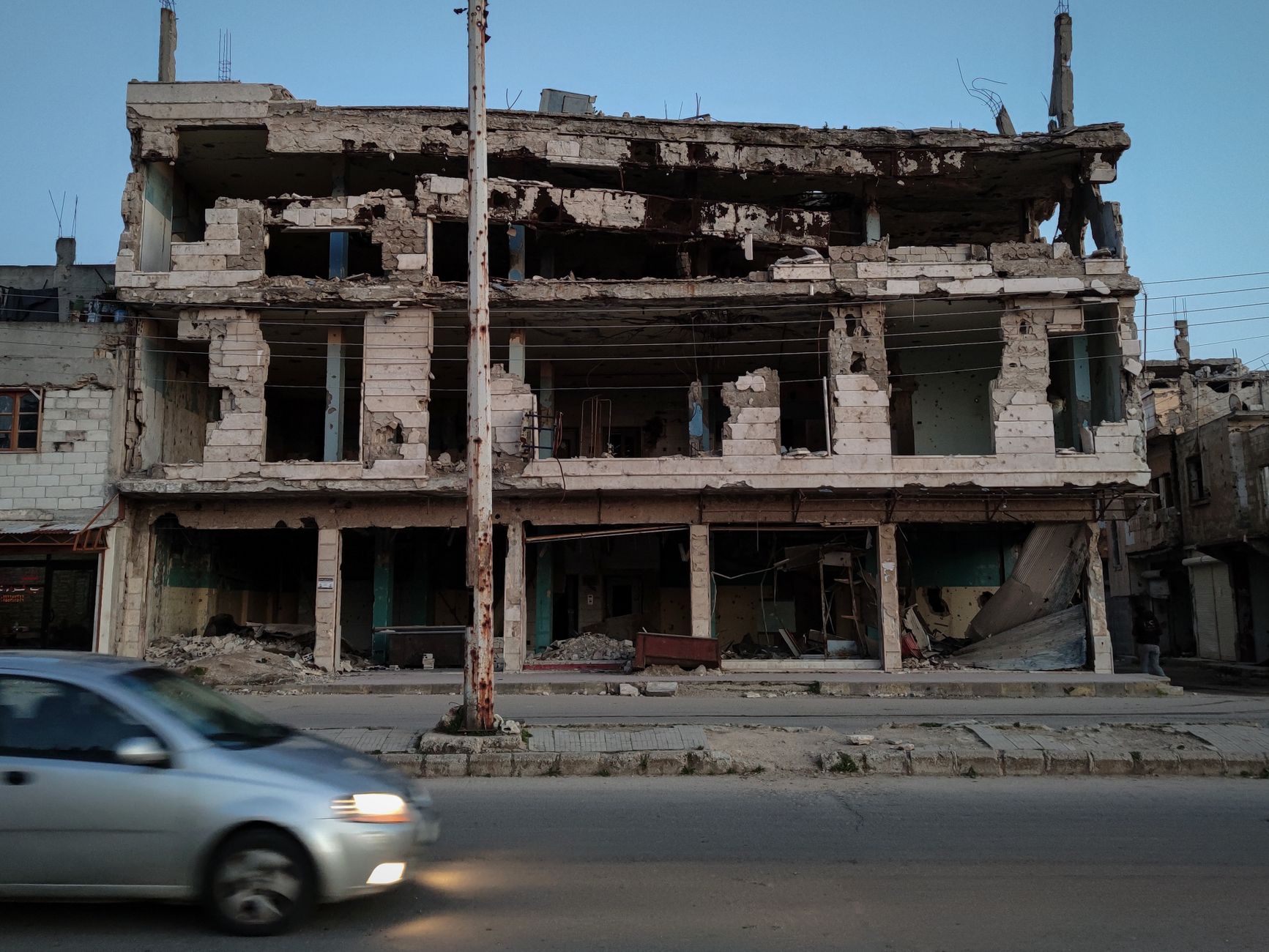
Beyond the geopolitical chess moves and military maneuvers, the escalating tensions between the US and Iran carry a profound human cost, primarily borne by the civilians caught in the crossfire. In Iraq and Syria, where many of these strikes and counter-strikes occur, ordinary families live under a constant cloud of fear, their daily lives punctuated by the threat of violence. Children are growing up in environments where the sound of distant explosions or the sight of military aircraft is tragically normalized, eroding their sense of safety and future prospects. The destruction of infrastructure, even if unintended, further cripples communities already struggling with poverty and displacement, making access to basic necessities like healthcare, clean water, and education increasingly precarious.
The ripple effects of this instability extend far beyond the immediate conflict zones. Economic sanctions, often a tool in these geopolitical struggles, disproportionately impact the most vulnerable populations, leading to shortages of essential goods and a collapsing job market. For young people, the lack of economic opportunity fuels despair and can make them susceptible to recruitment by various armed groups, perpetuating cycles of violence. Furthermore, the psychological toll on individuals and communities is immense, with widespread trauma, anxiety, and a pervasive sense of hopelessness becoming endemic in regions perpetually on the brink of war. These are the unseen scars of international power struggles, deeply etched into the fabric of human lives.
Moreover, the families of service members on all sides bear an agonizing burden. For American military families, each news report of an attack on US forces brings a fresh wave of anxiety and grief, as they grapple with the very real possibility of losing a loved one in a conflict thousands of miles away. Similarly, in Iran and among its allied militias, families mourn their dead and live with the constant dread of further casualties. These are not just statistics or strategic assets; they are fathers, mothers, sons, and daughters, whose lives are irrevocably altered by decisions made in distant capitals. Recognizing this profound human dimension is crucial for understanding the true gravity of the current escalation and the urgent need for a peaceful resolution.
How We Got Here
The current flashpoint between the US and Iran is not an isolated incident but the latest eruption in a decades-long saga of animosity, mistrust, and proxy warfare. The roots of this deep-seated antagonism trace back to the 1979 Iranian Revolution, which fundamentally altered the geopolitical landscape of the Middle East, transforming Iran from a key US ally into a staunch adversary. Subsequent events, including the Iran hostage crisis, the Iran-Iraq War, and Iran's pursuit of nuclear capabilities, have consistently fueled a cycle of suspicion and confrontation. The US has long viewed Iran's regional ambitions, particularly its support for various non-state actors, as a direct threat to its interests and the stability of its allies in the Gulf.
A critical turning point in recent history was the 2015 Joint Comprehensive Plan of Action (JCPOA), commonly known as the Iran nuclear deal. This agreement, intended to curb Iran's nuclear program in exchange for sanctions relief, offered a brief period of reduced tensions. However, the Trump administration's unilateral withdrawal from the JCPOA in 2018, followed by the re-imposition of crippling sanctions, shattered this fragile détente. This move was perceived by Iran as a profound betrayal and led to its gradual rollback of commitments under the deal, accelerating its nuclear enrichment activities and intensifying its regional assertiveness through its network of proxy militias. The assassination of Iranian General Qasem Soleimani in 2020 further pushed the two nations to the brink of direct military conflict, setting a dangerous precedent.
The recent escalation is also inextricably linked to the broader regional instability, particularly the ongoing conflict in Gaza. The war between Israel and Hamas has galvanized Iran's 'Axis of Resistance' – a network of allied groups including Hezbollah in Lebanon, Houthi rebels in Yemen, and various militias in Iraq and Syria. These groups have intensified their attacks on US personnel and interests in the region, ostensibly in solidarity with Palestinians and to pressure the US to influence Israel. The drone attack that killed three American soldiers in Jordan served as a critical trigger, prompting the US to launch significant retaliatory strikes. This tit-for-tat dynamic risks drawing both powers into a direct military confrontation, a scenario that regional and international actors desperately seek to avoid given the catastrophic potential consequences.
Why This Cannot Be Ignored
The escalating tensions between the United States and Iran are not merely a regional skirmish; they represent a critical threat to global stability, demanding immediate and sustained international attention. The most immediate and tangible risk lies in the potential disruption of the Strait of Hormuz, the world's most important oil transit choke point. Approximately one-fifth of the world's total petroleum liquids consumption, or about 21 million barrels per day, passes through this narrow waterway. Any significant closure or sustained disruption, whether through direct military action, mining, or blockades, would send oil prices skyrocketing, trigger a global energy crisis, and likely plunge the world economy into a severe recession. This would impact every nation, from developed economies reliant on stable energy supplies to developing countries struggling with inflation and resource scarcity.
Beyond the economic fallout, the potential for a wider regional war is terrifyingly real. The Middle East is already a tinderbox, riddled with complex, interconnected conflicts and a multitude of state and non-state actors with varying agendas. A direct military confrontation between the US and Iran could quickly draw in regional powers like Saudi Arabia and Israel, transforming localized skirmishes into a full-blown regional conflagration. Such a war would unleash unimaginable human suffering, trigger massive refugee flows, and destabilize governments across the entire region, creating a power vacuum that extremist groups could exploit. The implications for international security, counter-terrorism efforts, and global humanitarian aid would be catastrophic and long-lasting.
Furthermore, the current crisis has significant implications for international diplomacy and the global non-proliferation regime. Iran's continued advancement of its nuclear program, coupled with the breakdown of the JCPOA, raises serious concerns about its nuclear ambitions. A regional war could provide cover for Iran to accelerate its nuclear activities, potentially leading to a dangerous arms race in an already volatile region. The failure of major powers to de-escalate this situation also undermines the credibility of international institutions and the efficacy of diplomatic solutions for complex geopolitical challenges. The world cannot afford to ignore this escalating crisis; the stakes are simply too high for global peace, economic stability, and human security.
Possible Paths Forward
Navigating the perilous landscape of US-Iran relations requires a multifaceted approach, prioritizing de-escalation while simultaneously addressing underlying grievances. One immediate path involves intensified diplomatic engagement through back channels, leveraging neutral third parties like Oman, Qatar, or European nations to facilitate indirect talks. These discussions should aim to establish clear red lines, reduce miscalculation, and explore avenues for a mutual cessation of hostilities in the region. A crucial first step could be a de-escalation agreement regarding attacks on US forces and a reciprocal reduction in sanctions, creating a much-needed breathing room for more comprehensive negotiations. This requires both sides to demonstrate a genuine willingness to compromise and move beyond entrenched positions of animosity.
Another viable strategy involves a renewed focus on regional security dialogues that include all major stakeholders, not just the US and Iran. This could involve convening a Gulf security conference where regional powers, with international mediation, discuss shared security concerns, confidence-building measures, and mechanisms for conflict resolution. Addressing the proxy conflicts in Iraq, Syria, Yemen, and Lebanon through political settlements, rather than military means, is paramount. This would entail pressuring all actors, including Iran and its proxies, to disengage from destabilizing activities and encouraging local political processes that foster inclusivity and stability. The international community, particularly the UN Security Council, has a vital role to play in facilitating these dialogues and ensuring adherence to any agreements.
Finally, the long-term path forward must inevitably address the nuclear issue and the broader framework of a potential new nuclear deal. While challenging, a return to some form of the JCPOA, or a new, more comprehensive agreement that addresses both nuclear proliferation and regional security concerns, remains the most sustainable solution. This would require significant diplomatic heavy lifting, potentially involving a phased approach where trust is gradually rebuilt through verifiable actions from both sides. Simultaneously, the US must continue to strengthen its alliances in the region, ensuring a credible deterrence against aggression while always keeping the door open for dialogue. Without a clear and consistent diplomatic strategy, the region risks being trapped in an endless cycle of escalation and conflict, with devastating consequences for all involved.

Questions People Are Actually Asking
What to Watch
- **Iranian Response to US Strikes:** Closely monitor any further statements or actions from Tehran, particularly from the IRGC, regarding the recent US retaliatory strikes. The nature and scale of their response will indicate whether they seek to de-escalate or further escalate the current tit-for-tat exchanges.
- **Shipping in the Strait of Hormuz and Red Sea:** Keep a vigilant eye on any incidents involving commercial or military vessels in these critical waterways. Any attacks, blockades, or increased naval presence could signal a dangerous escalation with immediate global economic repercussions.
- **Diplomatic Initiatives and Third-Party Mediation:** Watch for any signs of renewed diplomatic efforts, either direct or through intermediaries like Oman or Qatar. The involvement of European powers or the UN in de-escalation talks will be a crucial indicator of potential pathways to peace.
- **Impact on Global Oil Prices:** Track the trajectory of crude oil prices. Significant spikes or sustained volatility will reflect market fears about supply disruptions from the Middle East, directly correlating with the perceived risk of conflict in the region.
- **Statements from Regional Allies (Saudi Arabia, Israel):** Pay attention to public and private communications from key US allies in the region. Their reactions and any independent actions they might take could further complicate or potentially help stabilize the volatile situation.
- **Internal Dynamics within US Administration:** Observe any shifts in rhetoric or policy from the US administration regarding its strategy in the Middle East, particularly concerning its troop presence and engagement rules. This will indicate the level of commitment to either deterrence or de-escalation.






Comments
No comments yet. Be the first to comment!