
Key Takeaways
- Recent Israeli airstrikes have targeted areas in southern Syria, specifically near the town of Quneitra, leading to significant civilian displacement and heightened regional instability.
- The attacks have primarily focused on alleged Iranian-backed militia positions and Syrian military sites, with Israel asserting its right to defend against perceived threats emanating from Syrian territory.
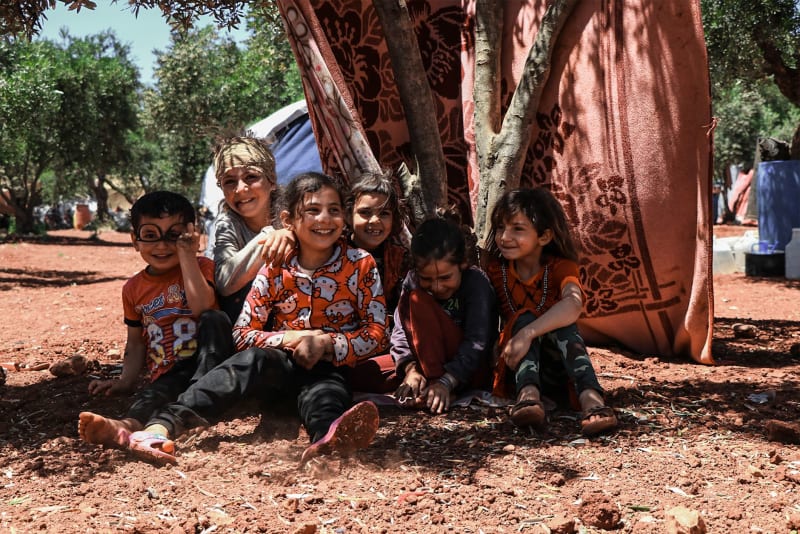
- Hundreds of families have been forced to abandon their homes, seeking refuge in safer areas, compounding an already severe humanitarian crisis in a region ravaged by years of conflict.
- International observers and aid organizations are expressing grave concerns over the escalating violence and its devastating impact on civilian populations, urging all parties to exercise restraint.
- These strikes underscore the complex and volatile geopolitical landscape of the Middle East, where multiple state and non-state actors are engaged in a protracted struggle for influence and security.
- The long-term implications of these repeated military engagements include increased refugee flows, further destruction of infrastructure, and a deepening of regional animosities, making a peaceful resolution increasingly elusive.
Background
The recent Israeli military operation in southern Syria represents a continuation of a long-standing pattern of cross-border engagements. For years, Israel has conducted numerous airstrikes within Syrian territory, primarily targeting what it identifies as Iranian military assets, Hezbollah weapon convoys, and Syrian military installations perceived as threats. These actions are consistently framed by Israeli officials as necessary measures to prevent Iran from establishing a permanent military foothold near its northern border and to thwart the transfer of advanced weaponry to proxy groups like Hezbollah.
Southern Syria, particularly the Quneitra province, holds immense strategic importance due to its proximity to the Israeli-occupied Golan Heights. This area has become a critical flashpoint where the interests of various regional and international powers intersect and clash. The Syrian regime, supported by Russia and Iran, seeks to reassert full control over its territory, while opposition groups, some backed by other regional players, continue to operate. This intricate web of alliances and antagonisms creates a highly volatile environment, where any military action can quickly escalate.
The current escalation follows a period of heightened regional tensions, particularly in the wake of ongoing conflicts and geopolitical shifts across the Middle East. The Syrian civil war, now in its second decade, has profoundly destabilized the region, creating vacuums exploited by various actors. Israel's consistent policy of preventing 'Iranian entrenchment' in Syria has been a driving force behind many of its military interventions, often leading to retaliatory actions or increased threats from opposing forces, trapping civilian populations in a perpetual cycle of fear and displacement.
Why It Matters
The latest Israeli assault in southern Syria carries profound implications, extending far beyond the immediate impact zone. The forced displacement of families underscores a severe humanitarian crisis, pushing already vulnerable populations further into destitution. These repeated acts of violence not only destroy homes and livelihoods but also shatter any semblance of stability for communities that have endured over a decade of brutal conflict. The international community's failure to address these cycles of displacement effectively perpetuates suffering and erodes trust in global humanitarian principles.
This escalation significantly heightens the risk of broader regional conflict. The Syrian theater is a complex geopolitical chessboard where Israel, Iran, Russia, the United States, and various non-state actors operate. Any miscalculation or overreach by one party could trigger a chain reaction, drawing in more players and potentially igniting a wider conflagration across the Middle East. The delicate balance of power is constantly tested, and civilian lives hang in the balance with every new strike, making de-escalation an absolute imperative.
Furthermore, these attacks challenge the already fragile international norms surrounding sovereignty and intervention. While Israel asserts its right to self-defense, its actions within Syrian territory raise complex questions about international law and the limits of cross-border military operations. The lack of a unified international response to these repeated incursions could set dangerous precedents, potentially encouraging other nations to undertake similar actions, thereby further destabilizing an already volatile global order. The long-term consequences for regional security and international law are dire if this pattern continues unchecked.
Ground Reality
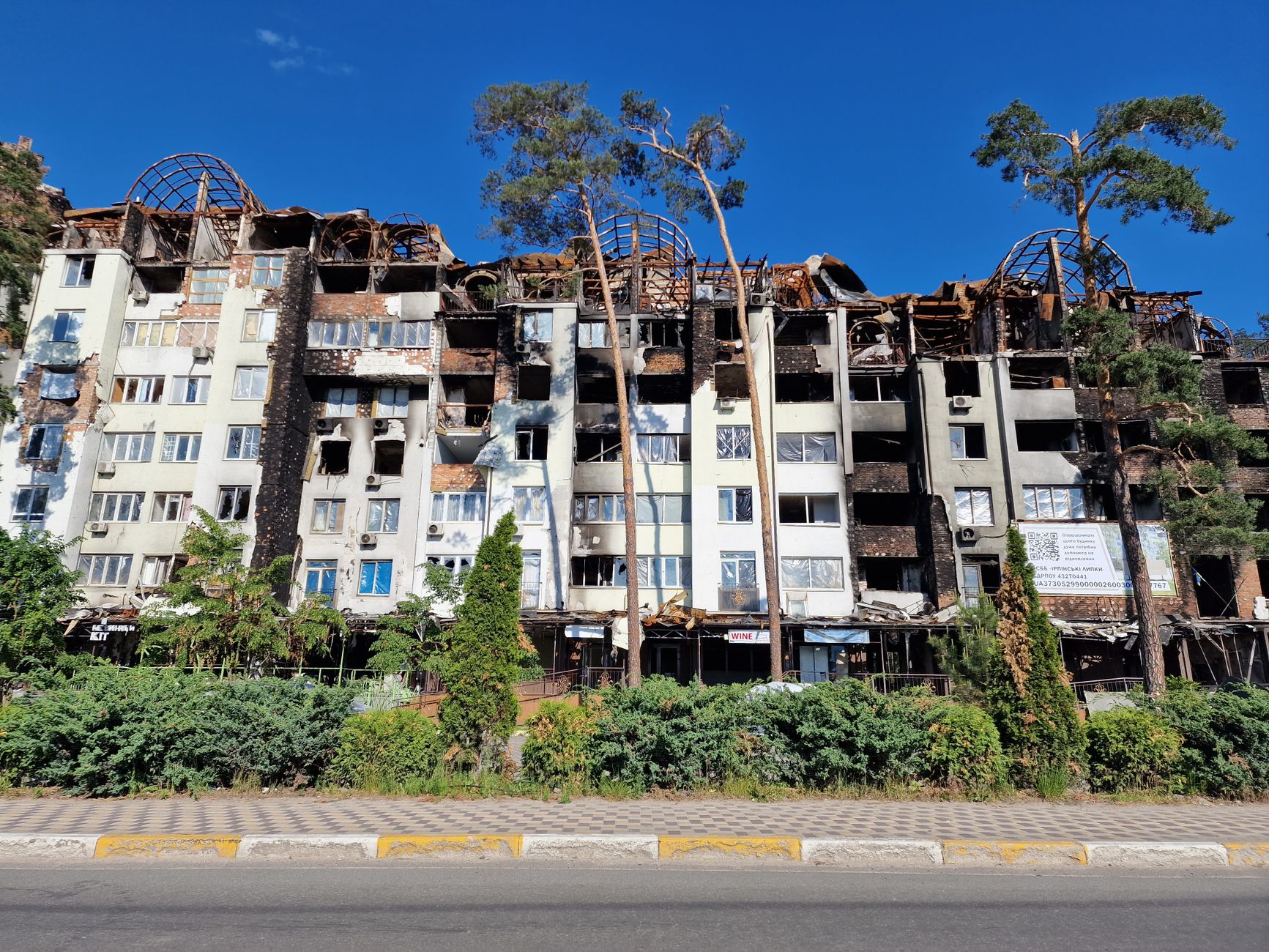
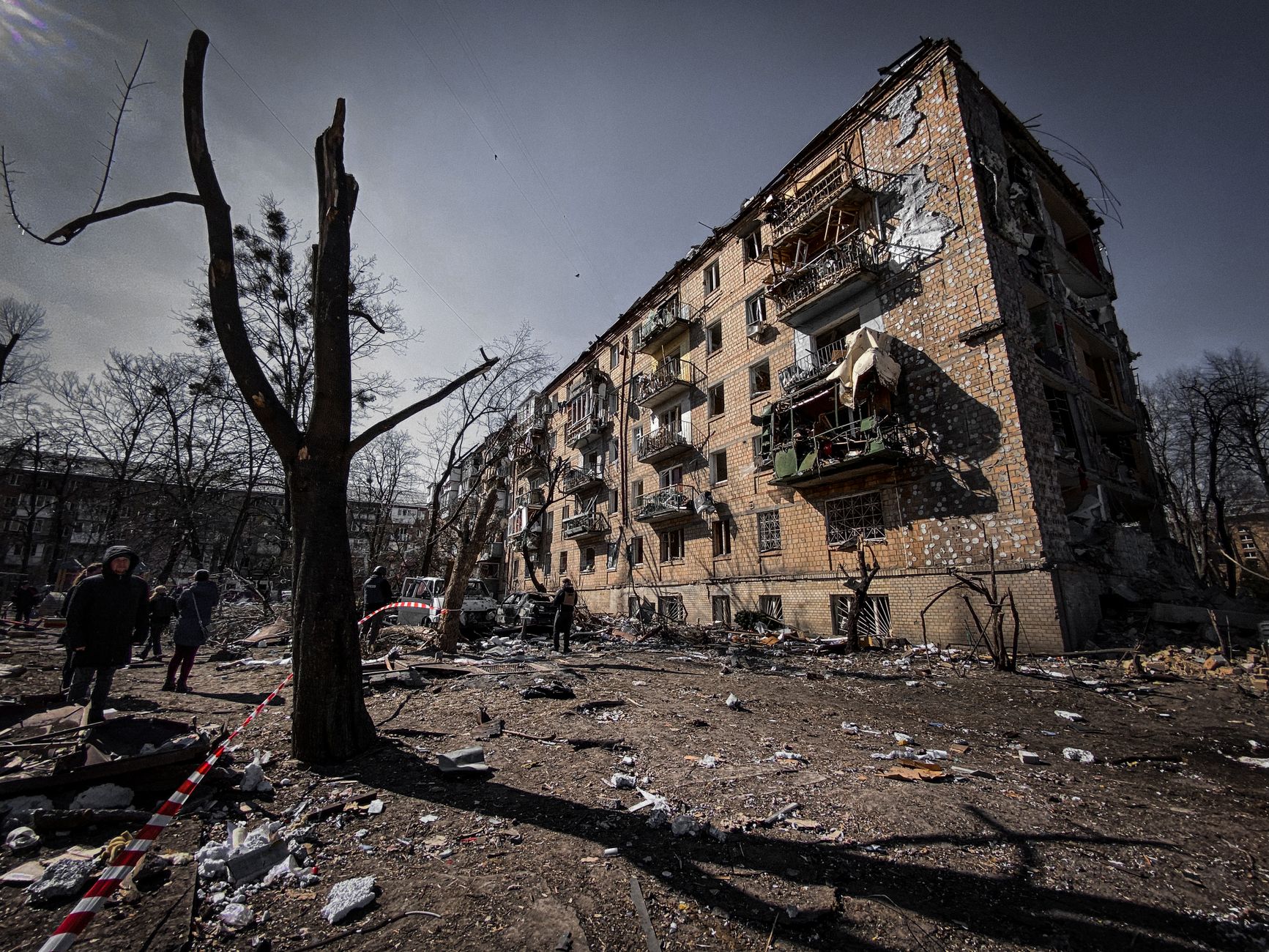
On the ground in southern Syria, the aftermath of the recent Israeli strikes is stark and immediate. Residents near Quneitra describe scenes of chaos and fear, with the sudden roar of jets followed by explosions that shake homes and shatter windows. The primary targets, often military sites or suspected militia positions, are frequently located close to civilian infrastructure, leading to inevitable collateral damage. This proximity forces families to make agonizing decisions, often fleeing with little more than the clothes on their backs, leaving behind their homes and meager possessions.
The humanitarian impact is devastating. Displaced families often seek shelter in makeshift camps or with relatives in already overcrowded areas, straining limited resources. Access to food, clean water, and medical care becomes even more precarious. Children, in particular, bear the brunt of this instability, experiencing trauma, interrupted education, and increased vulnerability to exploitation. Aid organizations struggle to provide adequate support amidst ongoing hostilities and logistical challenges, highlighting the urgent need for sustained humanitarian assistance and safe corridors for those fleeing violence.
Local reports indicate a pervasive sense of insecurity and despair among the populace. The repeated nature of these strikes means that communities live under constant threat, unable to rebuild or plan for the future with any certainty. The economic repercussions are also severe, as agricultural activities are disrupted, and vital infrastructure is damaged, further crippling an economy already devastated by years of conflict. The ground reality is one of profound human suffering, where the pursuit of geopolitical objectives overshadows the fundamental right to safety and stability for ordinary citizens.
What Experts Are Saying
Security analysts are largely in agreement that Israel's strikes in Syria are part of a calculated, long-term strategy to contain Iranian influence and prevent the establishment of a 'second front' on its northern border. Dr. Emily Harris, a Middle East security expert, notes, "These operations are not random acts of aggression but rather a consistent application of Israel's 'campaign between wars' doctrine, designed to degrade enemy capabilities without triggering a full-scale conflict. However, the risk of miscalculation remains incredibly high, especially with so many actors operating in close proximity." She emphasizes that while the immediate targets are often military, the broader objective is strategic deterrence.
Humanitarian aid specialists, however, offer a starkly different perspective, focusing on the devastating human cost. Dr. Omar Al-Hassan, a senior researcher on forced displacement, states, "While geopolitical objectives are often cited, the undeniable reality is that civilians are paying the heaviest price. Each strike, regardless of its intended target, contributes to the ongoing cycle of displacement, trauma, and poverty. The international community must prioritize the protection of civilians and ensure accountability for actions that violate humanitarian law, rather than merely observing the strategic chess game." He argues that the cumulative impact on communities is often overlooked in strategic analyses.
Regional political observers point to the complex interplay of international powers. Professor Anya Sharma, an expert on international relations, suggests, "The Syrian conflict has become a proxy battleground, and these Israeli strikes are just one manifestation of that. Russia's tacit acceptance, Iran's persistent presence, and the muted international response all contribute to an environment where such actions can continue. Until a comprehensive political solution for Syria is found, these localized conflicts will persist, fueled by external agendas and leaving the Syrian people trapped in the crossfire." She highlights the need for a broader diplomatic effort to address the root causes of instability.

Frequently Asked Questions
What Happens Next
The immediate future for southern Syria appears bleak, with expectations of continued Israeli military actions as long as perceived threats from Iranian-backed forces persist. Israel's 'campaign between wars' doctrine suggests that these strikes will likely remain a consistent feature of the regional security landscape, aimed at degrading enemy capabilities and deterring further entrenchment. This means that civilian populations in the vicinity of potential targets will continue to live under the constant shadow of conflict, with little hope for sustained peace or recovery in the short term.
The humanitarian crisis is poised to deepen further. As more families are displaced and infrastructure is damaged, the capacity of local and international aid organizations to provide adequate relief will be stretched to its breaking point. Without a significant increase in international funding and a concerted effort to establish safe zones and humanitarian corridors, the suffering of those caught in the crossfire will only intensify. The long-term effects of trauma, poverty, and lack of education will create a generation struggling to rebuild its future.
Geopolitically, the situation remains a powder keg. While a full-scale regional war might be avoided due to mutual deterrence, the risk of miscalculation or an unintended escalation remains ever-present. The involvement of multiple state and non-state actors, each with their own agendas and red lines, creates a highly volatile environment. Diplomatic efforts to de-escalate tensions and find a political resolution for Syria are more critical than ever, but currently appear insufficient to halt the cycle of violence that continues to destabilize the entire region.











Comments
No comments yet. Be the first to comment!