

Key Takeaways
- France has tragically recorded over 40 drowning deaths as an intense heat wave blankets Europe, pushing temperatures to extreme and dangerous levels.
- The escalating number of fatalities highlights the severe risks associated with seeking relief in water bodies during prolonged periods of high heat.
- Authorities are issuing urgent warnings and advising extreme caution near rivers, lakes, and the sea, emphasizing the unpredictable nature of water currents and the dangers of heatstroke.
- This crisis serves as a stark reminder of the human cost of climate change and the increasing frequency and intensity of extreme weather events across the continent.
- Emergency services are stretched thin, responding to heat-related illnesses and water rescue incidents, underscoring the need for robust public safety infrastructure and preparedness.
- Public health officials are urging vulnerable populations, including the elderly and young children, to stay indoors and hydrated, as the heat poses significant health risks beyond drowning.
Background
Europe is currently grappling with an unprecedented heat wave, with temperatures consistently soaring well above seasonal averages across numerous countries. This prolonged period of intense heat has placed immense strain on public health systems and infrastructure, leading to a surge in heat-related emergencies. France, in particular, has become a focal point of this crisis, with meteorological agencies reporting record-breaking temperatures in several regions. The relentless sun and arid conditions exacerbate the risk of heatstroke, dehydration, and other serious health complications, especially for the elderly, young children, and individuals with pre-existing medical conditions. The widespread nature of this heat event necessitates a coordinated response from governments and public health bodies to mitigate its impact and protect citizens from its deadly consequences.
The current heat wave is not an isolated incident but rather a stark manifestation of broader climate change trends. Scientists have long warned that global warming would lead to more frequent and intense extreme weather events, including prolonged heat spells. This year's scorching temperatures across Europe are consistent with these projections, demonstrating a clear and present danger to human life and ecosystems. The sustained high temperatures create a dangerous environment where outdoor activities become hazardous, and indoor spaces without adequate cooling can become deadly traps. The ripple effects extend beyond immediate health concerns, impacting agriculture, energy grids, and water resources, further compounding the challenges faced by societies.
As temperatures climb, many individuals seek refuge in natural water bodies, such as rivers, lakes, and the sea. While intended as a way to cool down, these activities have tragically turned fatal for many. The allure of a refreshing dip can be deceptive, as water temperatures may not always offer sufficient relief, and the physical exertion in extreme heat can lead to exhaustion. Furthermore, the sudden immersion in cooler water can shock the system, particularly for those suffering from heat-induced fatigue or dehydration. The combination of high ambient temperatures and the physical demands of swimming or water sports significantly elevates the risk of drowning, turning recreational activities into life-threatening situations for unsuspecting individuals across the continent.
Why It Matters
The alarming number of drowning deaths in France, exceeding 40 during this heat wave, serves as a critical indicator of the escalating dangers posed by extreme weather events. These fatalities are not mere statistics; they represent individual lives tragically cut short due to conditions exacerbated by rising global temperatures. This crisis underscores the urgent need for robust public safety initiatives and heightened awareness campaigns. As heat waves become more frequent and severe, communities must adapt their strategies for managing risks associated with high temperatures, including water safety. The preventable nature of many drowning incidents highlights systemic failures in preparedness and public education, demanding immediate attention from policymakers and community leaders alike.
This situation demands immediate and sustained attention because it directly impacts the well-being and safety of citizens. The loss of life due to drowning during a heat wave is a stark reminder that climate change is not a distant threat but a present reality with tangible, devastating consequences. It forces us to confront the vulnerability of human populations to extreme environmental conditions and the inadequacy of current protective measures. The economic and social costs associated with these tragedies, including the strain on emergency services and the grief of bereaved families, are substantial and far-reaching, necessitating proactive interventions rather than reactive responses.
Furthermore, the drowning incidents are symptomatic of a larger global challenge: adapting to a rapidly changing climate. The increasing frequency of extreme heat events necessitates a fundamental shift in how we approach public health, urban planning, and recreational safety. Ignoring these warning signs could lead to even greater loss of life and societal disruption in the future. The interconnectedness of climate, health, and safety means that addressing this issue requires a multi-faceted approach, involving international cooperation, policy reforms, and individual behavioral changes to build resilience against the escalating impacts of global warming.
Ground Reality
Across France, the reality on the ground is one of sweltering heat and heightened anxiety, particularly around water bodies. Beaches, rivers, and lakes, typically bustling with people seeking respite, have become scenes of both recreation and tragedy. Emergency services are reporting a significant increase in calls related to heat exhaustion, dehydration, and, most alarmingly, drowning incidents. Lifeguards and local authorities are struggling to manage the crowds while simultaneously enforcing safety regulations, which are often overlooked by individuals desperate to cool down. The sheer volume of people venturing into the water, combined with the physical toll the heat takes, creates a dangerous environment where accidents are tragically frequent.
The impact is particularly felt in communities near popular swimming spots, where local resources are stretched to their limits. Reports from coastal regions and inland waterways detail harrowing rescue attempts and the devastating aftermath of successful rescues that were too late. Families are being torn apart by sudden loss, and the psychological toll on first responders who witness these tragedies firsthand is immense. The heat wave forces a grim calculus, where the desire for relief clashes with the inherent risks of water activities, a balance that is proving increasingly difficult to maintain as temperatures continue to rise and remain stubbornly high.
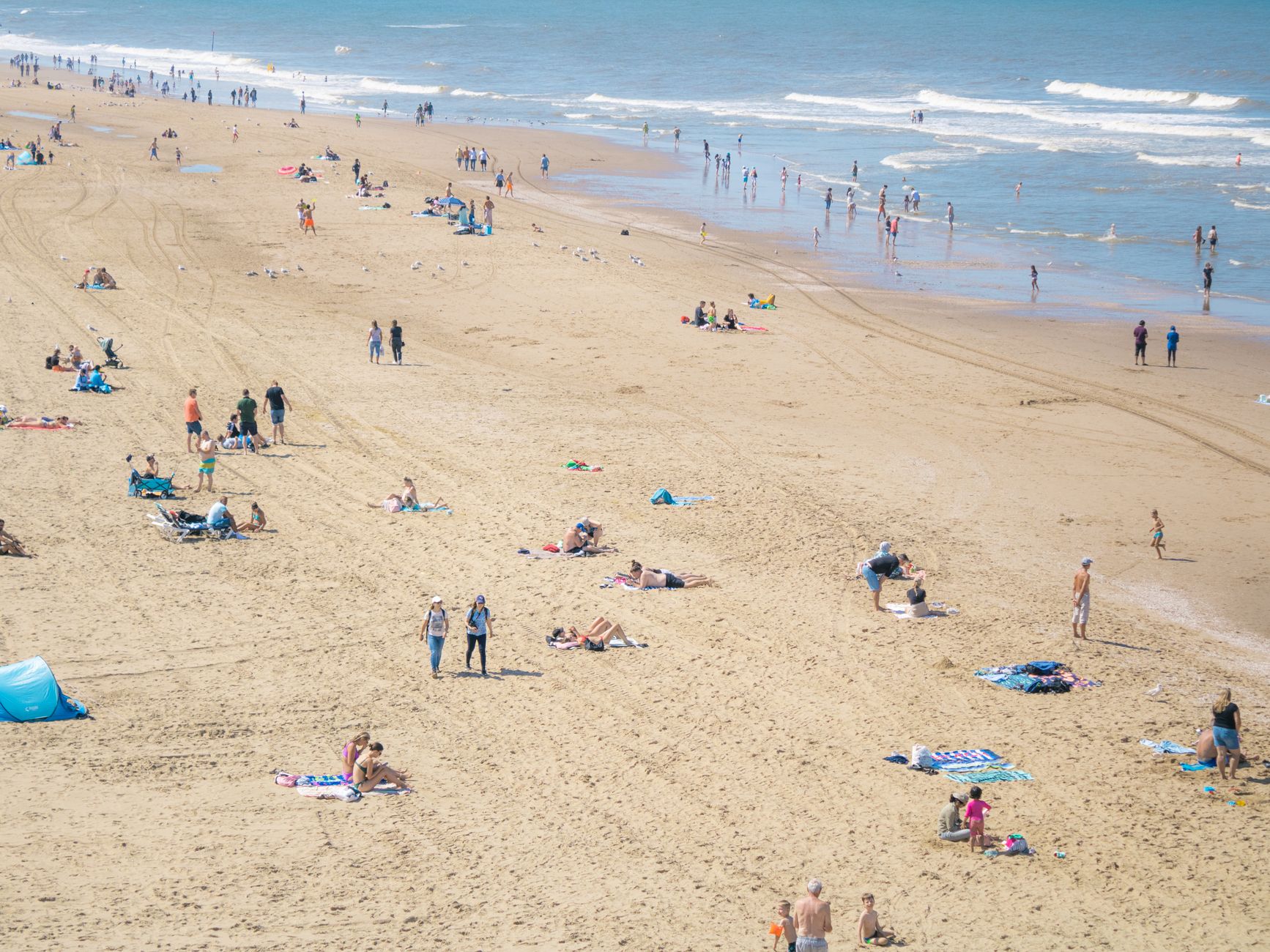
Public awareness campaigns are being amplified, urging extreme caution and advising against swimming alone or in unsupervised areas. However, the pervasive nature of the heat often overrides caution, leading people to take risks they might otherwise avoid. The visual of crowded waterways, while seemingly a sign of people enjoying themselves, masks a dangerous undercurrent of potential disaster. This disconnect between the perceived safety of a refreshing swim and the actual risks involved is a critical factor contributing to the high number of drownings, highlighting a gap in effective risk communication and public adherence to safety guidelines during extreme weather events.
What Experts Are Saying
Climate scientists are emphasizing that the current heat wave is a clear and present danger, directly linked to anthropogenic climate change. Dr. Isabelle Dubois, a leading climatologist at Sorbonne University, stated, "We are witnessing the predicted consequences of unchecked greenhouse gas emissions. These extreme heat events, coupled with their deadly side effects like drowning, will become more frequent and intense if significant global action is not taken immediately." Experts are urging a dual approach: immediate public safety measures to mitigate current risks and long-term strategies to combat climate change at its source. The focus on water safety during heat waves is crucial, as the temptation to cool off in rivers and lakes often leads to tragic outcomes when combined with heat-induced fatigue and poor judgment.
Public health officials are sounding the alarm about the cumulative impact of prolonged heat exposure. "Beyond the immediate tragedy of drownings, we are seeing a significant rise in heatstroke, cardiovascular emergencies, and exacerbation of chronic illnesses," commented Dr. Jean-Pierre Moreau, head of emergency medicine at a major Parisian hospital. "The strain on our healthcare system is immense, and the risks are disproportionately affecting the elderly and vulnerable populations. We need better public education on recognizing heat-related symptoms and taking preventative measures, alongside improved access to cooling centers and medical care."
Water safety experts are reiterating the importance of vigilance and preparedness. "People underestimate the dangers of water, especially when fatigued by heat," explained marine safety consultant, Sophie Martin. "Factors like hidden currents, sudden depth changes, and the body's reaction to extreme heat can quickly turn a pleasant swim into a life-threatening situation. We need more visible signage, increased lifeguard presence in popular areas, and continuous public service announcements emphasizing that no body of water is entirely safe during a heat wave, especially when combined with physical exertion."

Frequently Asked Questions
What Happens Next
As the heat wave shows no immediate signs of abating, emergency services and public health officials will continue to operate at heightened alert levels. Expect intensified public warnings and advisories regarding water safety and heat-related illnesses. Local authorities are likely to increase patrols around popular swimming spots, and potentially implement temporary restrictions or closures if safety conditions deteriorate further. The focus will remain on preventing further tragedies by reinforcing messages about the dangers of heat and water, urging citizens to exercise extreme caution and prioritize safety over seeking immediate relief in potentially hazardous environments.
In the coming days and weeks, there will be a critical need to assess the full impact of this heat wave, not only in terms of fatalities but also on public health infrastructure and essential services. Post-event analysis will likely inform future preparedness strategies, potentially leading to updated safety regulations for recreational water use and enhanced public education programs. Governments may also face pressure to accelerate climate action policies, given the stark reminder of the human cost of extreme weather events. The focus will shift towards long-term adaptation and mitigation efforts to build resilience against future climate-induced crises.
Looking further ahead, the tragic events unfolding in France serve as a potent catalyst for broader discussions on climate adaptation and public safety. The data collected during this period will be invaluable for refining predictive models and understanding the complex interplay between extreme heat, human behavior, and environmental risks. Communities will need to develop more sustainable strategies for managing heat, including urban planning initiatives that incorporate green spaces and cooling infrastructure. The ultimate goal is to foster a society better equipped to withstand and respond to the increasing challenges posed by a warming planet, ensuring that lessons learned from this crisis translate into concrete actions.

















Comments
No comments yet. Be the first to comment!