

Key Takeaways
- President Trump unexpectedly withdrew from signing a crucial bipartisan bill, a legislative effort meticulously crafted to significantly boost affordable housing initiatives across the nation and alleviate widespread housing insecurity.
- This comprehensive bill, the product of extensive and often difficult cross-party negotiations, aimed to streamline federal funding mechanisms and reduce burdensome regulatory hurdles for critical housing development projects.
- The abrupt cancellation was reportedly driven by concerns over potential inflationary impacts and perceived federal overreach, despite the legislation having garnered widespread support from a diverse coalition of housing advocates and community leaders.
- The sudden decision leaves the immediate future of vital affordable housing legislation in a state of profound uncertainty, directly impacting millions of Americans who are currently struggling with escalating housing costs and limited options.
- Lawmakers from both Republican and Democratic parties expressed deep disappointment and frustration, emphasizing the urgent and undeniable national need for effective, collaborative solutions to the persistent and worsening housing crisis.
- This executive action could significantly exacerbate existing housing shortages and affordability challenges, potentially worsening conditions for various demographics, including low-income families, young professionals, and the elderly.
Background
The affordable housing crisis has steadily intensified across the United States for well over a decade, manifesting as soaring rents and home prices that consistently outpace stagnant wage growth. This widening disparity has pushed a substantial portion of the population into precarious living situations, struggling desperately to secure safe, decent, and truly affordable housing. Despite numerous legislative proposals attempting to address this systemic issue, meaningful progress has frequently been stymied by entrenched partisan divides, making comprehensive solutions elusive.
Against this backdrop of political gridlock, a remarkable bipartisan bill emerged after months of painstaking negotiations between influential congressional leaders from both sides of the aisle. This carefully crafted legislation proposed a multi-pronged, comprehensive approach designed to stimulate housing supply, incorporating critical elements such as targeted tax incentives for developers, direct grants for local housing authorities, and crucial reforms to restrictive zoning laws that frequently impede new construction. It was widely lauded as a landmark effort, offering a tangible pathway to address a profoundly pressing national issue.
Initially, President Trump's administration had actively signaled its support for the nascent bill, with officials participating in key discussions and offering constructive feedback throughout its development. The eagerly anticipated signing ceremony was widely viewed as a significant political victory for both parties, symbolizing a rare moment of unity and a hopeful, decisive step towards alleviating the nation's severe housing crunch. Stakeholders spanning the entire housing sector—from non-profit organizations and construction firms to tenant advocacy groups—had universally lauded the collaborative spirit and potential impact of this groundbreaking legislative endeavor.
Why It Matters
Affordable housing transcends mere economic calculations; it stands as a fundamental human right, intricately linked to the bedrock of health, education, and overall social stability. When housing costs devour an inordinate portion of household income, families are left with no choice but to drastically cut back on other vital necessities, precipitating a cascade of negative consequences: poorer health outcomes, significant educational disadvantages for children, and an alarming increase in rates of homelessness. This bipartisan bill was specifically designed to directly mitigate these profound and interconnected societal problems, offering a critical lifeline to vulnerable communities.
The economic implications of fostering a robust and accessible affordable housing sector are undeniably substantial and far-reaching. A strategic increase in housing supply not only works to stabilize volatile markets but also generates thousands of much-needed construction jobs and injects significant vitality into local economies. Conversely, a persistent dearth of affordable housing options can severely stifle economic growth by restricting labor mobility and placing an unsustainable burden on already strained social services. The proposed legislation, therefore, represented a crucial pathway to unlock significant economic benefits by directly confronting and rectifying a core market failure.
From a political standpoint, the bipartisan genesis of this bill represented an exceptionally rare moment of unity within an increasingly polarized and deeply divided Congress. Its abrupt failure to pass now sends a profoundly discouraging message regarding the capacity of lawmakers to genuinely collaborate on critical national issues that demand collective action. Furthermore, this incident starkly highlights the inherent fragility of legislative progress, particularly when confronted with last-minute executive intervention, a dynamic that could potentially chill and deter future cross-party initiatives on other equally pressing national matters.
Ground Reality
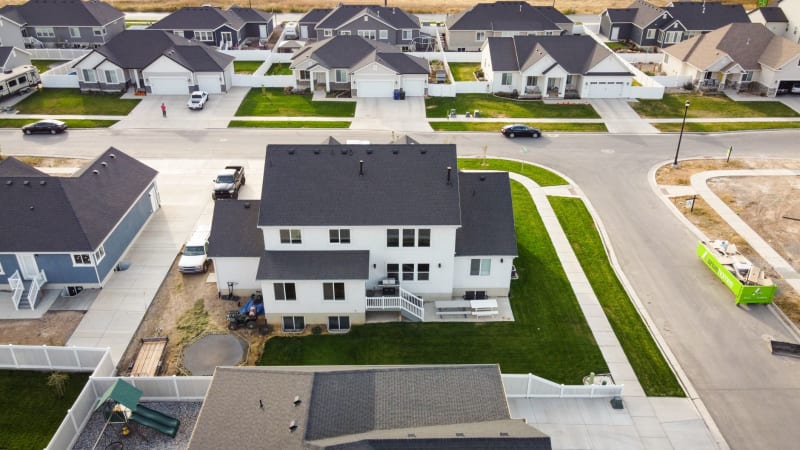
Across the vast expanse of America, millions of families are currently grappling with the harsh, often brutal, realities of a housing market that has become increasingly unattainable. It is now common for rent burdens to exceed 30% of household income, leaving alarmingly little disposable funds for absolute essentials like nutritious food, critical healthcare, or quality education. In major metropolitan areas, the situation is even more dire, characterized by intense bidding wars for rental properties and home prices soaring to unprecedented, exclusionary levels, effectively pushing essential workers and young families out of vibrant urban centers.
The sudden cancellation of this critical bill unequivocally means that any immediate, much-needed relief for these struggling households will remain frustratingly elusive. Without robust federal intervention designed to incentivize crucial development and streamline cumbersome processes, local communities will undoubtedly continue to face formidable uphill battles in their attempts to expand their affordable housing stock. This unfortunate scenario perpetuates a devastating cycle of housing insecurity, disproportionately affecting already vulnerable populations such as low-income families, minority groups, and the elderly, who are consistently the most susceptible to volatile market fluctuations.
Community organizations and dedicated housing non-profits, which are often the frontline responders in this crisis and rely heavily on predictable federal support and clear policy frameworks, will now find their vital efforts significantly hampered. Many of these groups had already commenced meticulous planning for new projects, basing their strategies on the anticipated passage of this landmark legislation, and now confront profound uncertainty regarding future funding streams and regulatory clarity. This severe setback could not only delay but potentially halt critical housing initiatives that were on the cusp of breaking ground, thereby further entrenching the pervasive housing crisis at the local level.
What Experts Are Saying
Housing economists universally concur that a truly multi-faceted approach, meticulously combining robust supply-side incentives with targeted demand-side assistance, remains absolutely essential for effectively tackling the complex affordable housing crisis. Dr. Emily Chen, a leading and highly respected housing policy expert, emphatically noted, "This bipartisan bill contained many of the evidence-based strategies that we know definitively work to alleviate housing shortages. Its unfortunate failure to pass represents a significant and deeply regrettable missed opportunity to implement comprehensive, scalable solutions at a national level, which is desperately needed across every state and community."
Urban planners and social scientists consistently highlight the profound and often overlooked long-term societal costs directly attributable to inadequate housing. Dr. Robert Davies, a distinguished urban studies professor, powerfully commented, "When individuals and families lack stable, secure housing, virtually every other critical social indicator suffers dramatically – from public health outcomes and educational attainment to community safety and crime rates. Investing proactively in affordable housing is far from mere charity; it is unequivocally smart public policy that consistently yields substantial, measurable returns in human capital development and overall community well-being." The bill's cancellation regrettably underscores a persistent disconnect between federal policy and pressing social needs.
Legal scholars specializing in administrative law have voiced significant concerns regarding the potentially damaging precedent established by such an abrupt and unexpected cancellation of a legislative agreement. Professor Anya Sharma, a prominent expert in the field, cogently stated, "While the President undeniably possesses executive discretion, unilaterally withdrawing from a meticulously crafted bipartisan agreement at the eleventh hour, particularly one addressing an issue as critically important as affordable housing, can severely erode public trust in the entire legislative process. Moreover, it creates an environment of profound unpredictability for future policy initiatives, making collaboration far more difficult." This executive move could indeed have lasting and detrimental implications for any future bipartisan efforts.

Frequently Asked Questions
What Happens Next
The immediate aftermath of this unprecedented cancellation will almost certainly involve a period of intense political finger-pointing and a reinvigorated, often contentious, debate over the most effective approach to the nation's affordable housing crisis. Congressional leaders, especially those who passionately championed this bipartisan effort, will be compelled to fundamentally reassess their legislative strategies. While it remains plausible that key elements of the failed bill could be repackaged or strategically integrated into future legislative proposals, overcoming the profound current setback will undoubtedly demand extraordinary political will and a fresh, arduous round of negotiations.
Housing advocates and the deeply affected communities will undoubtedly intensify their pressure on lawmakers to take decisive action. The pervasive national housing crisis is demonstrably not diminishing; in fact, it continues to worsen, and the urgent need for comprehensive solutions remains paramount. This mounting pressure could manifest in various forms, including increased grassroots activism, intensified lobbying efforts, and widespread public awareness campaigns meticulously aimed at keeping affordable housing squarely at the forefront of the national agenda. Consequently, the focus might increasingly shift towards state and local governments to attempt to fill the significant void left by federal inaction, albeit often with severely limited resources.
Looking ahead, this unfortunate incident could very well serve as a stark cautionary tale for all future bipartisan legislative efforts, powerfully highlighting the inherently precarious nature of legislative agreements, particularly within an increasingly volatile and highly polarized political environment. Any subsequent attempts to pass comprehensive housing reform will almost certainly face heightened scrutiny and deep-seated skepticism from all sides, thereby making genuine consensus even more challenging to achieve. The long-term implications of this executive action for both national housing policy and the prospects of future inter-party cooperation are undeniably significant and deeply concerning.

















Comments
No comments yet. Be the first to comment!