
Key Takeaways
- A series of powerful earthquakes, including significant back-to-back tremors, have violently shaken Venezuela, with the capital city of Caracas experiencing the most severe impacts.
- Numerous buildings have reportedly collapsed or sustained critical structural damage across Caracas, raising immediate concerns for the safety of residents and the stability of urban infrastructure.
- Emergency services are struggling to respond to the widespread destruction, with rescue operations hampered by debris, damaged roads, and the ongoing threat of aftershocks.
- The seismic event has highlighted the vulnerability of Venezuela's infrastructure, particularly in older or poorly maintained structures, exacerbating existing societal challenges.
- International aid and support are being urgently assessed as the full scale of the disaster and the immediate needs of the affected population become clearer.
- The long-term implications for Venezuela's already strained economy and social fabric are significant, requiring a coordinated and sustained response to recovery and rebuilding efforts.
Background
Venezuela, situated in a seismically active region along the northern edge of the South American tectonic plate, has a history of experiencing earthquakes. The nation's geological setting, characterized by complex fault lines and proximity to the Caribbean plate boundary, makes it susceptible to seismic events of varying magnitudes. While major earthquakes are not a daily occurrence, the potential for significant tremors has always been a consideration for urban planners and emergency management agencies. The country's infrastructure, much of which was developed decades ago, faces varying degrees of seismic resilience, with older buildings and those constructed with less stringent building codes posing a greater risk during seismic activity.
The recent seismic activity in Caracas and surrounding areas represents a stark reminder of these underlying geological realities. The intensity and proximity of the tremors have unfortunately coincided with a period where the nation's capacity for disaster response may be strained due to economic and political challenges. This situation creates a complex environment for managing the immediate aftermath of such a disaster, from coordinating rescue efforts to providing essential services to those displaced or injured. The impact is not merely physical; the psychological toll on residents, coupled with the disruption to daily life and economic activities, adds layers of complexity to the crisis.
Understanding the historical context of seismic activity in Venezuela is crucial for appreciating the significance of the current event. While specific regions might be more prone to tremors, any significant earthquake can have widespread consequences, especially in densely populated urban centers like the capital. The frequency and magnitude of past seismic events, though perhaps less dramatic than the current incident, have informed building regulations and emergency preparedness strategies over the years. However, the effectiveness and implementation of these measures can be influenced by various factors, including available resources and the political climate, making each seismic event a unique test of the nation's resilience.
Why It Matters
The recent earthquake event in Venezuela is critically important due to the immediate threat it poses to human life and safety. The collapse of numerous buildings in Caracas, a densely populated capital city, means that thousands of residents could be trapped, injured, or displaced. The immediate aftermath requires rapid and effective search and rescue operations, which are often hampered by damaged infrastructure, including roads and communication lines. The potential for significant casualties underscores the urgency of the situation and the need for swift mobilization of emergency services, both domestic and potentially international, to mitigate the loss of life and provide critical medical assistance to the injured.
Beyond the immediate human toll, the earthquake has profound implications for Venezuela's already fragile infrastructure and economy. The destruction of buildings, including potentially vital public facilities and commercial centers, will necessitate massive reconstruction efforts. This comes at a time when Venezuela is grappling with severe economic challenges, which could severely limit its capacity to fund such extensive rebuilding projects. The disruption to economic activity, supply chains, and essential services will likely exacerbate existing hardships for the population, potentially leading to increased social instability and further strain on public resources.
This event also serves as a critical indicator of Venezuela's preparedness for natural disasters. The extent of damage and the effectiveness of the response will reveal much about the state of the nation's infrastructure resilience, emergency management capabilities, and the accessibility of resources for disaster relief. In a region prone to seismic activity, understanding how well the country can withstand and recover from such shocks is vital for long-term stability and development. The international community will be closely watching, as the situation may necessitate humanitarian aid and could influence regional stability and migration patterns.
Ground Reality
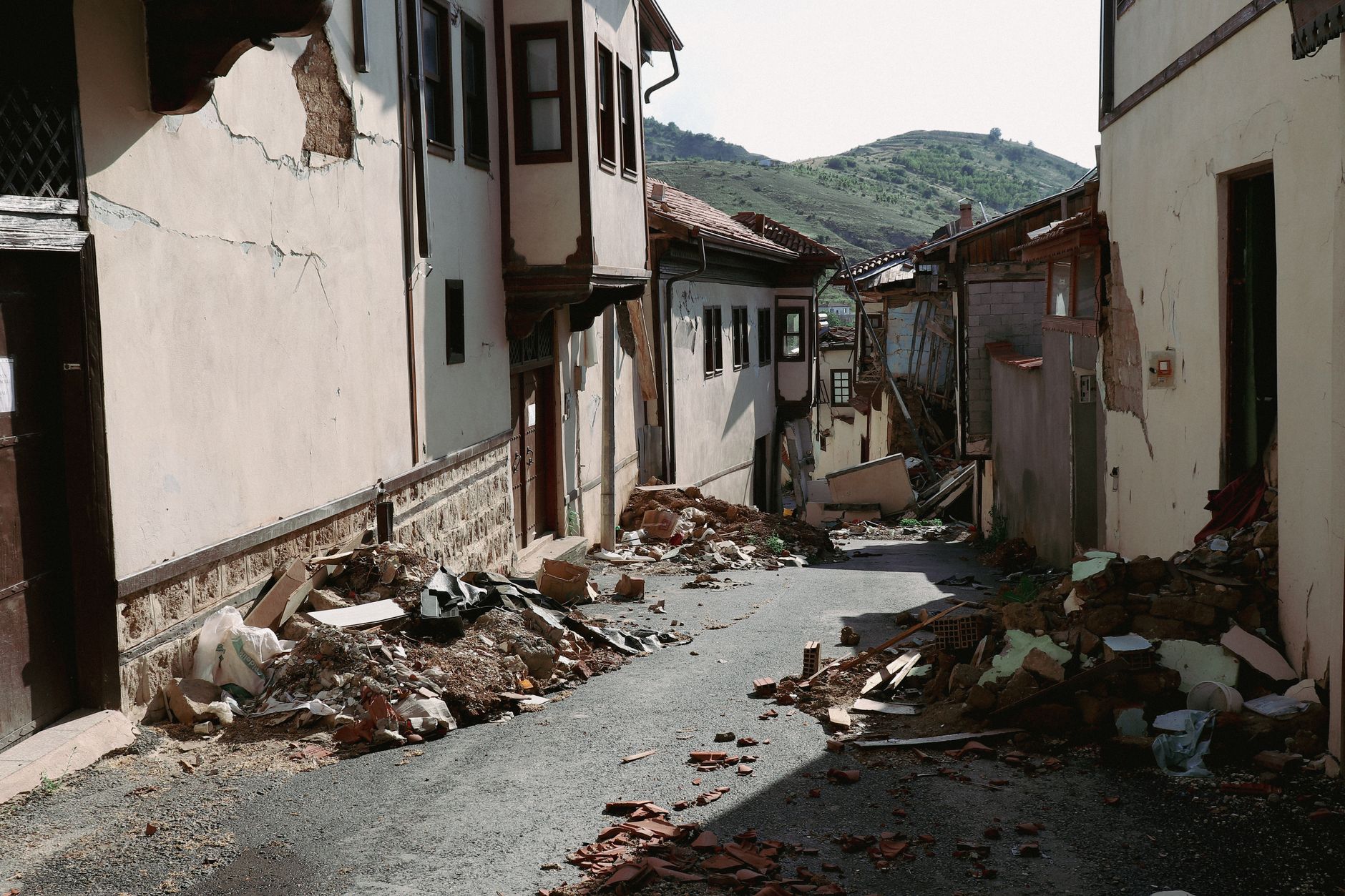
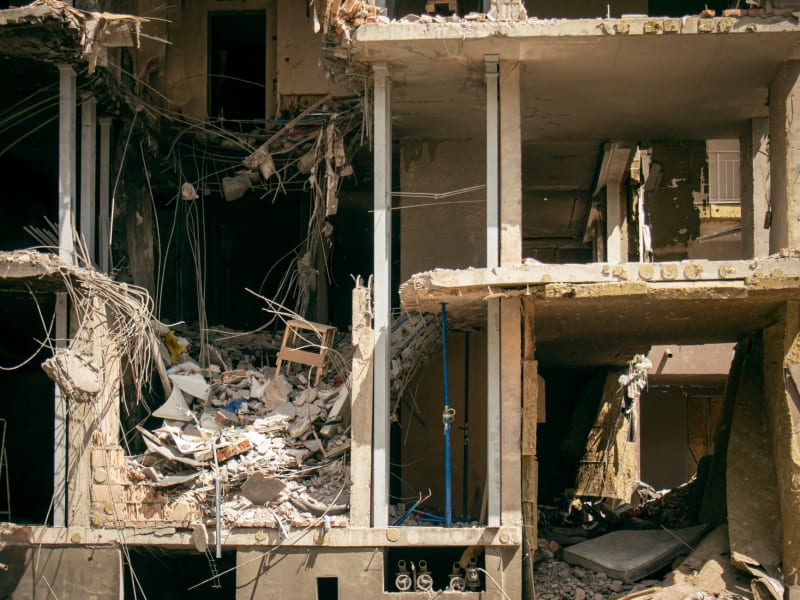
Reports emerging from Caracas paint a grim picture of widespread destruction and chaos in the immediate aftermath of the powerful earthquake sequence. Residential buildings, some appearing to be older structures with visible signs of wear, have crumbled, turning neighborhoods into scenes of devastation with piles of rubble where homes once stood. Emergency sirens are a constant backdrop, but the scale of the disaster appears to be overwhelming initial response efforts. Access to affected areas is severely restricted due to debris-filled streets and damaged roadways, making it incredibly difficult for rescue teams to reach those potentially trapped inside collapsed structures. The air is thick with dust, and the pervasive fear of aftershocks keeps residents on edge, many of whom have fled their damaged homes and are seeking safety in open spaces.
The human impact is palpable, with eyewitness accounts describing scenes of desperation as people frantically search through debris for loved ones. Many are injured, with limited access to immediate medical attention as hospitals may also be damaged or overwhelmed. The lack of reliable power and communication in many affected zones further complicates rescue efforts and hinders the ability of individuals to contact family or emergency services. The psychological toll is immense, with residents grappling with the shock of the event, the loss of property, and the uncertainty of what comes next. The immediate need for shelter, food, water, and medical supplies is immense, and the coordination of these resources in a challenging environment is a significant hurdle.
The seismic activity has not been confined to residential areas; reports suggest that critical infrastructure, including parts of the transportation network and potentially utilities, may have sustained damage. This not only impedes rescue operations but also threatens to disrupt essential services for a wider population in the coming days and weeks. The ongoing threat of aftershocks creates a persistent danger, forcing people to remain displaced and adding to the overall anxiety. The resilience of the community is being severely tested, and the coming hours and days will be critical in determining the effectiveness of the emergency response and the initial steps towards recovery.
What Experts Are Saying
Seismologists are emphasizing the complex geological setting of Venezuela, noting that the country lies in a region with significant fault lines that can generate powerful earthquakes. Dr. Elena Ramirez, a geophysicist specializing in South American tectonics, stated, 'The back-to-back nature of these tremors suggests a complex rupture process along a significant fault system. It's crucial to monitor aftershock activity closely, as these can continue for days or even weeks and pose a persistent threat to already weakened structures.' Experts are also highlighting the importance of building codes and their enforcement, particularly in urban centers like Caracas, where population density increases the potential impact of seismic events. The age and maintenance of buildings are critical factors in determining their resilience.
Urban planning and disaster management specialists are expressing concern over the potential strain on Venezuela's emergency response capabilities. Professor Carlos Mendez, an expert in disaster resilience, commented, 'While the immediate focus must be on search and rescue, the long-term recovery will be a monumental task. Venezuela's current economic situation could significantly challenge its ability to fund reconstruction and provide sustained support to affected populations. International cooperation and aid will likely be indispensable for a comprehensive recovery effort.' He also pointed out the need for robust early warning systems and public education campaigns to improve preparedness and reduce vulnerability in seismically active zones.
Infrastructure engineers are analyzing the potential impact on critical systems. 'The collapse of buildings indicates that many structures may not have met modern seismic safety standards, or that the intensity of the shaking exceeded design capacities,' noted engineer Sofia Vargas. 'We need to assess the integrity of bridges, power grids, water systems, and communication networks. Damage to these essential services can have cascading effects, hindering rescue efforts and prolonging the period of disruption for residents.' The focus will be on rapid damage assessment and prioritizing repairs to restore essential services as quickly and safely as possible.
Frequently Asked Questions
What Happens Next
In the immediate hours and days following the earthquake, the paramount focus will be on intensive search and rescue operations. Emergency services, bolstered by any available national and international assistance, will work tirelessly to locate survivors amidst the rubble. Concurrently, a critical assessment of damaged infrastructure will commence to identify immediate hazards and prioritize repairs to essential services like power, water, and communication networks. Medical teams will be working to treat the injured, and efforts will be made to establish temporary shelters and provide basic necessities like food and water to those displaced from their homes. The constant threat of aftershocks will necessitate ongoing vigilance and safety protocols for both rescue workers and the general population.
As the immediate crisis response stabilizes, the focus will shift towards a more comprehensive damage assessment and the initiation of recovery planning. This will involve detailed structural evaluations of damaged buildings to determine which can be repaired and which must be demolished. Engineers and urban planners will begin formulating long-term reconstruction strategies, considering seismic resilience in future construction. The economic implications will become clearer as the full cost of the damage and the required rebuilding efforts are quantified, likely necessitating significant financial planning and potentially international aid requests. Social support services will also be crucial to address the psychological impact on the affected population.
Looking further ahead, Venezuela will face the substantial challenge of rebuilding not just structures, but also community resilience. This involves not only physical reconstruction but also strengthening disaster preparedness measures, potentially updating building codes, and investing in public education regarding seismic safety. The long-term economic recovery will be intricately linked to the success of these rebuilding efforts. The government and international partners will need to collaborate closely to ensure sustainable development and to mitigate the risks of future seismic events, learning critical lessons from this devastating experience to better protect its citizens.











Comments
No comments yet. Be the first to comment!