
The Story in Brief
- Four individuals have tragically lost their lives in eastern Kentucky due to severe flooding, a direct consequence of relentless, heavy rainfall that has inundated the region for days.
- Kentucky Governor Andy Beshear officially declared a state of emergency, mobilizing critical resources and initiating a coordinated response to the unfolding disaster across multiple affected counties.
- Rescue operations are in full swing, with emergency crews working tirelessly to locate and evacuate stranded residents, many of whom are trapped by rapidly rising floodwaters and impassable roads.
- The catastrophic weather event has caused widespread power outages, leaving thousands of homes without electricity and further complicating relief efforts in already isolated communities.
- Numerous roads and bridges have been rendered impassable or completely destroyed, severely hampering access for emergency services and isolating many communities from essential supplies and aid.
- Officials are urging residents to remain vigilant, avoid flooded areas, and adhere strictly to evacuation orders, emphasizing the ongoing danger posed by unpredictable water levels and potential landslides.
The Human Face
The human toll of the eastern Kentucky floods is heartbreakingly evident, with four confirmed fatalities underscoring the brutal reality of this natural disaster. Each life lost represents a family shattered, a community grieving, and a stark reminder of the immense power of nature. These are not mere statistics; they are individuals whose lives were abruptly cut short by an unforeseen deluge, leaving behind a void that can never be filled. The immediate aftermath is a scene of profound sorrow and desperate searching, as families anxiously await news of missing loved ones amidst the chaos.
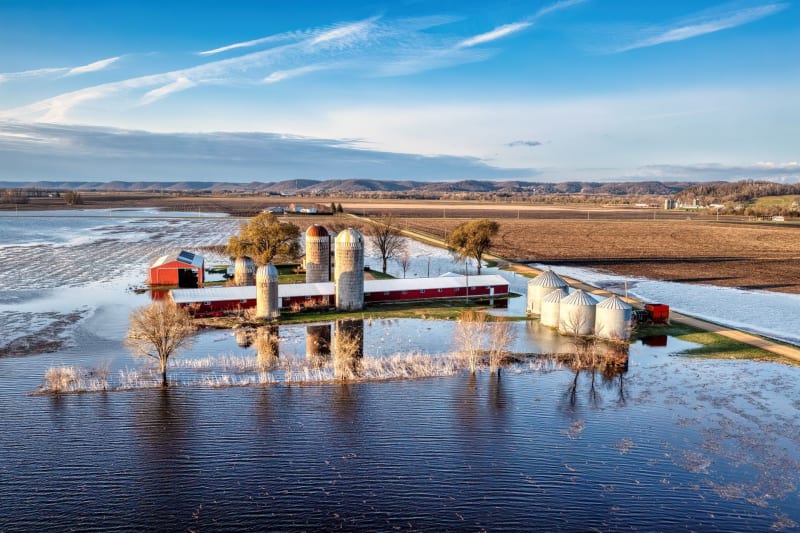
Beyond the tragic loss of life, countless residents are facing the devastating reality of losing their homes, their possessions, and their sense of security. Images emerging from the affected areas depict houses submerged up to their roofs, vehicles swept away, and entire communities transformed into watery ruins. The emotional and psychological impact on survivors is immense, as they grapple with the immediate trauma of evacuation, the uncertainty of their future, and the daunting task of rebuilding their lives from scratch. Many have lost everything they owned, leaving them with nothing but the clothes on their backs and a profound sense of despair.
The resilience of the human spirit, however, is also shining through amidst the devastation. Neighbors are helping neighbors, emergency responders are working around the clock with unwavering dedication, and volunteers are beginning to mobilize to offer aid. Yet, the scale of the destruction means that this recovery will be a marathon, not a sprint. The stories of families huddling on rooftops awaiting rescue, or individuals bravely navigating treacherous waters to save others, highlight both the extreme danger and the enduring compassion present in these dire circumstances. The collective effort to support those affected will be crucial in the long, arduous journey toward healing and reconstruction.
How We Got Here
Eastern Kentucky has been deluged by an extraordinary amount of rainfall, far exceeding typical summer patterns and overwhelming the region's natural drainage systems. Over the past several days, persistent, heavy downpours have saturated the ground to its maximum capacity, leaving nowhere for additional water to go. This relentless precipitation has transformed small creeks into raging rivers and caused major waterways to burst their banks, leading to flash floods that caught many residents off guard. The intensity and duration of the rainfall are key factors in understanding the rapid escalation of this disaster.
The geographical characteristics of eastern Kentucky, with its steep hills, narrow valleys, and numerous tributaries, make it particularly vulnerable to flash flooding. When heavy rains occur, water rapidly funnels into these valleys, causing water levels to rise with alarming speed. Decades of coal mining and logging in the region have also altered the landscape, potentially reducing the land's ability to absorb water and increasing runoff, exacerbating the flood risk. This combination of extreme weather and topographical vulnerability created a perfect storm for the current catastrophe.
Forecasters had issued warnings for severe weather, but the sheer volume of rain that materialized surpassed even the most dire predictions. The National Weather Service had highlighted the potential for significant flooding, yet the scale of the inundation has still proven overwhelming for local infrastructure and emergency preparedness. This event serves as a stark reminder of the increasing unpredictability and intensity of weather patterns, underscoring the urgent need for enhanced resilience measures and robust early warning systems in vulnerable regions.
Why This Cannot Be Ignored
The unfolding tragedy in eastern Kentucky is a critical reminder of the escalating risks posed by extreme weather events, which are becoming more frequent and intense across the globe. Ignoring this disaster would mean overlooking the profound human cost of climate change and environmental degradation, as vulnerable communities bear the brunt of these devastating impacts. The loss of life and widespread destruction in Kentucky underscore a broader pattern of climate vulnerability that demands immediate and sustained attention, not just locally but nationally and internationally.
Beyond the immediate humanitarian crisis, the long-term economic and social repercussions for eastern Kentucky will be immense. This region, already facing significant economic challenges, will now contend with the monumental task of rebuilding infrastructure, homes, and livelihoods. The disruption to local economies, the displacement of families, and the potential for lasting psychological trauma will require substantial and sustained investment in recovery and resilience. Failing to address these long-term impacts would condemn an already struggling region to deeper hardship and instability.
Furthermore, this event highlights critical questions about infrastructure resilience and emergency preparedness in the face of increasingly unpredictable weather. Are our current systems robust enough to withstand such extreme events? Are communities adequately supported with resources for prevention, response, and recovery? The Kentucky floods serve as a stark warning, urging policymakers and communities everywhere to re-evaluate their strategies for mitigating flood risks, protecting vulnerable populations, and adapting to a changing climate. The lessons learned, or ignored, from this disaster will have profound implications for future preparedness.
Possible Paths Forward
Immediate and robust emergency response remains the top priority. This includes deploying additional search and rescue teams, providing shelter and essential supplies to displaced residents, and ensuring access to medical care. The federal government, through agencies like FEMA, must swiftly coordinate with state and local authorities to streamline aid distribution and support critical infrastructure repairs. Establishing temporary housing solutions and food distribution centers will be crucial in the coming days and weeks to stabilize the situation for thousands of affected individuals. This rapid, coordinated response is the first essential step towards recovery.
In the medium term, a comprehensive rebuilding and resilience strategy is imperative. This involves not just repairing damaged infrastructure but actively investing in flood-resistant construction, improving early warning systems, and restoring natural floodplains where feasible. Communities need access to federal grants and low-interest loans to rebuild stronger and smarter, integrating climate adaptation measures into all reconstruction efforts. Furthermore, a thorough assessment of existing infrastructure vulnerabilities, especially bridges and roads, should inform future development plans to prevent similar catastrophic failures.
Looking ahead, a long-term vision for sustainable development in eastern Kentucky must address the root causes of vulnerability. This includes exploring economic diversification away from industries that might exacerbate environmental risks, investing in green infrastructure, and empowering local communities with the resources and knowledge to adapt to a changing climate. Education on flood preparedness, community-led resilience projects, and ongoing monitoring of environmental changes will be vital. This holistic approach, combining immediate relief with strategic long-term planning, offers the most promising path to recovery and future security for the region.

Questions People Are Actually Asking
What to Watch
- The progression of search and rescue operations: Monitoring efforts to locate missing persons and evacuate those still trapped by floodwaters will be critical, as the full human toll may not yet be known.
- The immediate needs of displaced residents: Watch for updates on shelter availability, food distribution, and medical aid, as thousands are without homes and essential services, requiring sustained support.
- Weather forecasts for the coming days: Any additional rainfall, even moderate, could exacerbate the already critical situation, hindering recovery efforts and potentially causing further flooding.
- The activation and deployment of federal aid: Observe how quickly and effectively federal resources, particularly from FEMA, are channeled to Kentucky to support state and local recovery initiatives.
- The long-term political and economic response: Pay attention to legislative proposals and funding allocations aimed at rebuilding infrastructure and implementing flood mitigation strategies for future resilience.
- The impact on local infrastructure: Monitor the assessment and repair timelines for damaged roads, bridges, and utilities, as their restoration is vital for economic recovery and community reconnection.
- Public health concerns: Keep an eye on potential health risks from contaminated water, mold growth in damaged homes, and access to healthcare for affected populations in the aftermath of the floods.

















Comments
No comments yet. Be the first to comment!