


The Numbers
- Oil prices have surged by over 15% in the last month alone, directly reflecting the heightened geopolitical risk premium now embedded in global energy markets, impacting everything from transportation costs to manufacturing expenses.
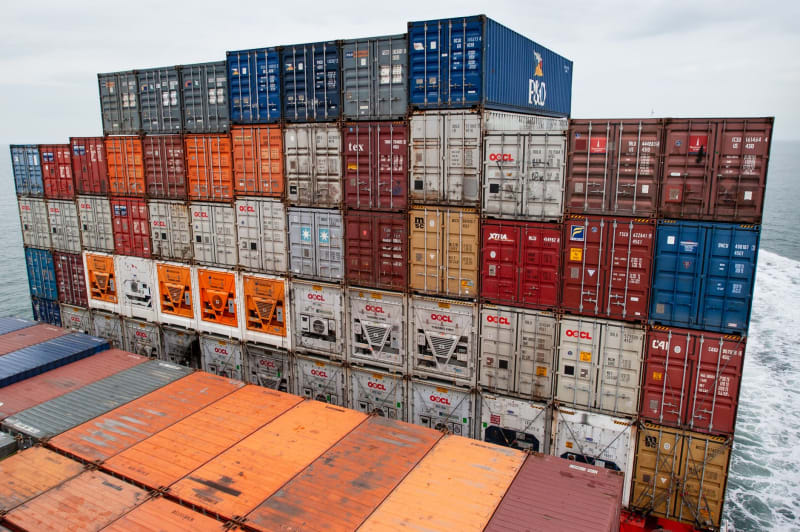
- Global shipping insurance premiums for routes through the Strait of Hormuz have quadrupled, making trade significantly more expensive and introducing substantial delays for critical supply chains reliant on this vital chokepoint.
- Investor confidence indices in emerging markets have plummeted by an average of 10 points, indicating a widespread flight to safety and a reevaluation of risk in regions perceived as vulnerable to the conflict's ripple effects.
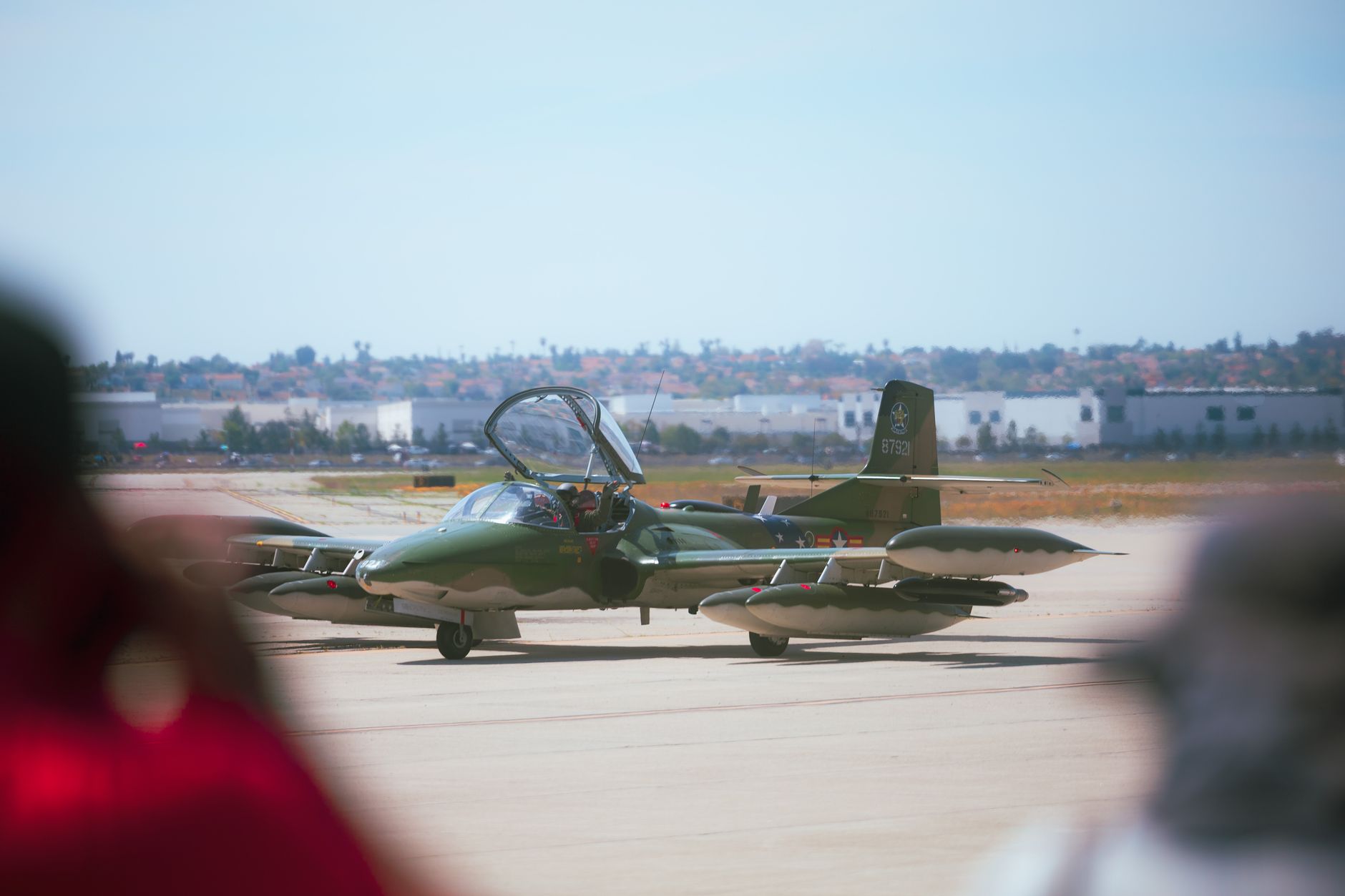
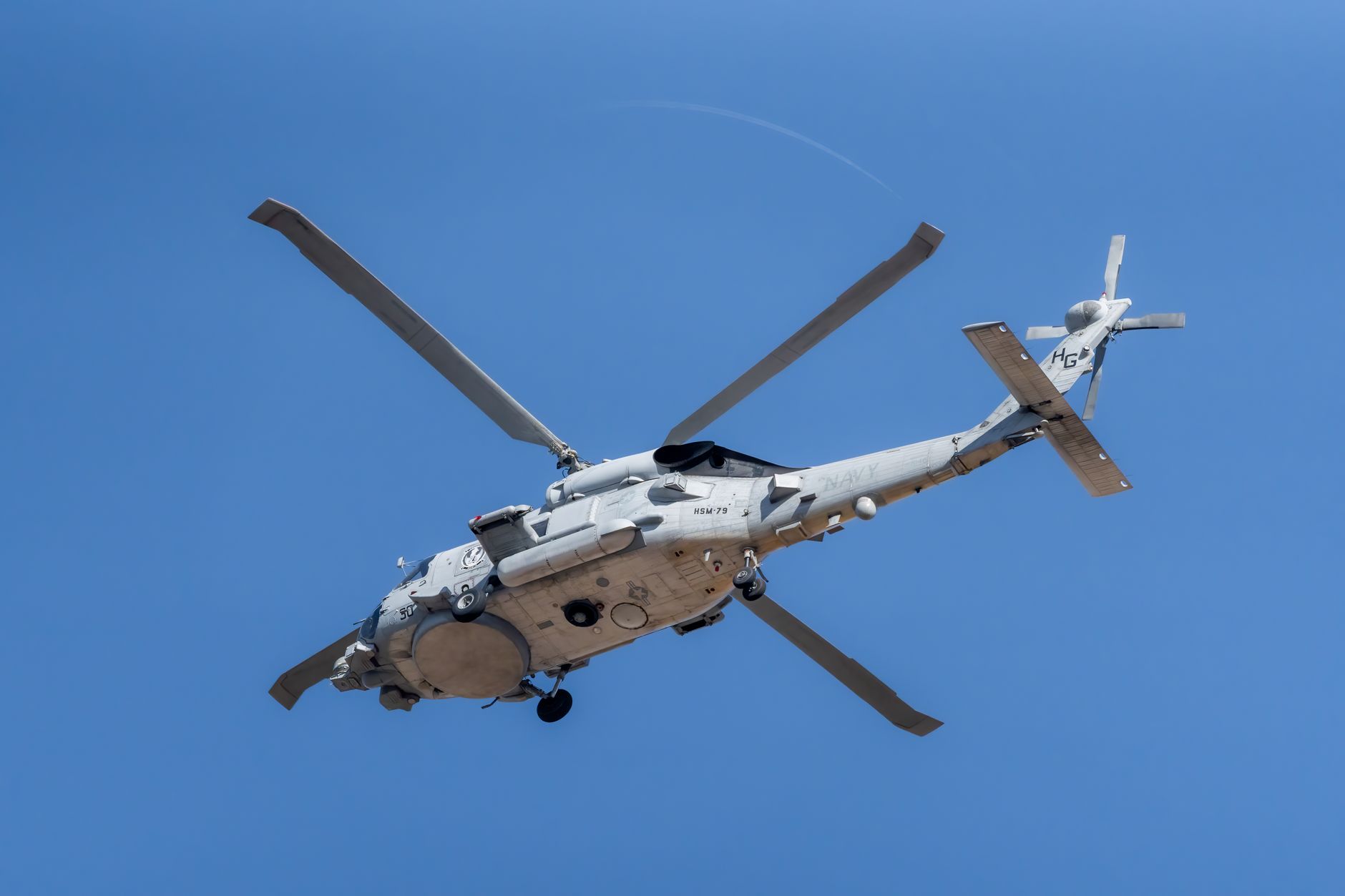
- Defense spending projections across NATO and allied nations are seeing an upward revision of at least 5%, signaling a global rearmament trend driven by the perceived instability and the need for enhanced security measures.
- The International Monetary Fund (IMF) has revised its global growth forecast downwards by 0.5 percentage points, directly attributing this adjustment to the economic uncertainties and potential disruptions stemming from the escalating tensions.
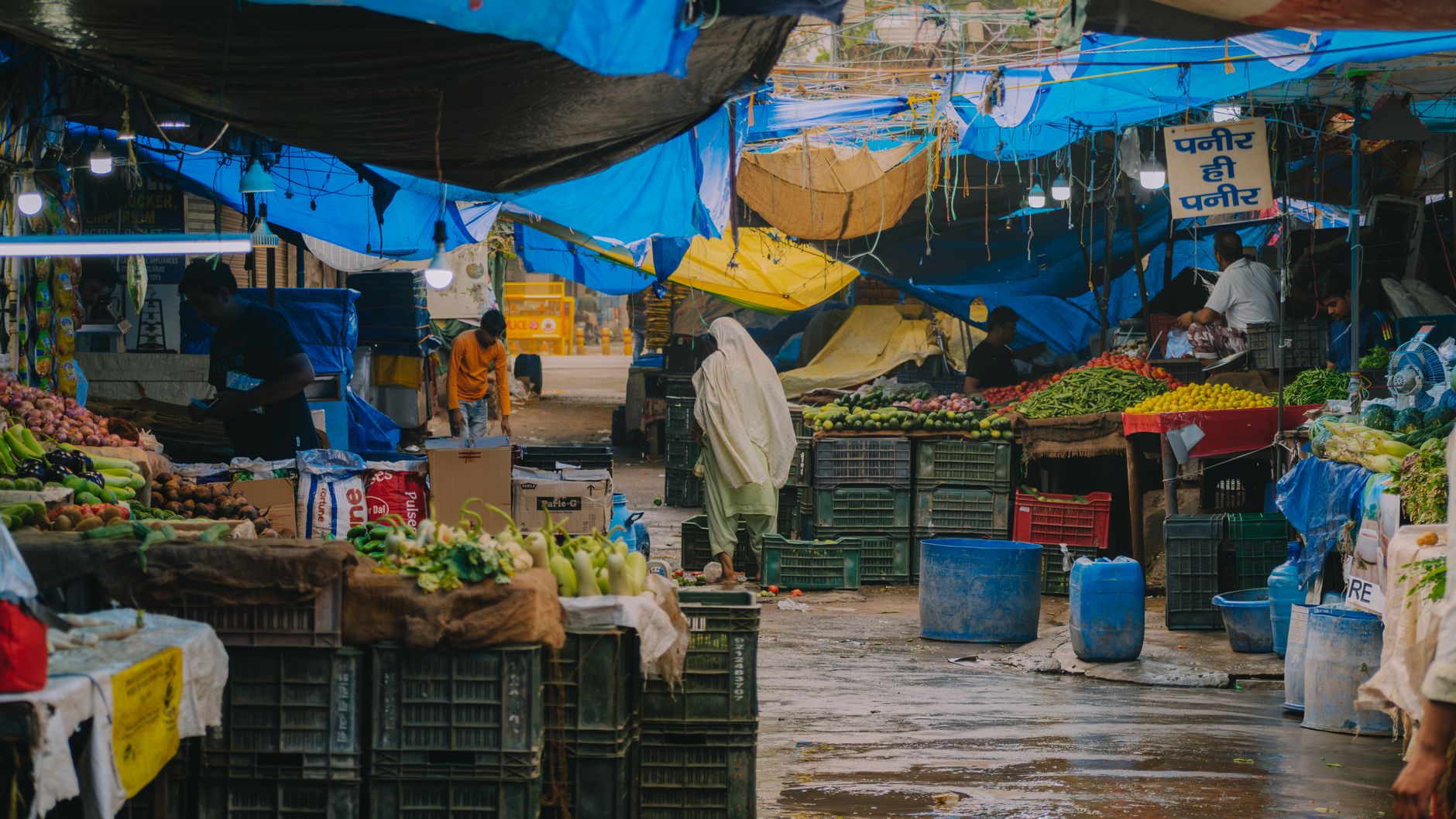
- Food commodity prices, particularly for grains and edible oils, have seen a 7% increase, driven by concerns over disrupted agricultural supply chains and the potential for reduced exports from conflict-affected or adjacent regions.
Context Check
The current escalation of tensions in the Middle East is not an isolated event but rather the culmination of decades of complex geopolitical maneuvering, proxy conflicts, and unresolved historical grievances. Understanding this intricate web of relationships, alliances, and rivalries is paramount to grasping the potential trajectory and impact of the present crisis. The region has long been a flashpoint for global powers, with its vast energy reserves and strategic waterways making it a critical arena for international influence and competition.
Recent developments, including targeted attacks, increased military posturing, and a noticeable hardening of diplomatic rhetoric, have pushed the region closer to a precipice. These actions are not merely symbolic; they represent a tangible shift in the risk landscape, forcing international actors to re-evaluate their strategies and contingency plans. The interconnectedness of global economies means that a conflict in one vital region can send shockwaves across continents, affecting everything from commodity prices to investor sentiment and the stability of supply chains.
The international community is now grappling with the urgent need to de-escalate the situation while simultaneously preparing for potential worst-case scenarios. This involves a delicate balancing act of diplomatic engagement, economic sanctions, and strategic deterrence. The stakes are incredibly high, not just for the immediate parties involved, but for the entire global order, which relies on a degree of stability and predictability in international relations. The current environment demands a comprehensive understanding of the multifaceted challenges at play.
Background
The historical backdrop to the current Middle East crisis is deeply rooted in a complex interplay of post-colonial boundaries, religious divisions, and the strategic interests of global powers. Since the early 20th century, the region has been a battleground for influence, particularly due to its immense oil reserves. The rise of various political ideologies, coupled with external interventions, has consistently fueled instability, creating a fertile ground for proxy conflicts and regional rivalries that continue to shape the present landscape.
Key turning points, such as the 1979 Iranian Revolution and subsequent conflicts like the Iran-Iraq War, fundamentally reshaped the regional power dynamics, establishing enduring enmities and alliances. The nuclear ambitions of certain states, alongside the proliferation of non-state actors, have further complicated this volatile mix, introducing new dimensions of threat and uncertainty. These historical events are not mere footnotes; they are active forces that continue to inform strategic decisions and public sentiment across the region.
In recent years, the delicate balance has been further eroded by the withdrawal from international agreements, the imposition of stringent sanctions, and an increase in military exercises and covert operations. These actions, often perceived as provocative, have systematically ratcheted up tensions, narrowing the diplomatic space and increasing the probability of miscalculation. The current situation is a direct consequence of this prolonged period of escalating friction, pushing the region to a critical juncture where the potential for broader conflict is alarmingly high.
Winners and Losers
In any significant geopolitical upheaval, there are invariably entities that stand to gain and those that face substantial losses. The current escalation in the Middle East is no exception, creating a stark delineation between potential beneficiaries and victims. Energy-exporting nations outside the immediate conflict zone, particularly those with stable production capabilities and diversified export routes, are poised to see increased demand and higher prices for their oil and natural gas, bolstering their national revenues and geopolitical leverage in the short to medium term.
Conversely, energy-importing nations, especially those heavily reliant on Middle Eastern crude and gas, will face immense economic pressure. Their industries will contend with soaring operational costs, consumers will endure higher prices at the pump and for utilities, and national economies could see inflationary spikes and reduced growth. Developing nations with limited financial reserves and high energy dependency are particularly vulnerable, risking significant economic instability and potential social unrest as basic costs of living rise dramatically.
Beyond energy, the defense industry stands to experience a significant boom as nations globally re-evaluate their security needs and increase military spending. Arms manufacturers, cybersecurity firms, and surveillance technology providers are likely to see expanded contracts and increased investment. However, global trade and shipping industries, particularly those operating through critical maritime chokepoints like the Strait of Hormuz, face severe disruptions, increased insurance costs, and heightened security risks, leading to significant financial losses and supply chain bottlenecks that could cripple international commerce.
Analyst Perspectives
Analysts are largely in agreement that the current trajectory of Middle East tensions poses an unprecedented threat to global economic stability. Edward Fishman, a prominent expert on sanctions and geopolitical risk, emphasizes that the economic repercussions extend far beyond just oil prices. He argues that the interconnectedness of modern financial systems means that disruptions in one critical region can trigger a cascade of negative effects, impacting everything from global trade finance to investment flows and the stability of sovereign debt markets. His analysis suggests that the long-term structural changes to global supply chains and energy security strategies could be profound and enduring.
Many experts are drawing parallels to previous periods of geopolitical uncertainty, yet they stress that the current situation is distinct due to the scale of global economic integration and the sophistication of financial markets. The consensus among geopolitical strategists is that while direct military conflict involving major powers remains a low-probability, high-impact event, the ongoing 'gray zone' warfare—characterized by cyberattacks, proxy skirmishes, and economic coercion—is already inflicting significant damage. This sustained pressure erodes confidence and introduces persistent volatility that businesses and investors find challenging to navigate.
Furthermore, economic forecasts from leading institutions like the World Bank and the IMF are being continuously revised downwards, reflecting the growing uncertainty. Analysts from major investment banks are advising clients to brace for increased market volatility, recommending diversification into safe-haven assets and a re-evaluation of exposure to regions directly or indirectly affected by the conflict. The prevailing sentiment is one of cautious pessimism, with a strong emphasis on the need for robust contingency planning by both governments and corporations to mitigate the inevitable economic fallout.
Key Questions Explained
The Outlook
The immediate outlook for the global economy, shadowed by the escalating Middle East conflict, remains undeniably grim. The specter of a full-blown regional war casts a long shadow over energy markets, threatening to push oil prices to unprecedented levels and trigger a global inflationary spiral. Businesses are already grappling with increased supply chain vulnerabilities, while investors are bracing for sustained market volatility and a potential flight to safety, signaling a period of profound economic uncertainty and retrenchment.
In the medium term, the world faces a critical juncture. Should the conflict de-escalate through concerted diplomatic efforts, a cautious recovery might begin, albeit with lingering scars of higher energy costs and recalibrated trade routes. However, a prolonged or expanded conflict would necessitate a fundamental reshaping of global energy security strategies, potentially accelerating the transition to renewable sources and driving significant investments in diversified supply chains, fundamentally altering the geopolitical and economic landscape for years to come.
Looking further ahead, the long-term implications are staggering. The conflict could catalyze a permanent shift in global power dynamics, fostering new alliances and challenging existing international norms. Economies might become more localized and resilient, less dependent on distant, vulnerable supply lines. While the path ahead is fraught with peril, it also presents an opportunity for nations to forge a more sustainable and secure global economic framework, albeit one born out of crisis and necessity.






Comments
No comments yet. Be the first to comment!