

What We Know
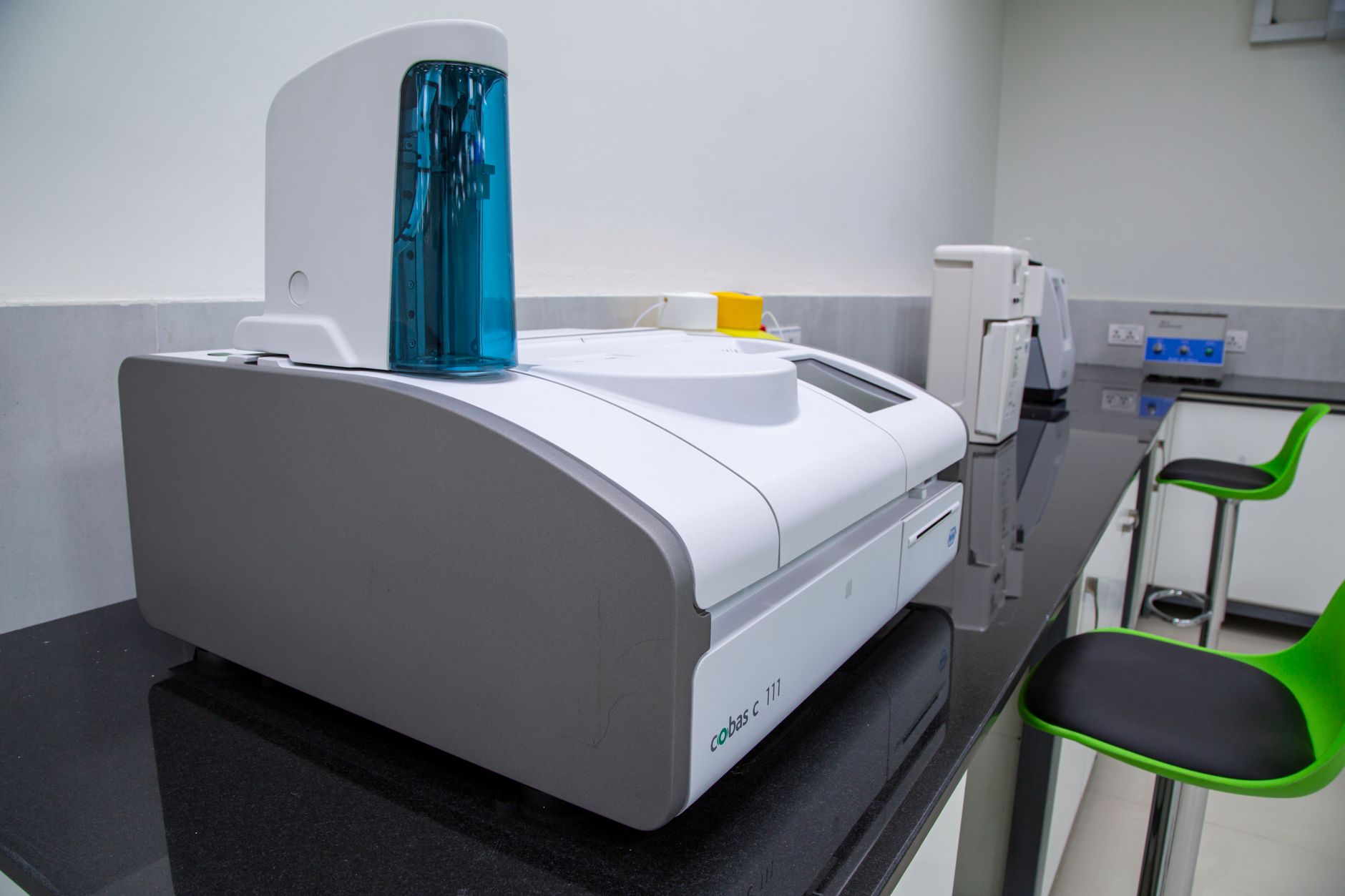
- AMDI™'s innovative Fast PCR System has successfully secured FDA 510(k) clearance, a critical regulatory milestone affirming its safety and effectiveness for diagnostic use in clinical settings.
- Accompanying the 510(k) clearance, the system also received a CLIA Waiver, significantly broadening its accessibility by allowing its operation in a wider array of non-laboratory healthcare environments, including physician offices and urgent care centers.
- This groundbreaking technology delivers a comprehensive respiratory panel result in less than 10 minutes, a speed that dramatically outpaces traditional PCR methods and enables immediate clinical decision-making.
- The capability for such rapid diagnosis is profoundly crucial for effective patient management, facilitating timely isolation, appropriate treatment initiation, and preventing further transmission of infectious respiratory diseases.
- Engineered with user-friendliness in mind, the AMDI™ Fast PCR System is designed for straightforward operation across diverse healthcare settings, minimizing the need for highly specialized laboratory personnel.
- The system is adept at accurately identifying a broad spectrum of common respiratory pathogens, providing clinicians with vital information for differential diagnosis during peak respiratory illness seasons.
What We Do Not Know Yet
- While FDA clearance is secured, the precise timeline for widespread market availability across all geographical regions, particularly beyond initial launch areas, remains to be fully articulated by AMDI.
- Detailed specific pricing structures for both the AMDI™ Fast PCR System hardware and its recurring consumable test kits have not yet been publicly disclosed, which is a key factor for budget planning in healthcare facilities.
- The comprehensive long-term impact on overall healthcare costs, including potential reductions in hospital stays or unnecessary antibiotic prescriptions, and its precise effect on patient outcomes over extended periods, requires further real-world data collection.
- The rate at which this innovative technology will be adopted and integrated across various tiers of healthcare, from large hospital networks to smaller urgent care clinics and physician offices, is still an unfolding situation.
- Information regarding AMDI's strategic plans for potential future expansion of the system's diagnostic capabilities to include other infectious disease panels beyond respiratory pathogens has not yet been made public.
- While performance claims are strong, detailed comparative efficacy and efficiency data against other established rapid PCR systems currently available in the market would provide valuable insights for healthcare providers making purchasing decisions.
Background
Respiratory infections, ranging from common influenza to more severe pathogens like RSV and SARS-CoV-2, represent a persistent and significant global public health challenge. These illnesses contribute to millions of hospitalizations and deaths annually, placing immense strain on healthcare systems worldwide, particularly during seasonal outbreaks. Accurate and timely diagnosis is paramount for effective patient management, enabling clinicians to differentiate between viral and bacterial infections, guide appropriate treatment decisions, and implement crucial infection control measures to prevent further spread within communities and healthcare facilities.
Historically, the gold standard for diagnosing many respiratory pathogens has been polymerase chain reaction (PCR) testing, renowned for its high sensitivity and specificity. However, conventional PCR platforms often require specialized laboratory infrastructure, highly trained personnel, and can take several hours, if not days, to yield results. This delay frequently leads to empirical treatment, prolonged patient isolation, and inefficient resource allocation. Recognizing this critical unmet need for faster, more accessible, and equally reliable diagnostic tools, companies like AMDI have been at the forefront of developing innovative solutions to bridge this diagnostic gap.
The recent FDA 510(k) clearance and CLIA waiver for the AMDI™ Fast PCR System mark a pivotal moment in diagnostic innovation. The 510(k) clearance signifies that the system is substantially equivalent to a legally marketed device, assuring its safety and effectiveness for its intended use. Crucially, the CLIA waiver allows the system to be operated by non-laboratory personnel in a broader range of point-of-care settings, such as physician offices, urgent care centers, and even pharmacies. This dual regulatory approval dramatically enhances the system's potential to decentralize high-quality molecular diagnostics, making rapid, accurate testing available closer to the patient, precisely when and where it is most needed.
Why It Matters
The advent of the AMDI™ Fast PCR System fundamentally transforms patient care by dramatically accelerating the diagnostic process for respiratory infections. Receiving accurate results in under 10 minutes means clinicians can make informed treatment decisions almost immediately, rather than waiting hours or days. This rapid turnaround is critical for initiating targeted antiviral therapies, avoiding unnecessary antibiotic prescriptions for viral infections, and ensuring patients receive the most appropriate care without delay. For individuals presenting with severe respiratory symptoms, this speed can be the difference between early intervention and a worsening condition, directly improving patient outcomes and reducing anxiety.
Beyond individual patient benefits, this innovation holds profound implications for public health and healthcare system efficiency. The ability to quickly identify and isolate infected individuals at the point of care significantly bolsters infection control efforts, helping to curb the spread of highly contagious respiratory pathogens within communities and healthcare facilities. Furthermore, by enabling high-quality molecular testing outside of centralized laboratories, the system alleviates the immense workload often faced by these facilities during peak illness seasons, allowing them to focus resources on more complex diagnostics. This decentralization also enhances public health surveillance, providing more granular and timely data on disease prevalence and spread.
The CLIA waiver, in particular, empowers a broader range of healthcare settings to conduct sophisticated molecular diagnostics, democratizing access to advanced testing. This is especially vital in underserved areas or during public health crises where rapid, local testing capacity is paramount. Moreover, the precision of PCR diagnostics, delivered swiftly, is a powerful tool for promoting antibiotic stewardship. By accurately distinguishing between viral and bacterial infections, clinicians can reduce the inappropriate prescribing of antibiotics, a major contributor to antimicrobial resistance, thereby safeguarding the effectiveness of these critical medications for future generations. This system is not just a diagnostic tool; it's a catalyst for more responsive, efficient, and responsible healthcare delivery.
Timeline of Events
- AMDI initiated the foundational research and development of its proprietary rapid PCR technology, focusing on miniaturization, speed, and accuracy, several years prior to regulatory submissions.
- Extensive pre-clinical trials and internal validation studies were conducted to meticulously demonstrate the system's analytical performance, including its sensitivity, specificity, and reproducibility across various sample types.
- Following successful internal validation, AMDI formally submitted its 510(k) application to the U.S. Food and Drug Administration, providing comprehensive data to support the device's substantial equivalence to existing cleared devices.
- The FDA engaged in a thorough review process, involving detailed examination of the submitted data, technical specifications, and clinical performance, often including iterative communication and data requests with AMDI.
- The U.S. Food and Drug Administration officially granted 510(k) clearance for the AMDI™ Fast PCR System, confirming its safety and effectiveness for diagnostic use in clinical laboratories.
- Concurrently with the 510(k) clearance, the Centers for Medicare & Medicaid Services (CMS) approved the CLIA Waiver, acknowledging the system's simplicity and low risk for erroneous results, thus expanding its operational scope.
- AMDI is now actively finalizing its strategic plans for the commercial launch, including manufacturing scale-up, distribution networks, and initial market rollout to healthcare providers across the United States.
Rapid-Fire Q&A
What Is Coming
- AMDI is preparing for a strategic, phased commercial rollout of the Fast PCR System across the United States, prioritizing key healthcare networks and regions to ensure optimal support and integration.
- Expect to see the initiation of further clinical studies focused on evaluating the system's real-world impact on patient outcomes, healthcare costs, and operational efficiencies in diverse clinical settings.
- AMDI's research and development teams are actively exploring and developing additional diagnostic panels, potentially extending the system's capabilities to other infectious diseases or critical diagnostic areas beyond respiratory pathogens.
- Following its success and regulatory approvals in the U.S., AMDI anticipates pursuing necessary regulatory clearances to expand the Fast PCR System into key international markets, addressing global diagnostic needs.
- Future enhancements will likely include robust integration capabilities with existing Electronic Health Record (EHR) systems, streamlining data flow, reducing manual errors, and improving overall clinical workflow efficiency.
- AMDI will maintain ongoing post-market surveillance and vigilance, collecting user feedback and performance data to ensure continued high quality, safety, and effectiveness of the system in practical clinical use.

















Comments
No comments yet. Be the first to comment!