

At a Glance
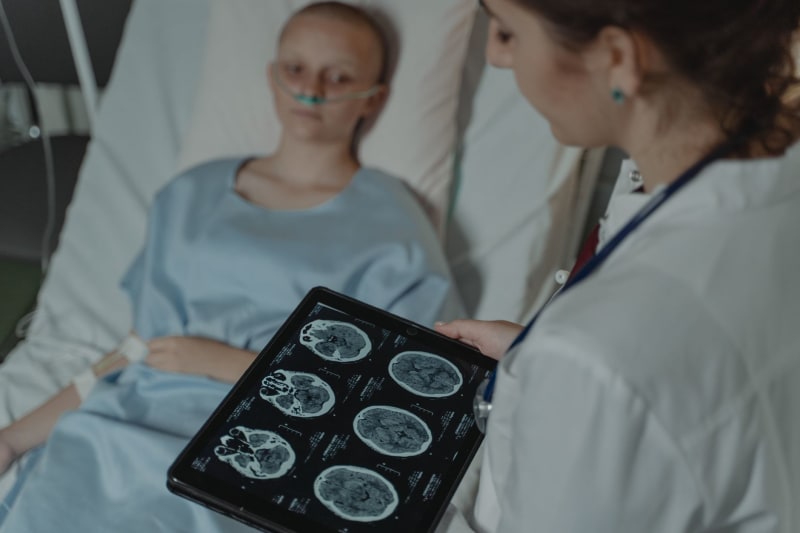
- The FDA has granted Breakthrough Device Designation to an AI-powered neurorehabilitation system, signaling a significant advancement in stroke recovery technology, particularly for those suffering from intracerebral hemorrhage.
- This innovative device is specifically designed to aid in the recovery of motor and cognitive functions following an intracerebral hemorrhage (ICH), a devastating type of stroke with limited effective treatment options.
- The Breakthrough Device Designation is a coveted status that expedites the development and review process for novel technologies that offer more effective treatment or diagnosis of life-threatening or irreversibly debilitating diseases.
- Intracerebral hemorrhage, often referred to as a brain bleed, is a severe medical emergency where bleeding occurs directly within the brain tissue, leading to significant neurological deficits and high mortality rates.
- The AI component of the system is crucial, as it adapts therapy in real-time to each patient's specific needs and progress, potentially optimizing rehabilitation outcomes far beyond conventional methods.
- This designation underscores the urgent, unmet medical need for improved therapeutic interventions for ICH survivors, who frequently face long-term disability and a diminished quality of life.
- The technology aims to reduce the burden of long-term disability, enhance functional independence, and potentially lower healthcare costs associated with extended rehabilitation and ongoing care for ICH patients.
The Record
The FDA's decision to grant Breakthrough Device Designation to this AI-powered neurorehabilitation system marks a pivotal moment in the landscape of stroke recovery. This designation is not merely a bureaucratic formality; it is a strategic acceleration pathway designed to bring truly innovative technologies to patients faster, especially when those technologies address conditions with significant unmet medical needs. For intracerebral hemorrhage (ICH) survivors, who often face profound and lasting neurological deficits, this represents a beacon of hope.
Intracerebral hemorrhage, a form of hemorrhagic stroke, accounts for approximately 10-15% of all strokes but carries a disproportionately high mortality and morbidity rate. Unlike ischemic strokes, which result from a clot blocking blood flow, ICH involves bleeding directly into the brain tissue, leading to rapid cell damage and swelling. Current treatments primarily focus on managing blood pressure, reducing intracranial pressure, and surgical intervention in select cases, with rehabilitation being a cornerstone for long-term recovery. However, the effectiveness of traditional rehabilitation can be limited, leaving many patients with severe, permanent disabilities.
The AI-driven system promises to revolutionize this rehabilitation paradigm by offering personalized, adaptive therapy. Traditional rehabilitation often follows generalized protocols, which may not fully cater to the unique and evolving needs of each patient's brain injury. By leveraging artificial intelligence, this new device can analyze patient performance in real-time, identify specific deficits, and dynamically adjust therapeutic exercises to maximize neuroplasticity and functional recovery. This tailored approach holds the potential to unlock greater recovery potential, fundamentally changing the trajectory for many ICH patients.
Who Knew and When
The development of this AI-powered neurorehabilitation system has been a multi-year endeavor, involving extensive research and collaboration among neuroscientists, engineers, and clinical experts. The initial conceptualization of using adaptive AI for stroke recovery began several years ago, driven by a recognition of the limitations in existing rehabilitation methods and the profound impact of conditions like intracerebral hemorrhage on patient lives. Early prototypes and preclinical studies demonstrated promising results, suggesting that an intelligent, responsive system could significantly improve motor and cognitive outcomes.
The formal application for the FDA Breakthrough Device Designation would have followed a rigorous process, requiring substantial preliminary data, a clear articulation of the technology's innovative aspects, and compelling evidence of its potential to provide a more effective treatment than currently available options. This application would have been submitted by the device's developer, likely a specialized medical technology company, after demonstrating a strong scientific rationale and initial proof-of-concept. The FDA's review process for such designations is thorough, ensuring that only truly transformative technologies receive this expedited status.
The FDA's decision to grant this designation was publicly announced recently, bringing this innovative solution into the spotlight. While the exact timeline of internal development and submission remains proprietary to the company, the public announcement signifies the moment the broader medical community and patient advocacy groups became aware of this critical advancement. This designation now places the device on a fast track for further clinical trials and regulatory approval, meaning that if successful, it could reach patients significantly sooner than devices following traditional regulatory pathways, offering a much-needed solution for a devastating condition.
Voices from the Ground
For families grappling with the aftermath of an intracerebral hemorrhage, the news of an AI-powered rehabilitation device receiving FDA Breakthrough Designation is a profound source of hope. "My father suffered an ICH two years ago, and his recovery has been painstakingly slow, filled with frustration," shares Maria Rodriguez, whose father is still struggling with significant motor deficits. "We've tried everything, but progress is minimal. The idea that there's a new technology, especially one that adapts to his specific needs, feels like a miracle. We desperately need something that can truly make a difference in regaining his independence."
Rehabilitation therapists, who witness the daily struggles of ICH survivors, also express cautious optimism. Dr. Emily Chen, a neurorehabilitation specialist, notes, "Current rehabilitation protocols, while essential, often hit a plateau. Patients with ICH present with highly variable and complex deficits, and a 'one-size-fits-all' approach is rarely optimal. An AI system that can precisely tailor interventions, provide real-time feedback, and dynamically adjust to a patient's progress could be a game-changer. It could allow us to push boundaries we currently can't, fostering greater neuroplasticity and functional recovery." This sentiment highlights the professional anticipation for tools that can enhance their therapeutic efficacy.
Patient advocacy groups are also amplifying the importance of this development. "Every year, hundreds of thousands of individuals worldwide suffer from intracerebral hemorrhage, and many are left with severe, life-altering disabilities," states a spokesperson for the National Stroke Association. "This FDA designation for an AI-driven rehabilitation device is a testament to the urgent need for innovation in this field. It signals a future where recovery from such a devastating event might be more comprehensive and accessible, offering a renewed sense of purpose and dignity to survivors and their caregivers." The collective voice underscores the significant impact this technology could have on patient outcomes and quality of life.
The Debate
While the FDA Breakthrough Device Designation for an AI-powered neurorehabilitation system is largely celebrated, it also sparks important discussions within the medical and ethical communities. One primary point of debate centers on the integration of artificial intelligence into highly personalized and sensitive medical treatments. Critics raise questions about the transparency of AI algorithms: how do we ensure the AI's decision-making process is fully understandable and free from biases that could inadvertently disadvantage certain patient populations or lead to suboptimal therapeutic pathways? The 'black box' nature of some advanced AI models is a recurring concern.
Another significant aspect of the debate revolves around accessibility and equity. Breakthrough devices, by their very nature, often come with a higher price tag due to the extensive research, development, and specialized technology involved. This raises concerns about whether such advanced rehabilitation will be universally accessible to all patients who could benefit, or if it will primarily be available in well-funded institutions or to those with comprehensive insurance coverage. Ensuring equitable access to life-changing technologies is a critical ethical challenge that healthcare systems must address as these innovations emerge.
Furthermore, there's an ongoing discussion about the role of human therapists in an AI-augmented rehabilitation future. While proponents argue that AI will empower therapists by providing more data-driven insights and automating repetitive tasks, allowing them to focus on complex patient needs, some worry about potential de-skilling or an over-reliance on technology. The consensus generally leans towards a collaborative model, where AI acts as a sophisticated tool to enhance human expertise, rather than replace it. However, defining the optimal balance and training healthcare professionals to effectively utilize these advanced systems remains a key area of discourse and development.

Your Questions Answered
What Accountability Looks Like
Accountability for this AI-powered neurorehabilitation system begins with the device manufacturer. They bear the primary responsibility for ensuring the device's safety, efficacy, and consistent performance throughout its lifecycle. This includes rigorous adherence to manufacturing quality standards, transparent reporting of clinical trial data, and proactive monitoring for any adverse events once the device is in use. The FDA's Breakthrough Device Designation process itself imposes a high level of scrutiny, requiring robust evidence and ongoing engagement to maintain the expedited pathway, thus holding the developer to stringent standards.
Furthermore, healthcare providers and rehabilitation centers that adopt this technology will also hold a significant share of accountability. They must ensure that their staff are adequately trained to operate the AI system, interpret its data, and integrate it effectively into patient care plans. Responsible implementation involves selecting appropriate patients, monitoring their progress closely, and understanding the system's limitations. Regular audits of patient outcomes and adherence to best practices will be crucial to ensure that the technology delivers on its promise and improves patient lives without introducing new risks.
Finally, regulatory bodies like the FDA will continue to play a critical oversight role even after market approval. This involves post-market surveillance to track the device's long-term performance and safety in real-world settings. Should any issues arise, the FDA has mechanisms to mandate recalls, issue warnings, or require further studies. Patient advocacy groups and professional medical associations also contribute to accountability by providing feedback, raising concerns, and pushing for equitable access and transparent data, ensuring that the benefits of this innovative technology are maximized for all who need it.










Comments
No comments yet. Be the first to comment!