


Policy Snapshot
- The Trump administration's Middle East policy was largely characterized by a 'maximum pressure' campaign against Iran, a withdrawal from the Iran nuclear deal (JCPOA), and a significant reduction in diplomatic engagement with traditional allies, creating a volatile and unpredictable regional landscape.
- A key component involved prioritizing an 'America First' doctrine, which often translated into unilateral actions, disengagement from multilateral institutions, and a transactional approach to international relations, particularly in the Middle East, leading to a perceived vacuum in leadership.
- The policy also saw a strategic pivot away from long-standing commitments, including a controversial decision to withdraw troops from certain areas, which inadvertently destabilized existing power balances and opened doors for other global actors to assert influence.
- Economic sanctions were heavily leveraged as a primary tool of foreign policy, particularly against Iran, aiming to cripple its economy and force a change in behavior, though these measures often had broader regional and global economic repercussions.
- The administration actively pursued the Abraham Accords, normalizing relations between Israel and several Arab nations, a significant diplomatic achievement that nonetheless shifted regional alliances and priorities, potentially sidelining other critical issues.
- Overall, the policy framework was marked by a clear departure from previous U.S. administrations' approaches, emphasizing a more isolationist stance while simultaneously engaging in highly interventionist actions in specific, targeted areas, creating a complex and often contradictory foreign policy posture.
The Policy History
The Trump administration's approach to the Middle East marked a significant departure from decades of U.S. foreign policy. Rather than maintaining a consistent strategy of regional stabilization through alliances and diplomatic engagement, the administration adopted a more transactional and often confrontational stance. This included a dramatic withdrawal from the Iran nuclear deal, a cornerstone agreement designed to prevent Tehran from developing nuclear weapons, and the imposition of crippling sanctions. This move, while intended to curb Iranian influence, simultaneously alienated European allies and created a vacuum that other global powers were quick to exploit, fundamentally altering the geopolitical calculus of the region.
Furthermore, the 'America First' doctrine translated into a reduced U.S. footprint in certain strategic areas, notably Syria, and a general disinterest in multilateral solutions. This perceived disengagement, coupled with an unpredictable diplomatic style, fostered an environment of uncertainty among traditional U.S. allies. Regional actors, no longer assured of unwavering U.S. support or consistent policy, began to diversify their international partnerships. This shift was not merely a reaction to U.S. policy but a strategic adaptation to a rapidly changing global order, where reliance on a single superpower became increasingly untenable for their long-term security and economic interests.
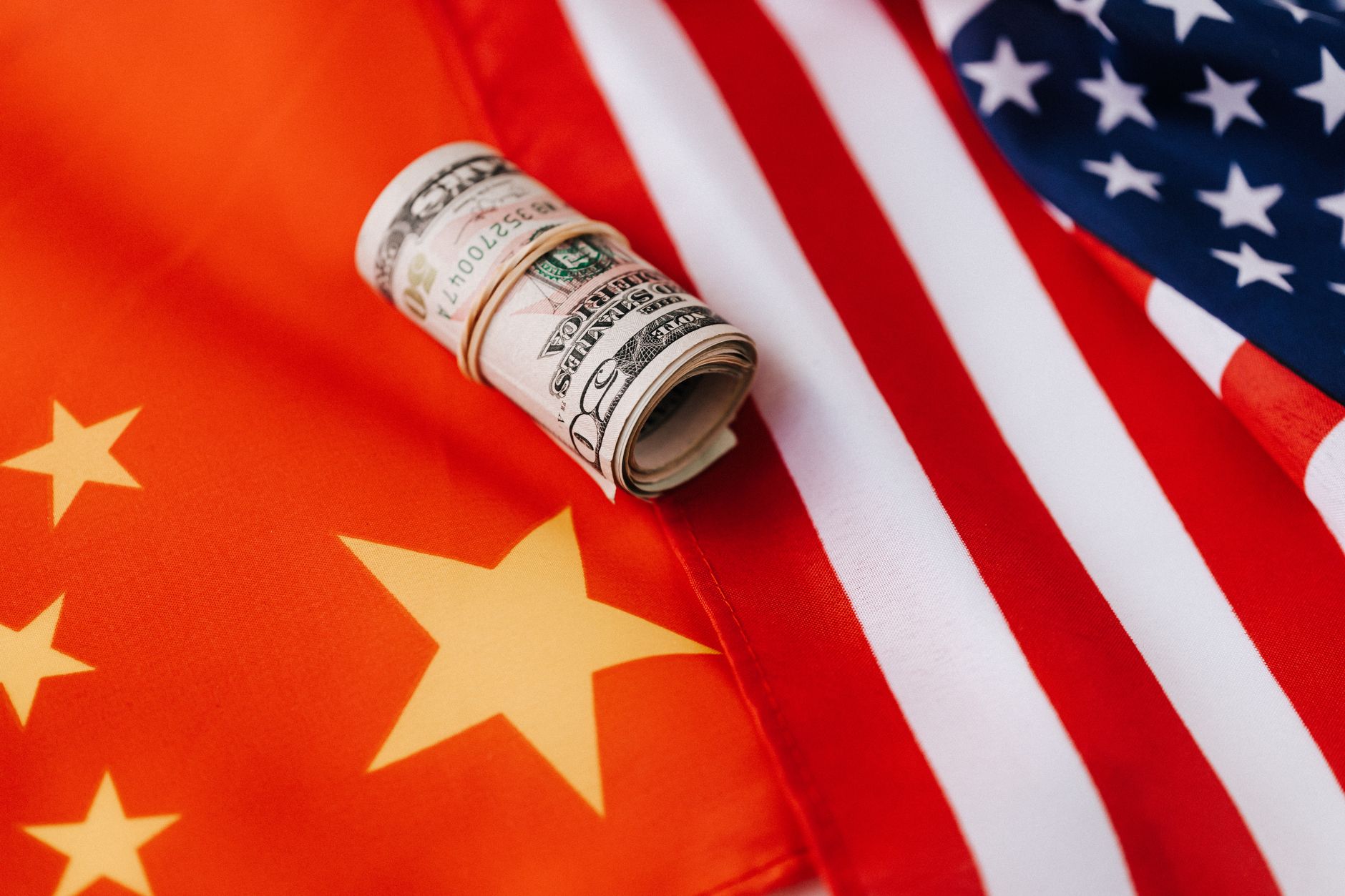
The cumulative effect of these policy shifts was a profound reordering of regional dynamics. While the Trump administration aimed to reassert American dominance and protect U.S. interests, its actions inadvertently created opportunities for rival powers. The focus on disrupting existing frameworks, without a clear, comprehensive alternative for regional stability, inadvertently cleared a path for countries like China to expand their economic and political influence. Beijing, with its non-interventionist foreign policy and vast economic resources, presented an attractive alternative for Middle Eastern nations seeking stability, investment, and a less politically encumbered partnership, thereby accelerating a multipolar shift in the region.
Who Is Affected
The primary beneficiaries of the Trump administration's Middle East policies, perhaps ironically, appear to be China and, to a lesser extent, Russia. China, adhering to its principle of non-interference in internal affairs, has been able to expand its economic and diplomatic footprint across the region without being entangled in the complex political and security quagmires that often plague Western powers. Beijing has strategically positioned itself as a reliable partner for infrastructure development, energy investment, and technological advancement, offering a stable alternative to the often-fluctuating policies of the United States. This strategic patience has allowed China to deepen its ties with key Middle Eastern states, including Saudi Arabia, Iran, and the UAE, fostering long-term economic dependencies.
Conversely, traditional U.S. allies in the Middle East, such as Saudi Arabia, the UAE, and even Israel, found themselves navigating a more unpredictable landscape. While some, like the UAE and Bahrain, benefited from the Abraham Accords, the broader sense of U.S. disengagement and the transactional nature of its foreign policy prompted these nations to diversify their strategic partnerships. They began looking to other global powers, including China, for security assurances, economic investment, and diplomatic support, hedging against potential future shifts in U.S. policy. This diversification represents a significant erosion of exclusive U.S. influence, forcing these nations to recalibrate their geopolitical alignments in a rapidly evolving world order.
The United States itself is arguably a long-term loser in this geopolitical reshuffling. By ceding influence and creating vacuums, the Trump administration's policies inadvertently diminished America's standing as the indispensable power in the Middle East. The reduction in diplomatic capital, the strain on alliances, and the rise of rival powers in a strategically vital region could have profound implications for future U.S. foreign policy objectives and national security interests. Rebuilding trust and reasserting influence will require a concerted, long-term effort, as the perception of U.S. reliability and commitment has been significantly damaged, allowing other nations to step into the void.
The Case For
Proponents of the Trump administration's Middle East strategy would argue that its primary objective was to recalibrate U.S. engagement, reducing the financial and human costs associated with prolonged military interventions and nation-building efforts. The 'America First' approach aimed to prioritize domestic interests and extract the U.S. from what were perceived as endless conflicts. By withdrawing from the Iran nuclear deal and imposing stringent sanctions, the administration sought to exert maximum pressure on Tehran, believing that this would force a more favorable outcome for U.S. security interests and regional stability, without direct military entanglement. This strategy was seen as a necessary tough stance to counter Iranian aggression and nuclear ambitions.
Furthermore, the Abraham Accords are frequently cited as a significant diplomatic triumph, demonstrating that peace and normalization between Israel and Arab nations were achievable without resolving the Israeli-Palestinian conflict first. This breakthrough was framed as a pragmatic approach to regional peace, creating new alliances and economic opportunities that bypassed traditional diplomatic stalemates. Supporters contend that these agreements reshaped the regional power dynamics, isolating Iran further and creating a more unified front against shared threats, thereby enhancing regional security from a U.S. perspective. The accords were a testament to a willingness to challenge long-held diplomatic conventions.
The argument also posits that by reducing U.S. military presence and encouraging regional partners to take greater responsibility for their own security, the administration fostered a more self-reliant Middle East. This shift was intended to alleviate the burden on American taxpayers and military personnel, allowing the U.S. to focus its resources elsewhere. While acknowledging the rise of other powers, proponents might argue that a multipolar world is an inevitable reality, and the U.S. strategy merely accelerated a necessary transition, forcing allies to adapt and strengthening their own defense capabilities rather than relying solely on American protection. This perspective emphasizes a strategic divestment from costly foreign entanglements.
The Case Against
Critics vehemently argue that the Trump administration's Middle East policies were shortsighted, destabilizing, and ultimately detrimental to long-term U.S. interests. The unilateral withdrawal from the Iran nuclear deal, without a viable alternative, not only alienated key European allies but also arguably brought Iran closer to developing nuclear capabilities by removing international oversight. This move was seen as a profound strategic error that undermined years of diplomatic effort and increased regional tensions, pushing the Middle East closer to conflict rather than fostering peace. The 'maximum pressure' campaign, while intended to cripple Iran, instead pushed it to seek closer ties with adversaries of the U.S., including China and Russia.
The perceived U.S. disengagement and unpredictable policy shifts created a significant vacuum in the region, which was swiftly filled by rival powers. China, in particular, capitalized on this opportunity by expanding its economic and diplomatic influence through the Belt and Road Initiative, offering substantial investments without the political conditionalities often imposed by Western nations. This allowed Beijing to forge deeper ties with key energy producers and strategic partners, effectively challenging decades of U.S. dominance. Critics contend that this strategic blunder inadvertently accelerated the decline of U.S. influence and the rise of a more multipolar, and potentially less U.S.-friendly, global order.
Furthermore, the transactional nature of U.S. foreign policy under Trump strained relationships with traditional allies, who felt abandoned or undervalued. This erosion of trust could have lasting consequences for future cooperation on critical issues, from counter-terrorism to economic stability. While the Abraham Accords were a notable achievement, they did not address the core Israeli-Palestinian conflict, which remains a potent source of instability. The overall approach, characterized by a lack of consistent strategy and a preference for unilateral action, ultimately weakened the U.S.'s ability to shape events in a crucial region and inadvertently strengthened the hand of its geopolitical rivals, leading to a net loss for American strategic interests.

Policy Questions Answered
Implementation Watch
The implementation of the Trump administration's Middle East policies was characterized by a rapid and often disruptive approach, prioritizing immediate action over long-term strategic planning. The withdrawal from the Iran nuclear deal, for instance, was executed swiftly, leading to an immediate re-imposition of sanctions that significantly impacted global oil markets and international relations. This abrupt shift forced European allies to scramble to salvage the agreement and find alternative mechanisms for trade with Iran, highlighting the unilateral nature of the policy's execution. The speed of these changes often left allies and adversaries alike struggling to adapt, contributing to regional instability.
Similarly, the push for the Abraham Accords involved intense, behind-the-scenes diplomatic efforts that culminated in rapid normalization agreements. While these were celebrated as breakthroughs, their implementation focused primarily on state-to-state relations, with less emphasis on broader regional integration or addressing underlying conflicts. The swiftness of these agreements demonstrated a capacity for decisive action, yet also raised questions about their long-term sustainability and their impact on the wider peace process, particularly regarding the Israeli-Palestinian conflict. This transactional approach prioritized quick wins over comprehensive, enduring solutions.
The overall implementation strategy often lacked a cohesive, overarching framework, leading to a series of ad-hoc decisions rather than a consistent, predictable foreign policy. This unpredictability, while perhaps intended to keep adversaries off balance, also created uncertainty among allies and opened doors for other global powers to assert their influence. China, in contrast, pursued its objectives through consistent economic engagement and long-term strategic investments, a stark contrast to the U.S.'s more volatile approach. This difference in implementation styles allowed Beijing to steadily build its presence while Washington's influence fluctuated, creating a clear strategic advantage for China in the long run.
















Comments
No comments yet. Be the first to comment!